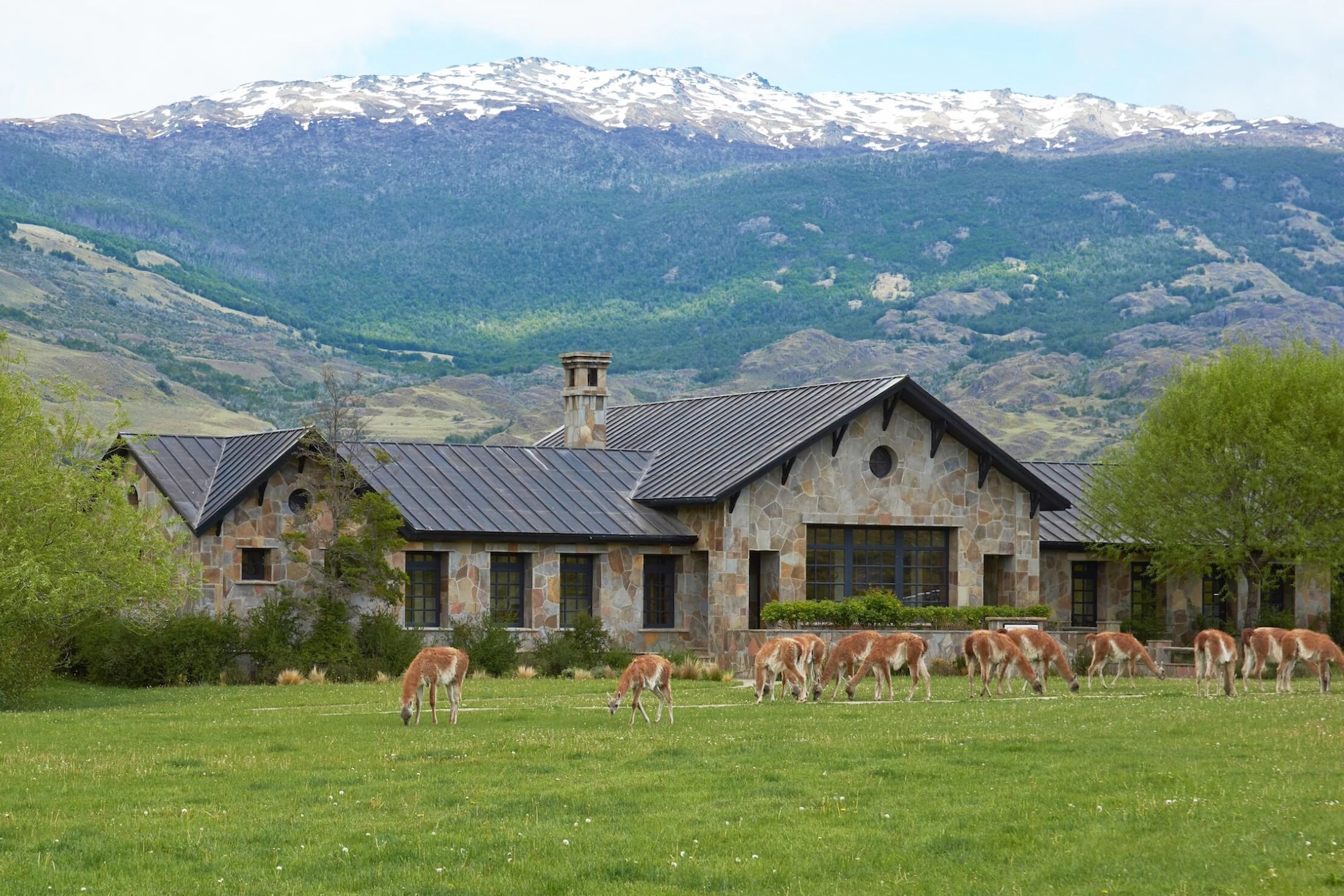
To choose where to stay in Patagonia, you must first decide between the granite peaks of Torres del Paine in Chile or the massive glaciers and trekking routes of El Calafate and El Chaltén in Argentina. For 2026, most travelers prioritize luxury eco-lodges within the national parks or boutique hotels in strategic gateway towns like Puerto Natales and Ushuaia.
Understanding the Patagonia Regions: Chile vs. Argentina
Patagonia is a vast geographic region covering over 400,000 square miles across the southern tips of Chile and Argentina. Because the landscape is divided by the Andes Mountains, the climate, accessibility, and accommodation styles vary significantly between the two nations. When planning where to stay, it is helpful to view the region through its primary hubs rather than as a single destination.
In Chilean Patagonia, the focus is largely on rugged coastal fjords, the dramatic peaks of the Magallanes region, and the northern Lake District. The lodging here often emphasizes "all-inclusive" adventure programs where the hotel provides guides, gear, and transportation.
In Argentine Patagonia, the landscape opens into the vast Atlantic plateau and the dramatic verticality of the Southern Ice Field. The lodging culture in Argentina often centers on "hub-and-spoke" travel, where visitors stay in a town and venture out for day trips, though the "Estancia" (ranch) culture remains a cornerstone of the high-end experience.
Staying in Argentine Patagonia: Glaciers and Granite
Argentina’s side of Patagonia is generally easier to navigate via ground transportation between its major hubs. As of 2026, these areas have seen significant infrastructure improvements, making the transition from luxury hotels to backcountry trails more seamless than ever.
El Calafate: The Gateway to the Southern Ice Field
El Calafate serves as the essential base for anyone wishing to see the Perito Moreno Glacier. Located on the shores of Lago Argentino, the town has evolved from a small outpost into a sophisticated tourist center.
- Who should stay here: Travelers focused on seeing glaciers, families, and those seeking high-end amenities.
- The Experience: Staying in the town center offers proximity to the "Glaciarium" (an ice museum) and numerous restaurants. However, the most sought-after accommodations are located 15 to 30 minutes outside of town.
- Top Recommendations: For a luxury experience, Eolo - Patagonia’s Spirit offers a Relais & Châteaux experience on a massive private estate. For those who prefer a historic feel, Estancia Cristina is accessible only by boat and provides an immersive look at the region’s pioneering history.
El Chaltén: The Trekking Capital
Located roughly three hours north of El Calafate, El Chaltén is a small village nestled at the foot of the Fitz Roy and Cerro Torre massifs. Unlike other parts of Patagonia, the best hikes here start directly from the edge of the village.
- Who should stay here: Serious hikers, climbers, and backpackers who want immediate trail access.
- The Experience: The lodging here ranges from high-end boutique hotels to communal hostels. In 2026, the village maintains its "trekker-first" vibe, but with an increasing number of luxury options.
- Top Recommendations: Explora El Chaltén is located within the Los Huemules Conservation Reserve, offering a secluded alternative to staying in the village itself. Within the town, Destino Sur provides excellent spa facilities, which are highly valued after a 12-mile hike to Laguna de los Tres.
Ushuaia: The End of the World
Ushuaia is the southernmost city in the world and the primary port for Antarctic cruises. It offers a unique combination of maritime history and mountain scenery.
- Who should stay here: Travelers heading to Antarctica, those interested in the Beagle Channel, and winter sports enthusiasts (skiing at Cerro Castor).
- The Experience: The best hotels are perched on the hillsides overlooking the Beagle Channel, providing panoramic views of the water and the snow-capped peaks of Tierra del Fuego.
- Top Recommendations: Arakur Ushuaia Resort & Spa is famous for its sustainable design and "end of the world" infinity pools. Los Cauquenes Resort + Spa + Experiences offers a more intimate, classic luxury feel with private pier access.

Staying in Chilean Patagonia: The Wild Frontiers
Chilean Patagonia is characterized by deep fjords, turquoise lakes, and the world-famous Torres del Paine National Park. The lodging strategy here often revolves around whether to stay inside the park boundaries or in the nearby gateway town.
Torres del Paine: Inside the Park vs. Outside
This is the most critical decision for visitors to Chile. Staying inside the park saves hours of commuting time each day but comes at a premium price and requires booking at least 8 to 10 months in advance for the 2026 season.
- Inside the Park: Hotels like Hotel Las Torres (located at the trailhead for the "Towers" hike) or Explora Torres del Paine (positioned at the Salto Chico waterfall) offer unparalleled access.
- Outside the Park: Many luxury lodges sit just on the border of the park. Tierra Patagonia and Awasi Patagonia offer private villas and dedicated 4x4 excursions, providing a more exclusive feel than the busier hotels inside the park.
- Refugios and Camping: For those hiking the "W" or "O" circuits, the only options are the refugios (mountain hostels) or campsites managed by Las Torres Patagonia or Vertice Patagonia. These are basic but essential for multi-day trekkers.
Puerto Natales: The Strategic Base
Located about 75 miles from the park entrance, Puerto Natales is a colorful port town that has become a destination in its own right.
- Who should stay here: Travelers on a moderate budget, those who want diverse dining options, and those interested in fjord navigation.
- The Experience: You can find beautifully converted industrial buildings that now serve as luxury hotels. It is the best place to arrange boat tours to the Balmaceda and Serrano glaciers.
- Top Recommendations: The Singular Patagonia is housed in a National Heritage cold-storage plant and is widely considered one of the most unique hotels in South America.
The Lake Region: Puerto Varas and Chiloé
While technically Northern Patagonia, this area is essential for those seeking a more temperate landscape of volcanoes and rainforests.
- Puerto Varas: Known as the "City of Roses," it sits on Lake Llanquihue with views of the Osorno Volcano. It is the jumping-off point for the "Lakes Crossing" into Argentina.
- Chiloé Island: Famous for its wooden churches (UNESCO World Heritage sites) and stilt houses. Staying at Tierra Chiloé provides a deep dive into the island’s unique folklore and maritime culture.
Comparative Overview of Patagonia Hubs
| Hub | Primary Attraction | Best For | Recommended Stay Duration |
|---|---|---|---|
| El Calafate | Perito Moreno Glacier | Families & Luxury | 2–3 Nights |
| El Chaltén | Fitz Roy & Cerro Torre | Active Hikers | 3–5 Nights |
| Torres del Paine | The "W" Trek & Granite Peaks | Photographers & Trekkers | 4–5 Nights |
| Ushuaia | Beagle Channel & Antarctica | History & Cruises | 2–3 Nights |
| Puerto Natales | Fjord Navigation | Budget & Foodies | 2 Nights |
| Bariloche | Nahuel Huapi Lake | Skiing & Chocolate | 3–4 Nights |
Specialized Accommodation Types
To truly experience Patagonia in 2026, consider mixing different types of lodging rather than staying in standard hotels for the entire trip.
The Patagonian Estancia
Staying at a working ranch (Estancia) allows you to experience the "Gaucho" (cowboy) culture that shaped this land. These properties are often remote and offer activities like horseback riding, sheep shearing demonstrations, and traditional lamb barbecues (asados). In Argentina, Estancia Nibepo Aike is a prime example of an authentic ranch that has opened its doors to guests while remaining a functional farm.
Eco-Camps and Domes
Glamping has exploded in popularity across Patagonia. Domes are designed to withstand the region’s notorious winds while offering glass ceilings for stargazing. EcoCamp Patagonia, located in the heart of Torres del Paine, was a pioneer in this space and remains one of the most sustainable lodging options in the world.
Mountain Refugios
If you are planning the 5-day "W" Trek in Chile, you will likely stay in refugios. These are dormitory-style lodges where hikers share rooms and meals. While they are far from luxurious, they provide a vital social atmosphere and a roof over your head in a region where the weather can change in minutes. Reservations for refugios in 2026 must be made through the CONAF portal or directly through the private operators.
Logistics and Planning for 2026
The surge in Patagonia's popularity has led to stricter regulations regarding capacity in national parks and lodging.
- Lead Times: For high-season travel (December through February), you should secure your lodging by March or April of the previous year. This is especially true for Torres del Paine and El Chaltén.
- The "Blue Dollar" and Currency: In Argentina, currency fluctuations continue to be a factor in 2026. Most high-end hotels quote prices in USD to maintain stability. Travelers are advised to check the current exchange regulations before arrival, as paying with a foreign credit card often triggers a preferential exchange rate for tourists (the MEP rate).
- Border Crossings: Many travelers fly into El Calafate (Argentina) and take a bus to Puerto Natales (Chile). Ensure your accommodation in the border towns can assist with the necessary PDI (International Police) paperwork for a smooth transit.
- Weather Considerations: Patagonia is known for having "four seasons in one day." Even the most expensive hotels may experience power flickers or satellite internet outages during extreme wind events. Choose lodging with "all-weather" facilities, such as indoor spas or heated gear-drying rooms.
Frequently Asked Questions
Is it better to stay in Chile or Argentina?
It depends on your goals. Chile offers more dramatic coastal scenery and the iconic Torres del Paine, but it is generally more expensive. Argentina offers better value for money, easier access to massive glaciers like Perito Moreno, and a more robust "hiking town" culture in El Chaltén. Most comprehensive trips include both.
How do I get between the different accommodation hubs?
Most travelers use a combination of domestic flights and long-distance buses. For example, you can fly from Buenos Aires to El Calafate, then take a 3-hour bus to El Chaltén. To cross from Argentina to Chile, the bus from El Calafate to Puerto Natales takes roughly 5 to 6 hours, including the border stop.
Can I stay in one place and see all of Patagonia?
No. Patagonia is too large for a single base. You would spend most of your time in transit. A better strategy is to choose two or three hubs (e.g., El Calafate, El Chaltén, and Torres del Paine) and stay at least three nights in each.
Are there luxury options for people who don't hike?
Yes. Many "all-inclusive" luxury lodges like Awasi or Explora offer "easy" or "moderate" excursions, such as van tours to scenic overlooks, bird watching, and boat navigations, which require very little physical exertion while still providing the full Patagonian experience.
What is the best month to visit for the best lodging availability?
The "shoulder seasons" of October–November and March–April offer the best balance. The weather is relatively stable, the crowds are thinner, and lodging prices are often 20% to 30% lower than in the peak months of December and January.
Final Recommendation
For a first-time visitor in 2026, the ideal itinerary involves three nights in El Calafate (staying at an Estancia), four nights in El Chaltén (staying in the village), and four nights in Torres del Paine (staying inside the park). This combination provides the most comprehensive exposure to the glaciers, granite spires, and cultural heritage that define Patagonia.
Image Gallery
Select an image to open it in a new tab.


Mateo Castillo
Decentralized Finance and E-Payments Strategist
