Understanding the Distinctions: Turtles vs. Sea Turtles

The fundamental difference between a turtle and a sea turtle lies in their environmental adaptation: turtles is a broad term for the entire order Testudines, covering terrestrial, freshwater, and marine species, whereas sea turtles are a specialized group evolved exclusively for life in the ocean. This distinction encompasses physiological differences in limb structure, respiratory capabilities, and reproductive behaviors.
Defining the Order Testudines
To understand the difference, one must first recognize the biological classification. All turtles, tortoises, and terrapins belong to the taxonomic order Testudines. These reptiles are characterized primarily by their bony or cartilaginous shell, which acts as a protective shield for their internal organs. While the term "turtle" is often used colloquially to refer to anything with a shell, scientists categorize them based on where they spend the majority of their lives.
Most members of this order are semi-aquatic or terrestrial. For example, a box turtle lives on land, and a red-eared slider lives in freshwater ponds. The anatomy of these creatures is adapted for navigating substrates like mud, dirt, or freshwater reeds. Sea turtles, however, belong to a specific superfamily called Chelonioidea. They have evolved over millions of years to abandon terrestrial habitats almost entirely, returning to land only for the purpose of nesting.
Anatomical Adaptations for Survival
The most visible difference between a general turtle and a sea turtle is the shape of their limbs. If you observe a freshwater turtle or a tortoise, you will see feet with distinct toes and often claws. Freshwater turtles use webbed feet for paddling, while tortoises have sturdy, pillar-like legs designed for walking on solid ground.
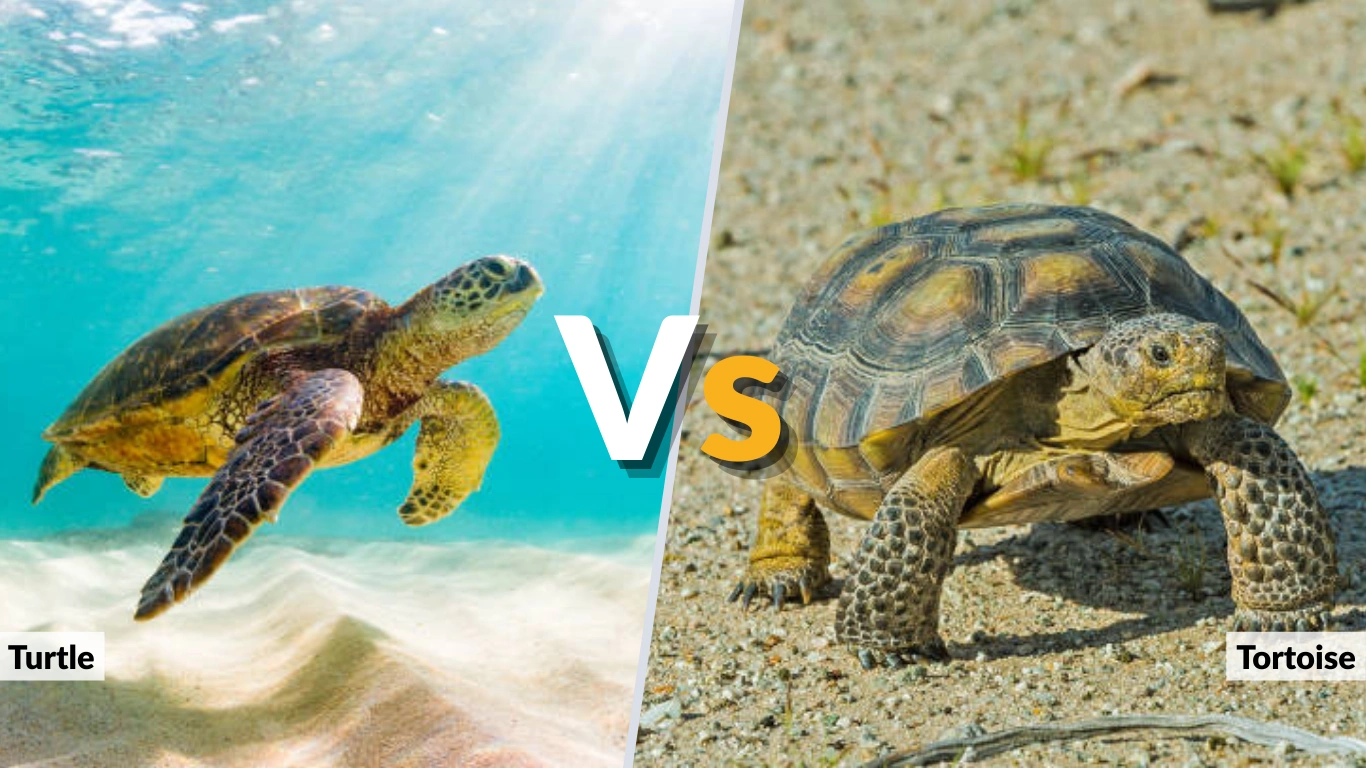
Sea turtles possess flippers instead of feet. These long, paddle-like limbs are highly efficient for moving through the water column. A sea turtle cannot retract its head or limbs into its shell for protection, an evolutionary trade-off that allows for a more streamlined, hydrodynamic shape. This shape reduces drag, enabling sea turtles to migrate thousands of miles across open oceans—a feat most land-based turtles are physically incapable of achieving.
Furthermore, the shell of a sea turtle is typically flatter and thinner than that of a terrestrial counterpart. A heavy, dome-shaped shell is advantageous for a land turtle as it provides stability and defense against predators, but it would be a hindrance to a sea turtle. A streamlined shell allows the sea turtle to maintain buoyancy and speed, critical for evading marine predators like sharks.
Habitat and Range
The geographical and environmental requirements for these animals are vastly different. When people think of a "turtle," they are often thinking of species found in local lakes, rivers, or backyards. These animals rely on a specific ecosystem that includes basking spots (for thermoregulation) and specific water temperatures.
Sea turtles are marine obligates. They inhabit all the world's oceans except for the coldest polar regions. Their lifecycle is defined by the open sea. While a freshwater turtle might move between a log and the water, a sea turtle spends its entire life cycle—mating, feeding, and traveling—within salt water. The only exception is the female sea turtle, which must crawl onto sandy beaches to lay eggs. This requirement makes them highly dependent on specific coastal regions, often traveling back to the exact beach where they were hatched to deposit their own clutches.
Comparing Key Biological and Behavioral Traits
The table below outlines the primary differences that distinguish a general turtle from a sea turtle.
| Feature | Typical Turtle (Freshwater/Land) | Sea Turtle |
|---|---|---|
| Limbs | Webbed feet or claws | Specialized flippers |
| Shell Shape | Usually dome-shaped; heavy | Streamlined; flat and light |
| Retraction | Often can pull head/limbs into shell | Cannot retract limbs or head |
| Habitat | Freshwater, swamps, or land | Open ocean; marine environments |
| Respiration | Often breathes at the surface; can rest | Must surface to breathe; migrates long distances |
| Diet | Omnivorous (varies by species) | Varies (jellyfish, seagrass, crustaceans) |
Respiratory and Salt Management
Living in the ocean presents unique physiological challenges. Sea turtles possess specialized salt glands located near their eyes. These glands allow them to excrete the excess salt they ingest while living in a marine environment. This is why observers sometimes see sea turtles "crying" on the beach; they are actually purging salt, not experiencing emotion. Freshwater turtles do not require these complex glands, as they live in environments with lower salt concentrations.
Respiration also differs. While both types of turtles are air-breathing reptiles that must come to the surface, sea turtles have evolved incredible metabolic control. They can slow their heart rates significantly, allowing them to remain submerged for extended periods. Some species can hold their breath for several hours while sleeping or resting at the bottom of the ocean, a survival mechanism that land-based turtles rarely demonstrate to the same extreme.
Reproductive Cycles and Nesting
The nesting process represents a critical point of divergence. For most freshwater turtles, the distance between the water and a nesting site is relatively short. They find suitable soil, dig a nest, lay eggs, and return to their water source.
Sea turtles engage in what is known as natal homing. A female will navigate hundreds, sometimes thousands, of miles through the ocean to reach a specific nesting beach. Once there, she drags her heavy, streamlined body across the sand, digs a deep egg chamber, lays a clutch of eggs (which can number over 100), covers them, and returns to the sea. The eggs must incubate in the sand for a period determined by temperature—a variable that also dictates the sex of the hatchlings. Unlike many freshwater species, sea turtle mothers provide zero care for the offspring once the nest is covered. The hatchlings must navigate the treacherous trek from the sand to the water immediately upon emerging.
Conservation Status and Human Interaction
Understanding the difference between these two groups is essential for conservation efforts. In 2026, many sea turtle species remain listed as vulnerable or endangered due to bycatch in commercial fisheries, loss of nesting habitats, and plastic pollution. Because sea turtles traverse international waters, protecting them requires global cooperation between countries.
Conversely, freshwater turtles often face threats related to habitat destruction, pollution of local waterways, and the illegal pet trade. Conservation of the former focuses on oceanic protection and fishing regulations, whereas the latter often involves wetland restoration and local environmental ordinances. Identifying which group an individual belongs to is the first step in applying the correct conservation framework.
Frequently Asked Questions
Can sea turtles live in a home aquarium? No. Sea turtles require vast ocean environments to thrive. Keeping them in an aquarium is illegal in almost all jurisdictions and biologically impossible for the average person. Freshwater turtles, such as the red-eared slider, are common pets, but they also require specific filtration, lighting, and tank sizes to remain healthy.
Do all turtles have shells? Yes. All members of the order Testudines have a shell that is essentially a fusion of their ribs and spine. Whether you are looking at a desert tortoise or a massive leatherback sea turtle, the shell is an inseparable part of their skeletal structure.
How can I tell if a turtle is a sea turtle? Look at the limbs. If the animal has flippers rather than clawed feet, it is almost certainly a sea turtle. Additionally, if the turtle is found in the open ocean or washed up on a beach, it is a sea turtle. If you find a turtle in a garden or a small pond, it is a terrestrial or freshwater species.
Are sea turtles the oldest reptiles? Turtles are among the oldest reptile groups, dating back over 200 million years. While sea turtles are ancient, their specific evolutionary lineage separated from other turtles tens of millions of years ago, marking them as a distinct, specialized group within the broader order.
What should I do if I find a turtle on the beach? If it is a sea turtle, do not move it. Observe it from a distance and contact your local marine mammal or turtle stranding network. If the turtle is injured, professional intervention is required to avoid causing further harm or violating environmental laws.
Final Guidance on Identification
When you encounter a turtle, the environment is your strongest clue. A shell is the defining feature of the order, but the limb structure is the definitive marker for ecological classification. Always prioritize the safety of the animal by maintaining a respectful distance and avoiding physical contact. If you suspect an animal is in distress, consult local wildlife authorities to ensure the appropriate experts are alerted. Recognizing these basic biological differences ensures that these animals are treated with the specialized care their distinct environments demand.
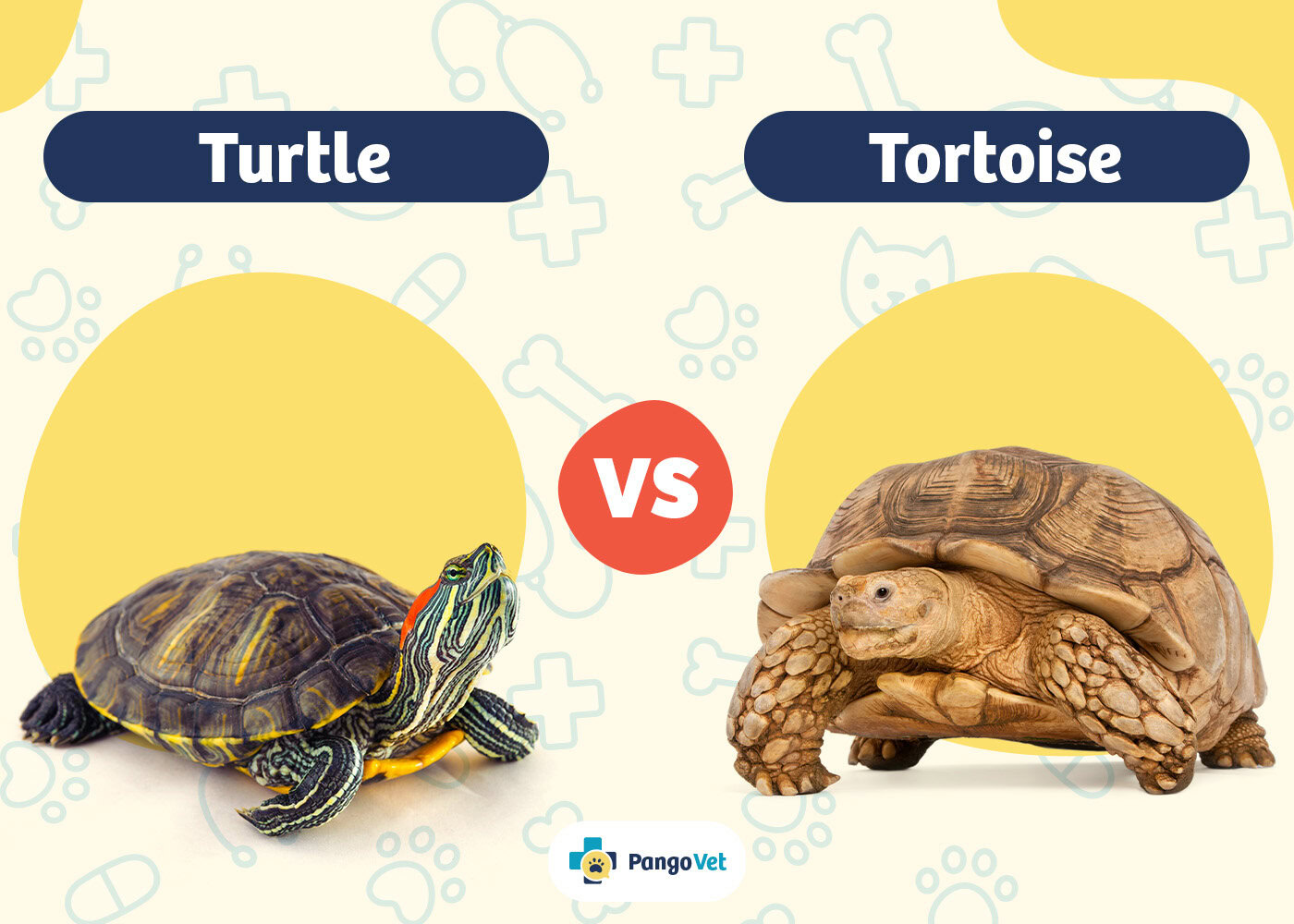
Image Gallery
Select an image to open it in a new tab.

Zara El-Hashem
Sociocultural Dynamics and Academics Writer
