Queen Elizabeth II’s Wedding Venue: A Deep Dive into Westminster Abbey’s Historic Legacy
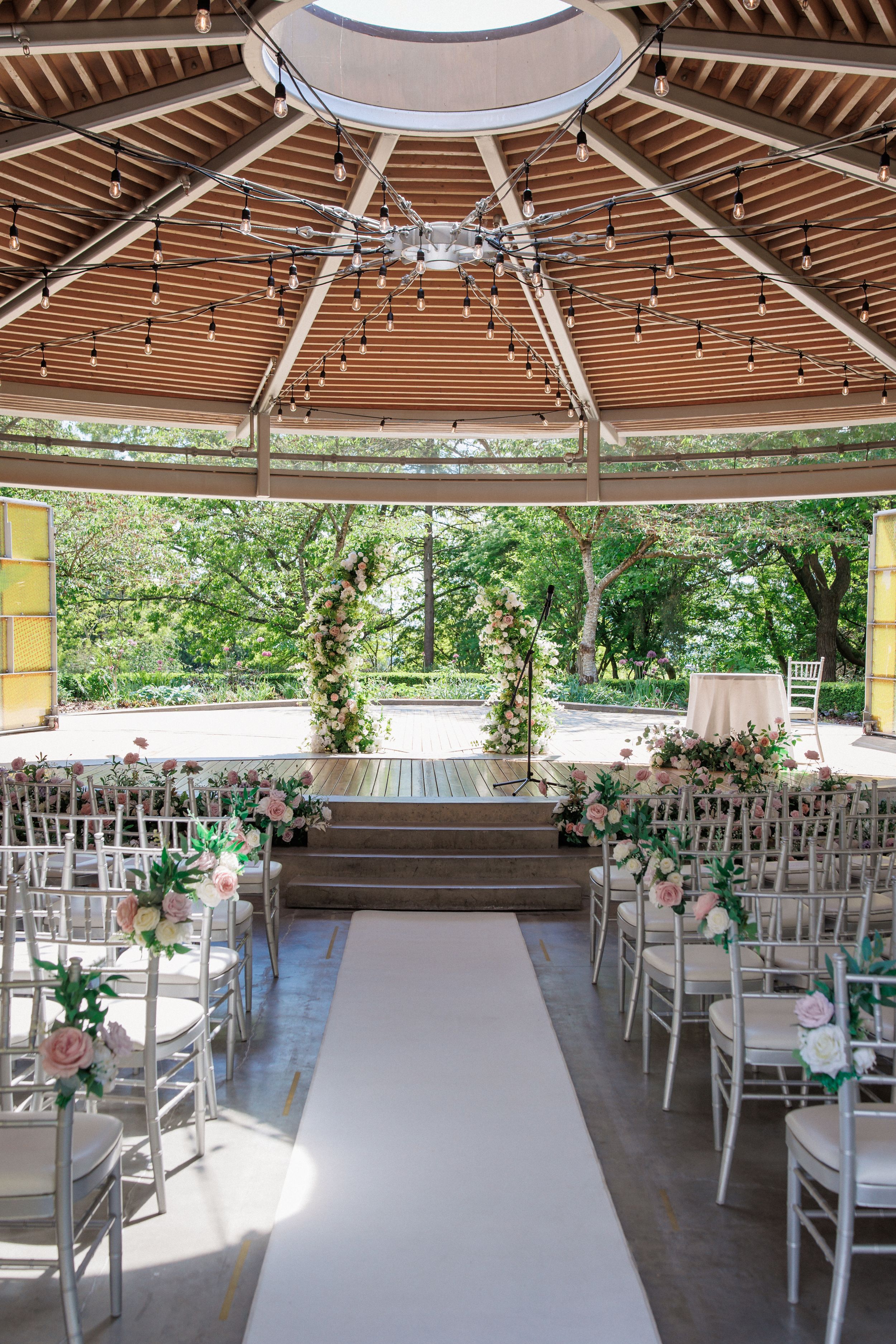
Queen Elizabeth II married Prince Philip, Duke of Edinburgh, at Westminster Abbey on November 20, 1947. This historic Gothic abbey in London has served as the traditional venue for royal weddings, coronations, and burials for nearly a millennium. Following the ceremony, the couple held their wedding breakfast at Buckingham Palace.
The Historic Selection: Why Westminster Abbey?
When the then-Princess Elizabeth and Lieutenant Philip Mountbatten announced their engagement in July 1947, the choice of venue was a matter of both tradition and national morale. Westminster Abbey was selected not merely for its size and grandeur, but because of its longstanding connection to the British Monarchy.
Since the coronation of William the Conqueror in 1066, the Abbey has been the coronation church of the nation. However, royal weddings at the Abbey were less common in the centuries preceding the 20th century, with many royals opting for private chapels like those at Windsor or St. James’s Palace. The trend toward large-scale public royal weddings at the Abbey was revitalized by Elizabeth’s parents, King George VI and Queen Elizabeth (the Queen Mother), who married there in 1923. By choosing the Abbey, Princess Elizabeth signaled a commitment to the public nature of the monarchy and offered the post-war British public a moment of much-needed pageantry.
In the context of 1947, Britain was still reeling from the aftermath of World War II. Building materials, food, and even clothing were strictly rationed. The Abbey provided a sense of permanence and continuity. As of 2026, looking back through nearly 80 years of history, the choice remains one of the most significant architectural associations in the life of the late Queen, bridging the gap between her role as a princess and her eventual seven-decade reign.
The Architecture and Layout of the Ceremony
Westminster Abbey is a masterpiece of Gothic architecture, characterized by its pointed arches, ribbed vaults, and flying buttresses. For the 1947 wedding, the layout of the Abbey was specifically arranged to accommodate 2,000 guests, including foreign royalty and heads of state.
The High Altar and the Cosmati Pavement
The ceremony took place at the High Altar, a sacred space rich in symbolism. The couple stood near the Cosmati Pavement, a 13th-century mosaic floor that is considered one of the most important medieval works of art in England. This intricate floor, made of thousands of pieces of stone, glass, and metal, depicts the universe and serves as the spot where monarchs are traditionally crowned. For the wedding, the placement of the couple in this specific area linked their union to the historical lineage of the British throne.
The Grave of the Unknown Warrior
One of the most poignant moments in any Westminster Abbey royal wedding occurs before the bride even reaches the altar. Located near the West Door, the Grave of the Unknown Warrior honors the unidentified fallen of World War I. Princess Elizabeth, following the tradition started by her mother, was the only person in the procession permitted to step around the grave rather than over it. This gesture of respect remains a standard protocol for royal brides visiting the venue today.
Seating and Internal Logistics
The "Great North Door" served as the entrance for many guests, while the royal family and the bride entered through the West Door. The Abbey’s cruciform (cross-shaped) floor plan allowed for the separation of the choir, the nave, and the transepts, ensuring that while the ceremony felt intimate at the altar, the vast scale of the building could house the massive guest list. The acoustics of the Abbey, characterized by a significant reverberation time, were a challenge for the early BBC radio broadcast, which reached an estimated 200 million people worldwide.
The 1947 Wedding: Austerity and Grandeur
The wedding of Princess Elizabeth was famously described by Winston Churchill as "a flash of color on the hard road we have to travel." This sentiment was deeply reflected in how the venue was used and decorated.
The Dress and the Venue's Scale
The scale of Westminster Abbey heavily influenced the design of Elizabeth’s wedding dress. Created by Norman Hartnell, the dress was made of ivory silk and decorated with 10,000 seed pearls. Crucially, Hartnell designed a 13-foot (4-meter) silk tulle train, specifically to ensure it would look impressive against the vast backdrop of the Abbey’s long nave. The intricate floral patterns on the train—inspired by Botticelli’s Primavera—symbolized rebirth and growth for the nation. Because of post-war rationing, the Princess had to use clothing coupons to pay for the material, a fact that remains a touchstone of her relatability to the public of that era.
The Floral Arrangements
The floral decorations within the Abbey were surprisingly modest compared to modern standards, reflecting the austerity of the time. White lilies, chrysanthemums, and carnations were used, along with sprigs of myrtle. The myrtle came from a bush grown from a sprig in Queen Victoria’s wedding bouquet, a tradition that continues in royal weddings at the venue to this day.
Comparing Westminster Abbey with Other Royal Venues
While Westminster Abbey is the premier venue for sovereign events, the British Royal Family utilizes several other locations for weddings. Understanding these differences provides context for why the 1947 ceremony was so distinct.
| Venue | Primary Use | Notable Wedding | Capacity | Vibe/Context |
|---|---|---|---|---|
| Westminster Abbey | Coronations & State Weddings | Elizabeth II & Prince Philip | ~2,000 | Grand, National, Historic |
| St. Paul's Cathedral | State Funerals & Major Events | Prince Charles & Lady Diana | ~3,500 | Baroque, Massive Scale |
| St. George's Chapel | Royal Family Private Events | Prince Harry & Meghan Markle | ~800 | Intimate, Gothic, Windsor Castle |
| Chapel Royal (St. James) | Private Royal Sacraments | Queen Victoria & Prince Albert | ~100 | Private, Historic, Red Brick |
Westminster Abbey remains the "Goldilocks" of royal venues: it is larger and more "national" than St. George’s Chapel, but more steeped in royal history than the larger St. Paul’s Cathedral.
The Reception: Buckingham Palace
While the religious ceremony was held at the Abbey, the social and political "venue" for the wedding was Buckingham Palace. The wedding breakfast was held in the Ball Dinner Room for a smaller group of approximately 150 guests.
The Wedding Cake
The reception venue featured a centerpiece that has become legendary: the official wedding cake. Standing 9 feet tall and weighing 500 pounds, the four-tier cake was created by McVitie and Price. It used ingredients sent from Girl Guides in Australia (as food was still rationed in the UK), leading to its nickname, "The 10,000-Mile Cake." One tier was kept for the christening of Prince Charles in 1948, showing how the venue and its events were planned with future generations in mind.
The Balcony Appearance
The "balcony moment" at Buckingham Palace is perhaps the most famous part of the post-venue celebrations. This tradition, where the newly married couple appears before the crowds on the Mall, serves as the final act of the wedding venue experience. In 1947, thousands of people crowded outside the Palace gates, and the couple made several appearances to satisfy the cheering masses.
Visiting the Venue in 2026
As of 2026, Westminster Abbey continues to operate as both a "Royal Peculiar" (a church under the direct jurisdiction of the monarch) and a major global tourist destination. For those wishing to visit the site of Queen Elizabeth II’s wedding, there are several key logistical considerations.
Hours and Access
The Abbey is generally open to visitors from Monday to Saturday. However, as a working church, it is closed to tourists on Sundays and during special religious services. Visitors are encouraged to check the official Westminster Abbey website for the most current 2026 schedule, as state events can cause sudden closures.
What to Look For
When visiting, the following locations within the Abbey are essential for anyone interested in the 1947 wedding:
- The West Door: Where the Princess arrived in the Irish State Coach.
- The Grave of the Unknown Warrior: Located in the center of the nave.
- The Quire and High Altar: The site of the exchange of vows.
- The Lady Chapel: Behind the High Altar, containing the tombs of Elizabeth I and Mary I, often visited by the royal party during the signing of the registers.
Tickets and Etiquette
In 2026, pre-booking tickets is highly recommended to avoid long queues. Photography is generally permitted in certain areas but prohibited during services. As the Abbey is a place of worship and a burial site for over 3,000 notable figures (including the late Queen’s ancestors), a respectful dress code and quiet demeanor are expected.
FAQs About Queen Elizabeth II’s Wedding Venue
Can the public get married at Westminster Abbey?
No, the public cannot simply book Westminster Abbey for a wedding. Marriage at the Abbey is generally reserved for the Royal Family, members of the Order of the Bath (and their children), and people who live within the Abbey’s "Precincts." Even for those eligible, permission must be granted by the Dean of Westminster.
Why wasn't the wedding at St. Paul’s Cathedral?
St. Paul's Cathedral is often used for national celebrations, but Westminster Abbey has a much deeper historical link to the monarchy's core functions, specifically coronations. Princess Elizabeth’s choice of the Abbey followed the precedent set by her parents and her aunt, Princess Mary, cementing the Abbey as the "home" of 20th and 21st-century royal weddings.
Where exactly did the couple stand during the ceremony?
They stood at the foot of the High Altar, in the area known as the Sacrarium. This is the same area where the Coronation Chair is placed for the crowning of a monarch. They were facing the altar, with the Archbishop of Canterbury, Geoffrey Fisher, officiating the service.
How did the venue handle the large crowd in 1947?
The Abbey's capacity of 2,000 was pushed to its limit. Outside, the Metropolitan Police managed massive crowds along the procession route from Buckingham Palace, down the Mall, through Whitehall, and into Parliament Square. The route was lined with military personnel to maintain order and provide a ceremonial escort for the Royal Consorts and the bride.
Is the wedding cake still on display at the venue?
No, the original wedding cake was eaten or distributed to various organizations and hospitals. However, the Royal Collection Trust often includes replicas or preserved items from the wedding, such as the cake knife or pieces of the lace from the dress, in special exhibitions at Buckingham Palace or the Queen’s Gallery.
Practical Recommendation for Visitors
If you are planning to visit Westminster Abbey in 2026 to experience the history of Queen Elizabeth II’s wedding, aim to arrive for the 9:30 AM opening. This allows you to walk the nave before the largest crowds arrive. To truly understand the "venue" in its entirety, consider booking a combined tour that includes the Queen’s Diamond Jubilee Galleries, located in the Abbey’s beautiful 13th-century triforium. From this elevated position, you can look down onto the nave and the High Altar, gaining the same perspective that photographers and broadcasters used to capture the historic 1947 ceremony. Additionally, always attend an Evensong service if you wish to hear the Abbey's choir, which provides a sensory link to the music performed during the royal wedding.
Image Gallery
Select an image to open it in a new tab.
Simon Caldwell
Enterprise Technology and Systems Editor
