Can Blue-Green Algae Kill You? Understanding the Risks, Symptoms, and Prevention
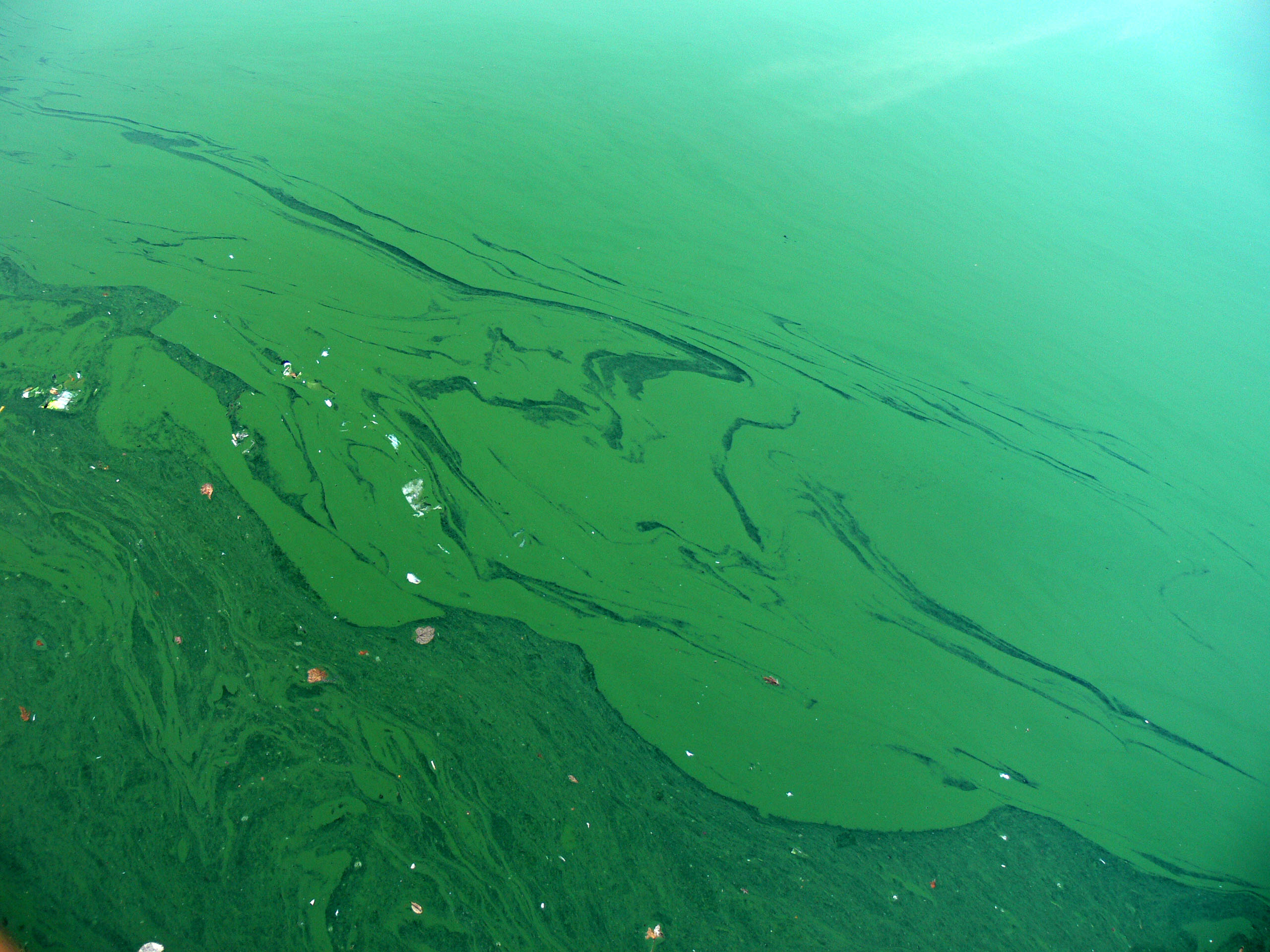
Yes, blue-green algae can be fatal to humans and animals, although human deaths are rare. The primary danger comes from cyanotoxins produced by cyanobacteria, which can cause acute liver failure, respiratory paralysis, or severe neurological damage. While most human exposures result in non-fatal illness, pets and livestock face a much higher risk of immediate death.
What is Blue-Green Algae?
Despite the common name, blue-green algae are not actually algae. They are cyanobacteria, a phylum of bacteria that obtain their energy through photosynthesis. They have existed for billions of years and are a natural part of aquatic ecosystems worldwide. However, under specific conditions—namely warm water, stagnant flow, and high concentrations of nutrients like nitrogen and phosphorus—they can multiply rapidly, creating what is known as a Harmful Algal Bloom (HAB).
In 2026, the frequency of these blooms has increased due to rising global temperatures and continued agricultural runoff. When these bacteria "bloom," they often form thick, scummy mats on the surface of lakes, ponds, and slow-moving rivers. The danger arises because many species of cyanobacteria produce potent intracellular toxins. These toxins are released into the water column when the bacterial cells die and rupture or when they are ingested and broken down by a digestive system.
The Mechanisms of Toxicity: How It Kills
To understand if blue-green algae can kill you, it is necessary to look at the specific types of toxins these organisms produce. Cyanotoxins are categorized based on the organs they target. The severity of the reaction depends on the concentration of the toxin, the route of exposure (ingestion, inhalation, or skin contact), and the health and size of the individual.
Hepatotoxins (Liver Toxins)
Hepatotoxins, such as microcystins and cylindrospermopsins, are the most frequently reported cyanotoxins in freshwater environments. They primarily attack the liver.
- Microcystins: These toxins inhibit protein phosphatases, leading to the collapse of the cellular structure within the liver. In severe cases, this causes massive internal bleeding into the liver, followed by rapid liver failure and death.
- Cylindrospermopsins: These are slower-acting but equally dangerous, as they inhibit protein synthesis and can damage the kidneys, thymus, and heart in addition to the liver.
Neurotoxins (Nervous System Toxins)
Neurotoxins are perhaps the most frightening because of how quickly they act. Anatoxin-a, famously referred to as "Very Fast Death Factor" (VFDF), mimics the neurotransmitter acetylcholine. It binds to nicotinic acetylcholine receptors, causing muscles to remain in a state of contraction. This leads to muscle tremors, seizures, and eventually death by respiratory paralysis because the diaphragm can no longer function to facilitate breathing.
Saxitoxins and Neosaxitoxins
These are also neurotoxins but work by blocking sodium channels in nerve cells. This prevents the transmission of nerve impulses, leading to numbness, paralysis, and respiratory failure. These are the same toxins responsible for paralytic shellfish poisoning in marine environments.

Human Exposure and Fatality Risks
For humans, the risk of death is relatively low compared to the risk of significant illness. This is largely because humans typically avoid drinking water that looks or smells like "pea soup" or "spilled green paint." However, the risk is not zero.
Routes of Exposure
- Ingestion: The most dangerous route. This occurs when someone accidentally swallows water while swimming or consumes contaminated drinking water from a private well or a municipal system that lacks advanced filtration.
- Inhalation: Toxins can become aerosolized by wind, waves, or water-skiing. Inhaling these droplets can lead to respiratory distress and may allow toxins to enter the bloodstream.
- Dermal Contact: Touching the algae can cause skin rashes, hives, and "swimmer’s itch." While not fatal, it indicates the presence of cells that could be ingested.
The BMAA Connection and Long-Term Risks
In recent years, research has intensified regarding BMAA (Beta-methylamino-L-alanine), a non-proteinogenic amino acid produced by many cyanobacteria. Some scientists hypothesize that long-term, chronic exposure to BMAA through inhalation or diet may be linked to neurodegenerative diseases such as ALS (Amyotrophic Lateral Sclerosis), Alzheimer’s, and Parkinson’s. While a single exposure is unlikely to be fatal in this context, the potential for long-term health degradation remains a significant concern for those living near chronically affected water bodies.
Why Dogs and Livestock are at Higher Risk
While human fatalities are rare, blue-green algae is a frequent killer of dogs, cattle, and horses. There are three primary reasons for this discrepancy:
- Behavior: Dogs are often attracted to the earthy, musty smell of algae. They may swim in mats of scum and then lick their fur clean, ingesting a massive, concentrated dose of toxins.
- Dosage: Because animals are often smaller than humans, the lethal dose (LD50) is much lower. A few ounces of highly concentrated water can be enough to kill a medium-sized dog within 15 to 60 minutes.
- Lack of Discernment: Livestock often have no choice but to drink from contaminated ponds in their pastures. If a bloom is blown toward the shore where animals drink, the concentration of toxins can be lethal.
If a pet shows signs of staggering, vomiting, or excessive drooling after being near water, it is a medical emergency. There is no "antidote" for most cyanotoxins; treatment is primarily supportive, such as using activated charcoal if the ingestion was very recent or providing respiratory support.
Identifying Harmful Algal Blooms
You cannot tell if a bloom is toxic just by looking at it; some toxic blooms look harmless, and some "scary" looking green algae (like duckweed or filamentous green algae) are completely non-toxic. However, certain visual characteristics should serve as a warning to stay out of the water.
- Pea Soup Appearance: The water looks thick and opaque green.
- Spilled Paint: Streaks of blue, green, or white on the surface that look like oil or latex paint.
- Floating Scum: Thick mats or "clotted" material floating on the surface or washed up on the shore.
- Odors: A strong, musty, earthy, or rotting smell often accompanies the decay of cyanobacteria.
The following table compares the most common cyanotoxins found in North American and European waters as of 2026.
| Toxin Type | Target Organ | Onset of Symptoms | Primary Symptoms |
|---|---|---|---|
| Microcystins | Liver | Hours to Days | Nausea, vomiting, diarrhea, jaundice, abdominal pain |
| Anatoxin-a | Nervous System | Minutes to Hours | Muscle tremors, gasping, seizures, paralysis |
| Cylindrospermopsin | Liver & Kidneys | Days | Increased thirst, frequent urination, malaise, vomiting |
| Saxitoxins | Nervous System | Minutes to Hours | Tingling lips/fingers, numbness, respiratory failure |
Protection and Water Treatment
Standard water treatment methods used by many private homeowners are often insufficient to neutralize cyanotoxins. If you rely on a private well or surface water intake near a bloom, you must be extremely cautious.
What Does NOT Work
- Boiling: Boiling water does not destroy cyanotoxins. In fact, it can make the water more dangerous by breaking the bacterial cells open and releasing all the toxins at once, while also concentrating them through evaporation.
- Simple Pitcher Filters: Most basic carbon filters are not designed to handle the high concentrations of toxins found during a bloom.
- Chlorination: While chlorine can kill the bacteria, it may not destroy the toxins quickly enough to make the water safe for immediate consumption.
What Does Work
- Activated Carbon (GAC/PAC): High-quality, professional-grade granular activated carbon can be effective at adsorbing many cyanotoxins.
- Reverse Osmosis (RO): This is one of the most effective ways to remove cyanotoxins from drinking water at the point of use.
- Ozonation and Advanced Oxidation: These are typically used by municipal water treatment plants to break down the molecular structure of the toxins.
For more information on water safety and municipal standards, the Environmental Protection Agency (EPA) provides updated guidelines on recreational water quality and drinking water thresholds.
Current Trends and Climate Impact in 2026
As of 2026, the management of HABs has moved toward satellite-based monitoring and early warning systems. Agencies like the National Oceanic and Atmospheric Administration (NOAA) now provide "algal forecasts" for major water bodies.
The increase in global temperatures has extended the "bloom season" into late autumn and early spring, whereas it was previously limited to the hottest summer months. Additionally, more frequent extreme weather events—such as heavy rain followed by drought—flush massive amounts of nutrients into lakes, creating a "perfect storm" for cyanobacteria growth. This makes it vital for the public to stay informed and recognize that a lake that was safe ten years ago may now pose a seasonal risk.
Frequently Asked Questions
Can you get sick from just touching blue-green algae?
Yes. Dermal exposure to cyanobacteria can cause skin irritation, rashes, blisters, and swelling. If the water gets into your eyes or ears, it can cause infections or inflammation. While skin contact is rarely fatal, it is a sign that the water is unsafe for swimming or any other contact.
Is it safe to eat fish caught in water with a bloom?
It is generally discouraged. Cyanotoxins can bioaccumulate in the tissues of fish, particularly in the liver, kidneys, and guts. If you choose to eat fish from affected waters, you should consume only the fillets (muscle meat) and avoid eating the internal organs or the skin. However, in the midst of a severe bloom, the safest course of action is to catch and release or avoid fishing in that area entirely.
How long do toxins stay in the water after the bloom disappears?
Toxins can persist in the water for several days to weeks after the visible bloom has dissipated. As the bacteria die off, they release their internal toxins into the surrounding water. Therefore, water that has recently cleared up may actually contain higher levels of dissolved toxins than when the bloom was visible.
Can blue-green algae affect air quality?
Yes. Research has shown that cyanotoxins can become aerosolized. People living on the shores of lakes with chronic blooms have reported respiratory issues. While the concentration in the air is usually not high enough to cause acute fatality, it can be a significant irritant for those with asthma or other underlying lung conditions.
What should I do if I suspect I've been poisoned?
If you have ingested water from a suspect source and experience vomiting, dizziness, or neurological symptoms, seek medical attention immediately. Inform the medical staff specifically about the potential exposure to blue-green algae, as the symptoms can mimic other illnesses like food poisoning or viral meningitis, leading to a delay in correct supportive care.
Practical Recommendations
To stay safe from the dangers of blue-green algae, follow these proactive steps:
- Look Before You Leap: Always inspect the water surface for scums or discoloration before swimming or letting pets enter.
- Heed Warnings: Respect all "No Swimming" or "Water Advisory" signs posted by local health departments.
- Rinse Off: If you or your pet accidentally come into contact with suspicious water, wash thoroughly with clean, fresh water and soap as soon as possible.
- Report Blooms: If you see a bloom in a public area, report it to your local Department of Environmental Quality or health department to help them issue timely warnings.
- Manage Runoff: If you live on a lakefront, reduce your use of fertilizers and maintain a natural buffer of plants at the water's edge to help filter out nutrients that feed blooms.
Image Gallery
Select an image to open it in a new tab.


Mateo Castillo
Decentralized Finance and E-Payments Strategist
