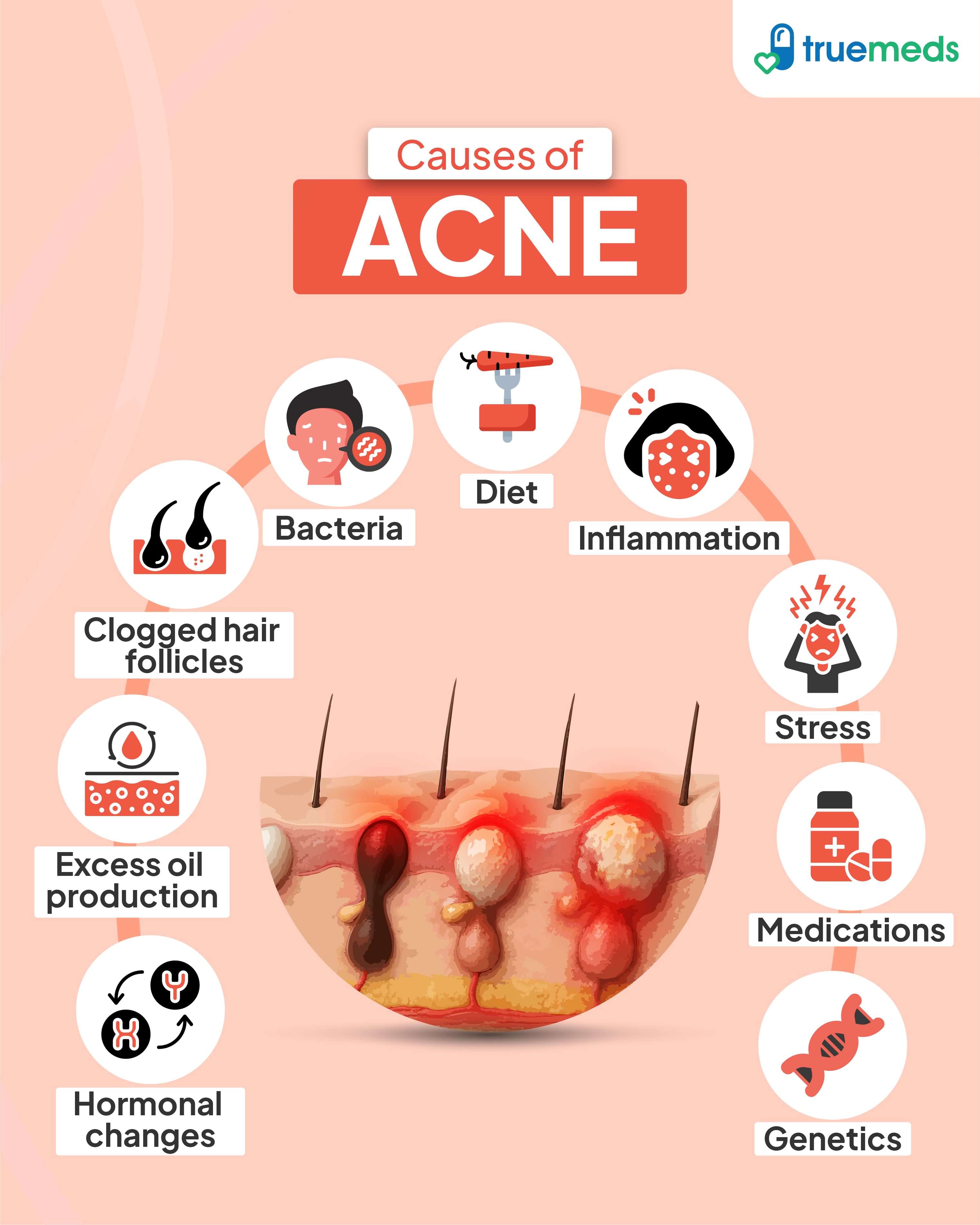
Horrible acne, often characterized by deep, painful nodules, cysts, and widespread inflammation, typically stems from a convergence of four biological factors: follicular hyperkeratinization, excess sebum production, Cutibacterium acnes bacterial proliferation, and an intense inflammatory immune response. Addressing this condition requires moving beyond superficial treatments to target the underlying hormonal and structural drivers within the skin.
The Biological Framework of Severe Acne
Acne vulgaris, particularly in its severe manifestations, is a chronic inflammatory disorder of the pilosebaceous unit. This unit consists of the hair follicle and the attached sebaceous (oil) gland. When functioning correctly, the sebaceous gland produces sebum that travels up the follicle to lubricate the skin surface. However, in individuals prone to severe acne, several pathological processes disrupt this cycle.
Follicular Hyperkeratinization
Hyperkeratinization occurs when skin cells lining the follicle do not shed normally. Instead of migrating to the surface, these dead cells clump together, creating a physical blockage. This "plug" serves as the foundation for both non-inflammatory lesions (comedones) and inflammatory lesions (papules and pustules).
Sebum Overproduction
Androgen hormones, particularly dihydrotestosterone (DHT), play a central role in stimulating the sebaceous glands. When these glands become hypersensitive to androgens, they enlarge and produce excessive sebum. The combination of stuck dead cells and thick, oily sebum creates an anaerobic environment—an oxygen-free zone that is the perfect breeding ground for specific bacteria.
Bacterial Colonization
Cutibacterium acnes (formerly Propionibacterium acnes) is a commensal bacterium that lives on healthy skin. In the oxygen-deprived, oil-rich environment of a clogged follicle, these bacteria proliferate rapidly. As they feed on the sebum, they produce byproduct fatty acids that further irritate the follicular wall.
The Inflammatory Response
The body perceives the rupture of the follicular wall—caused by the buildup of bacteria and pressure—as an injury. The immune system dispatches white blood cells to the site, leading to the redness, swelling, heat, and pain associated with cystic and nodular acne. In severe cases, this inflammatory response can penetrate deep into the dermis, often resulting in permanent scarring.
Contributing Triggers and Exacerbating Factors
While the four primary drivers are biological, secondary factors often exacerbate the condition. Understanding these triggers is essential for long-term management.
- Hormonal Fluctuations: Significant shifts in hormones—common during puberty, menstrual cycles, pregnancy, or in conditions like Polycystic Ovary Syndrome (PCOS)—directly influence sebum production.
- Dietary Influence: While evidence varies, high-glycemic index foods and dairy products have been clinically observed to trigger insulin spikes in some individuals. Increased insulin levels can lead to higher androgen activity and increased sebum production.
- Stress and Cortisol: Psychological stress does not "cause" acne, but it does trigger the release of cortisol and other stress hormones. These hormones stimulate the adrenal glands, which can increase androgen production, subsequently worsening acne flares.
- Environmental and Lifestyle Factors: Using comedogenic (pore-clogging) skincare or hair care products, frequent friction from hats or masks, and poor cleansing habits can worsen existing congestion.
Diagnostic Comparison of Acne Severity
Differentiating between mild, moderate, and severe acne is vital for determining the appropriate clinical approach. The following table provides a breakdown of common classifications.
| Acne Type | Primary Lesion Characteristics | Typical Clinical Recommendation |
|---|---|---|
| Mild | Open and closed comedones (blackheads/whiteheads) | Over-the-counter salicylic acid or benzoyl peroxide |
| Moderate | Numerous papules and pustules, some scarring | Topical retinoids, prescription antibiotics |
| Severe | Deep nodules, cysts, extensive inflammation | Systemic therapy (Isotretinoin), hormonal therapy |
| Very Severe | Conglobata or fulminans (extensive, systemic) | Urgent dermatological intervention, systemic steroids |
Treatment Paradigms and Medical Interventions
When acne reaches a "horrible" or severe state, over-the-counter solutions are rarely sufficient. The primary goal of medical intervention is to interrupt the inflammatory cycle and prevent the formation of permanent scars.
Topical Retinoids
Retinoids, such as adapalene, tretinoin, or tazarotene, are the cornerstone of acne management. They work by normalizing the skin cell turnover process, effectively "ungluing" the cells that cause clogs. By preventing the initial microcomedone from forming, they halt the acne process before it can reach the inflammatory stage.
Systemic Antibiotics
In cases of high inflammation, oral antibiotics (such as doxycycline or minocycline) may be prescribed to reduce the population of C. acnes and lower the overall inflammatory load. These are generally used as a "bridge" treatment, as long-term use is discouraged to prevent antibiotic resistance.
Isotretinoin
For recalcitrant, cystic, or scarring acne, isotretinoin is considered the gold-standard systemic treatment. It is a derivative of Vitamin A that targets all four known causes of acne: it shrinks the sebaceous glands, decreases oil production, prevents clogs, and reduces bacterial growth. Because of its side-effect profile, it requires strict medical supervision and, in some jurisdictions, participation in specific risk-management programs.
Hormonal Therapy
For patients whose acne is driven by hormonal imbalances (such as those with high androgen levels), oral contraceptives or anti-androgen medications like spironolactone can be highly effective. These treatments directly counteract the androgen signals that tell the sebaceous glands to overproduce oil.
The Role of Professional Dermatology
Attempting to "self-diagnose" severe acne often leads to the use of harsh, stripping products that can damage the skin barrier. A damaged barrier allows more bacteria to penetrate and increases inflammation.
If you are experiencing severe acne, a consultation with a board-certified dermatologist is the required next step. They will assess whether your acne is inflammatory or hormonal, and verify that no underlying metabolic or endocrine disorders are contributing to the breakouts.
Common Pitfalls in Acne Management
- Over-exfoliation: Scrubbing or using high-frequency chemical exfoliants on active cysts damages the moisture barrier. This does not remove the "infection" and instead causes more irritation.
- Delayed Treatment: Many patients wait for acne to "go away on its own." With severe, cystic acne, waiting increases the statistical likelihood of deep, pitted, or hypertrophic scarring, which is significantly harder to treat than the acne itself.
- Inconsistent Application: Acne treatments work by changing the behavior of the skin cells over time. Skipping doses or switching products every week prevents the skin from acclimating to the medication, leading to poor results.
- Picking and Popping: Manual extraction of cysts and nodules is rarely successful at home. It frequently forces bacteria deeper into the dermis, turning a localized bump into a widespread, painful infection.
Frequently Asked Questions
Does diet play a significant role in severe acne? While diet is rarely the sole cause, there is a strong link between high-glycemic foods and insulin spikes, which can exacerbate acne in sensitive individuals. A balanced diet focused on low-glycemic foods may help minimize insulin-related triggers.
Can I get rid of severe acne without prescription medication? Generally, no. Severe, scarring, or cystic acne is a medical condition that requires professional-grade intervention. While lifestyle changes and gentle skincare can support your skin's health, they are rarely enough to stop the biological processes involved in deep, inflammatory acne.
Why does my acne seem to get worse after starting treatment? This is known as the "purging" phase. As active ingredients like retinoids speed up cell turnover, they bring underlying, pre-existing microcomedones to the surface all at once. This usually lasts 4 to 8 weeks and is a sign that the medication is working.
Are there permanent cures for horrible acne? While there is no "cure" that prevents acne for every person forever, treatments like isotretinoin offer long-term remission for a significant majority of patients. Many individuals achieve clear skin that persists for years after completing a single course of therapy.
Is severe acne purely genetic? Genetics play a major role in the size and activity of your sebaceous glands and your skin's inflammatory response. If both parents had severe acne, you have a statistically higher likelihood of experiencing it, though lifestyle and environmental factors still play a significant role.
Next Steps and Recommendations
If you are suffering from severe acne, your priority should be minimizing the risk of permanent scarring. Do not attempt to manage deep cysts with home remedies or social media trends.
- Schedule an Appointment: Seek a consultation with a licensed dermatologist to discuss systemic options.
- Simplify your Routine: Use only a gentle, non-comedogenic cleanser and a basic, fragrance-free moisturizer until you see a professional.
- Document Symptoms: Keep a brief log of your cycle, stress levels, and dietary habits for one month. Presenting this data to your dermatologist will help them tailor a treatment plan specifically to your triggers.
- Prioritize Sun Protection: Many acne medications, particularly retinoids, make the skin highly sensitive to UV rays. Using a non-comedogenic, mineral-based sunscreen daily is mandatory to prevent hyperpigmentation, known as post-inflammatory erythema (PIE).

Image Gallery
Select an image to open it in a new tab.



Mateo Castillo
Decentralized Finance and E-Payments Strategist
