Why a Letter of Invitation to an Event Is Not a Passport: Understanding International Travel Requirements in 2026

A letter of invitation is a supporting document used to confirm the purpose of a visit, but it lacks the legal authority of a passport or a visa. It serves only as evidence for immigration officials that a host or organization is expecting you; it does not grant entry or prove your identity.
In the complex landscape of international travel in 2026, many travelers still conflate the documents they receive from event organizers with the official permits required for cross-border movement. This misunderstanding can lead to denied boarding at airports, deportation, or permanent bans from specific jurisdictions. To navigate global travel successfully, one must distinguish between identity documents, entry authorizations, and supporting evidence.
The Legal Distinction: Travel Documents vs. Supporting Evidence
The fundamental difference between a passport and a letter of invitation lies in who issues the document and what legal weight it carries under international law. A passport is a government-issued document that certifies the holder's identity and nationality for the purpose of international travel. It is a sovereign instrument. In contrast, an invitation letter is a private or corporate correspondence.
The Passport: Your Universal Identity
A passport is the only document recognized globally as proof of citizenship. In 2026, most nations have transitioned to high-security biometric passports that contain embedded chips with facial recognition data and fingerprints. Without this document, you cannot legally cross most international borders, regardless of how many "invitations" you possess. The passport establishes your right to return to your home country and provides a standardized format for foreign governments to track your entry and exit.
The Letter of Invitation: A "Why," Not a "How"
A letter of invitation is effectively a testimonial. It answers the question: "Why are you coming to this country?" For a business conference, a wedding, or a technical seminar, the letter provides context to the immigration officer. It details who is hosting you, where you will stay, and who is responsible for your expenses. However, it carries no legislative power. A host cannot "permit" you to enter a country; only the sovereign government of that country can do so.
Why People Confuse Invitation Letters with Travel Authorization
The confusion often stems from the visa application process itself. Many embassies and consulates require an invitation letter as a mandatory prerequisite for a visa. Because the letter is "required," travelers sometimes mistake it for the "result."
- The "Golden Ticket" Fallacy: Some travelers believe that if a prestigious organization—such as a United Nations agency, a major tech corporation, or a high-ranking university—invites them, that prestige overrides standard immigration law. This is never the case.
- Mistranslations and Cultural Differences: In some regions, the term "invitation" (or its linguistic equivalent) historically implied sponsorship that carried more legal weight. In the modern, digitized border systems of 2026, these informal guarantees have been replaced by strict electronic screening.
- Scams and Fraud: Unregulated travel agents often sell "invitation letters" under the guise that they are "travel permits." Travelers who are not well-versed in the requirements of the U.S. Department of State or the European Commission may fall victim to these claims.

The Role of an Invitation Letter in the Visa Process
While it is not a passport, the letter of invitation is a critical component of the "Evidence of Intent" category. When you apply for a B-1/B-2 visa in the United States or a Schengen Visa in Europe, the burden of proof is on the applicant to show they do not intend to immigrate illegally.
What a Valid 2026 Invitation Letter Must Include
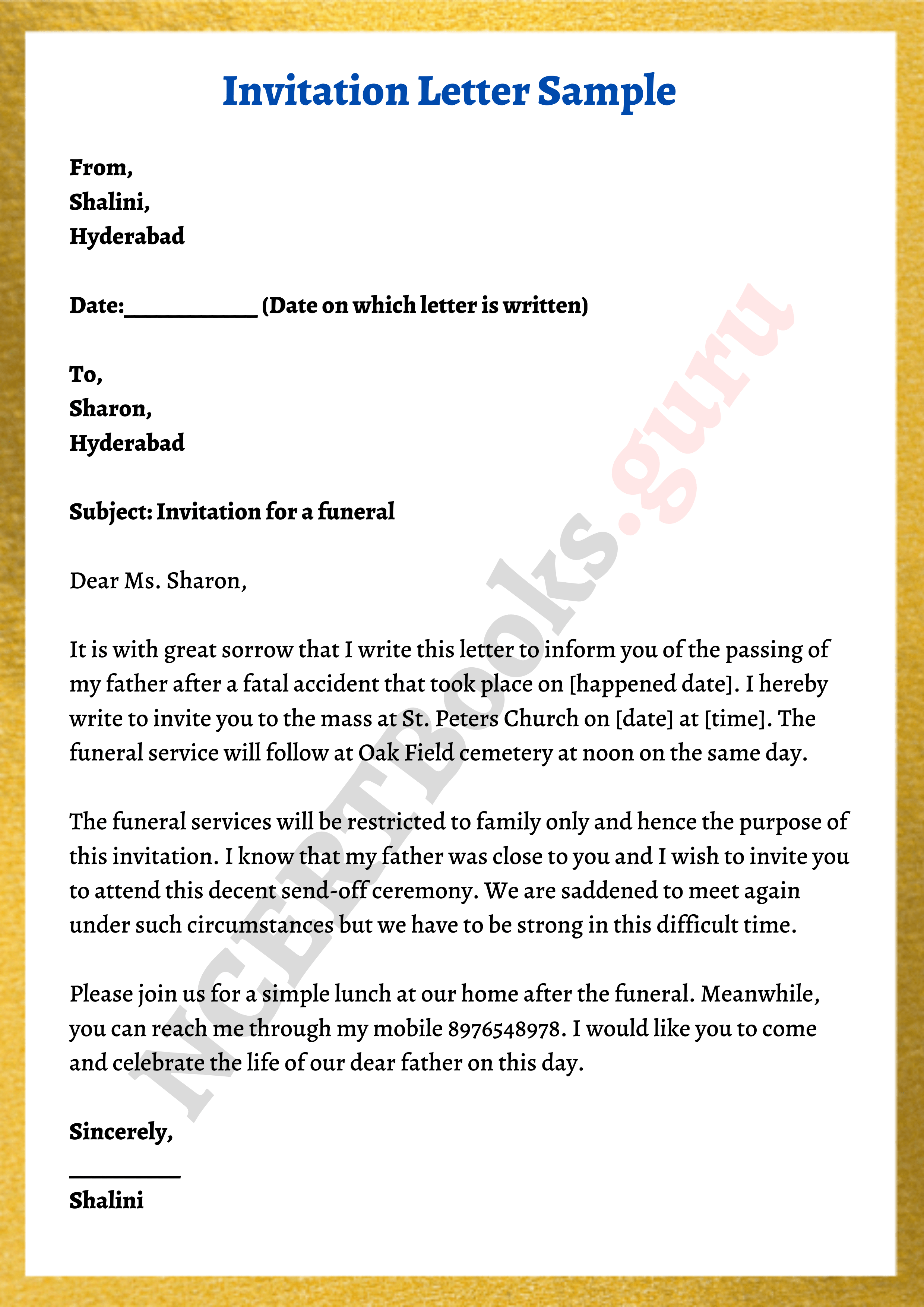
To be effective as supporting evidence, an invitation letter must be specific and verifiable. A vague letter is often viewed as a "red flag" by consular officers. A high-quality invitation includes:
- Host Identification: Full legal name, address, and contact information of the inviting party (individual or organization).
- Guest Details: Full name as it appears on the passport, date of birth, and passport number.
- Event Specifics: The dates of the event, the venue address, and a detailed itinerary.
- Financial Guarantees: Clarity on who is paying for airfare, lodging, and daily meals. If the host is paying, they may need to provide their own bank statements or a formal "Affidavit of Support."
- The "Binding" Element: In some countries, like Germany (Verpflichtungserklärung), the invitation is a formal legal contract where the host becomes financially liable for the guest.
The Mandatory Travel Documents You Need (Beyond the Invitation)
In 2026, the digital transformation of borders means that your invitation letter is just one piece of a digital puzzle. Even if you have a passport and an invitation, you likely need one of the following:
The Traditional Visa
For citizens of many countries, a physical or digital visa is required. This is an endorsement in your passport or a record in a database indicating that you have been pre-screened and allowed to enter for a specific period. The invitation letter helps you get the visa, but the visa is what allows you to board the plane.
ETIAS and Electronic Travel Authorizations (ETA)
By 2026, systems like the European Travel Information and Authorisation System (ETIAS) and the UK’s ETA are fully operational. These are not visas in the traditional sense, but they are mandatory pre-approvals for travelers from visa-exempt countries. Even if you are a "visa-free" traveler with a prestigious invitation letter, you cannot enter the Schengen Area or the UK without an active, approved electronic authorization linked to your passport.
Proof of Return and Financial Means
Border officers at the Port of Entry (the actual airport or land crossing) have the final authority. They may ask to see your return flight ticket and proof that you have enough money for your stay. An invitation letter stating "I will take care of them" is often insufficient without secondary proof, such as a credit card or cash.
Comparing Travel Documents: A Summary for 2026
The following table clarifies the distinct roles of various documents you may encounter when planning an international trip for an event.
| Document Type | Issued By | Primary Purpose | Is it Mandatory? | Can it replace a Passport? |
|---|---|---|---|---|
| Passport | National Government | Identification & Citizenship | Yes, Always | N/A |
| Visa | Foreign Embassy | Entry Permission | Often (Country-dependent) | No |
| Letter of Invitation | Event Host/Company | Proof of Purpose | Often (Visa-dependent) | No |
| ETA / ETIAS | Foreign Government | Security Pre-screening | For Visa-Exempt Travelers | No |
| National ID Card | National Government | Identification | Limited (e.g., EU/EEA only) | Only in specific regions |
Step-by-Step: How to Use an Invitation Correcty
To avoid travel disasters, follow this sequence when you receive an invitation to an international event:
- Verify the Host: Ensure the organization is legitimate. Immigration databases in 2026 often flag letters from "shell" companies or blacklisted entities.
- Check the Visa Waiver List: Visit the official immigration website of the destination country. Determine if your nationality requires a visa, an ETA, or if you can enter with just a passport.
- Apply Early: For events in major hubs like the US, UK, or EU, visa processing times can still exceed 60 days during peak seasons. The invitation letter should be dated within six months of the application.
- Print and Carry: Despite the digital age, border officers frequently request a physical copy of the invitation letter at the checkpoint. Keep a printed copy in your carry-on luggage, not just on your phone.
- Verify Matching Data: Ensure the dates on your invitation match the dates on your visa application and your flight itinerary. Discrepancies can lead to immediate suspicion of fraud.
Common Pitfalls and How to Avoid Them
The "Sponsorship" Misconception
Many travelers believe that if a host "sponsors" them via an invitation, the host is responsible for any legal issues. While a host may be financially responsible in some jurisdictions, the traveler is solely responsible for their legal status. If you overstay your visa, the invitation letter will not protect you from deportation.
Fraudulent "Official" Letters
There is a thriving black market for fake invitation letters to conferences that do not exist. Immigration officials use sophisticated AI tools in 2026 to cross-reference event venues with registered business activities. If you present a fake invitation, you risk a permanent "fraud" marker on your biometric profile, which can prevent you from traveling to most developed nations for a decade or more.
Assuming the Invitation is a "Guarantee"
The most dangerous mistake is assuming that because you have an invitation, you are "guaranteed" a visa. Consular officers deny thousands of applicants every day who have valid invitations but fail to demonstrate "strong ties" to their home country (such as a job, property, or family). The letter proves why you want to go; you must still prove why you will come back.
Jurisdictional Differences in 2026
The weight of an invitation letter varies significantly depending on where you are traveling:
- United States: The U.S. government emphasizes that an invitation letter is "not required" for a visitor visa, though it can be helpful. They prioritize the applicant's own financial and social standing over the host's promises.
- Schengen Area (Europe): Many EU countries have a standardized form (like the French Attestation d'accueil) that is much more formal than a simple letter. This form must be stamped by local city halls and is often mandatory.
- China: A formal "Invitation Letter (PU)" issued by provincial foreign affairs offices was a staple of the 2020s and remains a critical, strictly controlled document for business entry.
- United Kingdom: The UK Home Office focuses heavily on the "genuineness" of the relationship between the host and the guest.
FAQs
Can I travel with just an invitation letter and no visa?
No, unless you are a citizen of a country that has a visa-waiver agreement with your destination. An invitation letter is never a substitute for legal entry authorization. You must check the specific entry requirements for your nationality via official sources like the UK Home Office or relevant ministries.
Does an invitation letter help if I have been previously deported?
While an invitation letter provides a reason for a new visit, it does not erase a criminal or immigration record. If you have been deported, you will likely need a special waiver or "permission to reapply" in addition to your passport and visa, regardless of who is inviting you.
Can an invitation letter be written by a friend, or must it be an organization?
Both are acceptable, but they serve different visa categories. A letter from a friend supports a "Visitor" or "Tourist" visa, whereas a letter from an organization supports a "Business" or "Professional" visa. The requirements for proof of relationship are stricter for personal invitations.
My invitation letter says I have "diplomatic status" for the event. Is that enough?
No. Diplomatic status is conferred by governments and international treaties, not by event organizers. Unless you hold a Diplomatic Passport and your government has officially notified the host government of your mission, you are traveling as a regular citizen and must follow standard passport and visa rules.
What if my invitation letter has a typo in my passport number?
You should request a corrected letter immediately. Discrepancies between your passport and your supporting documents are one of the most common reasons for visa delays or secondary inspection at the border. In the automated systems of 2026, even a single digit error can cause a system mismatch.
Practical Recommendation for Travelers
If you are planning to attend an international event in 2026, treat the invitation letter as a secondary tool, not a primary key. Your first priority should be ensuring your passport has at least six months of validity remaining and at least two blank pages. Once your passport is in order, research the specific visa or ETA requirements for your destination.
Never book non-refundable travel until you have confirmed whether your invitation letter is sufficient for a visa application or if you need additional government-certified documents. Always use official government websites (.gov, .go, or .eu) to verify requirements, as third-party blogs often provide outdated or simplified information that can lead to costly errors at the border.
Image Gallery
Select an image to open it in a new tab.

Omar Farooq
EdTech Innovation and Virtual Pedagogy Journalist
