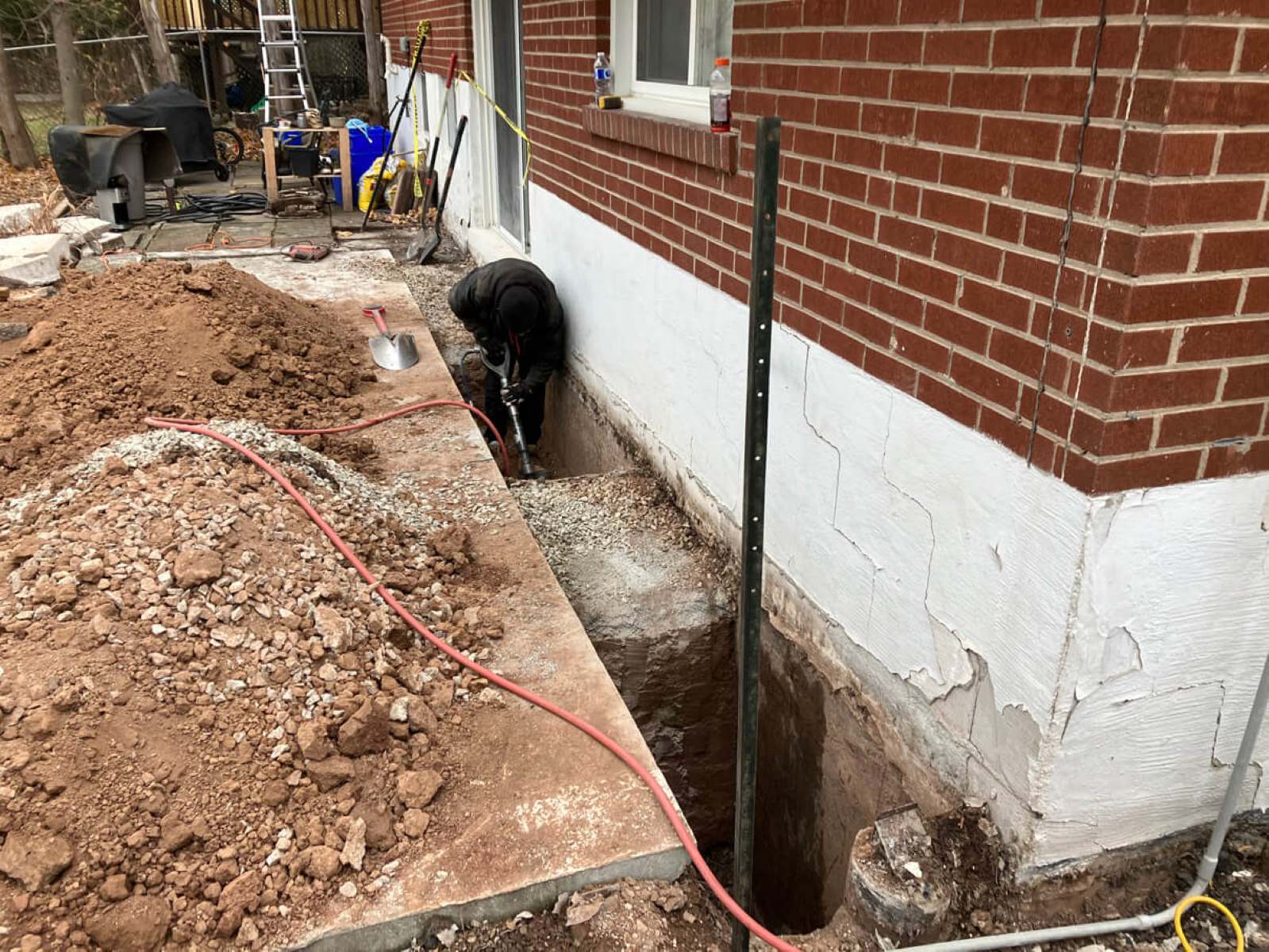
Repairing the foundation of an older home requires a nuanced approach that accounts for original construction methods, historical soil settlement, and evolving engineering standards. Whether dealing with shifting masonry, subterranean moisture issues, or the degradation of legacy materials, understanding the root cause is the critical first step toward implementing a stable, code-compliant, and durable structural solution.
Recognizing Foundation Issues in Period Homes
Older homes—often defined as those built prior to 1960—frequently utilize different construction techniques than modern builds. Foundations might consist of fieldstone, brick, or unreinforced concrete, materials that possess different load-bearing characteristics and vulnerabilities compared to contemporary poured-in-place reinforced concrete.
Homeowners should monitor for consistent signs of distress. While minor hairline cracks are common in almost all residential structures due to thermal expansion and contraction, specific symptoms indicate more systemic issues. These include horizontal cracks in basement walls, which suggest high lateral pressure from saturated soil; "stair-step" cracking in masonry, indicating differential settlement; and the separation of door frames or window sills from the surrounding wall structure.
Common Causes of Foundation Failure
Foundation degradation is rarely caused by a single event; instead, it is usually the result of cumulative environmental stressors.
Soil Hydrology and Consolidation
The most frequent culprit in foundation distress is soil moisture content. Soil types (clay, silt, sand, or rock) react differently to rain and drought. Expansive clay soils, for example, swell significantly when saturated and shrink when dry. This constant "heaving" exerts enormous mechanical pressure on foundation walls and disrupts the equilibrium of the home’s footing. Over decades, this process causes the foundation to settle unevenly, leading to structural fatigue.
Deterioration of Legacy Materials
Foundations built before the mid-20th century often suffer from material fatigue. Lime mortar, once standard for stone and brick foundations, is permeable and eventually erodes over time. Once the mortar breaks down, water infiltration accelerates, leading to the freeze-thaw cycles that can push stones out of alignment or cause brick faces to spall. Even early concrete, which may lack modern plasticizers or adequate steel reinforcement, can lose structural integrity due to carbonation—a chemical process where calcium hydroxide in the concrete reacts with atmospheric carbon dioxide, lowering the pH and leading to the corrosion of any embedded metal.
External Site Alterations
Changes to the surrounding topography can inadvertently jeopardize a foundation. The addition of downspouts that discharge too close to the home, the removal of large trees whose roots were stabilizing the soil, or the installation of hardscaping like patios and driveways that redirect surface runoff can change the localized moisture profile, forcing the home to adjust to new geotechnical conditions.
Diagnostic Approaches and Expert Verification
Before engaging in any repair, a professional structural assessment is mandatory. Relying on a general contractor to diagnose a foundation is often insufficient, as foundation repair involves specialized knowledge of soil mechanics and structural engineering.
- Geotechnical Investigation: A geotechnical engineer can determine the soil’s bearing capacity and identify if high water tables or soil instability are the primary drivers of the problem.
- Structural Evaluation: A structural engineer will inspect the home to differentiate between cosmetic settlement—which is common in homes over 50 years old—and active structural failure that requires intervention.
- Leveling and Measurement: Professionals use laser transits or high-accuracy water levels to map the slope of the home. This data confirms the rate of movement and identifies which portions of the foundation have "sunk" beyond acceptable tolerances.
Strategic Solutions for Older Foundations
Once a diagnosis is confirmed, the repair strategy must be chosen based on the specific type of foundation and the goal of the repair (e.g., stabilizing versus leveling).
Underpinning
Underpinning is a process of extending a foundation to a more stable soil stratum. For older homes, this often involves installing helical piers—steel shafts driven into the ground until they hit load-bearing rock or dense soil. The foundation is then lifted and braced against these piers. This is the gold standard for correcting severe differential settlement.
Wall Bracing and Reinforcement
If foundation walls are bowing inward due to hydrostatic pressure, simply patching the cracks is inadequate. Carbon fiber straps are frequently used to stabilize vertical cracks and prevent further movement in concrete block foundations. For severe cases, steel H-beams may be anchored to the floor joists and the footer to provide a rigid internal skeleton that resists further soil pressure.
Drainage Remediation
Often, the most effective repair is not to the foundation itself but to the environment surrounding it. Improving the perimeter drainage—installing a French drain system at the footing level—can manage groundwater effectively. By installing a sump pump system and ensuring that exterior grade slopes at least six inches over the first ten feet away from the home, homeowners can mitigate the moisture-related forces that caused the issue initially.
Comparative Analysis of Repair Methods
| Method | Best Used For | Primary Advantage | Typical Limitation |
|---|---|---|---|
| Helical Piers | Differential Settlement | Permanent structural support | High initial cost |
| Carbon Fiber Straps | Bowing walls | Non-invasive installation | Does not fix "pushed-in" walls |
| French Drains | Excess hydrostatic pressure | Addresses the root cause | Requires extensive excavation |
| Mortar Pointing | Eroded stone/brick joints | Maintains original aesthetic | Superficial/non-structural |
Managing Costs and Expectations
Foundation repair is a high-stakes investment. As of 2026, costs vary wildly based on geographic location, local labor rates, and the accessibility of the work site. Homeowners should anticipate a thorough site assessment fee, followed by a project estimate that includes engineering permits.
It is vital to obtain multiple bids, but comparing these bids requires caution. Ensure that all contractors are providing a scope of work based on a licensed engineer's design. If one bid is significantly cheaper than others, verify if they are using different materials or omitting crucial steps like proper site drainage. A repair that fixes a crack but ignores the underlying drainage issue will almost certainly fail again within a few years.
Maintenance After Repair
Foundation repairs are not always "set it and forget it" solutions. After the work is completed, homeowners should maintain a consistent moisture profile around the home. Keep gutters clean to prevent overflow near the foundation, and adjust sprinkler systems to avoid spraying water directly against the house. In 2026, many specialized foundation companies offer long-term warranties; ensure that these warranties are transferable if you plan to sell the home, as they can be a significant selling point in a real estate transaction.
Frequently Asked Questions
Does a cracked foundation always mean the house is falling down? No. Most older homes experience some degree of settlement over their lifespan. A "cracked" foundation is often stable if the movement has stopped. You should be concerned if cracks are widening, if they are greater than 1/4 inch in width, or if they appear in a diagonal or "stair-step" pattern, which suggests active, ongoing movement.
Can I fix a foundation wall by just filling the cracks with epoxy? Epoxy or polyurethane injections are excellent for sealing water leaks in poured concrete, but they do not provide structural strength. If the wall is bowing or the cracks are caused by soil pressure, simply sealing the crack will not stop the wall from continuing to move.
Is it normal for a basement to be slightly damp in an older home? While many homeowners accept basement dampness as a normal trait of older homes, it is actually a sign of poor water management. Persistent dampness can lead to mold and the degradation of structural materials like wood floor joists. Installing a proper drainage system is usually the solution.
Should I hire an engineer or a foundation repair company first? Always start with an independent structural engineer. A repair company is in the business of selling a specific solution. An engineer provides an unbiased report detailing exactly what is wrong, which allows you to hold the repair contractor accountable to an objective standard.
What is the most cost-effective way to prevent foundation failure? The most effective and inexpensive preventive measure is diligent surface water management. Ensuring that downspouts extend at least 5-10 feet away from the home and maintaining a positive slope in the soil around the perimeter of the house prevents the saturation of the soil adjacent to the foundation walls.
Next Actions for Homeowners
If you suspect foundation issues, your immediate next step is to document the current state of the cracks. Take clear photos with a reference object, such as a ruler, placed next to the crack. Monitor these for changes over the next three to six months. If the cracks appear to be changing or if you notice doors sticking in their frames, contact a local structural engineer to perform a site assessment. Do not attempt "quick fixes" like filling cracks with hydraulic cement until a professional has confirmed that the underlying structural integrity is not compromised.
Image Gallery
Select an image to open it in a new tab.
Declan O'Connor
Higher Education and Campus Culture Reporter
