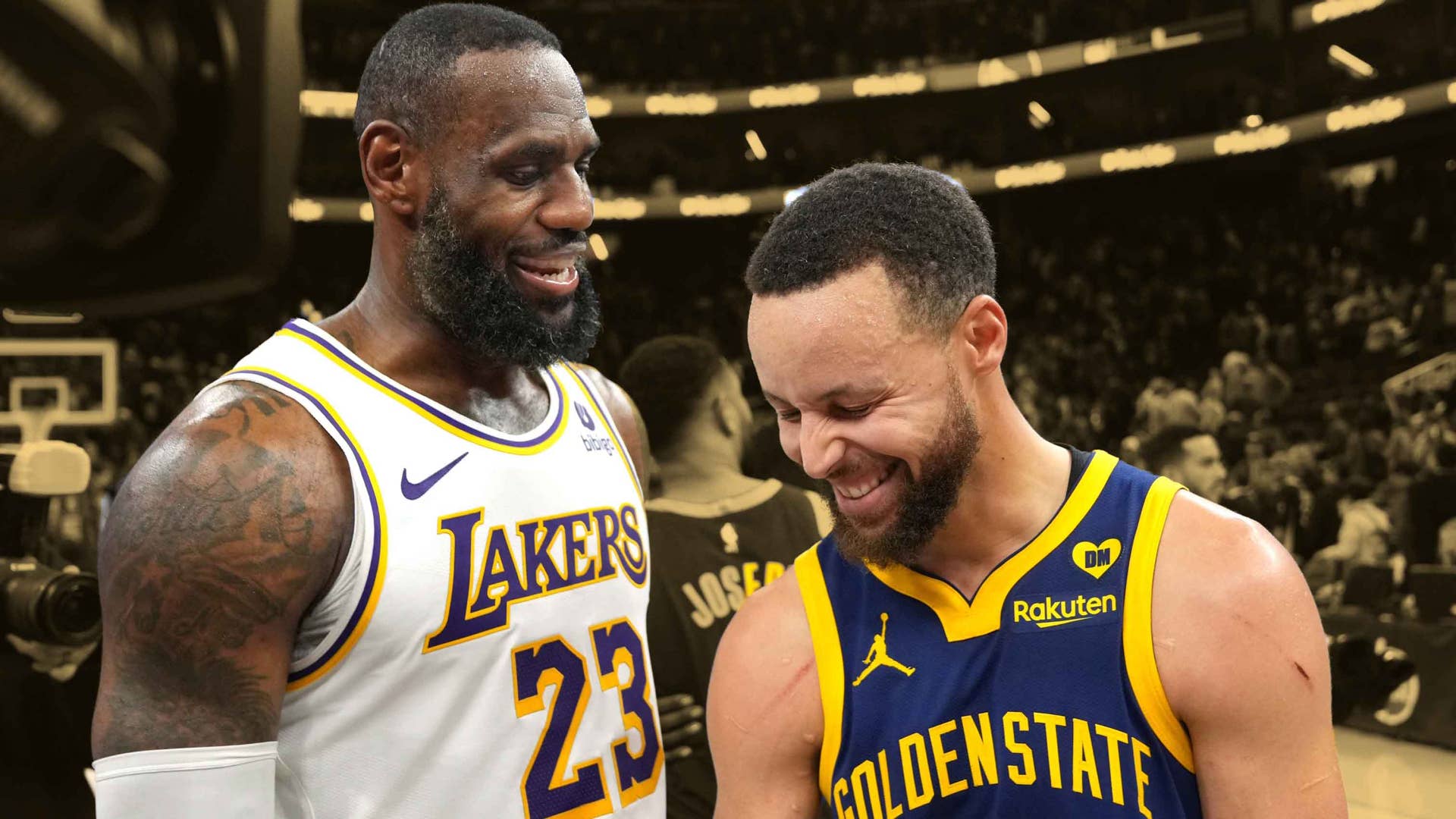
The 2007 NBA Finals served as the definitive turning point in LeBron James’ career, transitioning him from a high-ceiling prodigy to a scrutinized superstar. By exposing the limitations of a "solo carry" approach against the San Antonio Spurs’ disciplined system, the series fundamentally altered how the media and fans valued individual greatness versus team construction, ultimately catalyzing the "superteam" era and the modern "player empowerment" movement.
The Genesis of a Narrative: From "The Chosen One" to the Finals
In June 2007, the NBA landscape was dominated by a singular storyline: the arrival of LeBron James on the world’s biggest stage. Just four years after being drafted directly from high school, the 22-year-old James had carried a Cleveland Cavaliers roster—often criticized for its lack of secondary playmaking—to the Finals. The catalyst for this run was his legendary Game 5 performance in the Eastern Conference Finals against the Detroit Pistons, where he scored 29 of Cleveland's final 30 points.
That performance created an aura of invincibility. The narrative heading into the 2007 Finals against the San Antonio Spurs was that James might be capable of a Michael Jordan-esque feat of will, overcoming a superior team through sheer individual dominance. However, the four-game sweep that followed did more than just hand the Spurs another championship; it shattered the illusion that one player, regardless of talent, could dismantle a Hall of Fame-caliber system without an elite supporting cast.
The San Antonio Blueprint: Solving the "LeBron Problem"
The 2007 Finals are often remembered for LeBron James’ statistical struggles, but a technical analysis of the series reveals a masterpiece of defensive coaching by Gregg Popovich. The Spurs recognized that at 22, James had a significant tactical weakness: his perimeter jump shot was inconsistent, and he relied heavily on his physical tools to finish at the rim.
The "Sagging" Defense and the Wall
The Spurs employed a strategy that would become the blueprint for defending James for the next half-decade. Bruce Bowen, one of the premier perimeter defenders in NBA history, was tasked with "containing" James, but he was never alone. Every time James began a drive, the Spurs’ big men—Tim Duncan and Fabricio Oberto—would sag deep into the paint, essentially forming a human wall.
By daring James to shoot from 20 feet out and clogging the passing lanes to his teammates, the Spurs neutralized his greatest weapon: the drive-and-kick. The Cavaliers' secondary options, including Larry Hughes (who was playing through injury), Daniel "Boobie" Gibson, and Zydrunas Ilgauskas, were unable to punish the Spurs for this gamble.
The Impact on Efficiency
The statistical dip was staggering. During the 2006-07 regular season, James averaged 27.3 points on 47.6% shooting. In the 2007 Finals, those numbers plummeted to 22.0 points on 35.6% shooting. This discrepancy gave birth to the first major critical narrative of James’ career: that he could be "solved" or "shrunk" in the biggest moments. While later years would prove this a temporary hurdle, the 2007 Finals established the "mental toughness" and "closing" critiques that would dog him until his first championship in 2012.
The Roster Disparity: Redefining "The Help"
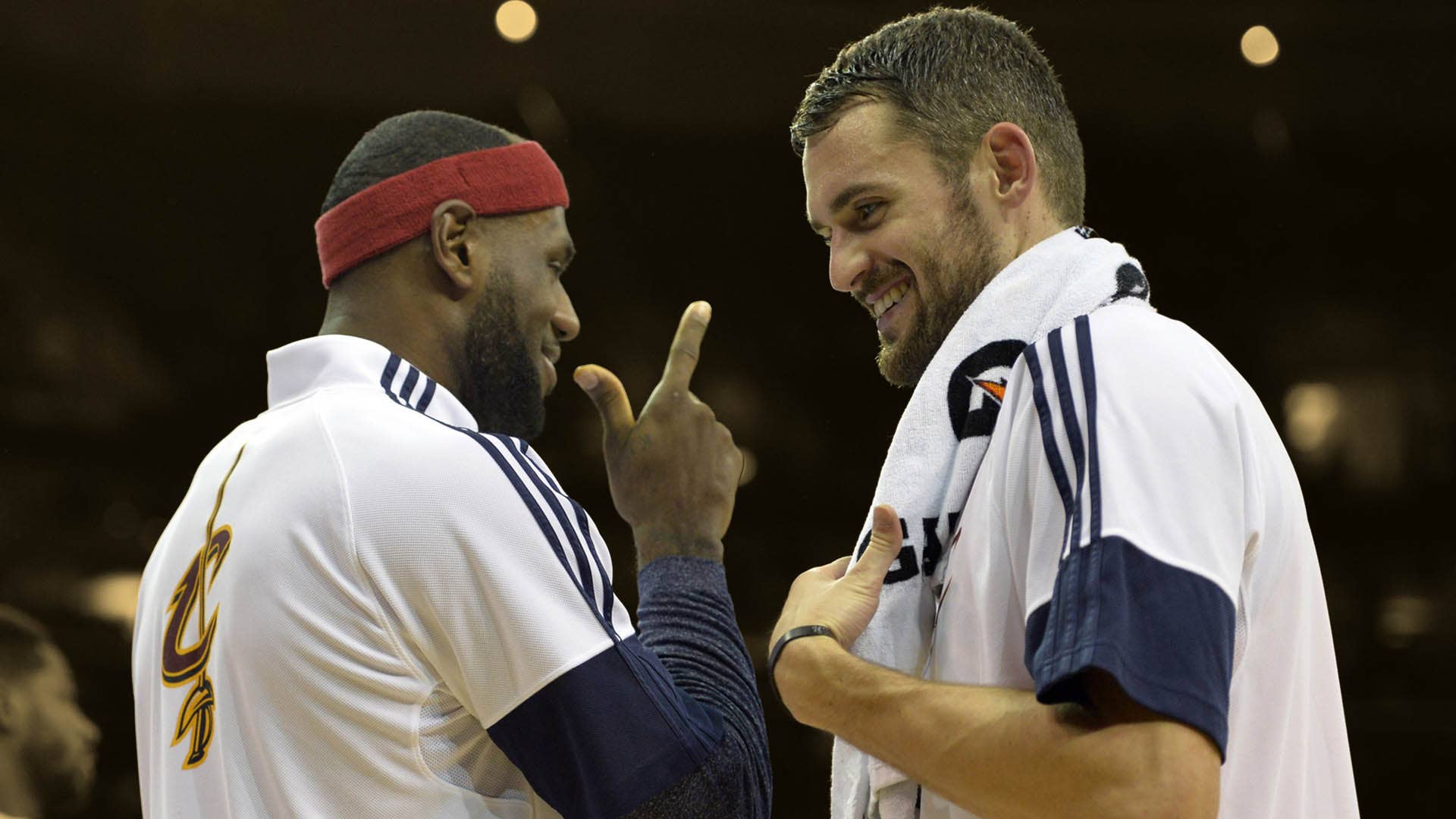
One of the most enduring legacies of the 2007 Finals is the retrospective look at the Cleveland Cavaliers’ roster. As of 2026, NBA historians often cite the '07 Cavs as one of the weakest supporting casts to ever reach the Finals. This realization shifted the NBA narrative from individual blame to organizational accountability.
| Player | Role in 2007 Finals | Career Significance/Impact |
|---|---|---|
| LeBron James | Primary Creator | Proved he could carry a team to the Finals but not win it alone. |
| Zydrunas Ilgauskas | Starting Center | A solid All-Star, but lacked the mobility to counter Spurs' pick-and-roll. |
| Drew Gooden | Starting Power Forward | Efficient rebounder, but struggled with defensive rotations against Duncan. |
| Larry Hughes | Starting Guard | Played through a significant hand injury; shot only 10% from the field in the series. |
| Daniel Gibson | Rookie Reserve | Provided floor spacing but was overwhelmed by Tony Parker's speed. |
The gap between Cleveland's second-best player and the Spurs' "Big Three" (Tim Duncan, Tony Parker, and Manu Ginobili) was a chasm. This disparity forced the basketball world to reconsider the "Jordan vs. Everyone" archetype. Whereas Jordan had Scottie Pippen and a structured triangle offense, James was seen as a lone wolf. This realization eventually birthed the "Player Empowerment" era, as James concluded that he could no longer wait for his front office to stumble into a championship-caliber roster.
The Duncan Prophecy and the Changing of the Guard
After the Game 4 victory that sealed the sweep, Tim Duncan shared a moment with LeBron James in the hallway. He famously told him, "This is going to be your league in a little while. But I appreciate you giving it to us this year."
This moment was more than just a passing of the torch; it was a validation of James' status. Despite the sweep, the NBA's premier dynasty recognized James as the inevitable successor to the throne. This interaction softened the blow of the loss in the eyes of the public, framing the 2007 Finals not as a failure, but as a necessary "rite of passage." It cemented the idea that a superstar must suffer a crushing defeat before they can understand the requirements of a championship.
How 2007 Fueled "The Decision" in 2010
The frustration born in the 2007 Finals simmered for three more seasons. Despite winning two MVP awards in 2009 and 2010, the Cavaliers were unable to return to the Finals, losing to the Orlando Magic and the Boston Celtics. The 2007 series served as a permanent reminder to James that his "peak" years were being spent on a treadmill.
When LeBron James made "The Decision" to join the Miami Heat in 2010, the 2007 Finals were the primary justification. He sought to replicate the Spurs' structure—multiple Hall of Famers, an elite system, and shared responsibility. The narrative shifted from "LeBron must do everything" to "LeBron is building a dynasty." This pivot fundamentally changed how superstars approached free agency, leading to the formation of other superteams like the 2017 Warriors and the various iterations of the Brooklyn Nets.
Longitudinal Impact on the GOAT Debate
By 2026, the 2007 Finals are viewed with a nuanced lens in the "Greatest of All Time" (GOAT) debate. Supporters of LeBron James point to the series as a badge of honor—a testament to his ability to elevate a mediocre roster to the sport's highest stage at a younger age than Michael Jordan or Kareem Abdul-Jabbar.
Conversely, critics use the 2007 sweep as evidence of James' vulnerability, noting that Jordan never lost a Finals series, let alone been swept. However, the "strength of opponent" metric has become more prominent in modern sports analytics. The 2007 Spurs are now recognized as one of the most efficient defensive units of the 21st century, and the sweep is often viewed more as a failure of the Cleveland front office than a failure of the player.
The Tactical Evolution of James Post-2007
LeBron James’ response to the 2007 Finals is perhaps the greatest testament to his longevity. Recognizing that the Spurs had exposed his jump shot and his lack of a post-game, James embarked on a decade-long journey to diversify his skill set.
- Developing the Perimeter Game: By the time he reached the Heat, James had transformed his jumper into a weapon, making the "sagging" defense impossible to execute.
- Post-Efficiency: He spent summers working with Hakeem Olajuwon to develop a "power post" game, ensuring that if a team tried to put a smaller defender (like Bruce Bowen) on him, he could punish them near the basket.
- Strategic Passing: He mastered the ability to manipulate the "wall" defense, using his gravity to create open looks for teammates before the defense could recover.
This evolution meant that by the time he faced the Spurs again in 2013 and 2014, he was a completely different player. The 2007 defeat was the "biological catalyst" for the most complete basketball player the league had ever seen.
Common Questions Regarding the 2007 Finals Narrative
Was LeBron James really "bad" in the 2007 Finals?
Statistically, yes, it was his least efficient series. He shot under 36% from the field and averaged nearly six turnovers per game. However, these struggles were a direct result of being the only viable scoring threat on his team. The Spurs were able to dedicate three defenders to him on every possession because the Cavaliers' other players were not threats to score or create.
How did the 2007 Finals change NBA TV ratings and media coverage?
The 2007 Finals actually had some of the lowest TV ratings in NBA history at the time, primarily because the games were defensive grinds and the result felt inevitable. This led the NBA to focus more on "star-driven" marketing and offensive rule changes (such as the freedom of movement rules) to ensure that a single superstar could not be completely neutralized by a "pack the paint" defense again.
Who was the 2007 Finals MVP, and why wasn't it Tim Duncan?
Tony Parker won the 2007 Finals MVP. He averaged 24.5 points on 56.8% shooting. Parker’s performance shifted the narrative of the Spurs from being "Duncan’s team" to a "Big Three" dynamic. This reinforced the idea to LeBron James that he needed an elite, scoring-minded guard by his side—which he eventually found in Dwyane Wade and later Kyrie Irving.
Did the 2007 sweep impact the "Jordan vs. LeBron" debate permanently?
It established the "Finals Record" as a primary talking point. Because James fell to 0-1 in the Finals early, the "perfection" of Jordan's 6-0 record became the gold standard. However, as the era of advanced analytics took hold by 2026, the 2007 Finals are also used to show how much more James had to overcome in terms of roster disparity compared to Jordan’s Bulls teams of the 1990s.
What happened to the Cleveland Cavaliers immediately after 2007?
The team doubled down on a "defense-first" identity, trading for veterans like Ben Wallace and Shaquille O'Neal in subsequent years. However, they failed to find a true secondary superstar. This lack of adjustment to the "offensive explosion" occurring elsewhere in the league eventually led to James’ departure in 2010.
Final Perspective: The Value of the 2007 Lesson
The 2007 NBA Finals should be viewed not as a failure, but as the most important educational moment in modern NBA history. It taught LeBron James that talent is a prerequisite, but the system is the decider. It taught the NBA that fans wanted to see stars empowered, not stifled by "clogged paint" defenses. Most importantly, it reshaped the narrative of the "superstar" from a lone hero to a strategic architect of his own destiny.
For those analyzing LeBron's legacy in 2026, the 2007 Finals represent the "Year Zero" of the modern era. Every move James made afterward—the championships in Miami, the homecoming in Cleveland, and the move to Los Angeles—was a direct response to the technical and organizational lessons learned during that four-game sweep in June 2007.
Image Gallery
Select an image to open it in a new tab.


Ingrid Bjornson
Global Cyber Policy and Regulation Analyst
