Kevin Feige: The Career, Strategy, and Legacy of Marvel Studios' Mastermind
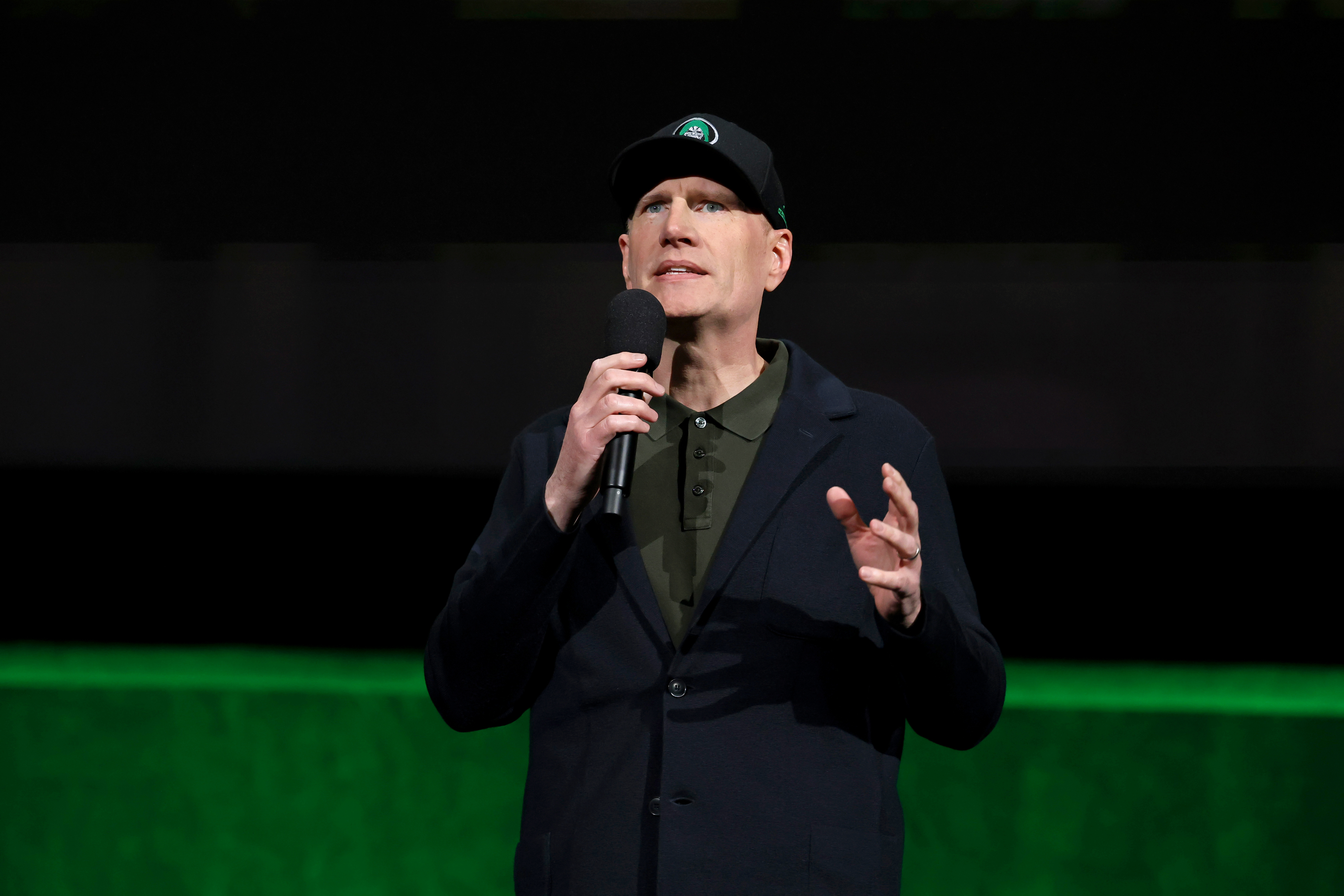
Kevin Feige is an American film producer, President of Marvel Studios, and Chief Creative Officer of Marvel. As the chief architect of the Marvel Cinematic Universe (MCU), Feige transformed the global entertainment industry by pioneering the modern shared universe model, producing films that have collectively grossed over $30 billion and establishing himself as the highest-grossing film producer in history.
Early Life and the Path to Film Production
Kevin Feige was born on June 2, 1973, in Boston, Massachusetts, and raised in Westfield, New Jersey. From an early age, he developed an intense fascination with cinema, television, and popular culture, heavily influenced by the blockbuster filmmaking of Steven Spielberg, George Lucas, and Robert Zemeckis. Unlike many executives who enter film production from corporate finance or talent agencies, Feige was driven by a passion for world-building, narrative continuity, and visual storytelling.
Feige pursued his higher education at the University of Southern California (USC) School of Cinematic Arts—the alma mater of his cinematic idols. His determination to attend USC was evident early: he applied five times before finally securing admission. During his time at USC, Feige immersed himself in the mechanics of film development, script analysis, and production logistics.
His entry into the film industry came through an internship under producer Lauren Shuler Donner. Upon graduation, Feige became a full-time assistant to Shuler Donner and her husband, legendary director Richard Donner (Superman, The Goonies). Working closely with Shuler Donner provided Feige with hands-on experience in high-stakes studio filmmaking. When Shuler Donner began developing X-Men (2000) for 20th Century Fox, Feige’s deep knowledge of Marvel Comic lore proved invaluable. His ability to explain complex comic plotlines and character dynamics earned him an associate producer credit on the film at just 27 years old. His work on set—ranging from overseeing character styling to defending narrative fidelity to the source material—caught the attention of Avi Arad, then the head of Marvel Studios.
The Origin of Marvel Studios and the Shared Universe Concept
In the early 2000s, Marvel Entertainment was primarily an intellectual property (IP) licensing house. Recovering from bankruptcy in the late 1990s, the company licensed its flagship characters to major Hollywood studios: Spider-Man went to Sony Pictures, the X-Men and Fantastic Four went to 20th Century Fox, and Hulk went to Universal Pictures. While these films were commercial successes, Marvel earned only a fraction of the profits and had little creative control over how its characters were portrayed.
In 2007, Kevin Feige was named President of Production for Marvel Studios. Together with Marvel executive leadership, Feige spearheaded a revolutionary strategy: Marvel Studios would become an independent production entity, self-financing its own films and distributing them through major studios. Marvel secured a $525 million credit facility backed by the movie rights to a slate of lesser-known characters that had not been licensed elsewhere, including Iron Man, Captain America, Thor, and the Avengers.
Marvel Studios Strategy Evolution
- 1990s - Early 2000s: IP Licensing Model (Sony, Fox, Universal retain rights/control)
- 2008 - 2019: Independent Slate (Self-Financed MCU, Disney Acquisition)
- 2019 - Present: Integrated Media (Theatrical Films, Disney+ Series, CCO)
Feige’s central innovation was adapting the comic book concept of a shared continuity into mainstream cinema. Prior to the Marvel Cinematic Universe, film franchises operated as self-contained series or occasional cross-over spinoffs. Feige envisioned a macro-narrative spread across individual character franchises that would culminate in cross-over event films.
This vision faced skepticism from traditional Hollywood executives, who believed audiences would not follow multi-film continuity across distinct sub-genres. Feige disproved these doubts with the release of Iron Man (2008), directed by Jon Favreau and starring Robert Downey Jr. Feige’s decision to cast Downey Jr.—considered a risky choice by studio executives at the time—proved to be a masterstroke. The film’s post-credits scene, featuring Samuel L. Jackson’s Nick Fury introducing the "Avengers Initiative," laid the public blueprint for the MCU.

The Architecture of the Marvel Cinematic Universe
The success of the MCU relies on a structured, multi-phase production blueprint designed by Kevin Feige. By dividing the overarching narrative into distinct "Phases," Marvel Studios created manageable production slates that gradually escalated plot stakes while continually introducing new characters.
MCU Narrative & Phase Architecture
- THE INFINITY SAGA (2008–2019)
- Phase 1: Origin Stories to The Avengers (2012)
- Phase 2: Cosmic Expansion & Empire Fractures
- Phase 3: Civil War to Infinity War to Endgame
- THE MULTIVERSE SAGA (2021–Present)
- Phase 4: Streaming Integration & Legacy Passings
- Phase 5: Multiverse Expansion & Timelines
- Phase 6: Multiversal Culmination Events
The Infinity Saga (Phases 1–3)
- Phase 1 (2008–2012): Focused on introducing core heroes—Iron Man, the Hulk, Thor, and Captain America—and demonstrating that individual storylines could seamlessly merge into a single ensemble film, The Avengers (2012).
- Phase 2 (2013–2015): Expanded the narrative scope into cosmic realms (Guardians of the Galaxy) and political thrillers (Captain America: The Winter Soldier), establishing that superhero stories could span multiple genres.
- Phase 3 (2016–2019): Diversified character lineups and brought the ten-year arc to a climax with Avengers: Infinity War (2018) and Avengers: Endgame (2019). Endgame became a historic box-office event, briefly holding the title of highest-grossing film of all time at $2.798 billion.
The Multiverse Saga (Phases 4–6)
Following the conclusion of the Infinity Saga, Feige expanded the MCU into alternate timelines, parallel dimensions, and television programming for Disney+. Phase 4 introduced characters such as Shang-Chi, the Eternals, and Ms. Marvel, while utilizing spatial and temporal storytelling mechanisms to integrate legacy franchises—most notably bringing previous Spider-Man actors Tobey Maguire and Andrew Garfield into Spider-Man: No Way Home (2021).
Feige’s Production Philosophy and Corporate Restructuring
Kevin Feige’s effectiveness as a producer stems from a balance of micro-level narrative oversight and macro-level corporate maneuvering.
Resolving Internal Conflict: The 2015 Restructuring
For the first seven years of the MCU, Marvel Studios operated under Marvel Entertainment, headed by CEO Isaac "Ike" Perlmutter. Perlmutter maintained a notoriously frugal approach and oversaw a "Marvel Creative Committee"—a group of comic book writers and executives who frequently vetoed studio decisions, slowed down script development, and restricted budget allocations for creative risks.
In August 2015, escalating tensions over budgets and creative direction (specifically regarding Captain America: Civil War) led Feige to approach Disney CEO Bob Iger and Walt Disney Studios Chairman Alan Horn. Feige requested that Marvel Studios be separated from Marvel Entertainment and brought directly under the Walt Disney Studios umbrella. Iger approved the reorganization, effectively dissolving the Marvel Creative Committee and freeing Feige from Perlmutter's oversight. This structural shift allowed Feige to greenlight ground-breaking projects like Black Panther (2018) and Captain Marvel (2019), both of which grossed over $1 billion globally and expanded the cultural footprint of the MCU.
Marvel Corporate Structure Reorganization (2015)
BEFORE (2008–2015)
- The Walt Disney Co.
- Marvel Entertainment (Ike Perlmutter)
- Marvel Creative Committee
- Marvel Studios (Kevin Feige)
AFTER (2015–Present)
- The Walt Disney Co.
- Walt Disney Studios
- Marvel Studios (Kevin Feige)
The "Marvel Method" of Film Production
Feige’s approach to filmmaking contrasts with traditional auteur-driven studios. His operational model relies on specific core principles:
- Casting as Foundation: Feige prioritizes charisma and acting depth over conventional action-star aesthetics, hiring actors capable of balancing humor and dramatic weight (e.g., Chris Pratt, Benedict Cumberbatch, Chadwick Boseman).
- Genre Diversification: Rather than treating superhero films as a singular genre, Feige frames each project around an established cinematic sub-genre—heist film (Ant-Man), space opera (Guardians of the Galaxy), high school comedy (Spider-Man: Homecoming), or political thriller (Captain America: The Winter Soldier).
- Filmmaker Empowerment Within Guardrails: Feige selects directors with strong indie backgrounds or unique visual voices (such as Taika Waititi, Ryan Coogler, and James Gunn) and gives them creative freedom over character interactions and dialogue, while Marvel’s internal team handles visual effects pre-visualization and overarching continuity links.
- Iterative Editing and Reshoots: Unlike studios that view post-production reshoots as a sign of failure, Feige bakes additional photography into every Marvel Studios budget. This allows production teams to refine character arcs, adjust pacing, and rewrite scenes based on early assembly cuts.
Executive Career Milestones and Industry Impact
Under Kevin Feige’s leadership, Marvel Studios achieved commercial metrics unprecedented in the history of cinema. In October 2019, Disney promoted Feige to Chief Creative Officer (CCO) of Marvel, expanding his oversight beyond feature films to encompass all creative aspects of publishing, television, and animation.
| Metric / Milestone | Detail / Historical Significance |
|---|---|
| Total Global Box Office | Surpassed $30 billion across MCU feature films, making Feige the highest-grossing producer of all time. |
| Highest-Grossing Single Film | Avengers: Endgame (2019) – $2.798 billion worldwide box office gross. |
| Critical Recognition | Black Panther (2018) became the first superhero film nominated for Best Picture at the Academy Awards. |
| Corporate Scope Expansion | Promoted to Chief Creative Officer of Marvel (2019), uniting Publishing, TV, and Film divisions under one leadership umbrella. |
| Industry Awards | Recipient of the David O. Selznick Achievement Award in Theatrical Motion Pictures from the Producers Guild of America (2019). |
| Streaming Expansion | Launched integrated Disney+ television series starting in 2021 with WandaVision, securing multiple Primetime Emmy nominations. |
Expanding to Television and Navigating Post-Endgame Challenges
The launch of Disney+ presented Feige with a new strategic imperative: expanding the MCU into long-form streaming series that tied directly into theatrical releases.
Beginning with WandaVision in early 2021, followed by The Falcon and the Winter Soldier, Loki, and Moon Knight, Marvel Studios produced premium streaming content designed to deepen character development and set up upcoming films. WandaVision garnered 23 Primetime Emmy nominations, demonstrating that superhero narratives could compete in prestige television categories.
However, the rapid expansion of output across both film and television presented operational challenges between 2021 and 2023. The high volume of projects led to public discussions surrounding visual effects quality, narrative fragmentation, and target audience fatigue.
In response, Feige and Disney leadership implemented a strategic pivot focused on quality control over production volume:
- Reduced Release Velocity: Spacing out theatrical releases and streaming series to allow longer post-production and visual effects timelines.
- Creative Recalibration: Rebuilding traditional television development pipelines—incorporating showrunners, pilot episodes, and full-season writers' rooms—rather than treating series as extended six-hour films.
- Focus on Core Franchises: Re-centering the Multiverse Saga on major narrative pillars leading toward upcoming ensemble entries such as Avengers: Doomsday and Avengers: Secret Wars.
Leadership Style and Cultural Legacy
Kevin Feige’s influence on 21st-century popular media extends beyond box-office statistics. By demonstrating the financial viability of interconnected multi-property narratives, he prompted major Hollywood studios to attempt their own shared cinematic universes—reshaping executive strategy across the film industry.
Despite his corporate authority, Feige maintains a low-key, fandom-centric public image, frequently appearing at industry events like San Diego Comic-Con in his signature baseball cap to present upcoming production slates directly to consumers. His approach to leadership combines deep respect for archival lore with an awareness of audience expectations, ensuring that comic book properties—once considered niche subculture material—remain central to contemporary global culture.
Frequently Asked Questions
What is Kevin Feige’s official title at Marvel?
Kevin Feige is the President of Marvel Studios and the Chief Creative Officer (CCO) of Marvel. As President, he oversees all operational and creative aspects of Marvel Studios' film and television output. As CCO, he directs the overarching creative strategy across Marvel’s film, television, animation, and publishing divisions.
How much has Kevin Feige’s film slate earned at the box office?
Films produced by Kevin Feige have generated more than $30 billion in global box-office revenue. This cumulative total makes him the highest-grossing film producer in history, surpassing veteran producers such as Steven Spielberg, Kathleen Kennedy, and Jerry Bruckheimer.
How did Kevin Feige start his career in the film industry?
Feige began his career as an intern and assistant to producer Lauren Shuler Donner and director Richard Donner. Because of his vast knowledge of Marvel Comics, Shuler Donner appointed him as an associate producer on X-Men (2000). His performance on that film led Marvel Studios executive Avi Arad to hire him as his second-in-command shortly thereafter.
Why was Kevin Feige’s 2015 restructuring of Marvel Studios important?
Before 2015, Feige reported to Marvel Entertainment CEO Ike Perlmutter and worked under a restrictive "Marvel Creative Committee." The 2015 restructuring moved Marvel Studios directly under Walt Disney Studios leadership (reporting to Alan Horn). This dissolved the Creative Committee, gave Feige creative control, and enabled the production of hit films like Black Panther and Captain Marvel.
What is the difference between the Infinity Saga and the Multiverse Saga?
The Infinity Saga encompasses Phases 1 through 3 of the MCU (2008–2019), focusing on the emergence of the core Avengers and their eventual conflict with Thanos over the Infinity Stones. The Multiverse Saga encompasses Phases 4 through 6, expanding the narrative into parallel realities, alternate timelines, and integrated Disney+ streaming series.
Strategic Recommendations for Media Analysts and Producers
For media executives, film scholars, and entertainment analysts studying Kevin Feige’s career and production framework, key lessons emerge regarding IP management and franchise sustainability:
- Prioritize Character Consistency Over Plot Mechanics: Feige's success relies on ensuring that audience investment in character relationships remains primary, regardless of complex sci-fi or fantasy plot premises.
- Establish Clear Organizational Hierarchy: Eliminating bureaucratic friction—such as the 2015 dissolution of the Marvel Creative Committee—is critical when executing unified, multi-platform creative strategies.
- Bake Flexibility into Development Budgets: Planning for additional photography and iterative editorial passes from inception ensures high-quality control over visual and narrative delivery.
- Balance Core IP with Original Visions: Maintain audience engagement by pairing established flagship characters with unexpected directorial voices and genre frameworks.
Image Gallery
Select an image to open it in a new tab.


Omar Farooq
EdTech Innovation and Virtual Pedagogy Journalist
