
To appeal an auto insurance total loss claim, you must first review the insurer’s valuation report for errors in vehicle features or condition. Provide evidence of recent upgrades and gather local "comparable" listings to prove a higher market value. If negotiations fail, you can formally invoke the appraisal clause in your policy to seek an independent valuation.
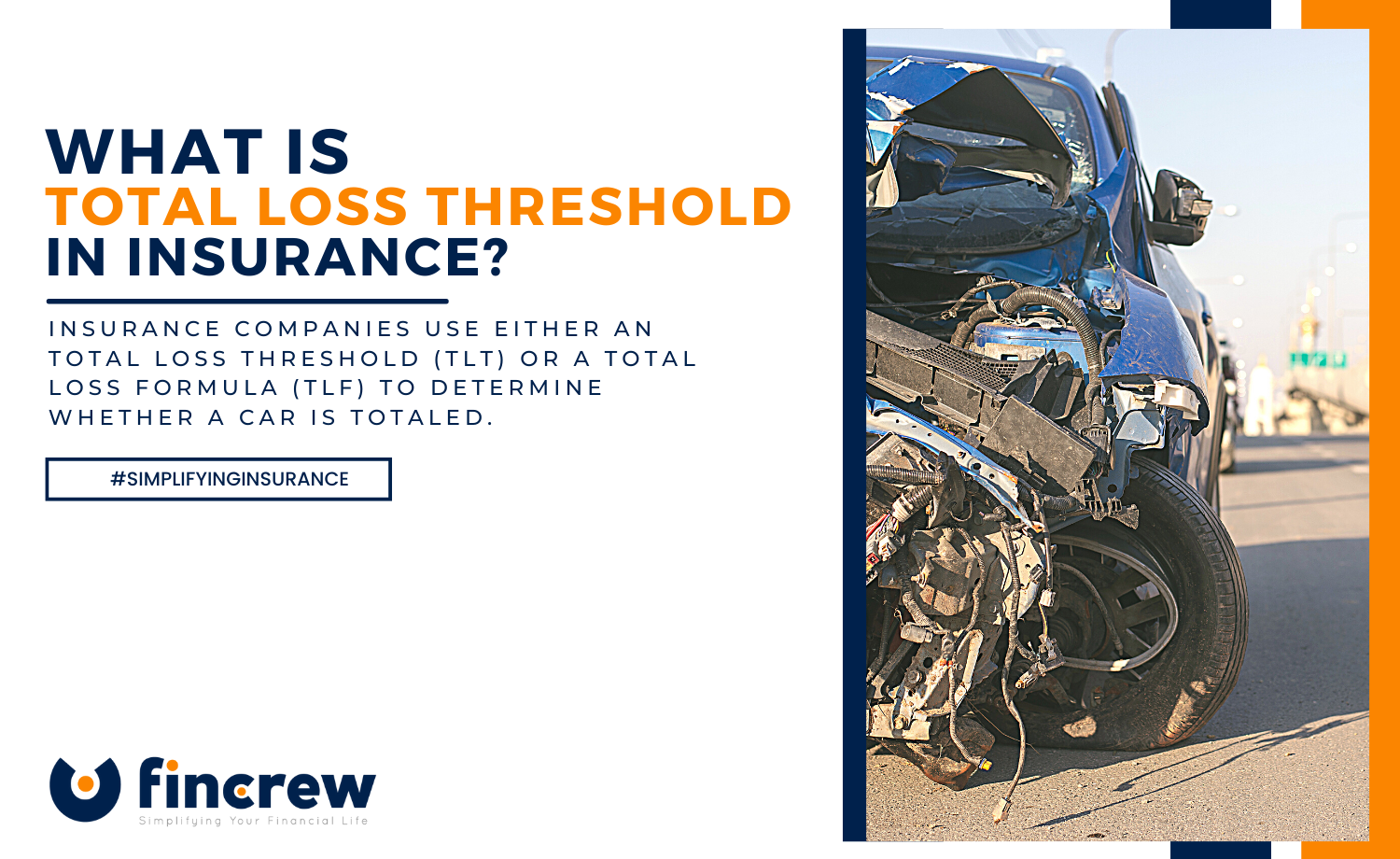
When an insurance company declares your vehicle a "total loss," it means they have determined that the cost to repair the vehicle—combined with its potential salvage value—exceeds a specific percentage of its Actual Cash Value (ACV). In 2026, most states and insurers use a threshold between 70% and 80%, though some follow the "Total Loss Formula," where a car is totaled if the repair cost plus salvage value exceeds the ACV. Receiving a low valuation can be devastating, especially if the payout isn't enough to buy a comparable replacement. However, the initial offer is rarely final. You have the legal right to challenge the assessment through a structured appeal process.
Understanding the Actual Cash Value (ACV) Calculation
Before you can effectively appeal, you must understand the metric the insurance company is using. Insurance policies for standard passenger vehicles typically pay out based on Actual Cash Value, not "Replacement Cost." ACV is defined as the fair market value of the vehicle immediately before the accident occurred. This is essentially what a private party or dealer would have paid for your car in its specific pre-loss condition.
Insurers do not simply guess this number. They use third-party valuation services—such as CCC Information Services, Mitchell International, or Audatex—to generate a Market Valuation Report. This report identifies "comparables" (comps), which are similar vehicles recently sold or currently for sale in your geographic area. The software then adjusts the price of these comps based on differences in mileage, trim levels, and physical condition compared to your vehicle.
The primary point of failure in these reports is often the "condition adjustment." Adjusters may default your car’s condition to "Average" or "Dealer Ready," ignoring that you may have meticulously maintained it to a "Private Party Exceptional" standard. Identifying these discrepancies is the foundation of your appeal.
Step 1: Request and Scrutinize the Valuation Report
You cannot appeal what you haven't seen. Your first action should be requesting the full, multi-page valuation report from your claims adjuster. Do not settle for a summary over the phone. Once you have the document, review it line-by-line for the following common errors:
- Vehicle Identification: Ensure the VIN, year, make, model, and trim level (e.g., SE vs. XLE) are correct. Missing a premium package or a specific engine type can result in a valuation error of thousands of dollars.
- Mileage: Verify the mileage listed is accurate. An error of even 5,000 miles can significantly sway the depreciation calculation.
- Feature List: Check for "options" that were ignored. Did you have premium leather seats, an upgraded sound system, or an aftermarket tow package? If these aren't listed, the software isn't accounting for them.
- Condition Ratings: Reports grade components like the interior, paint, tires, and engine. If the report lists your tires as having 4/32" tread when you just installed new ones with 10/32", that is a factual error you can dispute.

Step 2: Gather Evidence and Documentation
An appeal based on "feeling" that the car was worth more will fail. You need documented proof. In 2026, digital records make this easier, but you must be proactive in organizing them.
Recent Maintenance vs. Upgrades
It is vital to distinguish between routine maintenance and value-adding upgrades. Insurance companies generally argue that oil changes, brake pads, and fluid flushes are part of the "cost of ownership" and do not increase the ACV. However, significant recent investments can be used as leverage.
- Value-Adding Items: New tires (within the last 3,000 miles), a brand-new transmission, recent engine overhauls, or custom paint jobs.
- The Receipt Rule: Collect every receipt from the last 12 months. While you won't get a dollar-for-dollar return on a $2,000 transmission, you can argue that it places your vehicle in the "Excellent" condition category, which carries a higher base value.
Finding Better Comparables
The insurer’s report likely uses "ghost comps"—vehicles that may have sold months ago or are located in different market regions. To counter this, perform your own market research.
- Search platforms like AutoTrader, Cars.com, and local dealership websites.
- Filter for the exact year, make, model, and trim within a 50-to-100-mile radius.
- Adjust for mileage. If your car had 40,000 miles and the only comps have 70,000, highlight that the insurer’s value is artificially low.
- Print or save these listings as PDFs to send to the adjuster.
Step 3: Negotiating with the Total Loss Adjuster
Once you have your evidence, contact the total loss adjuster—who is often different from the initial field adjuster who inspected the damage. Present your findings professionally. Instead of saying "Your offer is too low," say, "I have identified three factual errors in the features list and found four local comparables that suggest a market value $2,500 higher than the current report."
If the adjuster refuses to budge, ask for the "unadjusted" price of the comparables they used. Frequently, insurers apply a "typical negotiation discount" to the comps, assuming a buyer would have talked the dealer down. In many jurisdictions, you can successfully argue that this discount is speculative and should be removed.
Step 4: Invoking the Appraisal Clause
If negotiations stall, almost every standard auto policy includes a "Right of Appraisal" or Appraisal Clause. This is a formal dispute resolution mechanism that bypasses the standard claims process.
How the Appraisal Process Works
When you invoke this clause, the following sequence occurs:
- Independent Appraisers: You hire an independent appraiser, and the insurance company hires their own. These are third-party professionals who specialize in vehicle valuations.
- The Evaluation: Both appraisers review the vehicle and the data independently to reach a value.
- The Umpire: If the two appraisers cannot agree, they jointly select an "umpire." The umpire reviews the differences, and a decision agreed upon by any two of the three parties becomes the legally binding settlement.
Cost Warning: Invoking the appraisal clause is not free. You are responsible for paying your appraiser (typically $200–$500) and usually half the umpire’s fee if one is required. This step is generally only recommended if the discrepancy between the offer and the actual value is at least $2,000 to $3,000.
Comparison of Dispute Resolution Methods
| Method | Cost to Policyholder | Speed | Potential Outcome |
|---|---|---|---|
| Direct Negotiation | $0 | Fast (1-5 days) | Low to Moderate increase based on factual errors. |
| Appraisal Clause | $200 - $600 | Moderate (2-4 weeks) | Often the most accurate market value; binding. |
| State Dept. of Insurance Complaint | $0 | Slow (30-60 days) | Best for bad-faith or procedural violations. |
| Small Claims Court | Low Filing Fees | Very Slow (Months) | High risk; requires significant legal preparation. |
Step 5: State Regulatory Assistance
If you believe the insurance company is acting in bad faith—such as ignoring clear evidence or violating state-specific total loss laws—you can file a complaint with your State Department of Insurance (or Insurance Commissioner).
In 2026, many states have implemented stricter "fair claims settlement" acts that require insurers to provide specific explanations for how they reached a valuation. A formal complaint triggers a regulatory review. While the commissioner cannot always force a company to pay more, the inquiry often encourages the insurer to "re-evaluate" their offer to avoid a documented strike on their regulatory record.
Special Considerations: Loans and Sales Tax
Gap Insurance
If you owe more on your car loan than the car is worth (being "underwater"), an appeal is critical. Even a successful appeal might not cover the full loan balance. This is where Gap Insurance comes into play. If you have Gap coverage, it will pay the difference between the ACV settlement and your remaining loan balance. If you don't have Gap, every dollar you gain through an appeal reduces your out-of-pocket debt.
Sales Tax and Title Fees
In many states, the insurance company is legally required to include sales tax, title, and registration fees in the total loss settlement. If your ACV is $20,000 and your state sales tax is 7%, the insurer should be paying you an additional $1,400. Ensure these "pass-through" costs are included in the final check. If they are missing, this is the easiest "win" in an appeal.
Common Mistakes to Avoid
- Accepting the First Check: In some states, cashing the settlement check is considered an acceptance of the offer, which can void your right to appeal or invoke the appraisal clause. Always clarify with the adjuster if the check is a "partial payment" or a "full and final settlement" before depositing it.
- Focusing on Sentiment: The insurance company does not care that the car was a gift or that it was "reliable." They only care about what the market says it is worth. Keep the conversation focused on data.
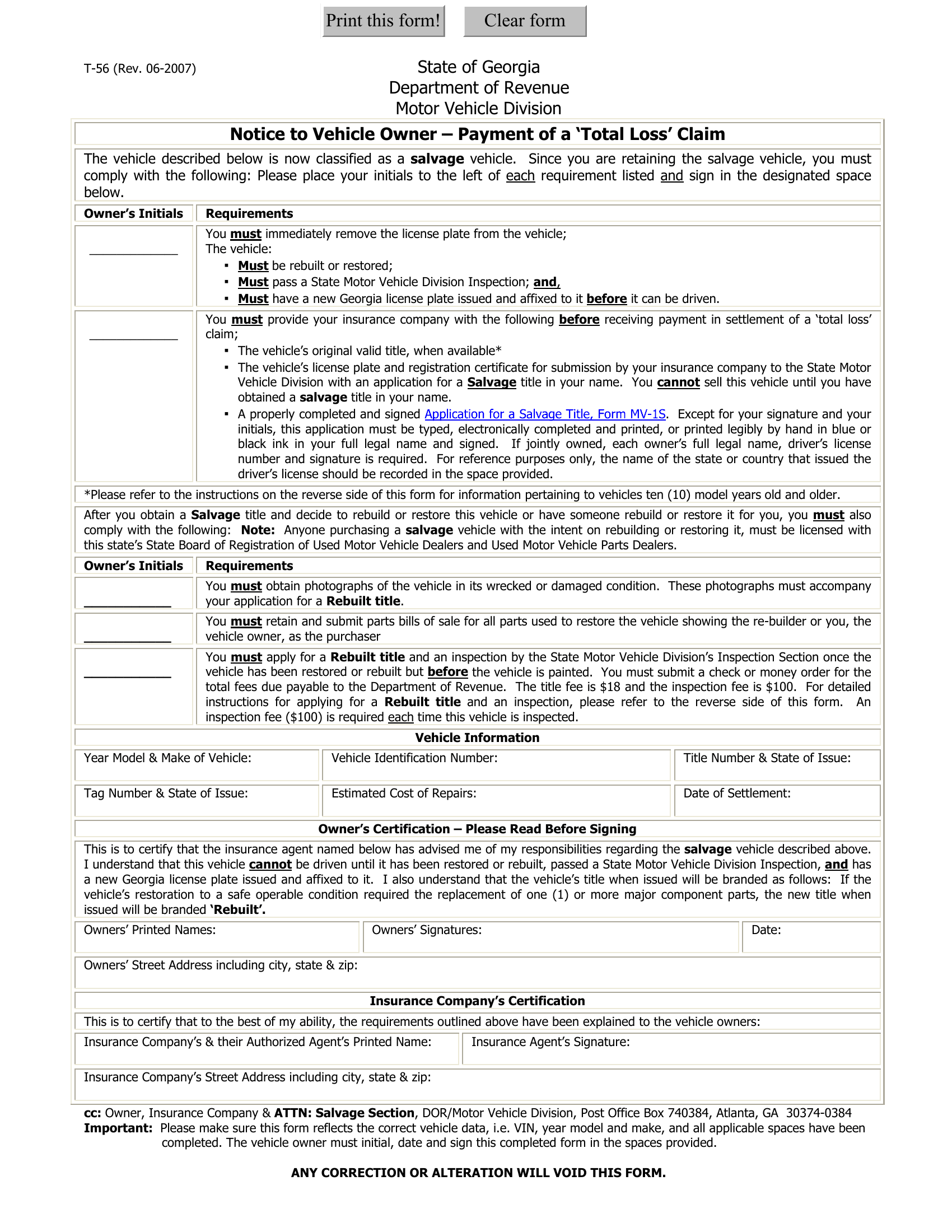
- Ignoring the Salvage Buy-Back: If you believe the car is repairable despite being totaled, you can ask for a "salvage retention" quote. The insurer will pay you the ACV minus the salvage value (what a junkyard would pay for the wreck), and you keep the car. Note that the car will then have a "salvage title," which can make it difficult to insure or sell later.
Frequently Asked Questions
Can I appeal if I was the at-fault driver?
Yes. Your right to a fair valuation is based on the contract you have with your insurance company (under your collision coverage). Whether you were at fault or not, the insurer is contractually obligated to pay the Actual Cash Value of the asset.
How long do I have to appeal a total loss valuation?
This depends on your state’s statute of limitations for contract disputes and the specific language in your policy. Generally, you should initiate an appeal within 30 days of the offer. Waiting too long can result in the insurer moving the vehicle to a salvage yard, making an independent appraisal much more difficult.
Do aftermarket parts increase my car's value?
Standard policies usually limit coverage for aftermarket parts (like custom rims or specialized audio) to a specific amount, often $500 or $1,000, unless you purchased an "additional equipment" endorsement. Check your policy's "Exclusions" or "Limits of Liability" section to see how these are handled.
What if the insurance company uses "comparables" from another state?
You should challenge this immediately. Vehicle values vary significantly by region (e.g., 4WD trucks are worth more in snowy climates than in the South). Most state regulations require insurers to use "local market" comparables, usually defined as within a 50-to-100-mile radius.
Is hiring a lawyer worth it for a total loss appeal?
Typically, no. Attorney fees will often exceed the potential increase in the settlement unless the vehicle is an exotic or high-value classic car. The Appraisal Clause is designed to be a "lawyer-free" version of dispute resolution that is much more cost-effective for the average consumer.
Practical Recommendation
If you are facing a total loss claim in 2026, your immediate next step is to download your vehicle’s full service history from your mechanic’s portal or apps like CARFAX Car Care. Use this data to challenge the "Condition" section of the insurer’s valuation report. If the discrepancy between their offer and your researched market value is more than $2,500, skip the back-and-forth negotiation and formally invoke the Appraisal Clause in writing. This forces a professional, third-party review that often results in a more equitable settlement than the software-generated initial offer.
Image Gallery
Select an image to open it in a new tab.






Lars Thomsen
Global Labor Markets and Economic Strategy Editor
