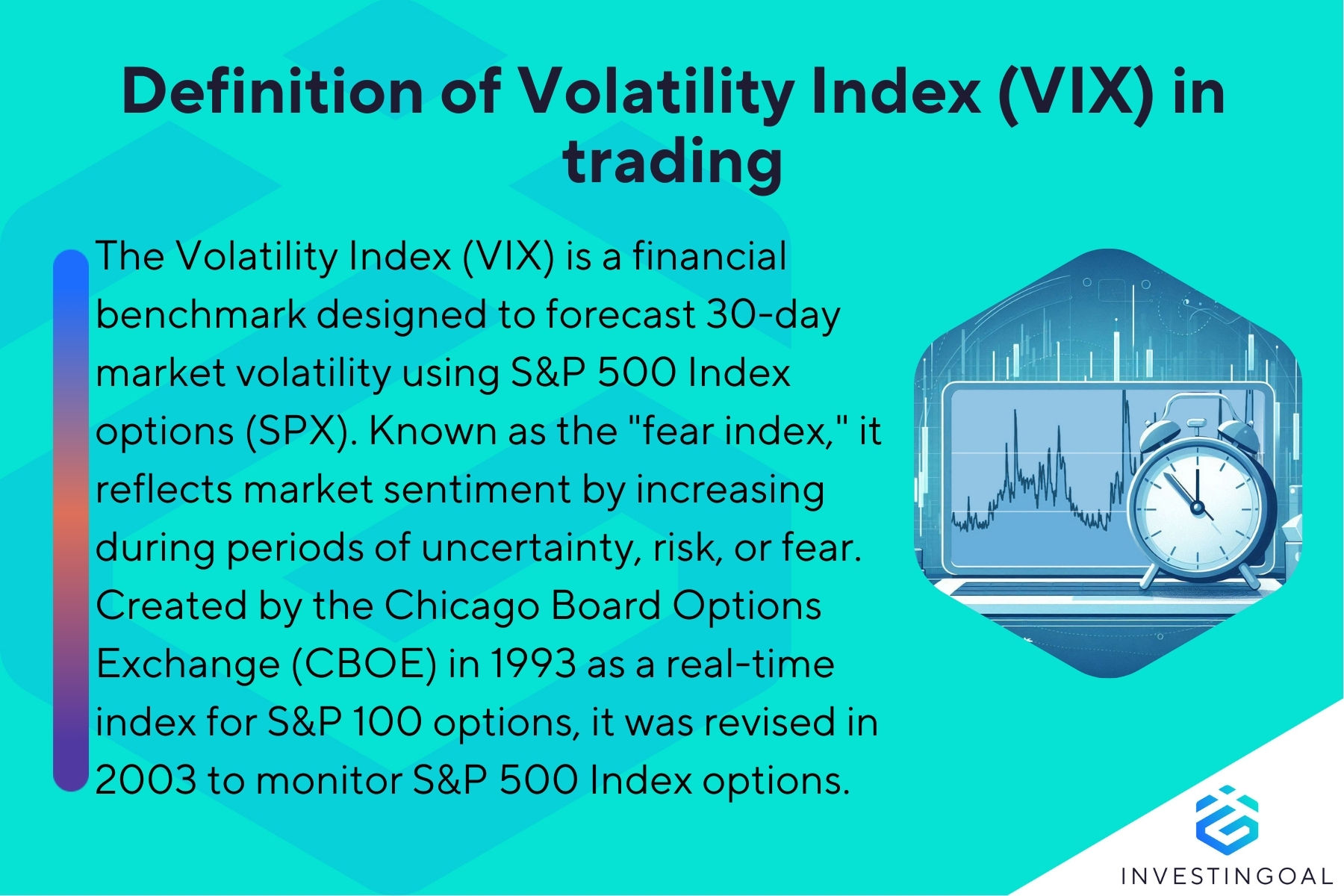
A stock index option is a financial derivative giving the holder the right, but not the obligation, to buy or sell the cash value of a specified market index at a predetermined strike price before expiration. Unlike equity options tied to individual companies, index options settle in cash and cannot be exercised into actual shares, making them unique instruments for broad market hedging and directional speculation.
Understanding how a stock index option functions in the real world requires looking past basic definitions and diving into the mechanics of contract specifications, cash settlement procedures, margin requirements, and execution styles. Whether deployed as a short-term volatility play or an institutional portfolio defense mechanism, these contracts operate on structural rules defined by options exchanges such as the Chicago Board Options Exchange (CBOE).
Disclaimer: Options trading involves substantial risk and is not suitable for all investors. Certain complex strategies carry risks that can exceed initial investments. Readers should consult with a qualified financial advisor before deploying capital.
Defining Stock Index Options and Core Mechanics
At its fundamental level, a stock index option is a contract tied to a benchmark basket of equities, such as the S&P 500 (SPX) or the Nasdaq-100 (NDX). Because an index is a mathematical construct rather than a tangible entity that can be bought and sold in share lots, index options possess unique structural properties that distinguish them from standard single-stock options.
When an investor trades an index option, they are speculating on or hedging against the future direction of the entire market or a distinct sector. The price of the option—known as the premium—fluctuates based on supply and demand, the level of the underlying index, time decay, and implied volatility.
Key Structural Differences from Equity Options
To navigate the index options market successfully, traders must understand three primary differences separating them from traditional equity options:
- Cash Settlement: If an equity option is exercised, the writer must deliver 100 shares of the underlying stock per contract, and the buyer must pay for them. Index options, by contrast, are cash-settled. Upon exercise or expiration, no shares change hands. The net intrinsic value is calculated and transferred directly as cash into the accounts of the participating parties.
- European vs. American Exercise Styles: Most major index options (such as SPX) utilize European-style exercise rules. This means they can only be exercised on the final expiration day. Conversely, standard equity options are typically American-style, allowing exercise on any business day prior to expiration. (Note that certain index options, like OEX tracking the S&P 100, do feature American-style exercise, making contract specifications crucial to review).
- Multiplier Effect: Index options utilize a contract multiplier, usually set at $100. The total dollar value of the option premium is calculated by multiplying the quoted price by 100. If an index option is quoted at $15.50, the actual cost to purchase one contract is $1,550.
Anatomy of an Index Option Contract
Reading an index option chain requires familiarity with specific nomenclature and data points. Every contract identifier conveys precise information regarding the market benchmark, the expiration cycle, the strike price, and whether it is a call or a put.
- [Underlying Index]
- [Expiration Date]
- [Call/Put Indicator]
- [Strike Price]
For instance, an SPX call option expiring on a specific Friday with a strike price of 5,000 will be listed distinctly within an options chain provided by a brokerage platform.
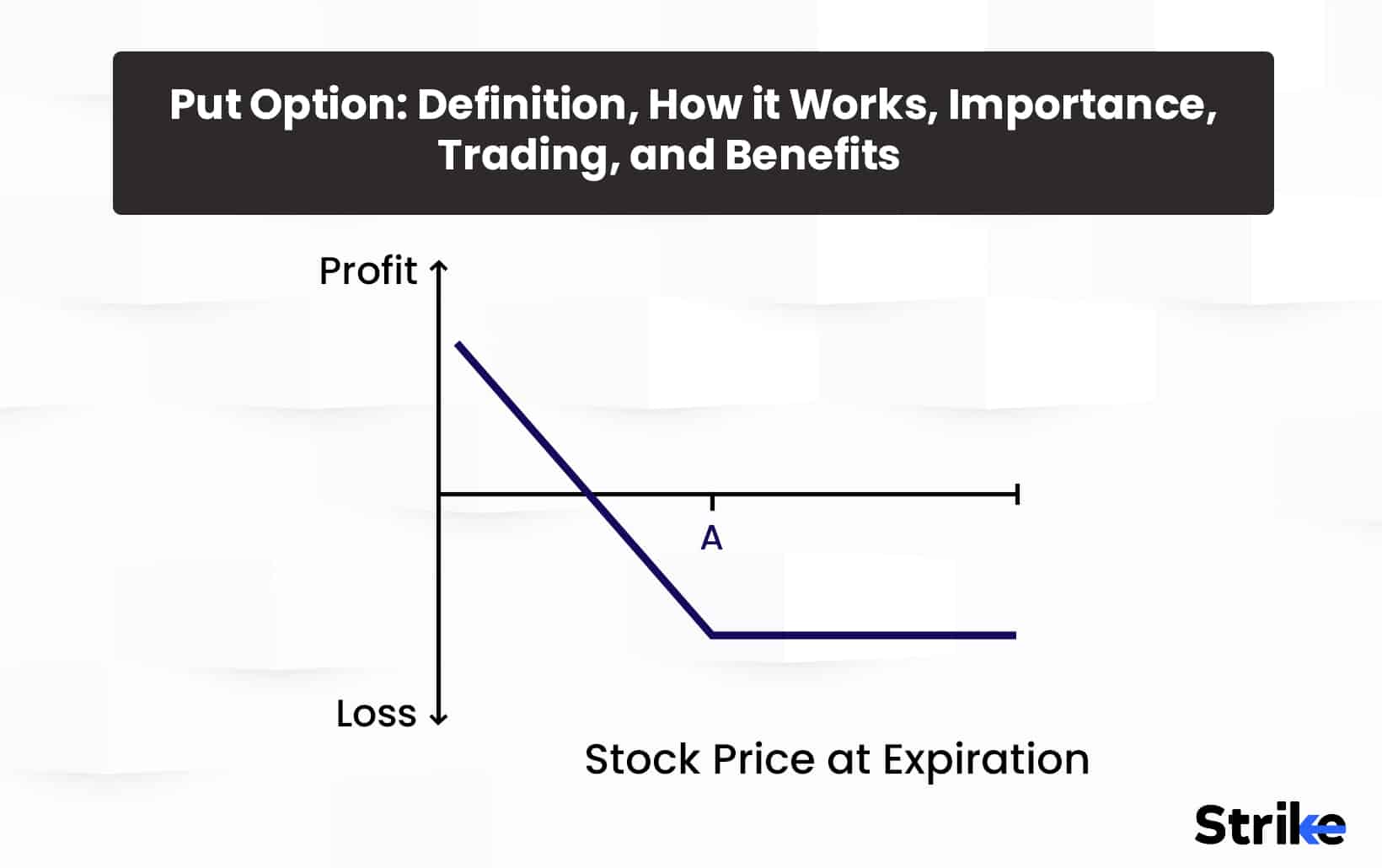
- Calls and Puts: A call option gives the holder the right to buy the cash value of the index at the strike price, typically used when anticipating a rising market. A put option gives the holder the right to sell the cash value at the strike price, serving as a tool for market downturns or portfolio insurance.
- Strike Prices: Options chains offer a wide array of strikes above and below the current index value. Standard options have fixed strike intervals, while flexible exchange-traded options (FLEX options) allow institutional investors to customize terms.
- Expiration Cycles: Modern index options feature diverse expiration schedules. Standard monthly options expire on the third Friday of the month, while weekly options (end-of-week expirations or PM-settled options) expire on Mondays, Wednesdays, and Fridays, offering precise timing for tactical traders.
Settlement Mechanics: AM vs. PM Expiration
One of the most consequential details in practical index option trading is the distinction between AM-settled and PM-settled contracts. This determines the exact moment the final settlement value of the index is calculated.
| Settlement Type | Calculation Time | Typical Contract Example | Operational Impact |
|---|---|---|---|
| AM-Settled | Opening prices of component stocks on expiration Friday | Standard monthly SPX options | Settlement value is unknown until Friday morning market open, often leading to expiration-day volatility ("witching hours"). |
| PM-Settled | Closing prices of component stocks on expiration day | Weekly options, End-of-Month (EOM) options | Settlement is based on the official closing prices of the underlying stocks, allowing traders to hold positions until the closing bell. |
Understanding settlement timing is vital for risk management. An investor holding an expiring in-the-money AM-settled contract cannot trade out of it on expiration morning; their position is locked at the opening bell calculation, exposing them to overnight gap risks.
Margin Requirements and Capital Allocation
Because index options involve cash settlement and institutional-grade sizing, brokerage firms enforce strict margin requirements. Unlike buying a stock where the maximum loss is capped at the purchase price, writing (selling) uncovered index options exposes the seller to theoretically unlimited risk, necessitating robust collateral oversight.
Buying Options (Long Positions)
When an investor buys an index option (opening a long call or long put), the maximum risk is strictly limited to the premium paid to enter the trade. Consequently, brokers generally do not require margin borrowing capacity beyond full cash payment for the premium. The trade requires a cash-secured or margin-approved account with appropriate option-trading clearance levels.
Selling Options (Short Positions)
Writing naked index options requires significant margin because a sharp market reversal can create massive liabilities. Brokerage firms utilize complex portfolio margin systems or regulation T margin rules to calculate the capital reserve a trader must maintain.
- Portfolio Margin: Calculated based on the net risk of an entire portfolio rather than individual positions. This approach is favored by advanced traders and institutions because it accounts for offsets between correlated holdings, lowering capital requirements.
- Reg T Margin: A standardized formula where the seller must maintain cash equal to the option premium received plus a percentage of the underlying index value, adjusted for whether the position is out-of-the-money or in-the-money.
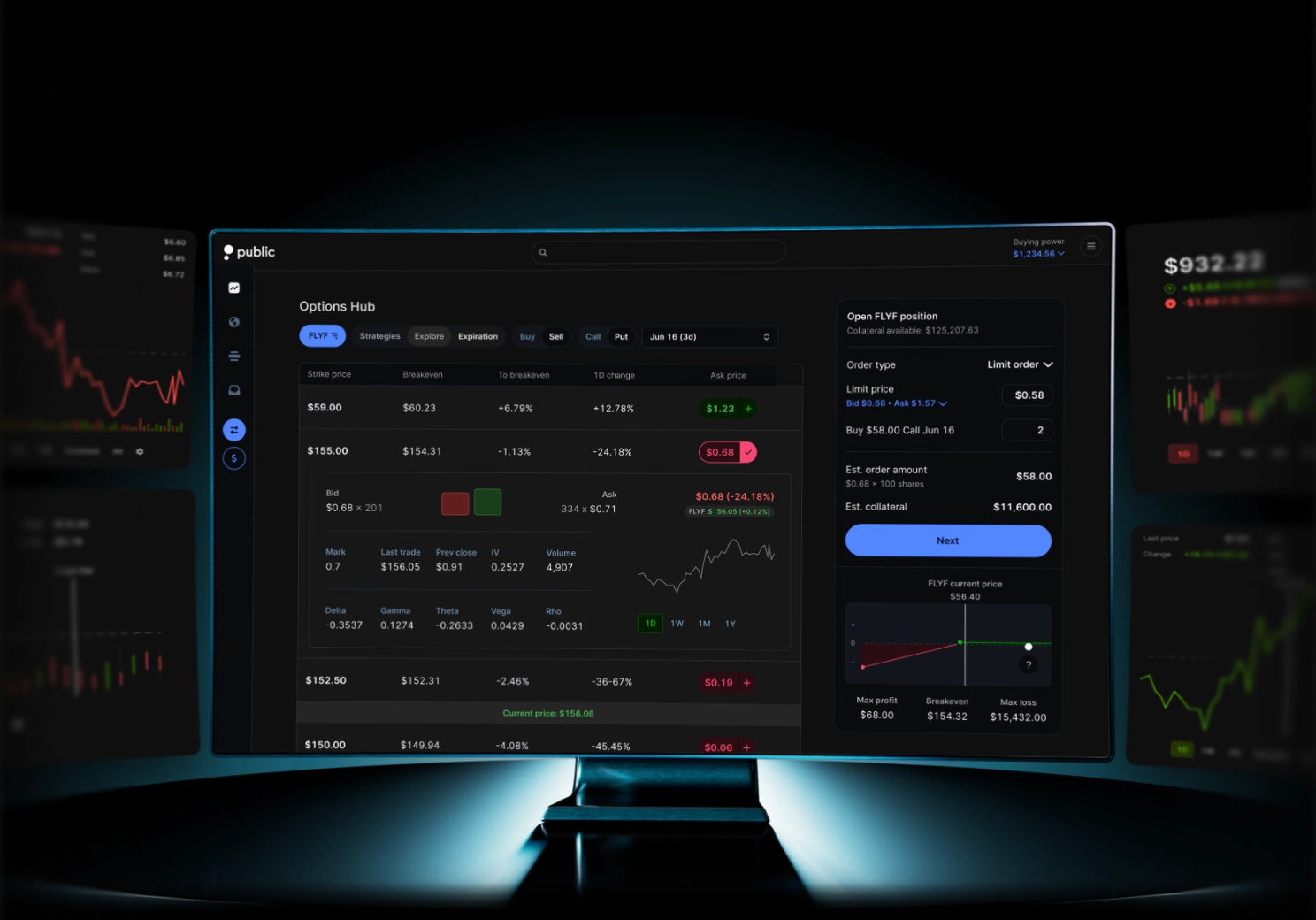
Step-by-Step Execution in a Live Trading Environment
Executing a stock index option transaction follows a structured workflow within a modern brokerage platform. Here is how the process unfolds from identification to closure.
- Account Approval and Setup: The trader applies for options trading privileges with a brokerage, selecting a level (typically Level 3 or 4) that permits index option trading and vertical or naked spreading.
- Market Analysis and Strategy Selection: The trader analyzes technical indicators, macroeconomic data, or portfolio risk exposure. They determine whether to execute a directional trade (buying a single put or call) or a volatility-neutral strategy (such as an iron condor or credit spread).
- Order Entry: The trader selects the index symbol (e.g.,
$SPX), navigates to the target expiration date, and chooses the strike price. They specify the order type (limit or market) and quantity. - Monitoring and Management: Throughout the lifecycle of the trade, the option's value changes based on the delta (price sensitivity to the index), theta (time decay), and vega (volatility sensitivity). Traders frequently close positions before expiration to lock in profits or mitigate losses rather than holding to the final settlement bell.
- Settlement or Offset: If the position is closed prior to expiration, an offsetting transaction liquidates the contract. If held through expiration, the clearinghouse automatically processes the cash differential for in-the-money contracts, and the cash reflects in the account balance on the next settlement day.
Tax Advantages and Regulatory Framework
In jurisdictions like the United States, index options governed by Section 1256 of the Internal Revenue Code enjoy a distinct tax advantage over standard equity options and individual stocks.
Section 1256 Contracts and the 60/40 Rule
Broad-based index options (such as options on the S&P 500, Nasdaq-100, and Russell 2000) are classified as Section 1256 contracts. This designation applies a favorable tax split to capital gains:
- 60% Long-Term Capital Gains: Taxed at the lower long-term capital gains rate, regardless of how long the contract was held (even if held for only a few minutes or hours).
- 40% Short-Term Capital Gains: Taxed at ordinary income tax rates.
This contrasts with single-stock options, which are subject to standard short-term capital gains rates if held for one year or less. Additionally, Section 1256 contracts utilize mark-to-market accounting at year-end, simplifying reporting for active traders.
Common Risks and Pitfalls for Practitioners
While index options offer liquidity, cash settlement convenience, and tax efficiencies, several operational and market risks can trap unwary participants.
- Assignment and Exercise Surprises: Because European-style options cannot be exercised early, traders do not face early assignment risk on standard index options. However, failing to monitor expiration days on PM-settled weekly contracts can result in unintended cash adjustments.
- Volatility Crush (Vega Risk): Implied volatility often drops precipitously after major economic announcements or earnings reports (a phenomenon known as IV crush). Option buyers can lose money even if the underlying index moves in their anticipated direction if the drop in volatility outpaces the directional gain.
- Liquidity and Bid-Ask Spreads: While major indices like the S&P 500 feature exceptional liquidity, lesser-known sector or thematic index options can suffer from wide bid-ask spreads, increasing execution costs.
Frequently Asked Questions
Can I exercise a stock index option before its expiration date?
Most major stock index options, such as those written on the S&P 500 (SPX), utilize European-style exercise rules, meaning they cannot be exercised prior to the expiration date. A subset of index options utilize American-style rules, but investors must verify the specific contract specifications on their brokerage platform before trading.
What happens to an index option if the market closes sharply lower?
Because index options are cash-settled, an in-the-money put option will automatically settle for cash equal to the difference between the strike price and the final settlement value of the index, multiplied by 100. The cash is credited directly to the investor's account after settlement calculations are finalized.
Do I need to own the underlying stocks to trade index options?
No. Because index options settle in cash and do not involve the delivery of physical shares, traders never buy or own the underlying component stocks of the index. Positions are opened and closed entirely through cash transactions and option premiums.
Why do index options offer tax advantages?
Broad-based index options qualify as Section 1256 contracts under U.S. tax law. This classification splits capital gains into 60% long-term and 40% short-term rates, regardless of the holding period, providing a lower overall tax burden compared to standard equity options.
What is the difference between SPX options and SPY options?
SPX options are broad-based index options that are cash-settled, European-style, and qualify for Section 1256 tax treatment. SPY options are exchange-traded fund (ETF) options based on the SPDR S&P 500 ETF Trust; they are American-style, settle in physical shares of the ETF, and do not receive Section 1256 tax benefits.
Recommended Next Actions
For traders looking to transition from theory to practice, start by paper-trading index options on a simulated platform to observe how time decay and volatility impact pricing without risking capital. Review the specific contract specifications of your chosen index through official exchange documentation before committing funds to live markets.
Image Gallery
Select an image to open it in a new tab.

Mateo Castillo
Decentralized Finance and E-Payments Strategist
