
The insuring clause is the fundamental core of a life insurance policy, representing the insurer's primary promise to pay a specified death benefit to the designated beneficiary upon the death of the insured. Often located on the policy's "face page," it establishes the contractual obligation that justifies the payment of premiums by the policyholder.
In the complex world of insurance law and personal finance, understanding the specific language of your contract is vital. As we navigate the regulatory landscape of 2026, the insuring clause remains the most critical section of any life insurance document. It is the "heart" of the agreement—the definitive statement that outlines exactly what the insurance company is providing in exchange for your money. Without this clause, the contract lacks the essential "consideration" required for a legal agreement to exist.
This guide provides a comprehensive breakdown of the insuring clause, its legal significance, the components that make it valid, and how it interacts with other parts of a life insurance contract. Whether you are a policyholder, a beneficiary, or a financial professional, mastering this concept is essential for ensuring that coverage meets expectations when it is needed most.
What is the Insuring Clause?
The insuring clause is a brief but powerful statement, usually found on the first or second page of a life insurance policy. It identifies the parties to the contract and specifies the insurer's basic promise to pay the death benefit. In legal terms, this clause constitutes the insurer's performance—what they must do to fulfill their side of the bargain.
While life insurance policies can be dozens of pages long, filled with riders, exclusions, and technical definitions, the insuring clause is deliberately prominent. It serves as the summary of the risk being transferred from the individual to the insurance company. By signing the policy and accepting the initial premium, the insurer activates this clause, binding themselves to the financial protection of the insured’s survivors.
In 2026, modern insurance standards emphasize transparency. Consequently, insuring clauses have become more standardized across various carriers, though subtle differences in wording can still impact how a claim is processed. The clause typically begins with language such as, "Subject to the provisions of this policy, [Company Name] will pay the face amount to the beneficiary upon receipt of due proof of death of the insured."
The Anatomy of an Insuring Clause
To fully grasp the insuring clause, one must dissect its specific components. Each word is carefully chosen to define the scope of the insurer's liability.
1. The Parties Involved
The clause explicitly or implicitly identifies three key roles:
- The Insurer: The life insurance company making the promise.
- The Insured: The person whose life is the subject of the contract.
- The Beneficiary: The person or entity designated to receive the proceeds.
2. The Event Triggering Payment
The primary "trigger" for a life insurance contract is the death of the insured. The insuring clause specifies that the death must occur while the policy is "in force"—meaning the premiums have been paid and the contract has not lapsed.
3. The Amount to be Paid
This is often referred to as the "Face Amount" or "Death Benefit." The insuring clause connects the occurrence of the death to the specific dollar amount listed on the policy’s schedule of benefits.
4. The Conditions of Payment
The phrase "upon receipt of due proof of death" is a standard conditional element. This means the insurer is not obligated to pay until they receive a valid death certificate or other documentation required by state law or the policy's terms.
The Legal Significance: Consideration and the Unilateral Contract
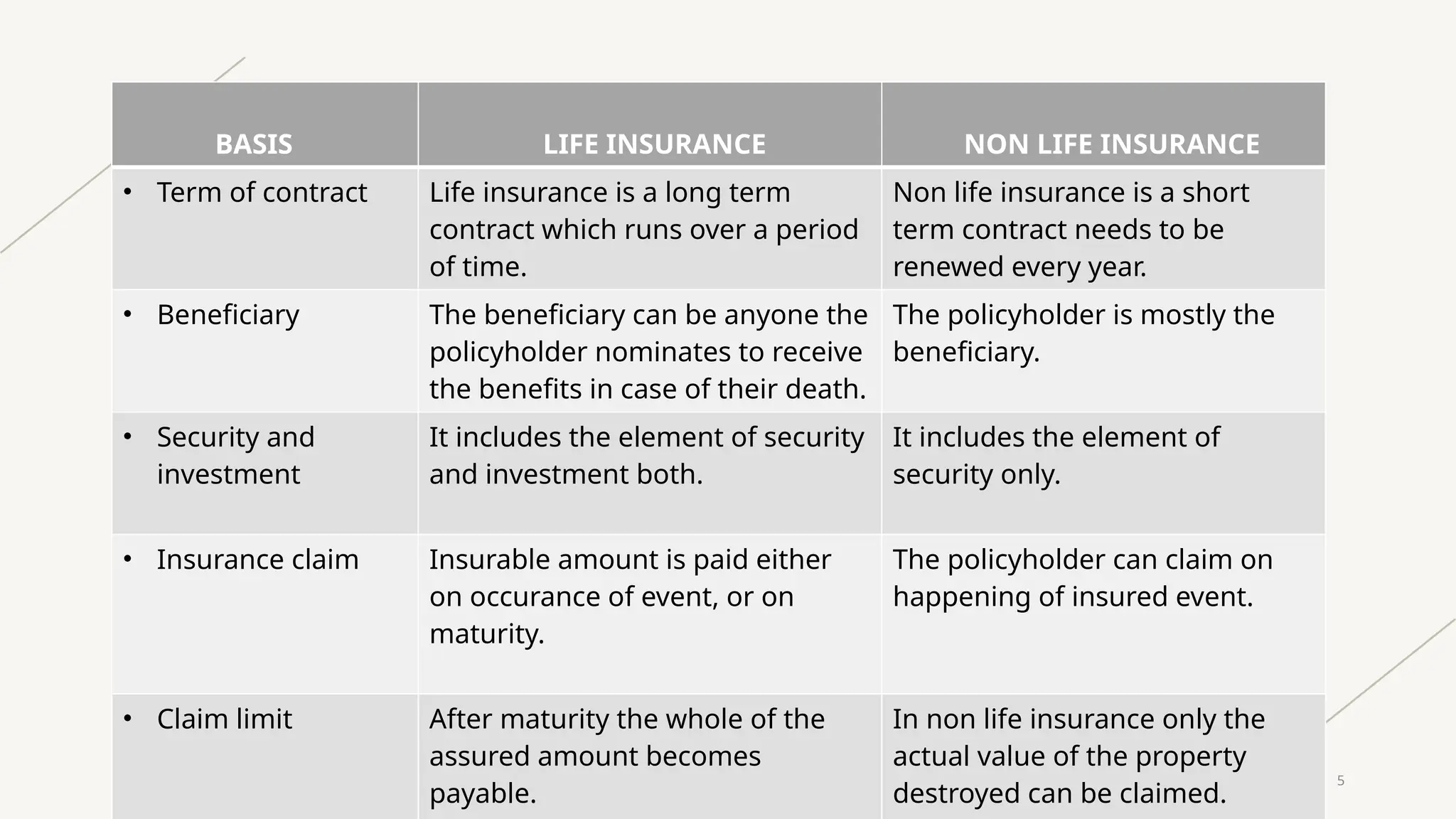
In contract law, a valid agreement requires "consideration," which is something of value exchanged between parties. For the policyholder, the consideration is the payment of the initial premium and the promise to pay future premiums. For the insurer, the consideration is the promise contained within the insuring clause.
Life insurance is generally considered a unilateral contract. This means that only one party—the insurer—makes a legally enforceable promise. The policyholder does not "promise" to pay premiums; rather, the insurer’s promise to pay the death benefit is contingent upon the policyholder choosing to pay those premiums. If the policyholder stops paying, the insurer cannot sue them for the money, but they can (and will) cancel the coverage, thereby nullifying the insuring clause.
Furthermore, the insuring clause is often the first place a court looks during a dispute. Under the legal principle of contra proferentem, if the language in the insuring clause is found to be ambiguous, courts typically rule in favor of the policyholder (the party who did not draft the contract). This places a high burden on the insurance company to ensure the insuring clause is clear and unambiguous.
Where the Insuring Clause Fits in the "Entire Contract"
The insuring clause does not exist in a vacuum. It is part of a broader legal framework within the policy known as the Entire Contract Clause. This provision states that the policy document, any attached riders, and the original application constitute the entire agreement between the parties.
By being the centerpiece of this "entire contract," the insuring clause is protected from outside oral agreements or side promises. If an insurance agent tells you that a policy covers a certain risk, but that risk is not supported by the language in the insuring clause and its related provisions, the written contract will almost always prevail in a court of law.
Interaction with the Incontestable Clause
While the insuring clause promises to pay, the Incontestable Clause acts as a time-limited shield for that promise. In most jurisdictions in 2026, after a policy has been in force for two years, the insurer cannot contest the validity of the insuring clause based on misstatements made in the application (except for extreme cases like fraud in some states). This ensures that the "promise to pay" becomes virtually absolute after the contestability period expires.
Common Variations Across Policy Types
While the core intent of an insuring clause remains the same, the specific wording may vary depending on the type of life insurance product.
Term Life Insurance
In a term life policy, the insuring clause will specify that the death benefit is payable only if the insured dies within a specific "term" or period (e.g., 10, 20, or 30 years). If the insured outlives the term, the insuring clause expires, and the insurer is no longer obligated to pay.
Whole Life and Universal Life
For permanent policies, the insuring clause is often simpler because the coverage is intended to last for the insured's entire life, provided premiums are paid. However, these clauses may also reference the "cash value" component or the "account value," indicating that the total payout might be the face amount plus any accumulated cash value, depending on the specific policy structure.
Accidental Death Riders
If a policy includes an accidental death benefit (often called "Double Indemnity"), the insuring clause for that specific rider will be much narrower. It will state that the additional benefit is only payable if the death results directly from an accident, as defined by the policy, and occurs within a certain timeframe after the accident.
Comparison of Policy Elements Related to the Insuring Clause
The following table illustrates how the insuring clause relates to other standard policy provisions to create a complete insurance agreement.
| Policy Provision | Purpose | Relationship to the Insuring Clause |
|---|---|---|
| Insuring Clause | To state the insurer's basic promise to pay. | The foundation; the "Why" of the contract. |
| Exclusions | To list specific causes of death not covered (e.g., suicide within two years). | Limits the scope of the insuring clause. |
| Consideration Clause | To specify the premium amount and frequency. | Sets the requirement for the insuring clause to remain active. |
| Grace Period | To allow extra time for premium payments. | Prevents the insuring clause from lapsing immediately due to a late payment. |
| Reinstatement | To allow a lapsed policy to be put back in force. | Restores the promise made in the insuring clause after a lapse. |
| Beneficiary Designation | To name the recipient of the funds. | Directs the performance of the insuring clause. |
Important Limitations: What the Insuring Clause Does Not Do
It is a common misconception that the insuring clause is a "blanket" guarantee of payment regardless of circumstances. While it is the primary promise, it is subject to the Exclusions and Limitations section of the policy.
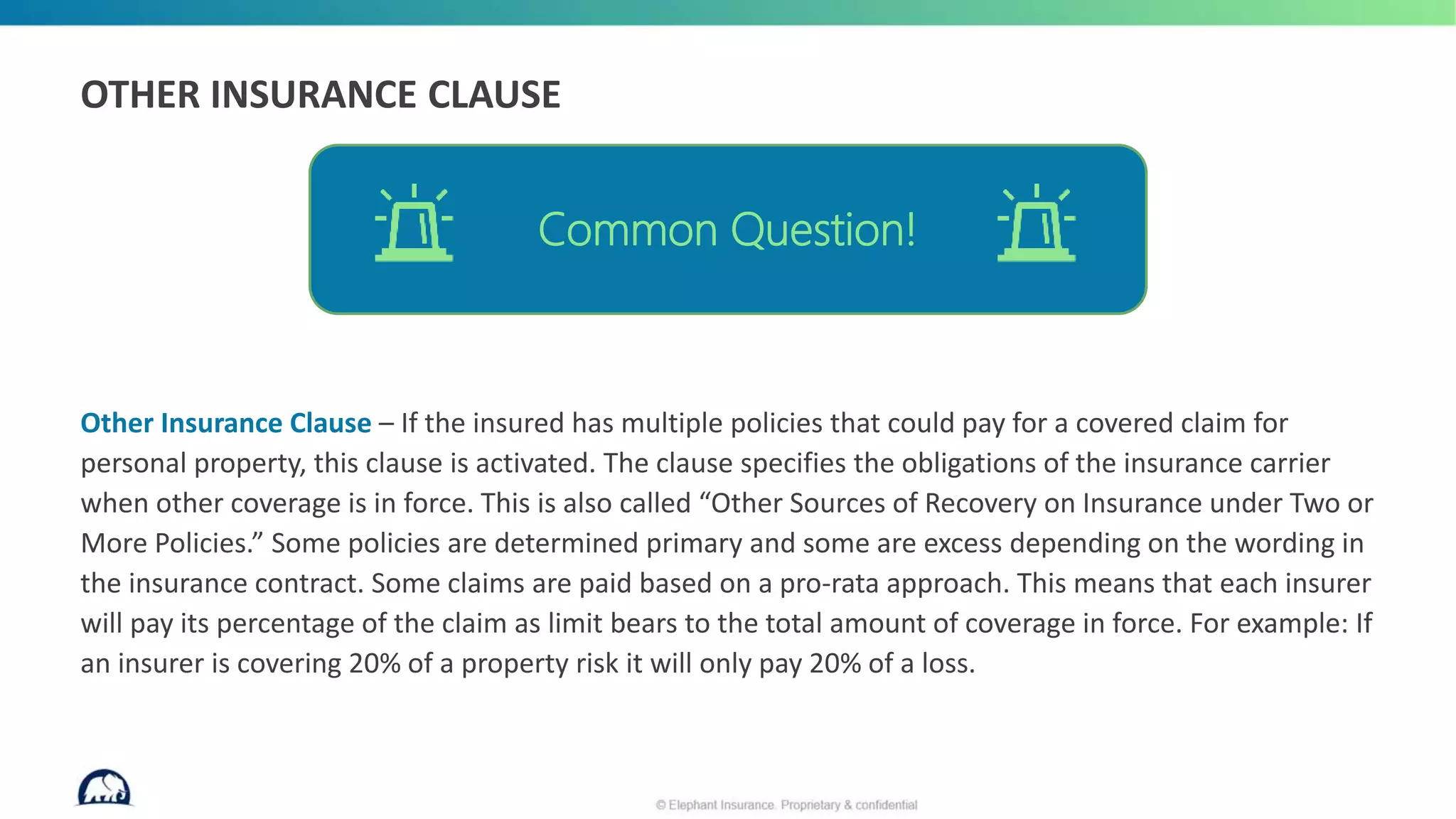
For example, if the insuring clause says the company "will pay the death benefit," but the "Exclusions" section states that deaths resulting from hazardous hobbies (like skydiving) are not covered, the exclusion will modify the insuring clause. In 2026, most policies also include a suicide clause, which limits the insuring clause's payout if the insured takes their own life within the first two years of the policy's issuance.
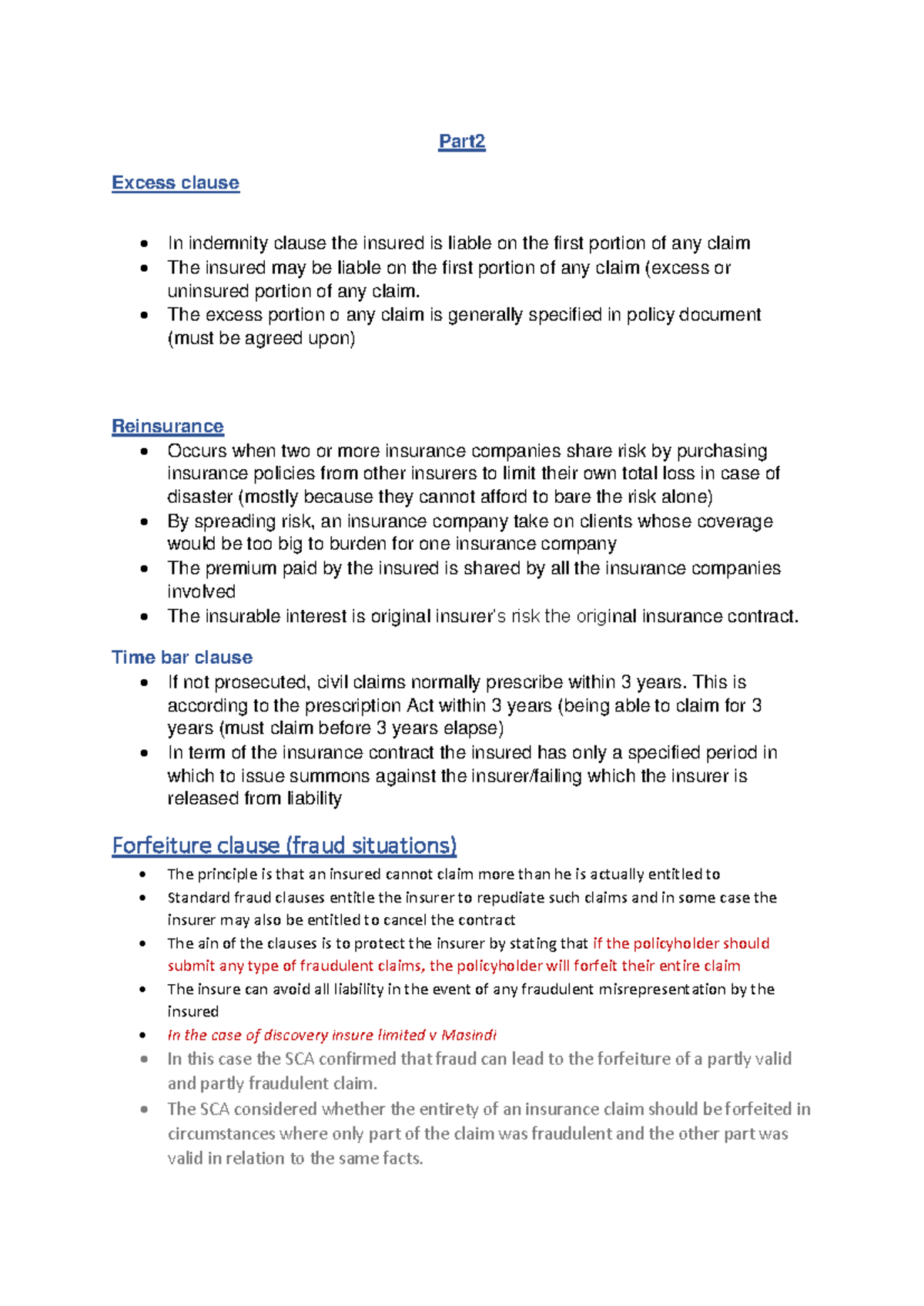
Furthermore, the insuring clause is dependent on the accuracy of the information provided during the underwriting process. If the insured lied about a terminal illness on their application, the insurer may use the Contestability Clause to rescind the contract and refuse to honor the insuring clause, typically returning premiums instead of paying the death benefit.
How to Verify Your Insuring Clause
If you are reviewing your own life insurance policy or that of a loved one, you should follow these steps to ensure you understand the insuring clause:
- Locate the Face Page: Look at the very first page of the policy document. This is where the insuring clause is almost always located.
- Identify the Promise: Look for the specific sentence that begins with "The Company promises to pay..." or "[Name of Insurer] will pay..."
- Check the Face Amount: Ensure the dollar amount mentioned in or near the insuring clause matches what you applied for.
- Verify the Beneficiary: Ensure the beneficiary listed is correct. If the insuring clause says "payable to the beneficiary," check the "Beneficiary Designation" section to see who that is.
- Review the Conditions: Pay attention to phrases like "subject to the provisions" or "in accordance with the terms of this policy." This signals that you must read the rest of the document to see the exclusions.
Expert Guidance for Policyholders in 2026
As of 2026, the National Association of Insurance Commissioners (NAIC) and state regulators have pushed for even clearer language in life insurance contracts. However, the legal weight of the insuring clause remains unchanged. It is the most legally significant sentence in your policy.
When purchasing new coverage, always ask the agent to point out the insuring clause. If you are a beneficiary filing a claim, the insuring clause is your legal basis for demanding payment. If an insurer denies a claim, your legal counsel will likely start by analyzing whether the insuring clause was triggered and whether the insurer has a valid contractual reason (based on exclusions) to refuse payment.
Frequently Asked Questions
Is the insuring clause the same as the "Entire Contract" clause?
No. While they are related, they serve different purposes. The insuring clause is the specific promise to pay the death benefit. The Entire Contract clause is a provision that states the policy and the application make up the whole agreement, preventing the insurer from changing terms later or relying on documents not attached to the policy.
Where can I find the insuring clause in my policy?
The insuring clause is almost always found on the "face page" (the very first page) of the life insurance policy. It is designed to be one of the most prominent and easily accessible parts of the contract so that there is no confusion regarding the insurer's primary obligation.
Can an insurance company change the insuring clause after the policy is issued?
Generally, no. Because life insurance is a contract, the insurer cannot unilaterally change the core promise (the insuring clause) without the policyholder's consent, usually via a signed amendment or rider. However, certain "flexible" policies, like Universal Life, allow for changes in death benefit amounts, but the fundamental promise to pay remains intact.
What happens if the insuring clause and an exclusion contradict each other?
In the event of a contradiction, courts often apply the rule of "contra proferentem," which favors the insured. However, in most well-drafted modern policies, the insuring clause includes a phrase like "Subject to the terms and conditions of this policy," which legally subordinates the insuring clause to the specific exclusions listed later in the document.
Does every insurance policy have an insuring clause?
Yes. Every valid insurance contract—whether for life, health, auto, or property—must have an insuring clause. It is the legal mechanism that defines the risk the insurer is assuming. Without it, the contract would be considered "illusory," meaning it doesn't actually bind the company to do anything.
Does the insuring clause specify how the benefit is paid?
Not usually. The insuring clause states that the benefit will be paid and how much. The method of payment (e.g., a lump sum, an annuity, or a retained asset account) is typically covered in a different section of the policy called "Settlement Options."
Practical Recommendation: Periodically review the face page of your life insurance policy to ensure the insuring clause still aligns with your financial goals. If you have experienced a major life event, such as a marriage or the birth of a child, check that the beneficiary designation—which is the "target" of the insuring clause—is updated. For complex estate planning, consult with a qualified insurance professional or attorney to ensure the insuring clause is properly integrated with your overall financial strategy.
Image Gallery
Select an image to open it in a new tab.

Akira Tanaka
International Academic Trends Correspondent
