
Hope serves as the primary psychological catalyst for participation in clinical research, bridging the gap between current medical limitations and future therapeutic breakthroughs. It sustains patient engagement during rigorous protocols, fosters resilience against adverse effects, and provides the emotional framework necessary for individuals to contribute to scientific progress that may benefit themselves or future generations.
In the landscape of 2026, the clinical research industry has shifted from viewing hope as a purely subjective emotion to recognizing it as a measurable, influential variable in trial success. While traditionally dismissed as "noise" that might interfere with objective data, hope is now understood as a critical component of the patient experience and a driver of retention and compliance. Understanding why hope matters requires a deep look into the psychology of the participant, the ethical responsibilities of the researcher, and the biological intersections of the mind-body connection.
Defining Hope within the Clinical Framework
To understand why hope is indispensable, we must first distinguish it from optimism or "wishful thinking." In a clinical context, hope is a cognitive-motivational state based on a derived sense of successful agency (goal-directed energy) and pathways (planning to meet goals). According to Snyder’s Hope Theory, which remains a cornerstone of psychological assessment in 2026, hope involves the belief that a desired goal is attainable through specific actions.
In clinical trials, this goal is often the stabilization of a disease, the extension of life, or the contribution to a cure. Unlike blind optimism, which expects a good outcome regardless of action, clinical hope is active. Patients participate in trials because they see the research protocol as a viable "pathway" to a "goal" that current standard-of-care treatments cannot reach. This active engagement is what allows a patient to endure the complexities of a Phase II or Phase III trial, involving frequent blood draws, imaging, and potential side effects.
The Psychological Impact on Patient Resilience
Clinical research often involves patients with chronic, life-threatening, or rare diseases. For these individuals, the standard medical options have frequently been exhausted. Hope provides a psychological buffer against the despair that often accompanies a difficult diagnosis.
Resilience and the "Will to Continue"
Participating in a trial is demanding. It requires strict adherence to medication schedules, dietary restrictions, and frequent travel to research sites. When patients possess a high level of "dispositional hope," they exhibit greater resilience. They are more likely to view side effects as manageable hurdles rather than reasons to withdraw from the study. This reduces attrition rates, which is one of the most significant costs and delays in modern drug development.
Quality of Life Improvements
Research has consistently shown that the presence of hope correlates with higher reported quality of life (QoL) scores, regardless of the physical progression of the disease. In 2026, patient-reported outcomes (PROs) are weighted more heavily by regulatory bodies like the FDA and EMA. If hope improves a patient's perception of their well-being, it can influence the overall efficacy profile of a drug, as a patient who feels better is often more mobile, more social, and more compliant with their overall health regimen.
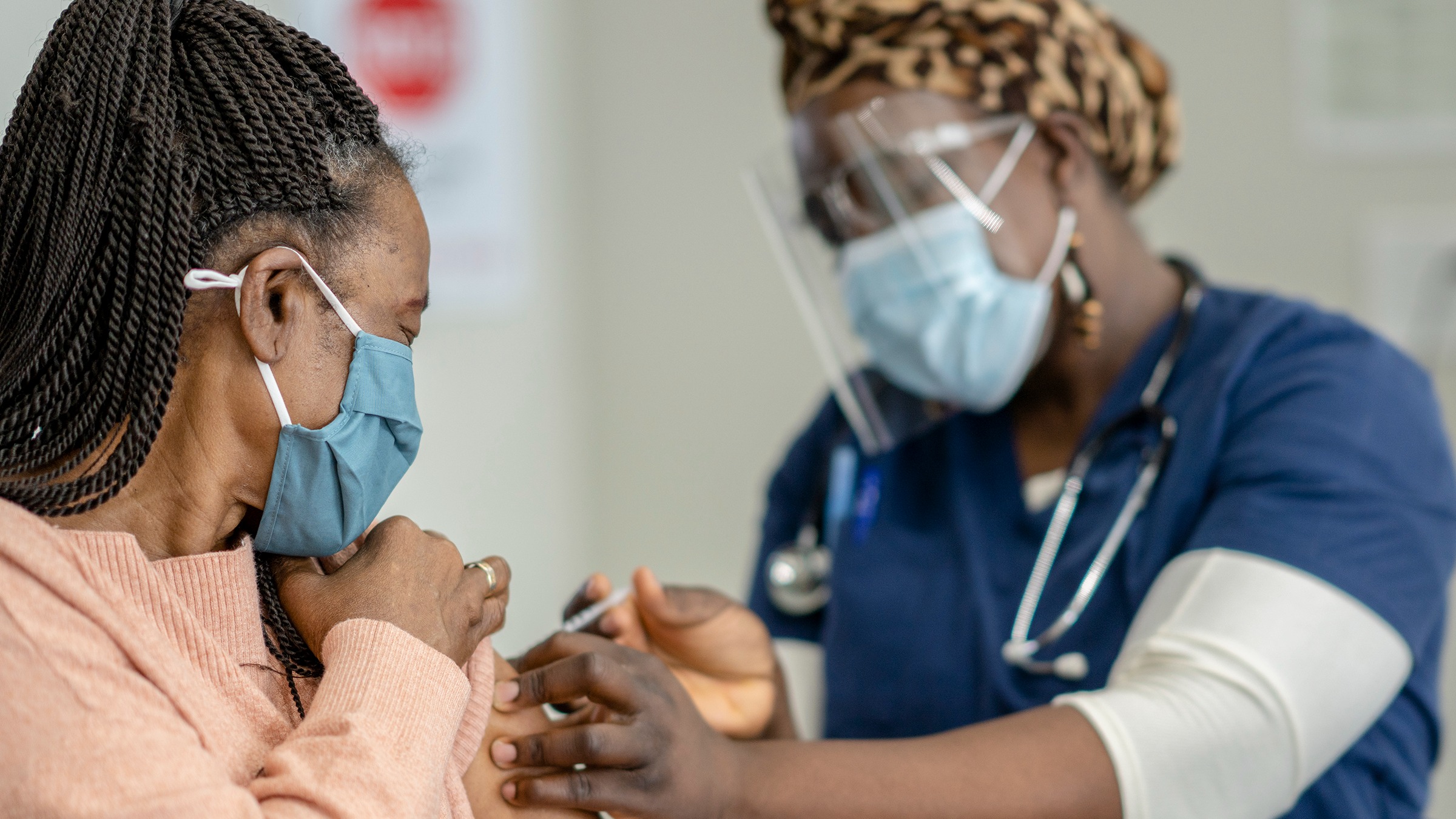
Hope as a Driver of Recruitment and Diversity
The "hope of a better outcome" is the single most cited reason for trial participation. Without this driving force, the recruitment of volunteers—especially in oncology, neurology, and rare disease research—would collapse.
Addressing Unmet Medical Needs
For many patients, a clinical trial represents the only access to cutting-edge science. This "therapeutic hope" is what motivates individuals to take the calculated risk of an experimental treatment. In 2026, as precision medicine becomes more granular, the hope for a "personalized cure" has become a powerful recruitment tool.
Bridging the Diversity Gap
Hope also plays a role in reaching underserved populations. Historical mistrust of clinical research in certain communities can only be overcome by establishing a new foundation of hope—hope that the research is inclusive, that the benefits will reach their community, and that the researchers are invested in their well-being. When clinical trials are framed as an opportunity for empowerment and health equity, hope becomes a social bridge.
The Biological Intersection: Mind-Body Connection
One of the more complex reasons why hope matters is its potential impact on physiological data. While researchers strive for objective measurements, the patient's emotional state can influence biological markers.
The Placebo Effect and Beyond
Hope is a major component of the placebo response. While the placebo effect is often viewed as something to be "controlled for," it demonstrates the power of expectation. Positive expectations can trigger the release of endogenous opioids and dopamine, which can modulate pain and mood. In 2026, sophisticated neuroimaging has confirmed that the "state of hope" can alter neural pathways associated with stress and recovery.
Cortisol and Immune Function
Chronic despair and stress lead to elevated cortisol levels, which can suppress immune function and exacerbate inflammatory conditions. Conversely, a hopeful outlook is associated with lower stress responses. In trials focused on immunology or oncology, the psychological state of the patient can, therefore, potentially impact the body's baseline ability to respond to the experimental intervention.
The Ethical Balancing Act: Hope vs. False Hope
While hope is beneficial, it creates an ethical challenge for investigators. There is a fine line between fostering "informed hope" and propagating "false hope."
Managing the Therapeutic Misconception
The "therapeutic misconception" occurs when a patient believes that the primary goal of a clinical trial is to provide them with personalized treatment, rather than to generate scientific knowledge. Ethically, researchers must ensure that patients understand the experimental nature of the study. Hope must be grounded in the reality of the trial’s phase and its probability of success.
Informed Consent in 2026
Modern informed consent processes in 2026 emphasize transparency about the "uncertainty" of outcomes. Honesty does not destroy hope; rather, it shifts it from a hope for a "guaranteed cure" to a hope for "the best possible chance" or the hope of "contributing to a future solution." This distinction is vital for maintaining the long-term integrity of the researcher-patient relationship.
Comparative Dynamics of Hope in Clinical Settings
The following table outlines how different levels of hope and expectation influence the various stakeholders in clinical research.
| Stakeholder | Role of Hope | Potential Risk | Mitigation Strategy |
|---|---|---|---|
| Patient | Motivation for participation and adherence to protocol. | Disappointment if the trial fails or placebo is assigned. | Transparent communication about trial design and goals. |
| Investigator | Drives the passion for discovery and patient care. | Bias in observing or reporting subjective symptoms. | Double-blind trial designs and objective endpoints. |
| Caregiver | Sustains the emotional support system for the patient. | Caregiver burnout if hope is tied solely to a "cure." | Providing psychological support for the entire family unit. |
| Sponsor | Justifies the high-risk financial investment in R&D. | Over-hyping early results to maintain stock value. | Strict adherence to regulatory reporting standards. |
| Community | Fosters trust in the medical establishment. | Erosion of trust if trials are perceived as exploitative. | Community engagement and diverse recruitment. |
The Role of the Research Team in Cultivating Hope
The behavior of the clinical site staff—nurses, coordinators, and principal investigators—directly impacts the patient’s level of hope. A clinical trial is not just a data-collection exercise; it is a human experience.
- Communication: Clear, empathetic communication about progress (within the bounds of the protocol) helps maintain a patient’s sense of agency.
- Validation: Acknowledging the patient's contribution to science validates their struggle and fosters a sense of purpose.
- Support Systems: In 2026, many trials integrate "patient navigators" or mental health resources specifically to help patients manage the emotional highs and lows of the research journey.
Measuring Hope: The New Metric
As we move through 2026, researchers are increasingly using validated scales to measure hope as a baseline characteristic. Instruments such as the Herth Hope Index (HHI) or the Adult State Hope Scale allow researchers to quantify this once-abstract emotion. By measuring hope, scientists can:
- Correlate baseline hope levels with trial retention.
- Adjust for the placebo effect more accurately.
- Identify patients who may need additional psychological support to remain in the study.
The Ripple Effect: Hope for Future Generations
Perhaps the most profound reason hope matters is its altruistic dimension. Many participants in Phase I trials (safety trials) know they are unlikely to receive a therapeutic benefit themselves. Their hope is redirected toward the "greater good"—the hope that their participation will prevent others from suffering the same fate.
This "legacy hope" is a powerful motivator. It transforms a patient from a victim of a disease into a pioneer of science. This shift in identity is therapeutically beneficial in itself, providing a sense of meaning that can transcend physical illness.
Addressing the Critics: Is Hope a Confounding Variable?
Some critics in the scientific community argue that "hope" is a nuisance variable that introduces bias. If a patient is "too hopeful," they might under-report side effects or over-report improvements to please the investigator.
However, the consensus in 2026 is that the human element cannot—and should not—be removed from clinical research. Instead of trying to eliminate hope, modern trial designs seek to account for it. By using rigorous blinding, objective biomarkers (such as blood levels of a drug or tumor shrinkage on an MRI), and standardized PRO tools, the industry can harness the benefits of patient hope while maintaining the integrity of the data.
Practical Recommendations for Patients and Researchers
For clinical research to thrive, hope must be nurtured responsibly.
For Researchers:
- Prioritize the "therapeutic alliance" by treating patients as partners in discovery.
- Use clear, non-jargon language during the informed consent process to manage expectations.
- Include psychological well-being as part of the overall trial monitoring.
For Patients and Families:
- Ask questions about the "why" behind the trial to build a foundation of informed hope.
- Seek out patient advocacy groups to connect with others in similar research journeys.
- Understand that even if a trial does not result in a personal cure, the data provided is a permanent contribution to medical science.
Summary: A Necessary Element of Progress
Hope is not a luxury in clinical research; it is a fundamental requirement. It fuels the recruitment funnel, sustains the patient through the rigors of participation, and potentially influences the biological environment in which a drug must function. In 2026, the industry recognizes that the most successful trials are those that respect the human spirit's need for a pathway toward a better future. By balancing this hope with scientific rigor and ethical transparency, clinical research continues to turn the "impossible" into the "attainable."
Frequently Asked Questions
Does hope affect the results of a clinical trial? Yes, hope can affect trial results primarily through the placebo effect and patient adherence. Patients with higher levels of hope are more likely to follow the protocol strictly, which leads to cleaner, more reliable data. Conversely, high expectations can sometimes lead to the over-reporting of subjective benefits, which is why researchers use double-blind, placebo-controlled designs to balance these effects.
Can a researcher give a patient "too much" hope? Ethically, yes. If a researcher suggests a treatment is a "miracle cure" or downplays the risks, they are fostering "false hope." This violates the principle of informed consent. The goal is to provide "informed hope," where the patient is aware of the risks and the experimental nature of the study but remains hopeful about the potential for a positive outcome or the value of their contribution.
What happens to a patient's hope if a trial fails? The failure of a trial or the discontinuation of a drug candidate can be devastating for participants. It is the responsibility of the research team to provide "post-trial care" and clear communication. Often, hope is maintained by directing the patient toward other trials or by emphasizing how the "failed" trial provided crucial information that will lead to future successes.
How is hope measured in clinical studies in 2026? In 2026, hope is measured using standardized psychological tools such as the Herth Hope Index (HHI) or Snyder’s State Hope Scale. These are often included in the electronic Patient-Reported Outcomes (ePRO) apps that participants use daily, allowing researchers to track emotional trends alongside physical symptoms.
Is hope different in Phase I vs. Phase III trials? Yes. In Phase I trials, where the goal is safety and dosing, hope is often altruistic—hoping to help future patients. In Phase III trials, where efficacy is being tested on a larger scale, hope is often more personal, as the participant has a higher statistical chance of receiving a therapeutic dose of a drug that has already shown promise.
Image Gallery
Select an image to open it in a new tab.






Vivian Cho
Executive IT and Emerging Technologies Reporter
