How to Start a Consulting Business: A Comprehensive Guide for 2026
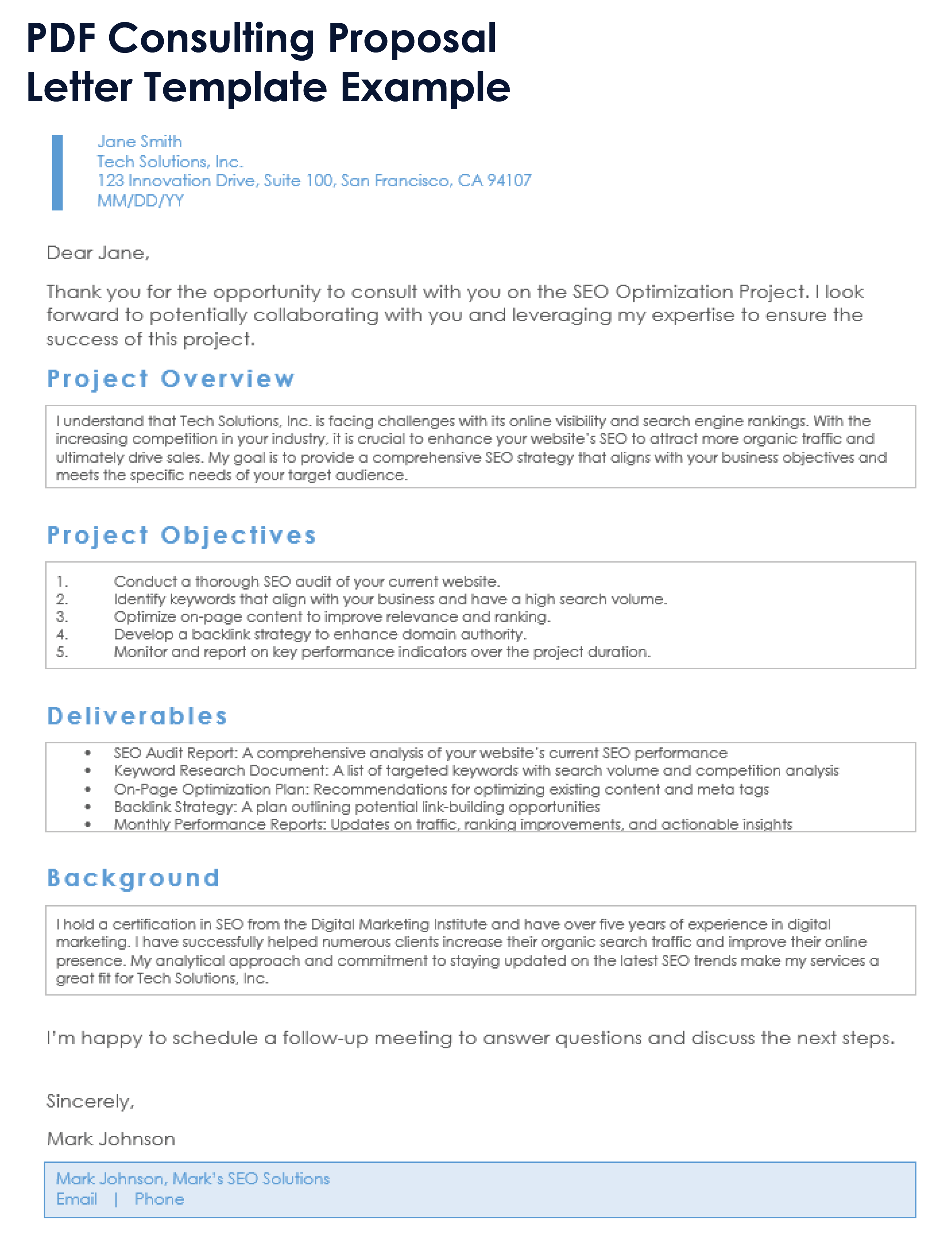
Entering the consulting industry requires a structured approach that bridges deep subject-matter expertise with effective business operations, legal structuring, and client acquisition strategies. Building a sustainable consultancy involves defining a specialized niche, securing appropriate legal entities, establishing a pricing model that reflects your true market value, and implementing repeatable systems to attract and retain corporate or individual clients.
Understanding the Consulting Landscape
Consulting is fundamentally the business of solving complex problems for clients who lack the internal bandwidth, specialized knowledge, or objective perspective required to address them. Before launching an advisory practice, prospective consultants must recognize that success relies as much on business acumen, project management, and relationship-building as it does on technical expertise.
The market generally splits into independent solo practitioners, boutique firms, and large multinational agencies. As an independent consultant, your primary assets are your reputation, intellectual property, and track record. Understanding how to package these assets into clear service offerings is the first step toward building a viable enterprise.
Core Types of Consulting Models
Consultants typically operate under one of several established service delivery frameworks. Selecting the right model dictates your cash flow, daily schedule, and growth potential.
- Advisory Consulting: Focused on high-level strategy, auditing, and recommendations. You diagnose problems and guide executive teams, but internal teams or other vendors execute the solutions.
- Implementation Consulting: Combines strategy with hands-on execution. You design the strategy and actively install software, restructure departments, or manage campaigns alongside client staff.
- Retainer-Based Consulting: Involves ongoing, continuous advisory services for a fixed monthly fee. This model provides predictable recurring revenue and fosters deep, long-term client relationships.
- Project-Based Consulting: Tied to specific deliverables with defined timelines and milestones (e.g., a three-month market entry analysis). Payment is usually structured around milestones.
Defining Your Niche and Expertise
Generalist consultants often struggle to command high fees because clients seek out specialized experts to solve acute, high-stakes pain points. Defining your niche requires synthesizing your professional background, marketable skills, and verified industry demand.
To carve out a profitable niche, evaluate the intersection of three factors:
- Deep Domain Knowledge: What specific tasks or industries have you mastered through years of hands-on employment or enterprise projects?
- Market Pain Points: What costly problems do organizations face in this sector that they are actively willing to pay external experts to resolve?
- Monetary Impact: Can you clearly articulate how your intervention will save a client money, generate new revenue, or mitigate significant operational risk?
| Consulting Specialization | Primary Focus Area | Typical Target Client | Common Value Proposition |
|---|---|---|---|
| Management Consulting | Organizational efficiency, restructuring | Mid-market to Enterprise Corporations | Streamlining operations and reducing overhead costs. |
| IT & Cybersecurity | Infrastructure security, digital transformation | Tech companies, Financial Institutions | Protecting sensitive data and modernizing legacy systems. |
| HR & Talent Strategy | Recruitment pipelines, compliance, culture | Growing Small-to-Medium Businesses (SMBs) | Reducing employee turnover and building scalable hiring systems. |
| Financial Advisory | Capital allocation, tax strategy, M&A support | Private equity firms, Founders | Maximizing valuation and ensuring regulatory compliance. |
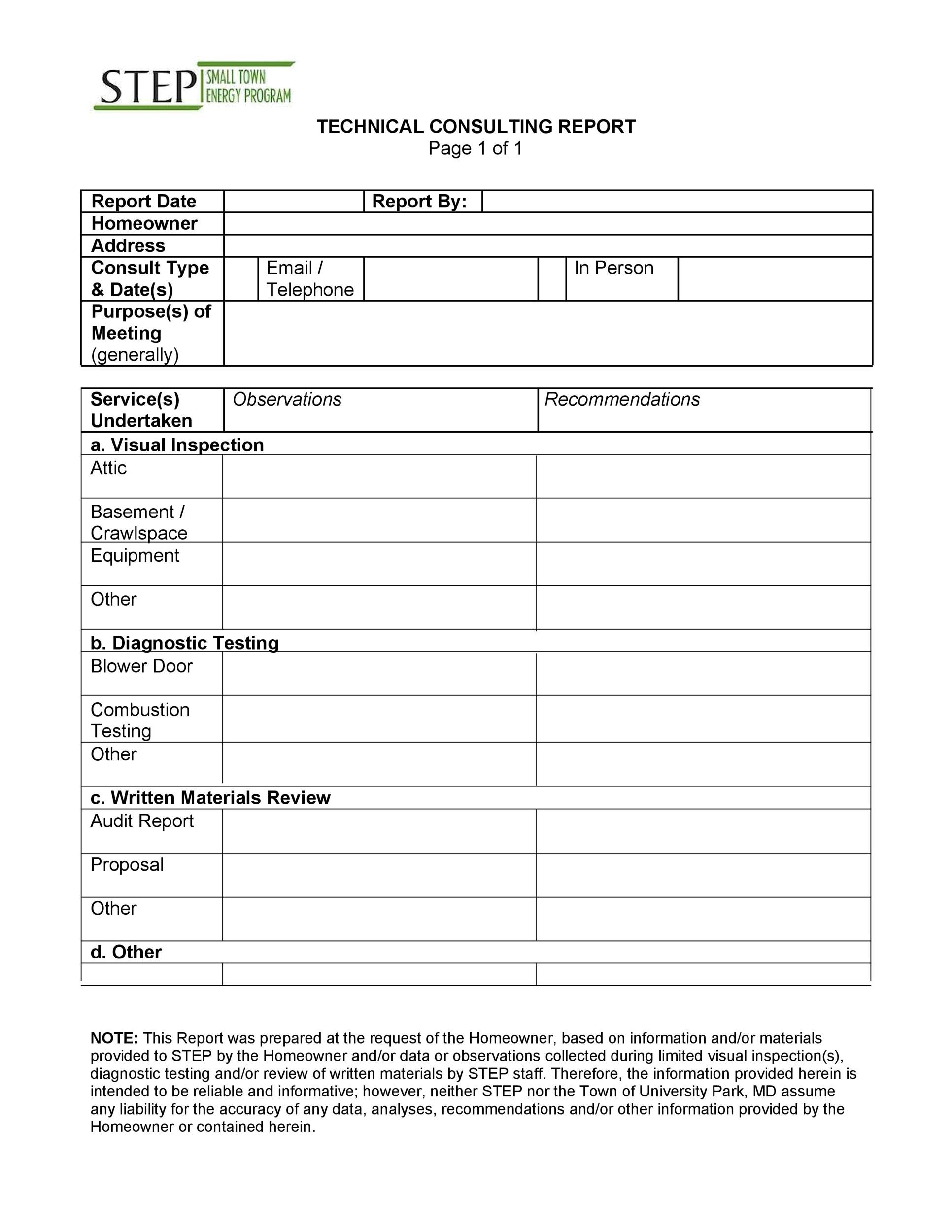
Setting Up the Legal and Operational Foundation
Operating a consultancy requires formal legal structures to protect personal assets from business liabilities and to establish credibility with corporate procurement departments.
Choosing a Business Structure
Most independent consultants begin as a Single-Member LLC (Limited Liability Company) or an S-Corporation, depending on jurisdictional tax laws and revenue projections. An LLC separates personal assets from business debts, shielding you from potential professional liability claims. Consulting firms should also consider registering for a Professional LLC (PLLC) if required by state or national licensing boards for regulated professions such as law, accounting, or engineering.
Essential Legal and Financial Safeguards
- Professional Liability Insurance (Errors & Omissions): Essential for protecting against claims of financial loss or negligence arising from your advice or deliverables.
- Comprehensive Consulting Agreements: Standard contracts that outline scope of work, deliverables, timelines, payment terms, intellectual property ownership, and termination clauses. Never begin work without a signed contract and a deposit.
- Dedicated Business Banking: Open separate checking and savings accounts under your legal business name and Employer Identification Number (EIN) to maintain clean financial records and corporate veil protection.
Pricing Strategies and Packaging Your Services
Pricing is often the most challenging aspect for new consultants. Moving away from hourly billing toward value-based or project-based pricing ensures your income is decoupled from the passage of time and tied directly to the economic value you deliver.
Common Consulting Pricing Models
- Value-Based Pricing: Fees are determined by the projected financial impact or ROI of the project. If your marketing strategy generates $500,000 in new revenue, charging a $50,000 fee represents exceptional value to the client, regardless of how many hours you worked.
- Project-Based Pricing: A fixed fee for a clearly defined scope of work delivered over a specific period. This model requires accurate scoping to avoid scope creep.
- Retainer Agreements: A set monthly fee for an agreed-upon allotment of advisory hours or deliverables. This secures your availability and guarantees predictable monthly revenue.
- Hourly or Daily Rates: Best suited for open-ended troubleshooting, expert witness work, or coaching. While simple to calculate, it caps your earning potential based on available hours.
Client Acquisition and Marketing Strategies
Building a sustainable consulting practice relies on a proactive pipeline development strategy. Relying solely on word-of-mouth referral networks can lead to volatile revenue cycles.
Proven Lead Generation Channels
- Direct Outreach and Account-Based Marketing (ABM): Identify decision-makers (such as CEOs, Chief Operating Officers, or Heads of Procurement) at target companies and initiate conversations by sharing relevant insights, industry teardowns, or case studies.
- Thought Leadership and Content Publishing: Publish deep-dive articles, white papers, or technical case studies on professional networks like LinkedIn or industry publications. Demonstrating deep expertise attracts inbound inquiries from prospective clients seeking specialized solutions.
- Strategic Partnerships: Partner with complementary service providers who serve the same target audience but offer non-competing services. For example, a branding consultant might partner with a web development agency to refer clients back and forth.
- Speaking and Industry Events: Participate in conferences, webinars, and trade panels where target executives gather to discuss industry trends and regulatory changes.
Delivering Results and Managing Client Relationships
Securing the contract is only the beginning. The long-term viability of a consulting business depends on exceptional execution, transparent communication, and managing client expectations.
Best Practices for Project Execution
- Establish a Detailed Statement of Work (SOW): Define explicit boundaries for what is included in the project and what constitutes "out-of-scope" work requiring a formal change order and additional fees.
- Maintain Regular Communication: Implement structured weekly or bi-weekly status updates to review completed milestones, upcoming deliverables, and any roadmaps requiring client input.
- Document Everything: Keep detailed meeting minutes, approval sign-offs, and project artifacts to prevent misunderstandings and protect against scope creep.
- Conduct Post-Project Reviews: Upon completion, review the initial metrics with the client to demonstrate quantifiable ROI, secure a glowing testimonial, and discuss potential follow-on advisory retainers.
Frequently Asked Questions About Consulting
How much experience do I need to start consulting?
Most successful consultants have at least 8 to 10 years of deep operational experience within a specific industry or functional domain. Clients hire consultants because they possess specialized insights, advanced problem-solving capabilities, and a track record of handling complex challenges that internal teams cannot manage alone.
Do I need a certification to become a consultant?
Certifications are not legally required to practice general business consulting, but they can enhance credibility and trust depending on your niche. For example, IT consultants often benefit from security certifications (such as CISSP), while financial advisors require specific regulatory licenses (such as a CFP or CPA) to offer formal financial planning services.
How do I handle scope creep when working with clients?
Scope creep occurs when a project expands beyond the original agreement without a corresponding adjustment in fees or timelines. To prevent this, your consulting agreement should include a strict change-order clause outlining that any tasks outside the agreed-upon SOW will be billed at an additional hourly or project rate.
Should I charge hourly or flat rates for consulting?
Flat-rate or value-based pricing is generally superior for independent consultants because it rewards efficiency and ties your compensation to the results you deliver rather than the hours you spend. Hourly billing penalizes experienced consultants by capping earnings based on time, whereas value-based pricing scales with the scale of the client's problem.
What insurance policies do independent consultants need?
At a minimum, independent consultants should secure Professional Liability Insurance (Errors & Omissions) to protect against claims of professional negligence or financial harm resulting from faulty advice. General Liability Insurance is also recommended if you visit client offices or host in-person workshops.
Next Actions and Implementation
Launching a consulting practice requires deliberate, measured progression. Begin by auditing your professional background to isolate your most profitable and sought-after skillset. Draft a formal business plan, consult with a qualified corporate attorney and tax professional to establish your legal entity, and draft a standardized client contract template. Once your operational foundation is in place, dedicate at least 30% of your weekly schedule to proactive business development and outreach until your initial roster of advisory clients is secured.
Image Gallery
Select an image to open it in a new tab.






Simon Caldwell
Enterprise Technology and Systems Editor
