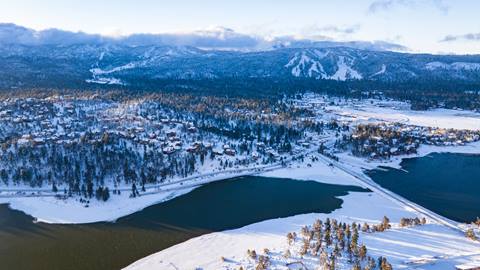
The Big Bear snow season typically begins in late November and extends through early April, with the most reliable conditions occurring during the peak months of January and February. While opening dates depend on early-season temperatures and snowmaking capabilities, most visitors can expect full resort operations to be in effect from mid-December through March.
Located in the San Bernardino National Forest, Big Bear Lake serves as the primary winter playground for Southern California. Unlike the consistent, deep-powder environments of the High Sierra or the Rockies, Big Bear’s season is a sophisticated blend of natural weather patterns and world-class industrial snowmaking. Understanding the nuances of this timeline is essential for planning a successful trip, whether you are looking for fresh tracks, beginner-friendly groomers, or vibrant spring skiing conditions.
Defining the Big Bear Snow Timeline
The "snow season" in Big Bear can be divided into three distinct phases: the early-season ramp-up, the mid-winter peak, and the spring transition. Each phase offers a different experience regarding snow texture, resort crowds, and pricing.
The Early Season (November – December)
The start of the season is almost always dictated by the "wet-bulb" temperature—a measurement that combines ambient temperature and humidity to determine if snowmaking is possible. Big Bear Mountain Resort, which encompasses both Snow Summit and Bear Mountain, typically aims to open at least a few runs by Thanksgiving weekend.
During these early weeks, natural snowfall is often sparse. The resorts rely heavily on their high-tech snowmaking systems to create a "white ribbon of death" (a narrow strip of man-made snow) across the primary runs. Visitors during this period should expect limited terrain, higher concentrations of skiers on open runs, and firm, icy conditions in the early mornings. However, the excitement of the first turns of the year makes this a popular time for local pass-holders.
The Peak Season (January – February)
This is the heart of the Big Bear snow season. By January, the "base"—the accumulated layer of packed snow on the ground—is usually deep enough to allow the resorts to open 100% of their terrain, including side-country areas and advanced glades.
Historically, the most significant winter storms hit the San Bernardino Mountains during these two months. When a "Pineapple Express" or atmospheric river event aligns with cold temperatures, Big Bear can receive several feet of snow in a single weekend. The snow quality is at its best during this window, offering the "hero snow" (soft, forgiving packed powder) that Southern California skiers crave.
The Late Season and Spring Skiing (March – April)
As the calendar turns to March, the character of the snow changes. The days become longer and warmer, leading to "corn snow"—a cycle where the snow melts slightly during the day and freezes at night. This creates a soft, mashed-potato consistency by midday that is exceptionally fun for carving but can be physically demanding on the legs.
The spring season is famous for its festive atmosphere. It is the time of pond skims, outdoor DJs, and goggle tans. While some of the lower-elevation natural snow may begin to recede, the resort bases are typically at their thickest in early March, often allowing operations to continue until the first or second week of April.
The Role of Snowmaking in Big Bear
One cannot discuss the Big Bear snow season without acknowledging the massive infrastructure of Big Bear Mountain Resort. Because Southern California experiences significant volatility in annual precipitation, the resort has invested tens of millions of dollars into one of the most advanced snowmaking systems in the world.
How Snowmaking Extends the Season
The resort utilizes hundreds of "fan guns" and "air-water guns" capable of converting over 6,000 gallons of water per minute into snow. This infrastructure allows the mountain to stay open even during "dry" winters where natural snowfall might be minimal. As long as the nights remain cold (typically below 28°F), the snowmaking teams can repair the trails and maintain a consistent surface. This technology is the primary reason why Big Bear can guarantee a season that lasts nearly five months, regardless of the unpredictable California climate.
Water Usage and Sustainability
The water used for snowmaking is drawn primarily from Big Bear Lake. Interestingly, this process is largely cyclical; when the snow melts in the spring, the runoff flows back into the lake and the local watershed. This management system ensures that the "snow season" does not permanently deplete the region’s most vital natural resource.

Historical Weather Patterns and 2026 Expectations
In 2026, weather patterns continue to be influenced by the oscillation between El Niño and La Niña cycles. While natural snowfall varies significantly year to year—ranging from 50 inches in dry years to over 100 inches in heavy years—the elevation of Big Bear (reaching over 8,800 feet at the peak) generally keeps temperatures low enough for a robust winter.
Temperature Ranges
Throughout the winter season, daytime highs in Big Bear Lake usually hover between 40°F and 50°F. Nighttime lows frequently drop into the teens and twenties. This temperature swing is a critical factor for visitors to understand. The snow will be "bulletproof" (very hard and icy) at 8:00 AM, soften into perfect conditions by 11:00 AM, and potentially become slushy by 2:30 PM.
| Month | Avg High (°F) | Avg Low (°F) | Snow Quality | Typical Crowd Level |
|---|---|---|---|---|
| November | 52° | 24° | Man-made / Firm | Moderate (Thanksgiving) |
| December | 47° | 21° | Variable | Very High (Holidays) |
| January | 46° | 20° | Best / Powder | High (Weekends) |
| February | 46° | 20° | Deep / Packed | High |
| March | 52° | 24° | Spring / Soft | Moderate |
| April | 58° | 29° | Slushy / Thin | Low |
Choosing Between Snow Summit and Bear Mountain
When planning your trip during the snow season, it is important to know that your lift ticket generally grants access to both major properties, which are connected by a free shuttle service.
Snow Summit: The Family Favorite
Snow Summit is widely regarded as the more traditional of the two resorts. It features wide, well-groomed runs that are ideal for intermediate skiers and families. During the peak snow season, Snow Summit’s consistent grooming makes it the best choice for those who want to practice their technique on predictable surfaces. It also hosts the majority of night skiing sessions, which typically run on select weekends and holidays from December through February.
Bear Mountain: The Freestyle Mecca
Bear Mountain, often referred to as "The Park," is world-renowned for its terrain parks. It features an extensive collection of jumps, jibs, and rails, as well as the only Superpipe in Southern California. While it has traditional runs, the "vibe" at Bear Mountain is much more focused on freestyle progression. During the height of the snow season, Bear Mountain attracts a younger, high-energy crowd of snowboarders and freestyle skiers.
Travel Logistics and Road Requirements
The Big Bear snow season brings not just snow to the slopes, but also challenges to the mountain access roads. There are three primary routes up the mountain: Highway 330/18 (The Front Way), Highway 38 (The Back Way), and Highway 18 via Lucerne Valley (The Desert Way).
Snow Chain Requirements
Regardless of the vehicle you drive, you are legally required to carry snow chains in your vehicle when entering the San Bernardino National Forest during the winter months. The California Department of Transportation (Caltrans) frequently enforces "Chain Control" levels:
- R1: Chains or snow tires required on two-wheel-drive vehicles.
- R2: Chains required on all vehicles except four-wheel-drive or all-wheel-drive vehicles with snow-tread tires on all four wheels.
- R3: Chains are required on all vehicles, no exceptions. (Usually, the road is closed before it hits R3).
Failing to have chains in your possession can result in a significant fine and being turned around by the California Highway Patrol (CHP). For real-time updates, travelers should check the Caltrans QuickMap service.
Beyond the Slopes: Other Winter Activities
The Big Bear snow season isn't exclusively for those who downhill ski or snowboard. The region offers several alternative ways to enjoy the winter environment.
Alpine Sliding and Snow Tubing
For families with small children or those looking for a lower-stakes thrill, the Big Bear Alpine Slide at Magic Mountain and the Grizzly Ridge Tube Park at Snow Summit offer groomed tubing runs with "magic carpet" lifts. These areas use the same high-quality snowmaking as the ski runs, ensuring they remain open even during periods of low natural snowfall.
Snowshoeing and Cross-Country Skiing
When natural snow coverage is sufficient (usually January and February), the San Bernardino National Forest offers miles of trails for snowshoeing. The Big Bear Discovery Center is an excellent starting point for information on trail conditions and rentals. These activities provide a quieter, more meditative way to experience the winter landscape away from the resort crowds.
Practical Tips for Your Winter Visit
To maximize your enjoyment during the 2026 snow season, consider the following expert recommendations:
- Book in Advance: Lift tickets at Big Bear Mountain Resort are now dynamically priced. Buying your tickets several weeks in advance can save you 20% to 40% compared to the window price.
- Avoid Holiday Weekends: If possible, avoid Martin Luther King Jr. Day and Presidents' Day weekends. These are the busiest days of the year, with long lift lines and heavy traffic on the mountain roads.
- Monitor the Weather: Use the National Weather Service (NOAA) to track incoming storms. While a storm brings great snow, it also brings road closures and visibility issues. The "sweet spot" is usually the day after a storm has passed.
- Arrive Early: During peak season, the parking lots at the resorts often fill up by 8:30 AM. Aim to be in the town of Big Bear Lake by 7:30 AM to ensure a smooth start to your day.
- Hydrate and Protect: Big Bear's elevation is over 6,700 feet at the lake level. The air is dry, and the sun is intense when reflected off the snow. Drink twice as much water as you think you need and wear SPF 30+ sunscreen even on cloudy days.
Frequently Asked Questions
Is there always snow in Big Bear in December?
While there is almost always snow on the resort runs in December due to snowmaking, there is no guarantee of natural snow on the ground in the town itself. If you are looking for a "White Christmas" experience, the ski resorts will provide the snow, but the surrounding forest may still be dry unless a natural storm has recently passed through.
When is the cheapest time to visit Big Bear for snow?
The most affordable times are typically mid-week in early December or late March. During these periods, lodging rates in the valley drop significantly, and the resorts often offer mid-week "locals" discounts or bundled ticket deals.
Can I see snow in Big Bear without skiing?
Yes. Many visitors come to Big Bear simply to enjoy the winter atmosphere. You can visit the Village for shopping and dining, take a scenic Sky Chair ride at Snow Summit (which allows foot traffic), or visit the dedicated snow play areas for tubing and sledding.
Do I need a 4WD vehicle to go to Big Bear in the winter?
A 4WD or AWD vehicle is highly recommended but not strictly necessary as long as you carry chains and know how to install them. However, during active snowstorms, 4WD vehicles with snow tires provide a much safer and more reliable experience on the steep mountain grades.
What is the best month for "powder days"?
Statistically, February is the best month for deep, natural powder. This is when the Pacific storm track is usually most active and the base depths are at their peak, allowing for the opening of steeper, ungroomed terrain.
Next Steps for Planning
To ensure the best possible experience, your next action should be to check the current snow report and trail status on the official Big Bear Mountain Resort website. If you are planning a trip for the peak months of January or February 2026, secure your lodging at least one to two months in advance, as the best cabins and hotels near the slopes tend to book up quickly once the first snow falls.
Image Gallery
Select an image to open it in a new tab.
Omar Farooq
EdTech Innovation and Virtual Pedagogy Journalist
