Effective Ways to Boost Metabolism: Simple Lifestyle Strategies for Sustained Energy
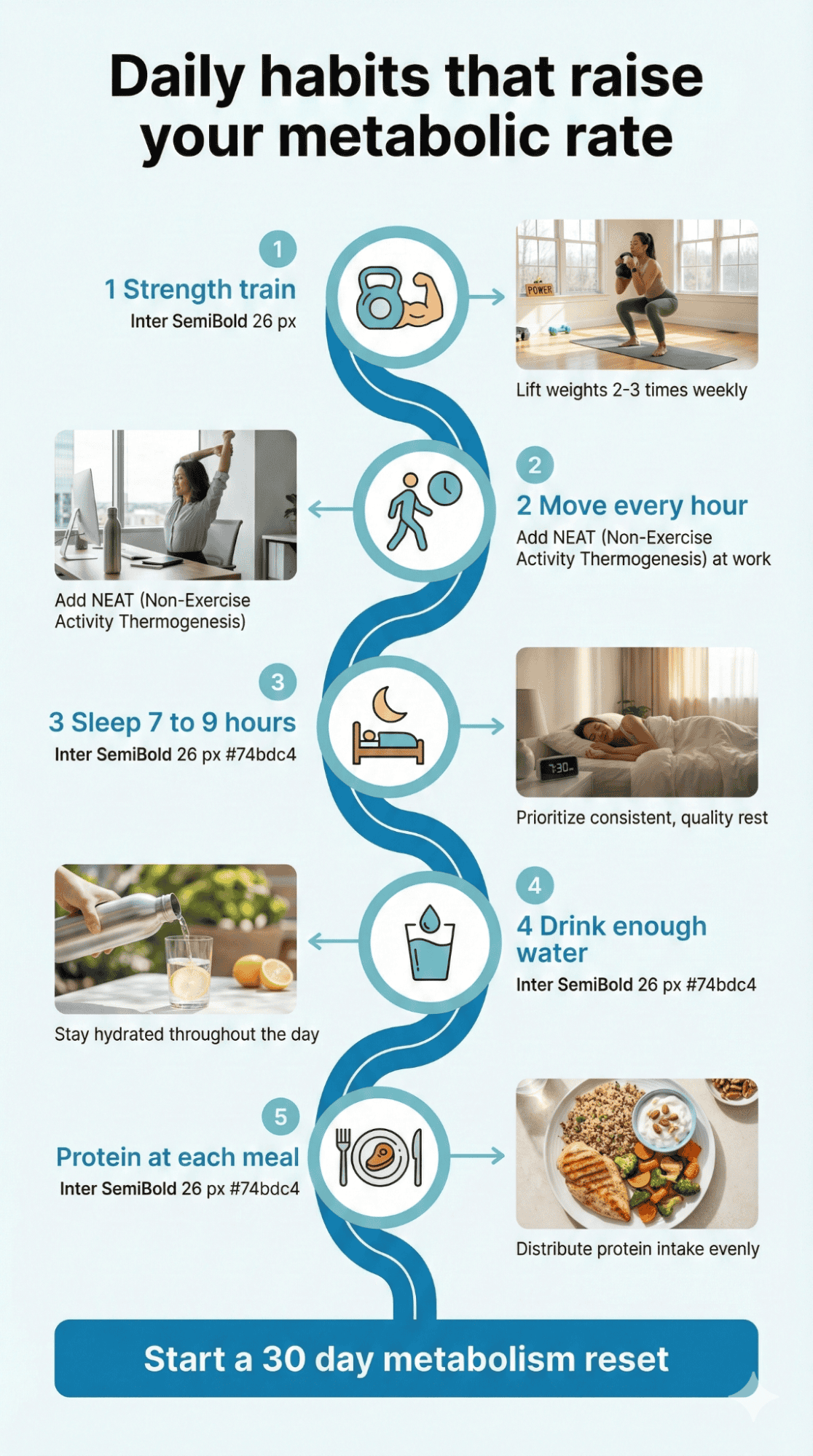
Boosting your metabolism involves optimizing how your body converts food and drink into energy, a process governed by your basal metabolic rate (BMR), thermogenesis, and physical activity. By integrating specific, evidence-based lifestyle changes—such as increasing protein intake, prioritizing strength training, maintaining hydration, and optimizing sleep—you can influence your metabolic efficiency. These adjustments focus on long-term sustainability rather than unsustainable quick fixes.
Understanding the Components of Metabolism
Metabolism is not a singular switch that can be turned on or off; it is the sum of all chemical reactions in your body that sustain life. When people discuss "boosting" their metabolism, they are typically referring to increasing their total daily energy expenditure (TDEE). Understanding how this works is the first step toward effective management.
Your TDEE is composed of three main factors:
- Basal Metabolic Rate (BMR): This accounts for 60% to 75% of your total calories burned. It is the energy required to keep your body functioning at rest, including breathing, circulating blood, and maintaining cell health.
- Thermic Effect of Food (TEF): This is the energy your body uses to digest, absorb, and process the nutrients in the food you eat. Protein has a significantly higher TEF compared to fats or carbohydrates.
- Physical Activity: This includes both structured exercise (like weightlifting or running) and non-exercise activity thermogenesis (NEAT), which encompasses every movement you make throughout the day that isn't formal exercise—such as walking, standing, or even fidgeting.
The Role of Protein Intake in Metabolic Health
Dietary choices have a profound impact on your metabolic rate, specifically through the Thermic Effect of Food. Among the three macronutrients, protein requires the most energy for the body to process. While dietary fat uses only 0–3% of its energy content for digestion, and carbohydrates use 5–10%, protein uses 20–30%.
Prioritizing high-quality protein sources—such as lean poultry, fish, eggs, legumes, and tofu—not only increases calorie burn during digestion but also plays a critical role in muscle protein synthesis. Because muscle tissue is more metabolically active than adipose tissue (body fat), maintaining muscle mass through adequate protein intake is one of the most effective ways to keep your BMR elevated. Aiming for a consistent protein intake throughout the day, rather than consuming the majority of it at dinner, can help maintain muscle mass and satiety.
Strength Training and Muscle Maintenance
Muscle is the metabolic engine of the body. As individuals age, a natural process known as sarcopenia—the loss of skeletal muscle mass—tends to occur, which can lead to a gradual decrease in BMR. Engaging in consistent resistance training is the most effective countermeasure.
When you lift weights or use resistance bands, you create micro-tears in muscle fibers. The process of repairing these fibers consumes energy and eventually leads to muscle growth. Because muscle tissue requires more calories to maintain than fat tissue, even a modest increase in muscle mass can lead to an increase in your resting metabolic rate. For maximum benefit, aim for at least two to three strength-training sessions per week, focusing on compound movements that recruit multiple muscle groups, such as squats, lunges, push-ups, and rows.
The Underrated Power of NEAT
Non-Exercise Activity Thermogenesis (NEAT) is perhaps the most variable component of your metabolic rate. While you may only spend one hour in the gym, the remaining 15 or more hours of your waking day offer significant opportunities to burn calories.
Small, frequent movements accumulate over time. Strategies to increase NEAT include:
- Standing desks: Switching from a seated position to standing intermittently throughout the workday.
- Walking meetings: Taking calls or discussions while walking rather than remaining stationary.
- Taking the stairs: Choosing stairs over elevators whenever possible.
- Active commuting: Incorporating walking or cycling into your daily travel routine.
These actions may seem negligible individually, but over the course of a week, they can account for a substantial difference in total calorie expenditure compared to a largely sedentary lifestyle.
Hydration and Temperature Regulation
Water is essential for metabolic processes; even mild dehydration can potentially slow down these reactions. Studies indicate that drinking water can temporarily increase resting metabolism, a phenomenon often attributed to the body’s need to expend energy to heat the ingested water to body temperature.
Furthermore, some evidence suggests that exposure to cooler environments may stimulate brown adipose tissue (BAT), a type of fat that burns calories to generate heat. While "cold therapy" is not a magic solution for metabolic health, keeping your environment at a comfortable, slightly cooler temperature rather than overheating your home may support more natural thermoregulation.
Sleep Hygiene and Metabolic Regulation
Sleep is the period during which the body performs crucial maintenance and hormonal regulation. A lack of quality sleep is strongly associated with metabolic dysregulation. Sleep deprivation can disrupt the balance of ghrelin and leptin—the hormones responsible for regulating hunger and satiety. High levels of ghrelin (the hunger hormone) coupled with low levels of leptin (the fullness hormone) can lead to increased caloric intake and potential weight gain.
Furthermore, chronic sleep debt can increase cortisol levels, which is linked to fat storage, particularly in the abdominal region. To support a healthy metabolism, prioritize 7 to 9 hours of quality sleep per night. Establishing a consistent sleep schedule, limiting blue light exposure before bed, and keeping your sleeping environment dark and quiet are fundamental strategies for improving sleep quality.
Comparing Metabolic Optimization Strategies
The following table summarizes the impact and implementation of various metabolic strategies.
| Strategy | Primary Mechanism | Implementation Difficulty | Relative Metabolic Impact |
|---|---|---|---|
| Resistance Training | Increases muscle mass | Moderate | High |
| High Protein Diet | Increases TEF | Low | Moderate |
| Increasing NEAT | Increases daily movement | Low | Moderate/High |
| Sleep Optimization | Regulates hormones | Moderate | High |
| Hydration | Supports metabolic reactions | Very Low | Low |
Potential Pitfalls and Common Mistakes
A frequent mistake in metabolic management is the adoption of "starvation diets" or extremely low-calorie protocols. When you drop your calorie intake too low for an extended period, the body may enter an adaptive state—sometimes referred to as metabolic adaptation or "starvation mode"—where it becomes hyper-efficient at burning fewer calories to preserve energy. This often results in a plateau in weight management and a potential loss of muscle mass.
Another common oversight is relying on "metabolism-boosting" supplements. Currently, there is no scientifically validated, safe pill or supplement that significantly alters metabolic rate in a way that provides sustained health benefits. Many products marketed for this purpose lack rigorous clinical evidence and may carry safety risks. Always prioritize whole-food nutrition and consistent physical activity over proprietary supplement blends.
FAQ: Frequently Asked Questions
Does eating spicy food really boost my metabolism? Some studies suggest that capsaicin, the active compound in chili peppers, may cause a temporary increase in thermogenesis. However, the effect is generally modest and short-lived. It is better viewed as a flavor-enhancing tool rather than a primary method for altering metabolic health.
Can I reset my metabolism after a period of poor diet? Yes, but not through a "reset" or "detox" plan. Metabolism is a flexible, responsive system. By gradually increasing protein intake, reintroducing resistance training, and normalizing your sleep patterns, your body will shift back to a more efficient state over weeks and months of consistency.
Is it better to eat many small meals or fewer large meals? For most people, the total daily intake of calories and nutrients matters significantly more than meal frequency. While there is a slight thermic effect associated with the act of eating, it does not reliably lead to meaningful metabolic advantages by spreading meals out. Choose a meal pattern that promotes adherence and satiety.
How does age affect my metabolism? While metabolic rate does naturally decline slightly with age, much of this shift is driven by the loss of muscle mass and reduced physical activity levels. By focusing on strength training to maintain muscle, you can significantly mitigate these age-related changes.
Next Steps for Metabolic Success
To effectively support your metabolic health, start by making one or two sustainable changes rather than attempting a total lifestyle overhaul. Begin by auditing your daily activity levels and setting a goal to increase your NEAT through small, consistent additions, such as a 15-minute walk after meals. Next, evaluate your protein intake to ensure you are consuming a high-quality source at every meal. Consistency over months and years, rather than intensity over days, is the key to maintaining a healthy, functional metabolism. If you have underlying health conditions or are considering significant changes to your diet and exercise, consult with a qualified healthcare professional or a registered dietitian to ensure your approach is safe and appropriate for your individual needs.
Image Gallery
Select an image to open it in a new tab.


Lars Thomsen
Global Labor Markets and Economic Strategy Editor
