
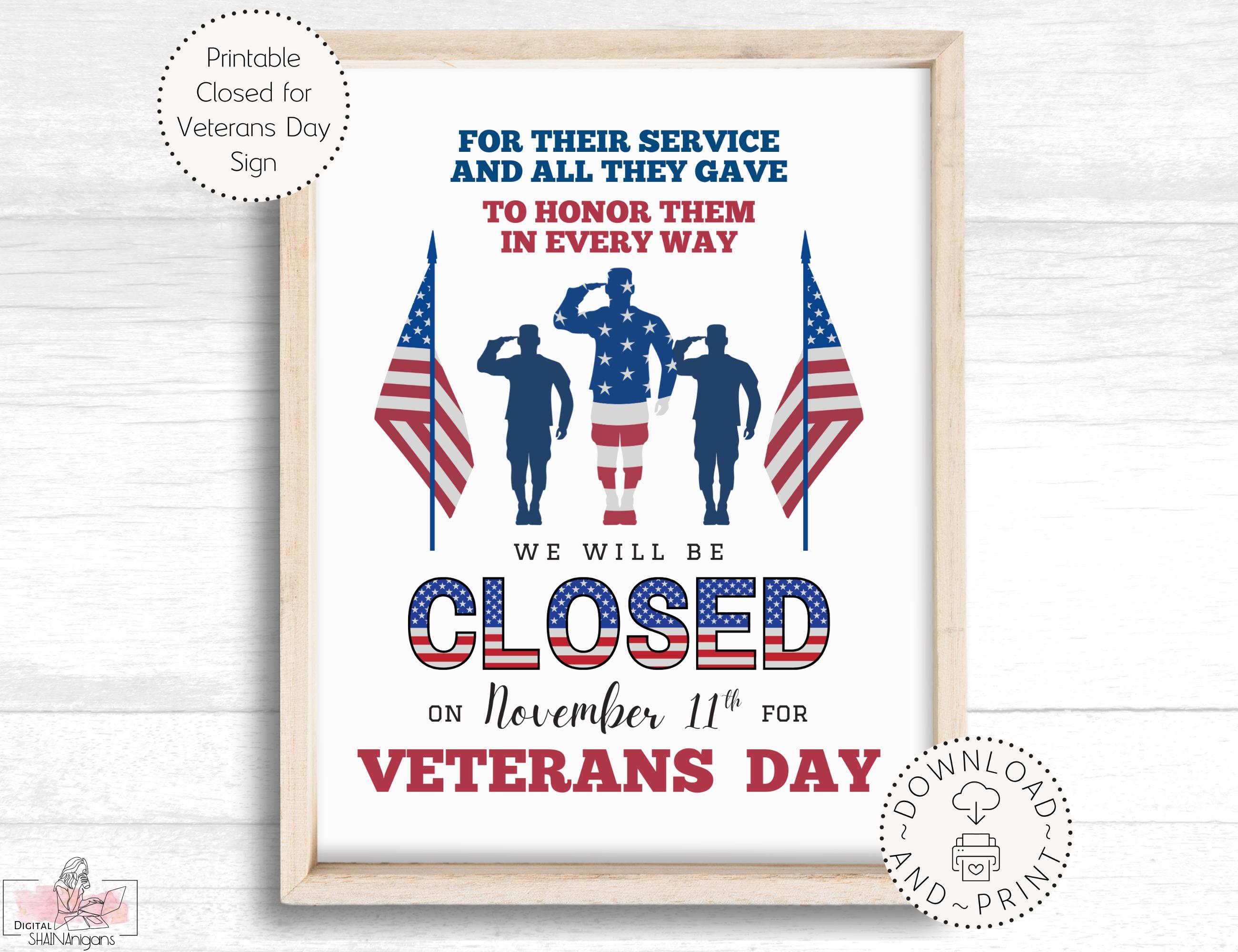
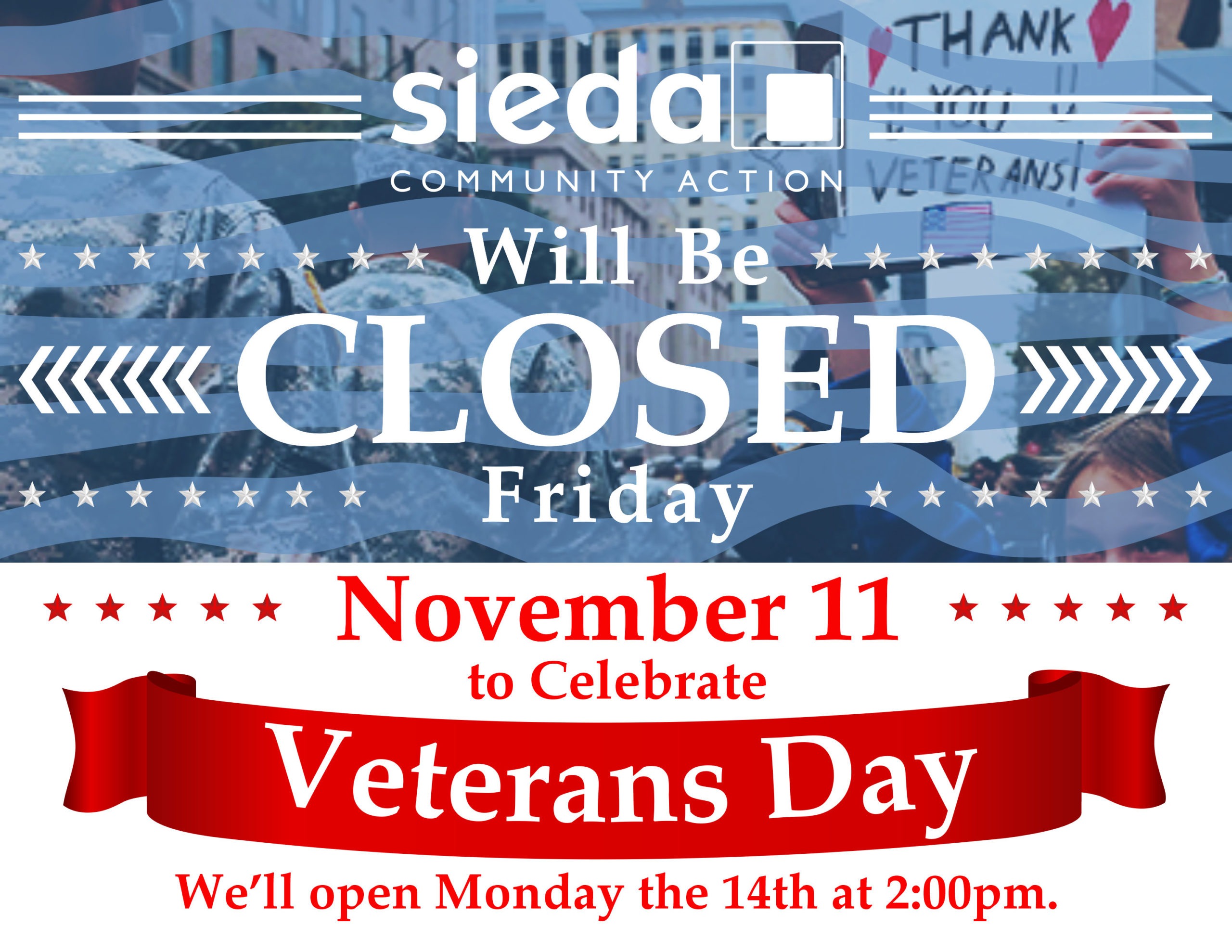
Understanding Veterans Day closures requires distinguishing between federal organizations, state agencies, financial institutions, and private commercial enterprises. Because Veterans Day is a federal public holiday established by the United States government, federal services, courts, and mail delivery pause entirely, while retail establishments, restaurants, and private logistics companies generally maintain normal or slightly modified operations.
Understanding Veterans Day and Federal Holiday Status
Veterans Day, observed annually on November 11th, honors all military veterans who have served in the United States Armed Forces. Established originally as Armistice Day by President Woodrow Wilson in 1919 to mark the end of World War I, the day was officially renamed Veterans Day in 1954 by Congress to honor American veterans of all wars. As a federal holiday designated under United States federal law (5 U.S.C. 6103), it carries specific closures and operational impacts across the public sector.
When November 11th falls on a weekend, the federal government observes the holiday on the adjacent weekday. If the holiday lands on a Saturday, federal employees typically receive the preceding Friday off; if it falls on a Sunday, it is observed on the following Monday. This observance rule directly influences which establishments close their doors, shifting administrative timelines, government processing windows, and public service availability. Understanding these nuances prevents scheduling errors for citizens attempting to conduct government business, mail packages, or access financial institutions.
Federal, State, and Local Government Offices
The most profound operational closures on Veterans Day occur within the public sector. Because the holiday is mandated by federal statute, all non-essential federal government agencies suspend operations for the day.
Federal Agencies and Civil Services
Federal offices, including the Social Security Administration, passport agencies, federal courts, and national parks administrative offices, remain closed. Citizens cannot access in-person services at federal buildings, and customer service phone lines for agencies like the IRS or the Department of Veterans Affairs (aside from emergency crisis lines) operate on holiday schedules or remain unstaffed. However, online portals and automated self-service tools remain accessible, though processing of requests, applications, and document filings does not resume until the following business day.
State, County, and Municipal Governments
Unlike federal employees, state and local government workers are governed by state laws and municipal ordinances. While the vast majority of state governments align their holiday schedules with the federal calendar, closure status can vary by jurisdiction:
- State Departments of Motor Vehicles (DMVs): Almost universally closed on Veterans Day, meaning driver's license renewals, vehicle registrations, and title transfers must be completed prior to the holiday or online.
- County Courthouses and City Halls: Typically closed, suspending municipal court sessions, property tax payments, and local administrative hearings.
- Public Libraries: Generally closed in alignment with municipal holiday schedules, though digital lending platforms remain functional.
Financial Institutions: Banks, Credit Unions, and the Stock Market
Navigating financial transactions on Veterans Day requires careful planning because the financial sector follows specific holiday closures tied to federal reserve schedules.
Commercial Banks and Credit Unions
Traditional brick-and-mortar locations for major national banks (such as Chase, Bank of America, Wells Fargo) and local credit unions are closed on Veterans Day. Customers cannot conduct teller transactions, open physical accounts in person, or speak with loan officers inside branches.
Despite physical branch closures, banking is far from paralyzed:
- ATMs: Fully operational for cash withdrawals, deposits, and basic account transfers.
- Mobile and Online Banking: Functional for checking balances, depositing checks via smartphone cameras, and initiating internal transfers.
- ACH and Wire Transfers: Electronic payments, direct deposits, and wire transfers may experience processing delays. Because the Federal Reserve banks are closed, automated clearing house (ACH) transactions typically do not settle on federal holidays, meaning funds transfers between different banking institutions may post a day later than usual.
Stock Markets
Major United States stock exchanges, including the New York Stock Exchange (NYSE) and Nasdaq, remain open for normal trading hours on Veterans Day. Bond markets, managed by the Securities Industry and Financial Markets Association (SIFMA), may observe an early close or holiday schedule depending on the specific year's calendar alignment, but equity markets operate without interruption.
Postal Services and Shipping Carriers
Mail delivery and package logistics experience significant alterations on Veterans Day, impacting personal and commercial correspondence.
United States Postal Service (USPS)
The USPS is a federal independent establishment, meaning it observes all federal holidays. On Veterans Day:
- Mail Delivery: Regular mail delivery is suspended. Letter carriers do not deliver residential or business mail.
- Post Office Locations: Retail customer service windows inside post offices are closed.
- Package Services: Priority Mail Express, which operates 365 days a year, may still deliver select items, but standard package delivery is paused. Drop boxes remain accessible for mail collection, but contents are not cleared until the next business day.
Private Shipping Carriers
Private logistics companies do not observe federal holidays in the same manner as the USPS. Consequently:
- United Parcel Service (UPS): UPS stores, freight services, and ground/air delivery operations remain open and run on normal schedules.
- FedEx: FedEx Express, Ground, Freight, and Office locations remain open and operate regular delivery routes.
| Service or Institution | Open or Closed | Operational Details |
|---|---|---|
| USPS | Closed | No regular mail delivery; post office retail windows closed. |
| UPS & FedEx | Open | Normal delivery and shipping operations continue. |
| Federal Government Offices | Closed | Non-essential agencies, courts, and passport offices suspended. |
| State DMVs & City Halls | Closed | Varies slightly by municipality, but overwhelmingly closed. |
| Banks & Credit Unions | Closed | Physical branches closed; ATMs and mobile banking active. |
| Stock Markets (NYSE/Nasdaq) | Open | Normal equity trading hours maintained. |
| Public Schools | Varies | Some districts close for the holiday; others remain open. |
| Retail Stores & Restaurants | Open | Standard operating hours; many offer veteran discounts. |
Public Schools and Higher Education
Public school closures on Veterans Day are subject to state and local school board policies rather than strict federal mandates, leading to a patchwork of operational statuses across the country.
K-12 Public Schools
In many school districts across the United States, public elementary, middle, and high schools are closed on Veterans Day. School districts often use this time to incorporate teacher professional development days or align with municipal holiday schedules. However, a notable number of school districts remain open, incorporating patriotic assemblies, history lessons, and community veteran recognition events into the daily curriculum. Parents must check directly with their local district calendar to confirm operational status.
Colleges and Universities
Public and private universities exhibit similar variability. While some higher education institutions cancel classes to observe the federal holiday, many major universities remain open, holding regular lectures and seminars. Administrative offices at universities may close or operate with skeleton crews, but academic schedules often proceed uninterrupted.
Retail, Grocery Stores, and Restaurants
Unlike federal institutions, the commercial and retail sector remains fully active on Veterans Day. Because the holiday does not carry mandatory commercial closures like Christmas Day or Thanksgiving, private businesses seize the opportunity to serve consumers.
Grocery Stores and Retailers
Major supermarket chains, big-box retailers (such as Walmart and Target), department stores, and local convenience stores are open during their regular business hours. Shopping centers and malls operate normally.
Restaurants and Dining
Dining establishments, coffee shops, and fast-food chains remain open. In fact, Veterans Day is widely recognized in the restaurant and retail industries as a prominent day for promotional activity. Countless national restaurant chains and local eateries offer free meals, specialized discounts, or promotional deals to active-duty military personnel, reservists, and veterans as a gesture of gratitude. Valid military identification, a veteran organization card, or proof of service is typically required to redeem these offers.
Frequently Asked Questions
Are banks closed on Veterans Day?
Yes, physical branches of commercial banks and credit unions are closed on Veterans Day because it is a federal holiday. However, automated teller machines (ATMs), mobile banking applications, and online banking platforms remain fully functional for account management and deposits, though electronic funds transfers and ACH settlements may be delayed until the next business day.
Does mail get delivered on Veterans Day?
No, the United States Postal Service does not deliver regular mail on Veterans Day, and local post office retail counters are closed. Conversely, private shipping carriers such as UPS and FedEx operate normally, maintaining regular pickup and delivery schedules for all domestic and international services.
Are public schools closed on Veterans Day?
Public school closures vary by state and local school district. While many K-12 school districts close for the holiday or utilize the day for teacher training, a significant number of districts keep schools open while hosting special commemorative assemblies and educational programs honoring military veterans.
Are the stock markets open on Veterans Day?
Yes, major U.S. stock exchanges, including the New York Stock Exchange and Nasdaq, remain open for normal trading hours on Veterans Day. Bond markets may observe modified schedules, but equity trading proceeds without interruption.
Do government offices close for Veterans Day?
All non-essential federal government agencies, federal courts, and passport acceptance facilities close on Veterans Day. State and local government offices, including Departments of Motor Vehicles (DMVs), county courthouses, and municipal offices, are also closed in the vast majority of jurisdictions.
Image Gallery
Select an image to open it in a new tab.


Celine Dubois
Contemporary Living and Global Arts Columnist
