
A security reference architecture for the cloud is a formalized, modular blueprint that dictates how an organization implements identity management, network segmentation, data protection, and threat detection across cloud-native environments. By standardizing these controls, enterprises can ensure consistent security posture, simplify compliance audits, and accelerate the secure deployment of new cloud services while minimizing human-error risks.
The Necessity of Standardized Cloud Security
In modern enterprise environments, the rapid adoption of multi-cloud and hybrid-cloud strategies often leads to "configuration drift," where different teams apply disparate security settings. A security reference architecture acts as the central source of truth. It is not merely a static document but an evolving framework that translates abstract corporate security policies into technical implementation requirements.
For organizations operating in 2026, the complexity of cloud-native environments—characterized by ephemeral workloads, microservices, and serverless architectures—renders traditional perimeter-based security obsolete. A robust reference architecture shifts the focus toward a Zero Trust model, ensuring that every request, user, and device is continuously verified regardless of its location relative to the corporate network boundary.
Core Components of Cloud Security Reference Architectures
To build a functional architecture, security architects must address several foundational layers. Each layer requires specific integration points with cloud provider services, such as AWS, Microsoft Azure, or Google Cloud Platform (GCP).
1. Identity and Access Management (IAM)
Identity serves as the new perimeter in cloud computing. The reference architecture must enforce Principle of Least Privilege (PoLP) and implement Multi-Factor Authentication (MFA) globally. Architects should standardize the use of Federated Identity Providers (IdPs) that integrate with existing enterprise directories, ensuring that access revocation is instantaneous across all cloud environments when an employee leaves the organization.
2. Network Security and Micro-segmentation
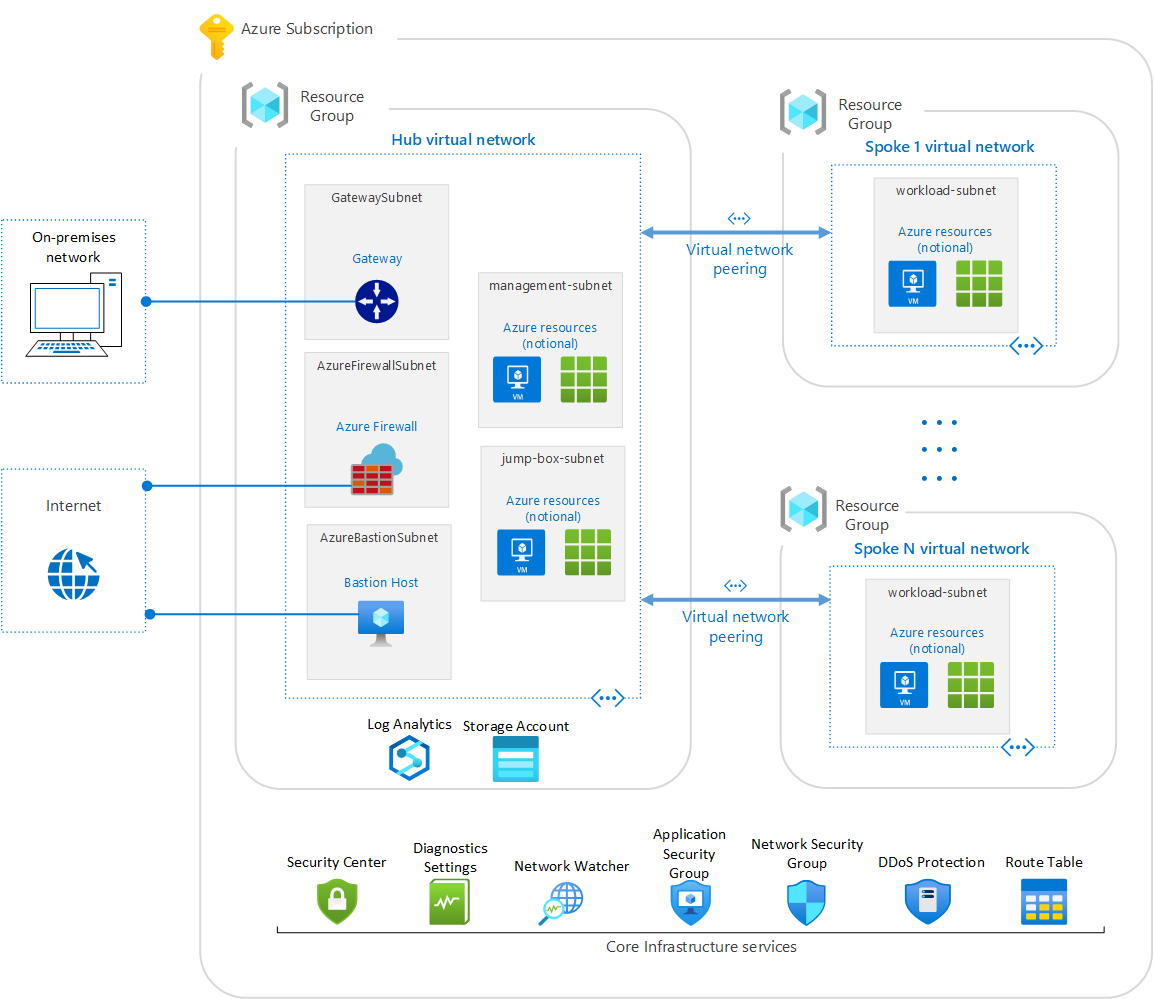
In a cloud reference architecture, flat networks are a liability. Instead, security teams must employ Virtual Private Clouds (VPCs) or VNets with clearly defined subnets. By utilizing security groups, network ACLs, and cloud-native firewalls (such as Web Application Firewalls or WAFs), traffic flows are restricted to the absolute minimum required for application functionality.
3. Data Protection and Encryption
Encryption must be implemented both at rest and in transit. A reference architecture dictates the use of Key Management Services (KMS) or Hardware Security Modules (HSM) to ensure that the organization, rather than the cloud provider, retains control over the encryption keys. Additionally, architects should define clear tagging standards to identify sensitive data (e.g., PII or PHI) automatically for specialized storage and audit logging.
4. Logging, Monitoring, and Incident Response
A security architecture is incomplete without visibility. Centralized logging—where logs from cloud control planes, application logs, and network traffic are funneled into a Security Information and Event Management (SIEM) system—is critical. This layer should be integrated with automated playbooks to ensure that suspicious activities trigger immediate, programmatic remediation.
Implementation Table: Functional Domains and Control Mechanisms
| Functional Domain | Primary Objective | Key Implementation Mechanism |
|---|---|---|
| IAM | Authentication/Authorization | Single Sign-On (SSO) + MFA + Role-Based Access Control |
| Network | Traffic Control | Micro-segmentation + WAF + Private Link usage |
| Compute | Workload Hardening | Immutable infrastructure + Patch management automation |
| Data | Confidentiality | AES-256 Encryption + Customer-Managed Keys (CMK) |
| Visibility | Threat Detection | Centralized SIEM + Cloud Trail/Activity Logs |
Addressing Regulatory and Compliance Requirements
For highly regulated industries, the reference architecture must go beyond technical controls to include "Compliance as Code." By embedding regulatory requirements—such as GDPR, HIPAA, or PCI-DSS—directly into the infrastructure templates, organizations can ensure that compliance is a default state rather than an after-the-fact verification.
In 2026, automated compliance monitoring tools are essential. These tools continuously scan the environment against the reference architecture. If a developer attempts to deploy a storage bucket without encryption or a security group that allows public ingress, the automated pipeline should be configured to reject the deployment or auto-remediate the misconfiguration.
Common Pitfalls and Strategic Mitigation
The most common mistake in developing a cloud security reference architecture is creating a document that is too rigid. Cloud providers update their services at a rapid pace. If the architecture does not allow for modular updates, it becomes a "shelf-ware" project that engineering teams will eventually bypass to meet delivery deadlines.
- Avoid "Point-in-Time" Security: Instead of designing for current configurations, design for lifecycle management. Ensure that the architecture covers decommissioning and disaster recovery as thoroughly as it covers deployment.
- Shadow IT: A restrictive architecture often encourages developers to find workarounds. Ensure that the reference architecture provides a "Golden Path"—a set of pre-approved, pre-secured templates that make the secure way the easiest way to deploy resources.
- Skill Gaps: Architecture is only as effective as the team implementing it. Organizations must invest in training DevOps and Cloud Engineering teams to interpret and apply the architecture in their day-to-day work.
Frequently Asked Questions
How often should a cloud security reference architecture be updated? It should be reviewed at least bi-annually, or whenever there is a significant change in the organization’s cloud footprint or the introduction of a new major service category, such as AI/ML model hosting or edge computing clusters.
Does a reference architecture replace the need for security assessments? No. While it provides the framework for secure deployment, independent penetration testing and vulnerability assessments remain necessary to identify logic flaws or vulnerabilities that are specific to the unique code built on top of your infrastructure.
Can one architecture serve both hybrid and multi-cloud environments? Yes, it should. A robust reference architecture abstracts the security requirements (e.g., "all public traffic must pass through a WAF") from the specific provider tool (e.g., AWS WAF vs. Azure WAF). This consistency allows security teams to manage policy at the enterprise level rather than the provider level.
What is the role of automation in this architecture? Automation is the primary enforcement mechanism. Without Infrastructure as Code (IaC) templates that contain security-baked-in configurations, the reference architecture is merely a recommendation. Use tools like Terraform or native cloud templates to enforce the architecture programmatically.
How do we handle legacy applications in a new cloud reference architecture? Legacy applications often cannot support modern security controls like OIDC or fine-grained IAM. The architecture should include "wrapping" mechanisms, such as Identity-Aware Proxies or sidecar containers, to provide modern security retroactively to these legacy assets.
Recommended Next Steps
Begin by conducting an inventory of existing cloud assets and identifying the top three risks currently facing your environment—whether they be unauthorized access, data exposure, or lack of visibility. Once identified, draft your reference architecture starting with these priority areas. Do not attempt to build a comprehensive, all-encompassing document on day one; instead, publish an "MVP" (Minimum Viable Policy) version, gather feedback from your engineering teams, and iterate based on their operational experiences.
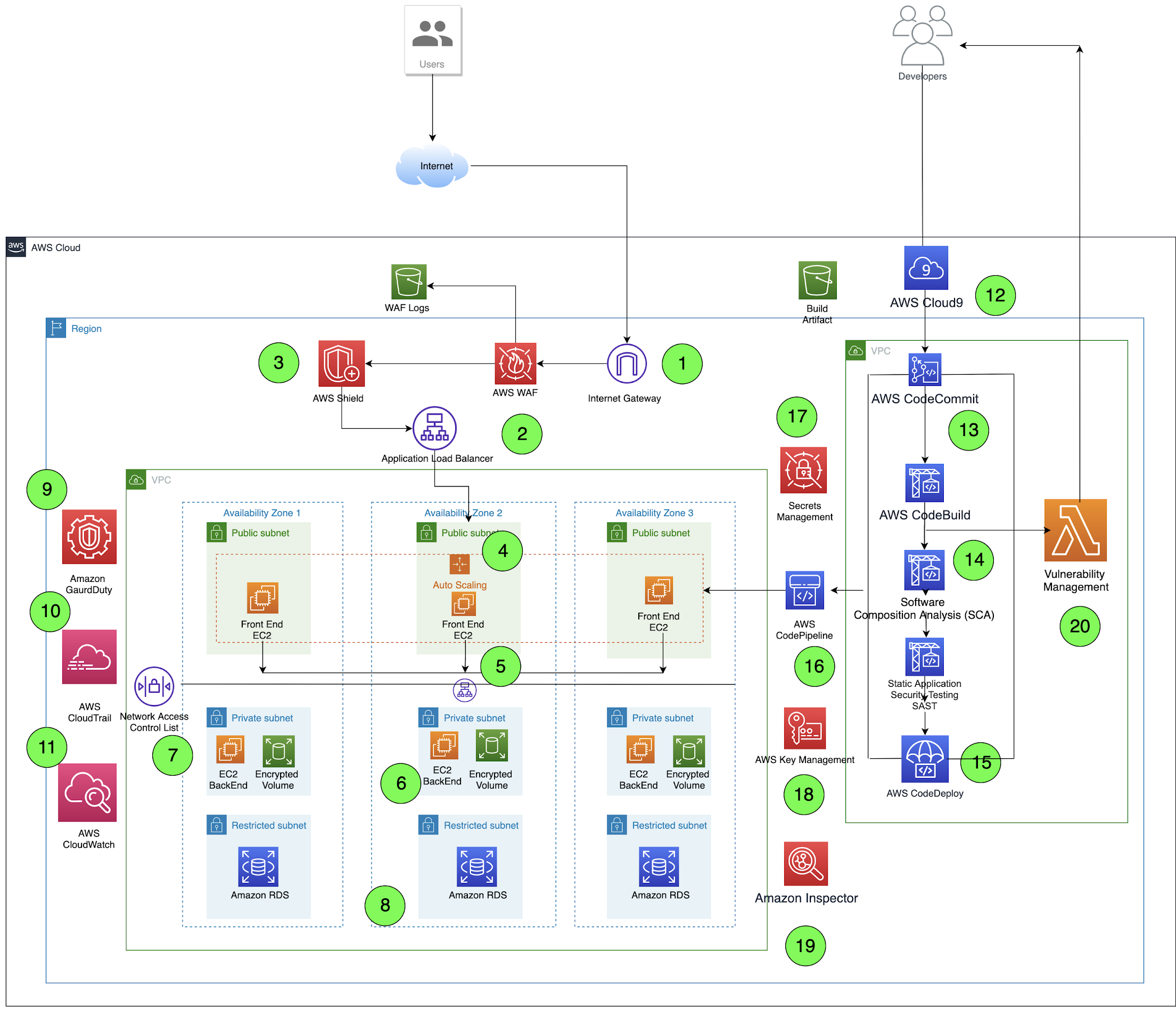
Image Gallery
Select an image to open it in a new tab.


Ingrid Bjornson
Global Cyber Policy and Regulation Analyst
