Do I Have Rental Car Coverage With My Auto Insurance?

Whether you have rental car coverage with your auto insurance depends on the specific endorsements and coverage levels within your policy. Generally, if you carry comprehensive and collision coverage, those protections typically transfer to a rental vehicle for personal use. However, "Rental Reimbursement" coverage—which pays for a rental while your own car is being repaired—is a separate, optional add-on that must be purchased before an accident occurs.
Determining your coverage status is a critical step before you reach the rental counter in 2026. Without a clear understanding of your policy, you may end up double-paying for protection you already have or, worse, leaving yourself exposed to thousands of dollars in liability. This guide breaks down the nuances of policy transfers, reimbursement limits, and the role of credit card secondary insurance.
Understanding the Two Types of Rental Coverage
When people ask "Do I have rental car coverage?" they are usually referring to one of two very different scenarios. It is vital to distinguish between these two to ensure you are looking for the right information on your policy documents.
1. Coverage Transfers (Physical Damage and Liability)
This refers to whether your existing auto insurance policy protects you while you are driving a car owned by a rental agency (like Hertz, Enterprise, or Avis). In this scenario, you are usually on vacation or a business trip, and you want to know if you can skip the expensive daily insurance offered at the counter. If you have "full coverage" (comprehensive and collision) on your primary vehicle, this protection usually "follows the driver" to the rental car.
2. Rental Reimbursement (Loss of Use)
This is an optional insurance endorsement. It does not cover you while you are on vacation. Instead, it pays for a rental car if your primary vehicle is in the shop due to a covered claim (such as a car accident, theft, or falling tree limb). If you do not have this specific rider on your policy, your insurance company will not pay for your transportation while your car is being fixed, even if the accident wasn't your fault.
Does My Personal Policy Transfer to a Rental Car?
In 2026, most standard personal auto insurance policies in the United States and Canada are designed to extend their coverage to "temporary substitute vehicles" or "non-owned vehicles." However, the extent of that transfer is limited by the levels of coverage you have chosen for your own car.
Liability Coverage
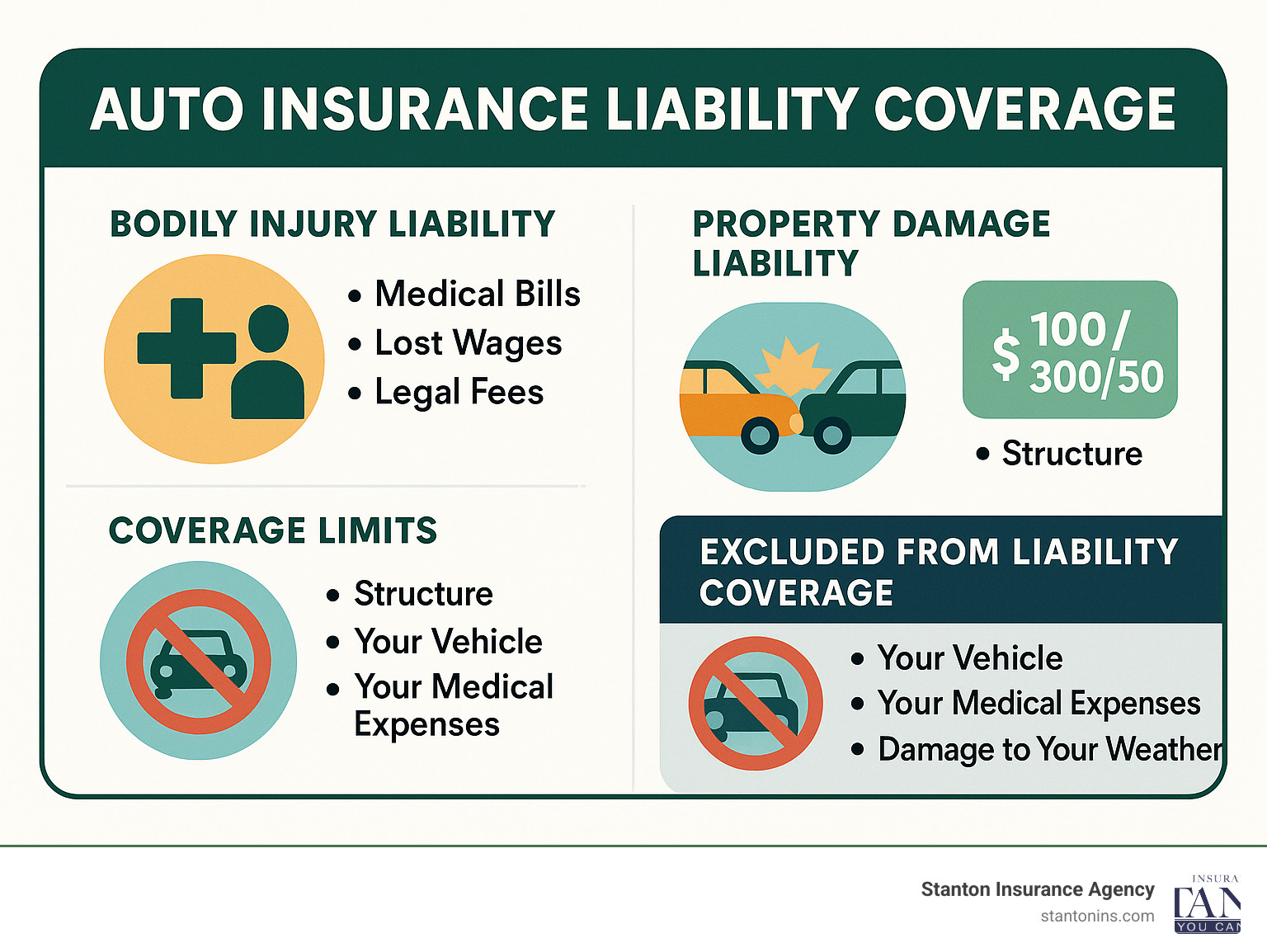
If you carry the state-mandated liability insurance, that coverage will extend to your rental car. If you cause an accident while driving the rental, your insurance will pay for the other party’s medical bills and property damage, up to your policy limits. It will not pay for the damage to the rental car itself.
Comprehensive and Collision Coverage
To have the rental car itself covered, you must have comprehensive and collision coverage on at least one vehicle on your personal policy.
- Collision: Covers damage to the rental car resulting from a crash with another vehicle or object.
- Comprehensive: Covers damage from non-collision events, such as theft, vandalism, fire, or weather-related incidents.
If you only carry liability on your personal older vehicle, you essentially have no physical damage protection for a rental car. In this instance, purchasing the rental agency’s Loss Damage Waiver (LDW) is highly recommended.
Limits and Deductibles
It is a common misconception that your insurance provides "unlimited" protection for a rental. Your policy's deductible still applies. If you have a $500 deductible on your personal car and you crash a rental, you will be responsible for paying that $500 to the rental company or your insurer. Furthermore, if you rent a high-end luxury vehicle but your personal policy limits are low, you may find yourself underinsured if the car is totaled.
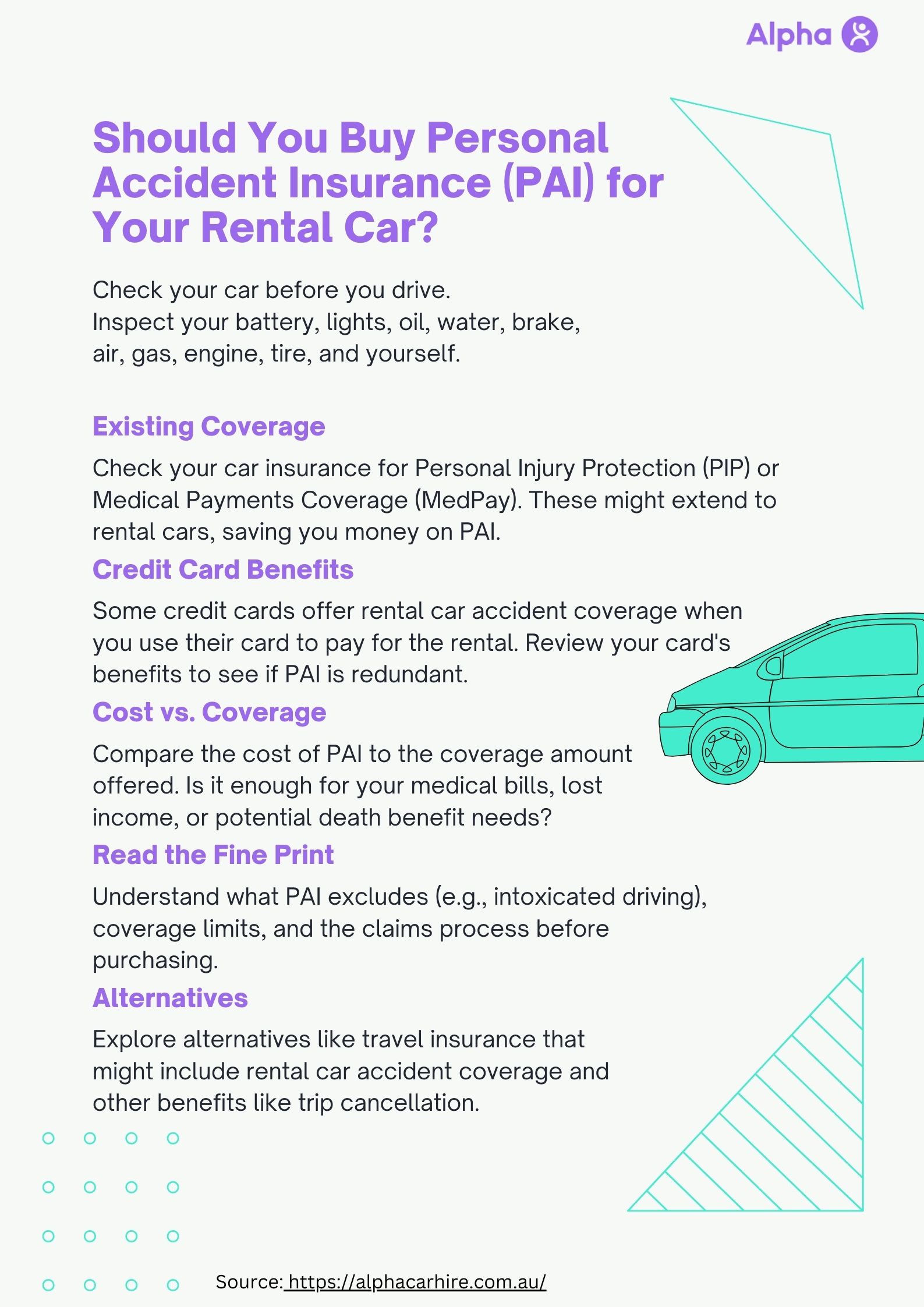
The Role of Rental Reimbursement Coverage
Rental reimbursement is one of the most misunderstood aspects of auto insurance. As of 2026, many drivers still assume this is a standard feature, but it remains an elective benefit.
How it Works
If your car is involved in a covered loss—meaning an event your insurance actually pays for—rental reimbursement kicks in to cover the cost of a temporary vehicle. Most insurance companies, such as State Farm or Progressive, structure this coverage with daily and maximum limits.
For example, a common limit is $30 per day / $900 per occurrence. This means the insurer will pay up to $30 a day for a rental car for a maximum of 30 days. In the current 2026 economic climate, $30 per day may only cover an economy or compact car, so many drivers are opting for higher limits like $50 or $100 per day to ensure they can rent a vehicle that matches their needs (like an SUV for a large family).
What is NOT Covered
- Routine Maintenance: If your car is in the shop for an oil change, brake work, or engine failure not caused by an accident, rental reimbursement does not apply.
- Vacations: You cannot use this coverage to get a free car for a road trip.
- Upgrade Costs: If your limit is $40/day and you choose a car that costs $70/day, you must pay the $30 difference out of pocket.
Credit Card Rental Insurance: A Secondary Shield
Many premium credit cards offer rental car insurance as a built-in benefit. However, it is rarely a replacement for primary auto insurance.
Most credit card coverage is secondary. This means if you have an accident, you must first file a claim with your personal auto insurance. The credit card company will then step in to cover your deductible and perhaps some fees that the insurance company refuses to pay.
There are "Primary" coverage cards (often premium travel cards with annual fees) that allow you to bypass your personal insurance entirely. This is beneficial because it prevents a rental car accident from causing your personal insurance premiums to spike. To trigger this coverage, you must:
- Decline the rental agency’s Collision Damage Waiver (CDW/LDW).
- Pay for the entire rental transaction with that specific credit card.
Comparing Your Coverage Options
The following table compares the three primary ways to cover a rental car to help you decide which combination is right for your situation in 2026.
| Feature | Personal Auto Insurance | Credit Card (Standard) | Rental Agency (CDW/LDW) |
|---|---|---|---|
| Primary/Secondary | Primary | Usually Secondary | Primary |
| Liability Included | Yes (if on policy) | No | No (must buy separately) |
| Deductible Applies | Yes | Often covers your deductible | No deductible (usually) |
| Theft/Vandalism | Yes (if Comprehensive) | Yes | Yes |
| Loss of Use Fees | Sometimes (check policy) | Often covered | Included |
| Diminished Value | Rarely covered | Rarely covered | Included |
| Impact on Premium | Potential increase if claim filed | No impact | No impact |
Critical Gaps: Loss of Use and Diminished Value
Even if your personal insurance "transfers" to the rental, there are two specific areas where you might still be financially vulnerable: Loss of Use and Diminished Value.
Loss of Use
When a rental car is in the repair shop, the rental company loses the daily income they would have earned by renting it to someone else. Many rental agencies will charge you for this "lost revenue." Most standard auto insurance policies do not cover these administrative fees, leaving you to pay hundreds of dollars out of pocket.
Diminished Value
If a 2026 model year car is in a major accident, its resale value drops, even after it is perfectly repaired. Rental companies may charge you for this loss in the vehicle's market value. Personal auto policies almost never cover diminished value on a vehicle you do not own.
The rental agency’s own Loss Damage Waiver (LDW) typically covers both of these gaps, which is why some travelers choose to buy the agency's expensive daily insurance even when they have personal coverage—it provides a "walk-away" experience with no paperwork or out-of-pocket costs.
How to Verify Your Coverage Before You Rent
Do not wait until you are standing at the rental counter to figure out your coverage. Follow these steps to verify your status:
- Review Your Declarations Page: This is the summary sheet of your insurance policy. Look for "Comprehensive" and "Collision" for each vehicle. If you see them, your physical damage coverage likely transfers.
- Check for the "Rental Reimbursement" Endorsement: This will be listed as a line item with a daily dollar limit (e.g., $40/day).
- Call Your Agent: Ask specifically: "Does my policy cover 'Loss of Use' fees charged by a rental company?" and "Does my coverage extend to rentals in [Destination Name]?"
- Contact Your Credit Card Issuer: Log into your benefits portal or call the number on the back of your card to request a "Letter of Coverage." This document explicitly states what the card covers, which can be useful if the rental agency is being aggressive about selling their own insurance.
International Travel Considerations
If you are traveling outside the United States or Canada, your domestic auto insurance policy almost certainly does not follow you. In countries like Mexico, Italy, or Australia, you are generally required to purchase local liability insurance.
While some premium credit cards offer international collision coverage, they still do not provide liability (protection for damage you do to others). For international rentals, the safest route is usually to purchase the full insurance package offered by the rental company to ensure compliance with local laws and avoid legal complications in a foreign country.
Frequently Asked Questions
Does my insurance cover a rental car for business trips?
Usually, no. If you are renting a car for business purposes, your personal auto insurance may exclude coverage. Most employers provide corporate insurance for business travel, or you may need to purchase the rental agency's coverage and expense it back to your company.
Does my insurance cover peer-to-peer rentals like Turo?
In 2026, many standard insurers still exclude "peer-to-peer car sharing" from their standard definitions of a rental car. Because Turo involves renting a personal vehicle from an individual rather than a commercial fleet, you should check your policy for a specific "Car Sharing" exclusion. Turo offers its own protection plans, which are often necessary.
Will my insurance cover a moving truck (U-Haul)?
Standard personal auto policies typically have weight limits. They are designed for passenger cars, SUVs, and light pickups. Large box trucks or moving vans usually exceed these weight limits, meaning your personal insurance will not cover them. You should almost always buy the supplemental insurance offered by the moving company.
If I don't own a car, do I have any coverage?
If you do not have a personal auto policy, you have no coverage to transfer. In this case, you are a "non-owner." You should consider a "Non-Owner Auto Insurance" policy if you rent frequently, or you must purchase the full suite of liability and damage waivers from the rental agency every time.
What happens if I am in a rental car accident that isn't my fault?
If the other driver is at fault, their liability insurance should technically cover the damage. However, the rental agency will still look to you (and your insurance) for immediate payment. Your insurer will then have to subrogate (pursue the other driver’s insurance) to get the money back and refund your deductible.
Final Recommendation
Before your next trip in 2026, take a photo of your insurance Declarations Page and your credit card's benefit summary. If you have comprehensive and collision coverage on your personal car and you are traveling within the US, you likely have sufficient protection to skip the rental counter's collision waiver, provided you are comfortable paying your deductible and potentially small "loss of use" fees. However, if you are renting an expensive vehicle, traveling abroad, or using a car-sharing app, purchasing the additional protection is the most secure way to protect your finances.
Image Gallery
Select an image to open it in a new tab.



Declan O'Connor
Higher Education and Campus Culture Reporter
