
Manufacturing Polylactic Acid (PLA) is a process that is significantly more accessible than the complex, petroleum-based polymerization methods typically associated with plastics. By utilizing renewable biomass—such as corn starch, sugarcane, or tapioca roots—and employing a systematic cycle of fermentation and polymerization, small-scale industrial producers and laboratory settings can synthesize this biodegradable thermoplastic. Understanding the biochemical pathway and the purification requirements is the primary hurdle in mastering the production cycle.
The Science Behind Polylactic Acid
PLA is an aliphatic polyester derived from lactic acid. Unlike conventional plastics that rely on fossil fuel extraction, PLA production begins with the conversion of starch into glucose. This glucose serves as the feedstock for microbial fermentation, where specific strains of bacteria (often Lactobacillus) consume the sugar and excrete lactic acid as a metabolic byproduct.
Once the lactic acid is produced, the chemistry shifts toward condensation or ring-opening polymerization. While the biological stage relies on controlled temperature and pH levels to optimize microbial output, the chemical stage requires the removal of water to link lactic acid molecules into high-molecular-weight polymers. Because the byproduct of the condensation reaction is water, maintaining a low-moisture environment is essential to achieving a plastic with the structural integrity required for 3D printing filaments or packaging materials.
Prerequisites for Production
Before attempting to produce PLA, you must secure the appropriate infrastructure. This is not a project that can be safely or effectively executed in a standard kitchen environment due to the requirement for specific chemical catalysts and high-precision thermal management.
- Feedstock Quality: You need high-purity starch. Contaminants in the initial biomass, such as proteins or excess fibers, can interfere with the fermentation rate and lead to inconsistent polymer chains.
- Bioreactor Capacity: For fermentation, you need a vessel that allows for temperature regulation (typically 30°C to 45°C) and consistent pH monitoring. As bacteria produce acid, the culture medium becomes increasingly acidic, which eventually inhibits the bacteria's ability to continue producing lactic acid. Regular titration using calcium carbonate is a standard method to maintain neutral conditions.
- Distillation Equipment: After fermentation, the "broth" must be purified. This involves separating the lactic acid from the remaining bacterial cells and residual nutrients. Vacuum distillation is the industry standard for achieving the purity levels necessary for effective polymerization.
- Safety Protocols: Handling lactic acid at high concentrations requires personal protective equipment (PPE), including chemical-resistant gloves, eye protection, and proper ventilation to manage vapors generated during the heating stages.
The Step-by-Step Production Cycle
The transition from raw biomass to a thermoplastic pellet involves four distinct phases. Each phase requires verification that the previous step has reached its target density and purity.
- Liquefaction and Saccharification: Starch is mixed with water and enzymes (such as alpha-amylase) to break down complex carbohydrates into simple glucose monomers.
- Fermentation: The glucose solution is inoculated with Lactobacillus cultures. This stage typically lasts 48 to 72 hours. Success is measured by the drop in glucose concentration and the rise in lactic acid concentration.
- Concentration and Pre-polymerization: The lactic acid solution is concentrated through vacuum evaporation. Once concentrated, a catalyst (often stannous octoate) is introduced to trigger the conversion of lactic acid into low-molecular-weight oligomers.
- Ring-Opening Polymerization: This is the most critical stage. The oligomers are heated to approximately 180°C to 200°C under a vacuum to facilitate the formation of high-molecular-weight PLA. The product is then extruded into strands and cooled to form pellets or filament.
Comparing Industrial and Small-Scale Methods
While the chemical principles remain consistent regardless of scale, the equipment and cost profiles differ significantly.
| Method | Equipment Complexity | Cost Efficiency | Purity/Consistency |
|---|---|---|---|
| Laboratory/Small-Batch | Low/Moderate | High per kg | Variable |
| Industrial Continuous | High | Low per kg | High/Standardized |
| Pilot Plant | Moderate | Moderate | Consistent |
For those looking to enter this field, starting with a pilot-scale approach allows for the optimization of the fermentation cycle without the immense capital expenditure of a continuous industrial plant. The primary challenge in small-scale production is the consistent removal of water during the final polymerization stage; even trace amounts of moisture can cause the polymer chains to hydrolyze, resulting in a brittle product.
Troubleshooting Common Production Failures
Even with a precise process, issues may arise. The most frequent failure is the production of "sticky" or overly brittle PLA.
- Brittle Output: This is almost always caused by an insufficient molecular weight. This occurs when the temperature during the final polymerization is not high enough to drive off the water vapor, or if the vacuum pressure is inadequate. Ensure your vacuum pump is capable of achieving the necessary negative pressure to keep the reaction moving toward long-chain formation.
- Contamination/Growth: If the fermentation broth develops an off-odor or changes color unexpectedly, the culture has likely been compromised by wild bacteria. Maintaining strict sterile conditions during the inoculation phase is mandatory.
- Inconsistent Color: If the PLA is darkening (turning brown), the material is likely experiencing thermal degradation. This happens when the heating cycle is too long or the temperature fluctuates above the degradation threshold of 230°C. Use an industrial PID (Proportional-Integral-Derivative) controller to manage the heating element's output with precision.
Environmental and Regulatory Considerations
In 2026, the focus on sustainable plastics has placed tighter regulations on the byproducts of bio-plastic production. While PLA is technically compostable, it often requires industrial composting conditions to break down within a reasonable timeframe.
When establishing a production workflow, you must account for waste management. The "cake" remaining after fermentation (biomass residue) should be treated as organic waste and can often be repurposed as animal feed or fertilizer, provided no harmful catalysts were introduced during the earlier stages. Always check local environmental regulations regarding the disposal of chemical catalysts like stannous octoate, as these are regulated substances in many jurisdictions.
FAQ: Common Questions on PLA Production
Can I make PLA from food waste? Yes, but the efficiency is lower than using refined starch. Food waste contains a mix of sugars, proteins, and fats, which can complicate the fermentation process and require extra steps to filter out non-starch materials before introducing your bacterial culture.
Is it safe to inhale the vapors during production? No. Even though PLA is generally considered non-toxic, the intermediate stages of production involve heating organic acids and chemical catalysts. All heating phases should be conducted under a fume hood or in a well-ventilated area to prevent irritation or exposure to chemical aerosols.
What is the most expensive part of the process? The enzymes required for liquefaction and the purification equipment are typically the highest startup costs. Once the equipment is purchased, the ongoing cost of reagents is relatively low compared to the value of the high-grade polymer produced.
How do I test the quality of my finished PLA? The most practical home-test is the "melt-flow index" check. By measuring how much material extrudes through a small orifice under a standard weight and temperature, you can determine if your polymer chains are of a length suitable for your intended application.
Can I use any bacteria for fermentation? You must use specific, high-yield strains of Lactobacillus. Using wild-harvested bacteria is unpredictable and rarely yields a high enough concentration of lactic acid to make polymerization viable. Industrial-grade cultures are available through biotech suppliers and provide predictable, consistent results.
Moving Forward with Your Project
The most successful producers begin by focusing entirely on the fermentation yield. Do not attempt to move to polymerization until you have mastered the ability to produce a high-concentration, high-purity lactic acid solution. Once you can reliably produce clear, high-purity lactic acid, the transition to the chemical polymerization stages becomes a matter of calibrating heat, time, and vacuum. Document every variable in your process—temperature, pH, fermentation time, and catalyst ratios—to ensure reproducibility. By treating the process as a structured scientific experiment rather than a simple assembly task, you can produce high-quality, sustainable material reliably.
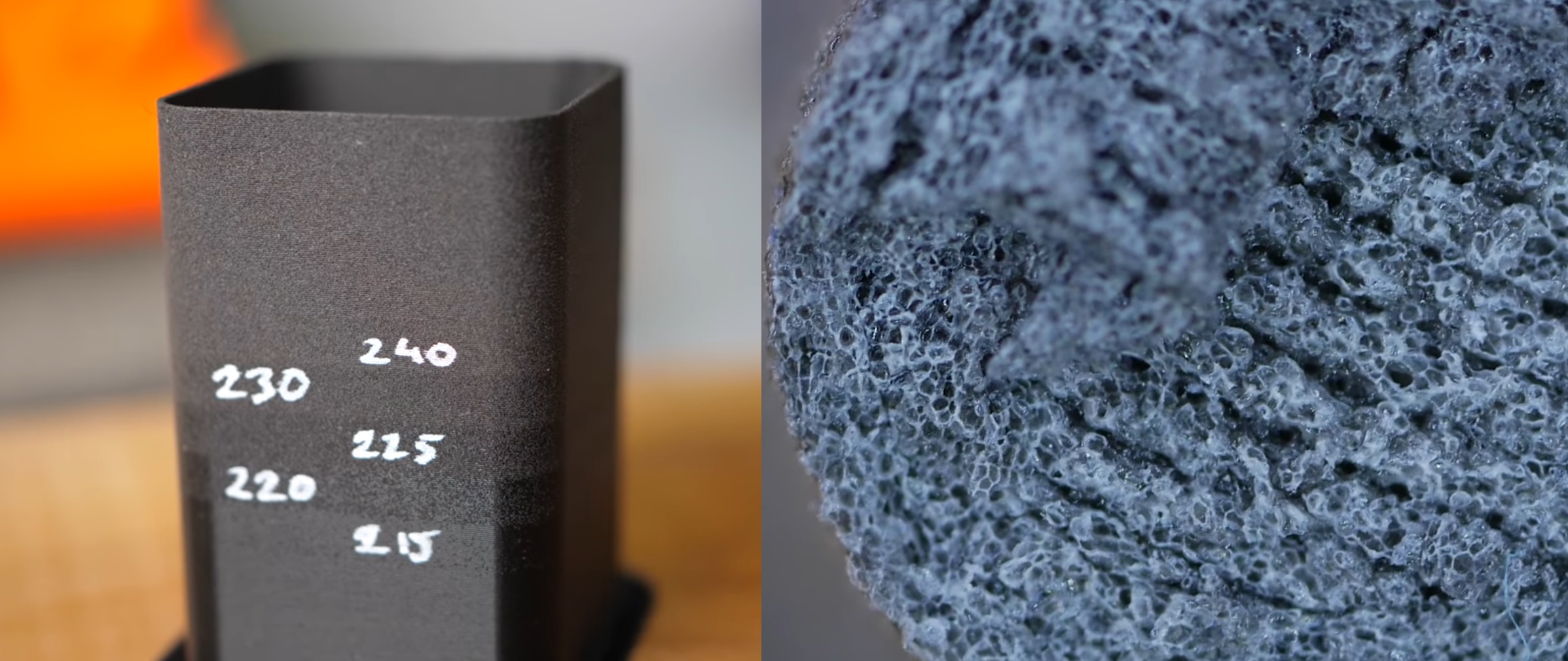
Image Gallery
Select an image to open it in a new tab.

Ingrid Bjornson
Global Cyber Policy and Regulation Analyst
