Understanding the ING Money Market for Investors: Liquidity, Yield, and Risk Management
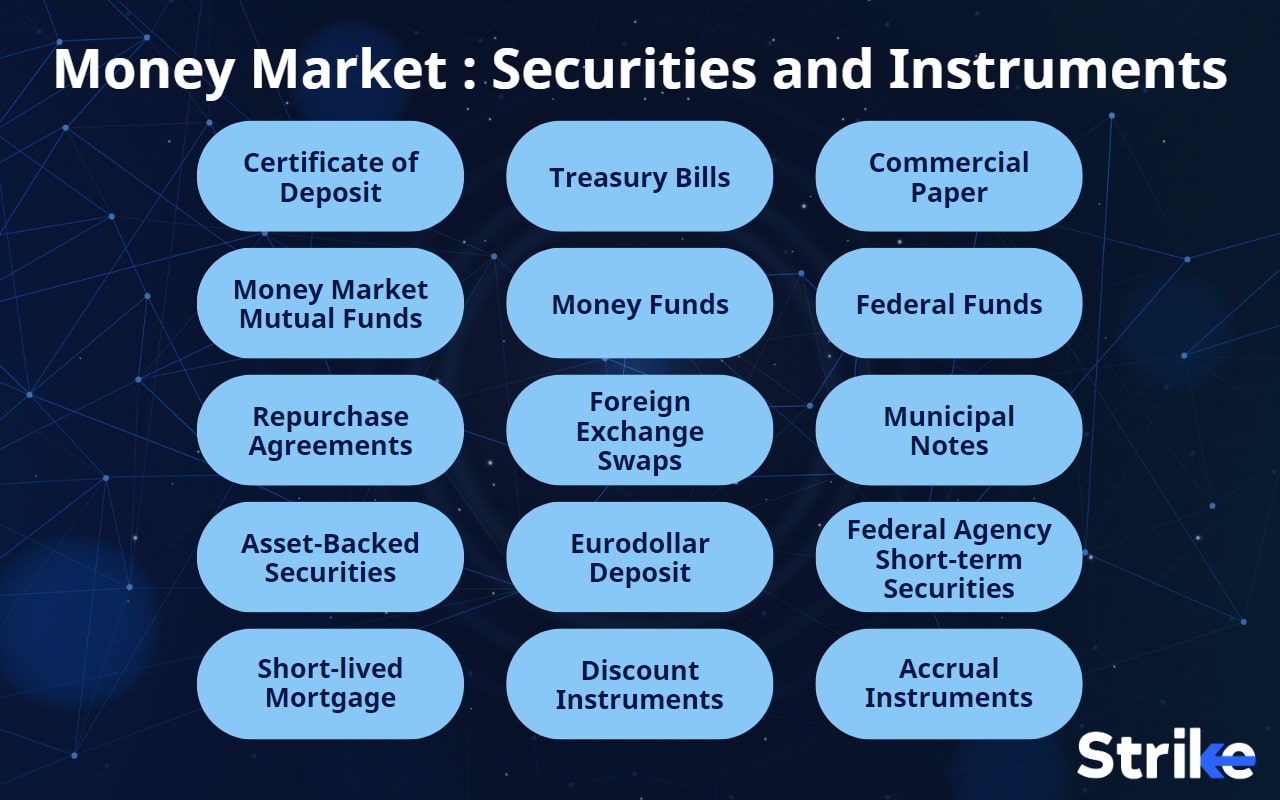
Investing in short-term financial instruments requires a precise balance between liquidity, yield, and capital preservation. The ING money market framework encompasses a range of cash-equivalent products, short-term debt instruments, and liquidity management solutions offered by ING Group (ING Groep N.V.) across its international retail, commercial, and wholesale banking divisions. Whether individual investors seek high-yielding savings deposit accounts or institutional treasurers evaluate short-term commercial paper, understanding how ING structures its money market offerings is essential for optimizing cash allocations.
This guide details the operational mechanics, regulatory protections, rate-setting factors, and strategic portfolio uses of ING money market products to help investors make informed decisions.
What Is the ING Money Market Ecosystem?
The term "ING money market" refers broadly to two interconnected tiers of liquidity offerings provided by ING Group: retail cash products designed for individual investors and wholesale money market instruments used by corporations, institutional investors, and treasury departments.
At the individual level, ING operates high-yield cash management accounts, call deposits, and term deposits. Historically known for pioneering direct digital banking across Europe and Australia, ING structures its retail money market savings solutions to offer variable interest rates tied directly to macroeconomic monetary policies. These products serve as capital preservation vehicles for retail investors seeking higher returns than standard checking accounts while maintaining immediate or short-term access to capital.
At the institutional level, ING Bank N.V. is a major issuer and market participant in global short-term debt markets. Through its Commercial Banking division, ING issues short-term money market instruments, including Euro Commercial Paper (ECP), Certificates of Deposit (CDs), and Repurchase Agreements (Repos). These instruments allow institutional investors, corporation treasuries, and money market funds (MMFs) to park short-term liquidity in highly rated financial institution debt.
- ING MONEY MARKET ECOSYSTEM
- RETAIL & WEALTH INVESTORS
- High-Yield Savings Accounts
- Variable Money Market Deposits
- Fixed-Term Deposits (1–12 Mo)
- INSTITUTIONAL & TREASURY
- Euro Commercial Paper (ECP)
- Certificates of Deposit (CDs)
- Repurchase Agreements (Repos)
- GOVERNED & REGULATED BY
- European Central Bank (ECB)
- De Nederlandsche Bank (DNB)
- APRA / FCA
- RETAIL & WEALTH INVESTORS
Key Types of ING Money Market Options for Investors
Investors evaluate money market options depending on their capital size, holding period, and liquidity requirements. ING categorizes its short-term money market offerings into specific investment structures.
1. Retail Savings Maximiser and Call Deposit Accounts
For individual retail investors, ING provides call accounts (such as the ING Savings Maximiser in Australia or variable savings accounts in European markets). These accounts function similarly to traditional bank money market deposit accounts. They combine the security of bank deposits with daily compounding interest. Investors can deposit and withdraw funds at any time, though earning bonus interest yields often requires meeting monthly account criteria, such as maintaining a active transaction account or making regular monthly deposits.
2. Fixed-Term Money Market Deposits
Fixed-term deposits require investors to lock in capital for predetermined durations, typically ranging from one month to several years. In exchange for sacrificing immediate liquidity, investors lock in a fixed interest rate, insulating their short-term yield from sudden central bank rate cuts. Term deposits are preferred by conservative investors who need guaranteed cash flow over a specific timeframe, such as preparing for a major capital purchase or rebalancing cash reserves.
3. Institutional Short-Term Debt (ECP and CDs)
Institutional investors, family offices, and cash managers access ING's money market balance sheet through short-term debt programs:
- Euro Commercial Paper (ECP): Short-term unsecured debt obligations issued by ING Bank N.V. with maturities ranging from overnight to 364 days. ECP is typically sold at a discount to face value and redeemed at par.
- Certificates of Deposit (CDs): Short- to medium-term negotiable debt instruments issued by ING branches globally. These pay a fixed or floating interest rate until maturity and can be traded on secondary money markets before maturity if liquidity is needed.
How Interest Rates and Yields Are Determined
Money market yields are directly linked to central bank monetary policy, interbank lending rates, and bank liquidity requirements. At ING, returns on money market instruments move in tandem with several core benchmark factors.
- Central Bank Policy Rates (ECB / RBA / Fed)
- Interbank Benchmark Rates (EURIBOR / SOFR / BBSW)
- ING Treasury Liquidity Requirements & Cost of Capital
- Retail Savings Rates (Base Rate + Bonus Rate Structure)
- Institutional ECP & CD Yields (Discount / Fixed / Floating Rate)
Central Bank Policy Benchmarks
Yields on ING money market products mirror the monetary policy settings of the jurisdiction in which the account or instrument is domiciled:
- Eurozone: Rates track the deposit facility rate established by the European Central Bank (ECB).
- Australia: Retail and corporate deposit yields align with the Official Cash Rate set by the Reserve Bank of Australia (RBA).
- United Kingdom & North America: Rates align with the Bank of England Base Rate or the US Federal Reserve’s Federal Funds Target Range.
When central banks implement rate hikes to curb inflation, variable-rate money market yields rise quickly. Conversely, during rate-cutting cycles, money market yields decrease, prompting investors to consider fixed-term deposits to lock in higher rates.
Base Rates vs. Bonus Rate Structures
A distinct feature of ING’s retail money market accounts is the dual-rate structure, which divides the total yield into a modest base rate and a significantly higher bonus rate.
To earn the maximum advertised annual yield, investors must meet specific monthly behavioral criteria. Common criteria include:
- Depositing a minimum aggregate amount per month.
- Making a set number of eligible debit card transactions.
- Growing the total account balance month-over-month.
If an investor fails to meet these criteria in any given month, the account yield defaults to the base rate, severely diminishing short-term investment returns.
Safety, Credit Ratings, and Regulatory Protections
Security of principal is the primary objective of money market investing. ING Group operates under strict regulatory oversight, providing multiple layers of investor protection depending on the vehicle used.
Statutory Deposit Protection Schemes
Retail and corporate cash deposits placed directly with ING benefit from statutory government deposit insurance schemes, up to specified jurisdictional limits:
- European Union (De Nederlandsche Bank): Deposit accounts at ING Bank N.V. in the EU are protected under the Dutch Deposit Guarantee Scheme (DGS). The statutory limit guarantees up to €100,000 per depositor, per banking institution. Details regarding coverage terms can be reviewed directly via De Nederlandsche Bank.
- Australia (APRA): Deposits held with ING Bank (Australia) Limited are covered under the Australian Government’s Financial Claims Scheme (FCS), protecting up to A$250,000 per account holder. Further statutory details are published by the Australian Prudential Regulation Authority.
Note: Government deposit insurance applies specifically to bank deposit accounts and term deposits. It does not apply to non-deposit market instruments such as commercial paper or secondary market money market funds.
Credit Ratings of ING Bank N.V.
Institutional investors relying on ING short-term debt instruments evaluate the creditworthiness of the issuing institution. ING Bank N.V. maintains strong investment-grade credit ratings from major international rating agencies, reflecting high solvency, sound liquidity coverage ratios, and robust capitalization under Basel III frameworks.
Typical rating designations for ING Bank N.V. include:
- Standard & Poor's (S&P): Long-Term Counterparty Rating of A+ / Short-Term Rating of A-1.
- Moody’s Investors Service: Long-Term Deposit Rating of Aa3 / Short-Term Rating of Prime-1 (P-1).
- Fitch Ratings: Long-Term Issuer Default Rating of A+ / Short-Term Rating of F1+.
These ratings confirm that ING carries low credit risk, making its short-term money market paper a preferred choice for corporate treasuries and institutional liquidity pools.
Comparing ING Money Market Products with Investment Alternatives
To decide where to deploy cash, investors must evaluate ING money market offerings against competing short-term cash management tools, such as sovereign Treasury bills and pooled Money Market Mutual Funds.
| Feature / Dimension | ING Retail Money Market Account | ING Term Deposit | ING Euro Commercial Paper (ECP) | Sovereign Treasury Bills (e.g., US T-Bills / Bunds) | Money Market Mutual Funds (MMFs) |
|---|---|---|---|---|---|
| Primary Objective | Capital preservation + liquid yield | Fixed-rate yield lock | Corporate cash management | Risk-free capital preservation | Daily liquidity + diversified yield |
| Target Investor | Individual retail investors | Retail & SME investors | Institutional treasuries | Retail & institutional | Retail & institutional |
| Yield Structure | Variable (Base + Bonus rate) | Fixed for full term | Discount to par / Yield-to-maturity | Discount to par | Floating net yield (daily accrual) |
| Liquidity Level | Instant access (daily) | Locked until maturity (penalties apply) | Tradable on secondary market | Highly liquid secondary market | T+0 or T+1 redemption |
| Regulatory Protection | DGS (€100k) / FCS (A$250k) | DGS (€100k) / FCS (A$250k) | Uninsured senior debt | Direct government backing | Uninsured pooled fund (NAV stability rules) |
| Minimum Capital | Typically $0–€1 | Varies (€1,000 – $25,000) | Typically €100,000+ | $100 / €1,000 | Low minimums ($1–$1,000) |
| Inflation Protection | Low (susceptible to real negative yield) | Low (fixed rate fixed against sudden inflation) | Low (short duration mitigates impact) | Low | Modest (rapidly adjusts to market shifts) |
Step-by-Step Guide: Accessing and Optimizing ING Money Market Holdings
Maximizing returns while maintaining liquidity requires a systematic approach to managing money market funds.
- Step 1: Define Liquidity Needs & Investment Horizon
- Step 2: Account Selection (Call Deposit vs. Term Deposit)
- Step 3: Meet Qualification Conditions (Satisfy monthly requirements for maximum bonus yield)
- Step 4: Implement a Deposit Ladder (Stagger term maturities across 3, 6, and 12 months)
- Step 5: Monitor Central Bank Rates & Rebalance Quarterly
Step 1: Define Your Liquidity Horizon
Categorize your short-term cash reserves into three distinct tiers:
- Immediate Operating Cash: Expected expenditures within 0–30 days. Maintain this cash in high-yield variable call accounts.
- Short-Term Reserves: Planned expenditures within 3–6 months. Allocate this money to short-duration term deposits or rolling commercial paper.
- Core Cash Buffer: Contingency reserves held for 6–12 months. Lock in long-term fixed deposit yields or evaluate treasury alternatives.
Step 2: Ensure Compliance with Bonus Conditions
If utilizing ING’s high-yield retail accounts, automate your monthly workflow to ensure you never forfeit bonus interest:
- Set up recurring monthly external deposits to satisfy balance growth or deposit thresholds.
- Schedule required monthly debit card transactions early in the calendar month to avoid missing qualifying deadlines.
- Keep your main transaction account linked directly to your money market account for fast cash transfers.
Step 3: Execute a Term Deposit Ladder Strategy
To balance yield protection with ongoing liquidity, build a term deposit ladder. Rather than committing 100% of your idle capital to a single 12-month term deposit, divide your cash equally across multiple maturities:
- Tranche A: 3-month term deposit.
- Tranche B: 6-month term deposit.
- Tranche C: 9-month term deposit.
- Tranche D: 12-month term deposit.
As each tranche matures every three months, reinvest the capital into a new 12-month deposit at prevailing market rates, or absorb the cash if liquidity is required. This strategy reduces interest rate timing risk and guarantees periodic cash access.
Common Mistakes Investors Make in Money Market Allocations
Despite the low-risk profile of cash products, investors frequently incur avoidable costs or forfeit yields through common operational oversights:
- Ignoring Teaser and Bonus Expiration Dates: Many variable savings accounts offer promotional interest rates for the first 3 to 6 months after account opening. Investors who fail to track rate adjustments often see their yields drop to low base rates after the promotion ends.
- Breaking Term Deposits Prematurely: Withdrawing capital from an ING term deposit before the maturity date incurs early redemption penalties, interest reductions, or mandatory notice periods (typically 31 days). Always preserve adequate emergency liquidity in variable call accounts before committing funds to fixed terms.
- Over-Concentrating Balances Above Protection Limits: Depositing cash balances above statutory guarantees (€100,000 under EU DGS or A$250,000 under Australian FCS) in a single financial institution exposes excess funds to credit risk. High-net-worth investors should spread cash reserves across multiple licensed banking institutions to ensure complete statutory protection.
- Confusing Bank Savings Accounts with Money Market Mutual Funds: Bank deposit accounts are direct liabilities of the bank and enjoy government statutory insurance protection up to statutory caps. Money market mutual funds are non-bank investment funds holding short-term debt securities; while generally safe, they do not carry statutory deposit insurance.
Frequently Asked Questions
Is capital held in an ING money market account completely safe?
Capital held in ING money market deposit accounts and term deposits is secured by the bank's strong balance sheet and backed by statutory deposit protection schemes up to local legal limits—such as up to €100,000 under the Dutch Deposit Guarantee Scheme in the EU or A$250,000 under the Financial Claims Scheme in Australia. Balances exceeding these limits carry institutional credit exposure to ING Bank N.V.
How does an ING savings account differ from a money market fund?
An ING savings account is a direct bank deposit protected by statutory government deposit insurance up to applicable caps, offering fixed or variable returns set by the bank. A money market mutual fund (MMF) is an open-ended investment fund managed by an asset manager that invests in a diversified portfolio of short-term debt instruments (such as T-bills and commercial paper). MMFs fluctuate in yield daily and do not carry statutory bank deposit guarantees.
What happens to money market returns when central banks lower interest rates?
When central banks (such as the ECB or Federal Reserve) cut benchmark policy rates, interest rates on variable ING money market accounts generally decrease proportionally within a short timeframe. Investors holding fixed-term deposits or fixed-rate commercial paper retain their locked-in yield until the instrument reaches maturity.
Can corporate treasuries buy ING Commercial Paper directly?
Yes, qualified institutional investors, corporate treasuries, and asset managers can purchase Euro Commercial Paper (ECP) and Certificates of Deposit (CDs) issued by ING Bank N.V. through institutional primary dealers or authorized money market distribution desks. These instruments are traded under standard market documentation and require minimum denomination amounts, typically starting at €100,000 or $500,000.
Are there penalties for withdrawing cash early from an ING term deposit?
Yes, withdrawing funds from an ING term deposit prior to its scheduled maturity date generally requires a formal notice period (often 31 days) and results in an early withdrawal penalty, which reduces the total interest earned on the deposit.
Strategic Recommendations for Cash Allocations
Navigating money market investments effectively requires adjusting strategies based on economic conditions:
- For Retail Investors: Maintain emergency operating funds in an ING high-yield variable call account, ensuring all monthly deposit and transaction criteria are satisfied to lock in the maximum bonus yield. Deploy surplus cash not needed within 3–12 months into a staggered term deposit ladder to guard against potential central bank rate cuts.
- For Institutional and Corporate Treasurers: Diversify short-term liquidity between sovereign Treasury bills for absolute risk-free liquidity and ING Euro Commercial Paper (ECP) or CDs to capture credit spread premiums. Continually review counterparty exposure limits against ING Bank N.V.’s latest credit ratings and short-term debt maturities.
Disclaimer: This article is for informational and educational purposes only and does not constitute financial, investment, legal, or tax advice. Interest rates, deposit protection limits, and institutional credit ratings are subject to change. Investors should consult a qualified financial advisor or review official product disclosure statements before committing capital.
Image Gallery
Select an image to open it in a new tab.
Vivian Cho
Executive IT and Emerging Technologies Reporter
