
Kathie Lee Gifford is best known for her long-standing tenure as a co-host on morning television, most notably for her fifteen-year partnership with Regis Philbin on Live! with Regis and Kathie Lee and her eleven-year run on the TODAY show alongside Hoda Kotb. Her career redefined the format of daytime talk television, emphasizing personal rapport, unscripted banter, and a blend of lifestyle, news, and entertainment.
The Foundation of Daytime Chemistry: Regis and Kathie Lee
Before the era of viral morning show moments, Kathie Lee Gifford (then Johnson) became a household name through her collaboration with Regis Philbin. The program, which evolved from The Morning Show in New York to the nationally syndicated Live! with Regis and Kathie Lee, established the template for the “host chat” segment that remains a staple of the industry today.
The primary dynamic between the two was rooted in a “comedy of manners” approach. Philbin, often playing the role of the harried, slightly grumpy veteran, contrasted with Gifford’s polished, enthusiastic, and occasionally provocative storytelling. By bringing viewers into their real-life experiences—including anecdotes about Gifford’s marriage, her children, and her faith—they successfully bridged the gap between celebrity culture and the average viewer’s living room.
This partnership was not merely about chemistry; it was a technical mastery of live broadcast pacing. The two hosts were responsible for maintaining a consistent energy level across sixty to ninety minutes of daily television, a task that requires immense preparation and an innate ability to pivot between serious topics and lighthearted segments. For fifteen years, from 1985 until 2000, their presence provided a consistent, daily ritual that solidified Gifford's status as a formidable broadcast personality.
Transition to NBC: The TODAY Show Era
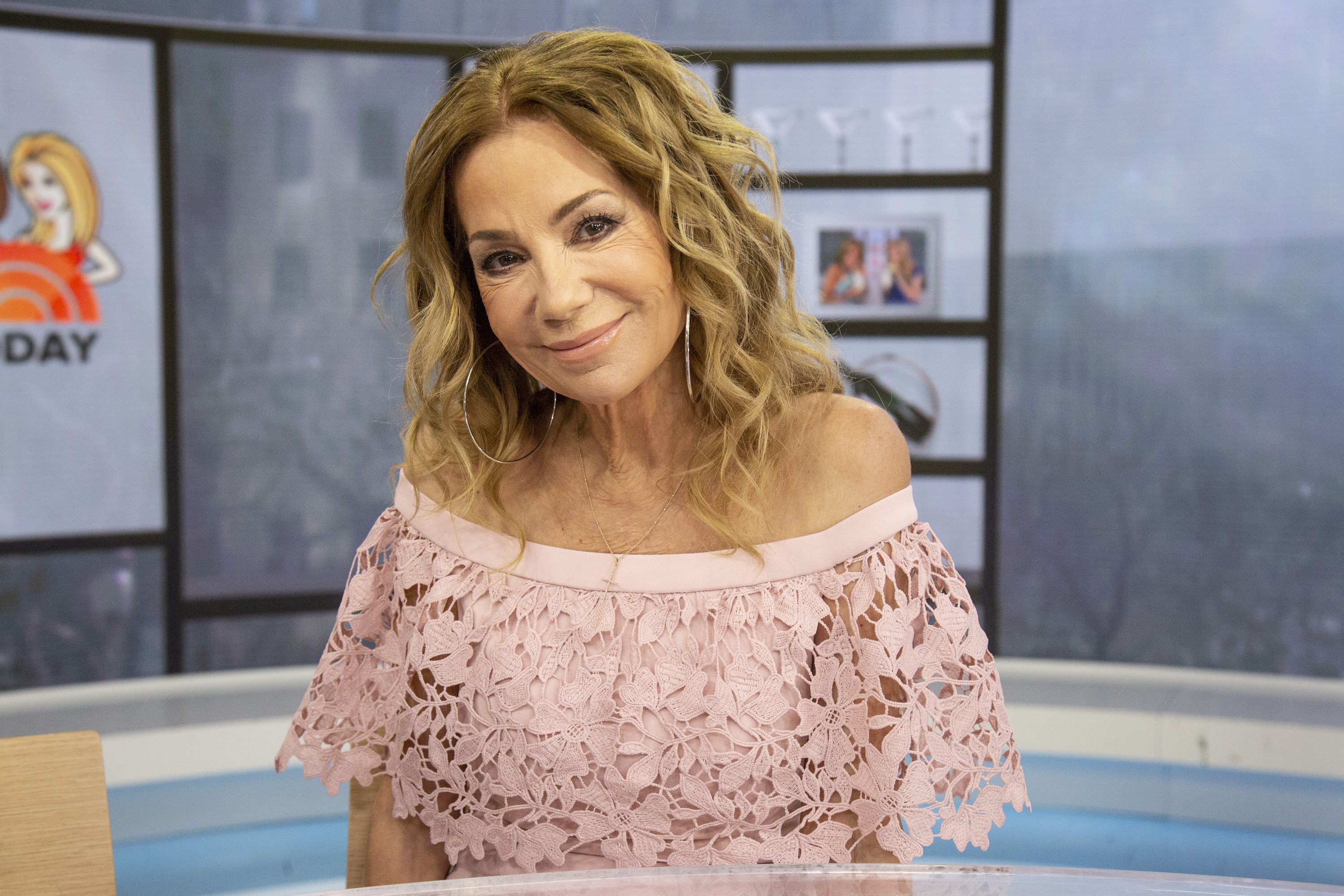
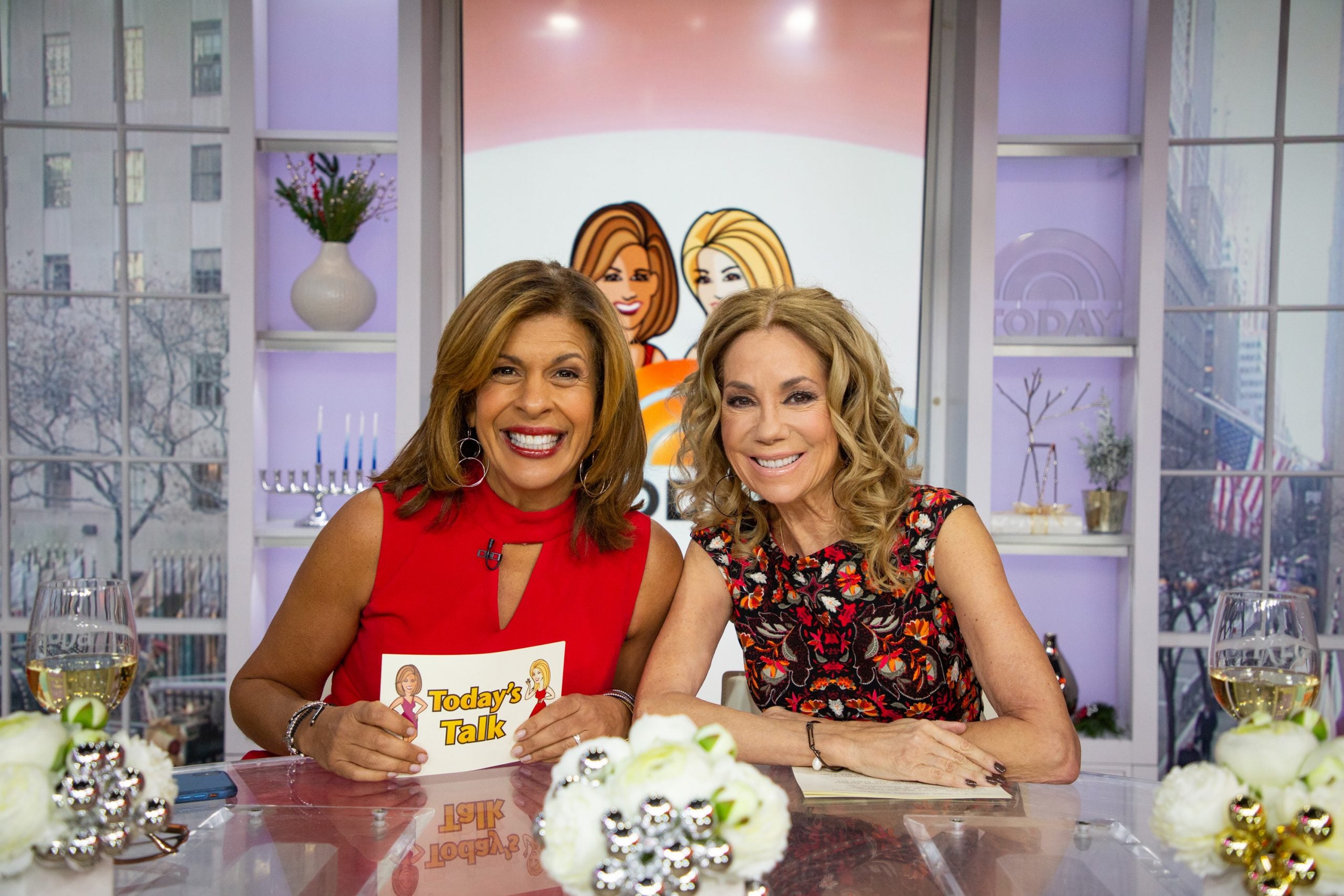
Following her departure from Live! in 2000, Gifford transitioned into a variety of projects, including theater and music, before returning to a daily hosting role in 2008. She joined the fourth hour of NBC’s TODAY show, where she was paired with Hoda Kotb. This pairing is widely cited in broadcast studies as a significant evolution in daytime television, as it leaned heavily into a casual, wine-forward, and deeply intimate conversational style.
The TODAY show pairing allowed Gifford to shed the more structured, traditional format she had utilized with Philbin. Instead, she and Kotb developed a rapport that felt akin to a private conversation between friends. This shift was highly successful, as it tapped into a target audience that valued authenticity and vulnerability. The fourth hour of TODAY became a cultural phenomenon, often focusing on pop culture, lifestyle trends, and deeply personal interviews that differed significantly from the harder news segments in the earlier hours of the show.
Comparing Co-Host Dynamics
To understand the nature of Kathie Lee Gifford’s contribution to morning television, it is helpful to compare the two distinct eras of her career. While both roles involved “co-hosting,” the objectives and technical requirements differed based on the program’s broader editorial mandate.
| Feature | Live! with Regis and Kathie Lee | TODAY (Fourth Hour) |
|---|---|---|
| Duration | 1985–2000 | 2008–2019 |
| Network | Syndicated (WABC-TV origin) | NBC |
| Style | Fast-paced, banter-heavy | Conversational, lifestyle-focused |
| Co-Host Relationship | Comedic foil / Mentor | Collaborative peer / Friend |
| Primary Goal | Morning infotainment | Lifestyle engagement and interview |
This table illustrates that Gifford’s success was not tied to a single formula. Rather, it was a result of her ability to adapt to different network needs while maintaining a consistent personal brand. In the first instance, she worked within a rigid, high-stakes morning format where timing was everything. In the second, she helped build an informal atmosphere that prioritized emotional resonance over strictly timed segments.
Technical Skills and the Role of the Television Co-Host
Being a successful co-host requires a specific set of technical skills that go beyond simply being engaging on camera. Gifford’s longevity in the industry demonstrates proficiency in several key areas of broadcasting.
Managing the "Host Chat" Segment
The ability to sustain a conversation without a script is perhaps the most difficult skill in television. Gifford excelled at the "host chat," which requires the ability to recall anecdotes, observe current events, and quickly synthesize them into a story that is both relatable and suitable for a broadcast audience. This requires a high degree of emotional intelligence and the ability to read one's co-host to ensure balance and flow.
Navigating Live Interviews
Whether interviewing a politician, an author, or a fellow entertainer, the co-host must act as both an information gatherer and an audience advocate. Gifford’s approach typically involved a combination of prepared questions and spontaneous follow-ups. Her experience allowed her to steer a conversation back on track when it drifted or to dig deeper when a guest revealed something particularly compelling.
Audience Calibration
A critical element of daytime television is understanding the demographic. Throughout her career, Gifford targeted a daytime audience that frequently included stay-at-home parents, retirees, and those seeking companionship during their morning routines. Her ability to remain relatable while discussing her life in the public eye required a delicate balance; she had to be enough of an "insider" to maintain curiosity but enough of an "everyman" to keep the audience invested.
Challenges and Criticism in the Public Eye
The position of a high-profile morning show host is inherently subject to scrutiny. Gifford’s career was not without challenges. In the 1990s, her work came under intense public debate regarding the labor practices associated with her clothing line at Walmart. This period underscored the risks associated with celebrity branding and the increased media scrutiny that follows hosts who occupy multiple public spheres—as entertainer, personality, and commercial figure.
Furthermore, the nature of television co-hosting often leads to rumors regarding off-air relationships. The intense pressure to maintain a seamless on-air rapport often creates an environment where viewers project personal tensions onto the hosts. Gifford navigated these public narratives by maintaining a professional focus on the screen, often using her show to address controversies head-on when necessary, which served to demystify rumors and maintain trust with her core audience.
Legacy and Modern Television
As of 2026, the template established by Gifford in the 1980s and refined in the 2000s continues to influence how morning television is produced. The shift toward more personal, host-driven segments in contemporary morning news owes a significant debt to the success of Live! and the fourth hour of TODAY.
The “co-host” model has also seen a diversification in recent years. Where once the model strictly followed a male-female pairing or a rigid news-anchor structure, the modern landscape often features multi-host panels. Despite this structural evolution, the core requirement remains the same: the chemistry between individuals on screen is the single most important factor in the longevity of the program.
Frequently Asked Questions
What were the defining characteristics of Kathie Lee Gifford's time on the TODAY show? Her time on the fourth hour of TODAY was defined by a shift toward lifestyle content, an informal "wine-with-friends" aesthetic, and an emphasis on personal, unscripted conversation with her co-host, Hoda Kotb, which helped the show reach a younger, more social media-engaged demographic.
How did the co-host dynamic differ between Regis Philbin and Hoda Kotb? The dynamic with Regis Philbin was rooted in a scripted-feel banter where the hosts played specific, often comedic, archetypes. In contrast, the dynamic with Hoda Kotb focused on mutual support, shared life experiences, and a more collaborative, peer-to-peer approach that felt less like a variety show and more like a daytime chat.
Did Kathie Lee Gifford ever hold a traditional news anchoring position? No, Gifford’s career was primarily centered on entertainment, lifestyle, and talk-show hosting. While she covered news-related segments within the context of her programs, she operated as a television personality rather than a hard-news journalist or anchor.
Why is the "host chat" segment considered essential to morning television? The host chat establishes rapport with the audience at the start of a broadcast. By sharing personal stories and reacting to current events, hosts humanize themselves, which encourages the audience to remain tuned in for the remainder of the program's more formal segments.
What is the significance of the 2008 move to NBC for her career? The 2008 move signaled a transition from the structured, high-pressure environment of syndicated morning talk to the platform of a major network's established news show. It allowed her to reinvent her public persona for a new generation of viewers while leveraging her deep experience in broadcast longevity.
Next Steps for Aspiring Broadcasters
For those interested in understanding the mechanics of television hosting, the most practical step is to analyze the pacing of segments. Observe how professional hosts transition from a personal anecdote to a commercial break, or how they guide a guest back to the main point of a discussion.
Aspiring hosts should focus on "active listening"—the ability to listen to a guest or co-host not just to respond, but to advance the narrative of the segment. Studying the transition points in Gifford’s long career, particularly how she moved between the rigid constraints of a syndicated morning show and the fluid, organic flow of the TODAY show, offers a masterclass in broadcast adaptability. Whether in traditional television or modern streaming formats, these foundational skills in chemistry, timing, and audience connection remain the primary drivers of success in the industry.

Image Gallery
Select an image to open it in a new tab.

Ingrid Bjornson
Global Cyber Policy and Regulation Analyst
