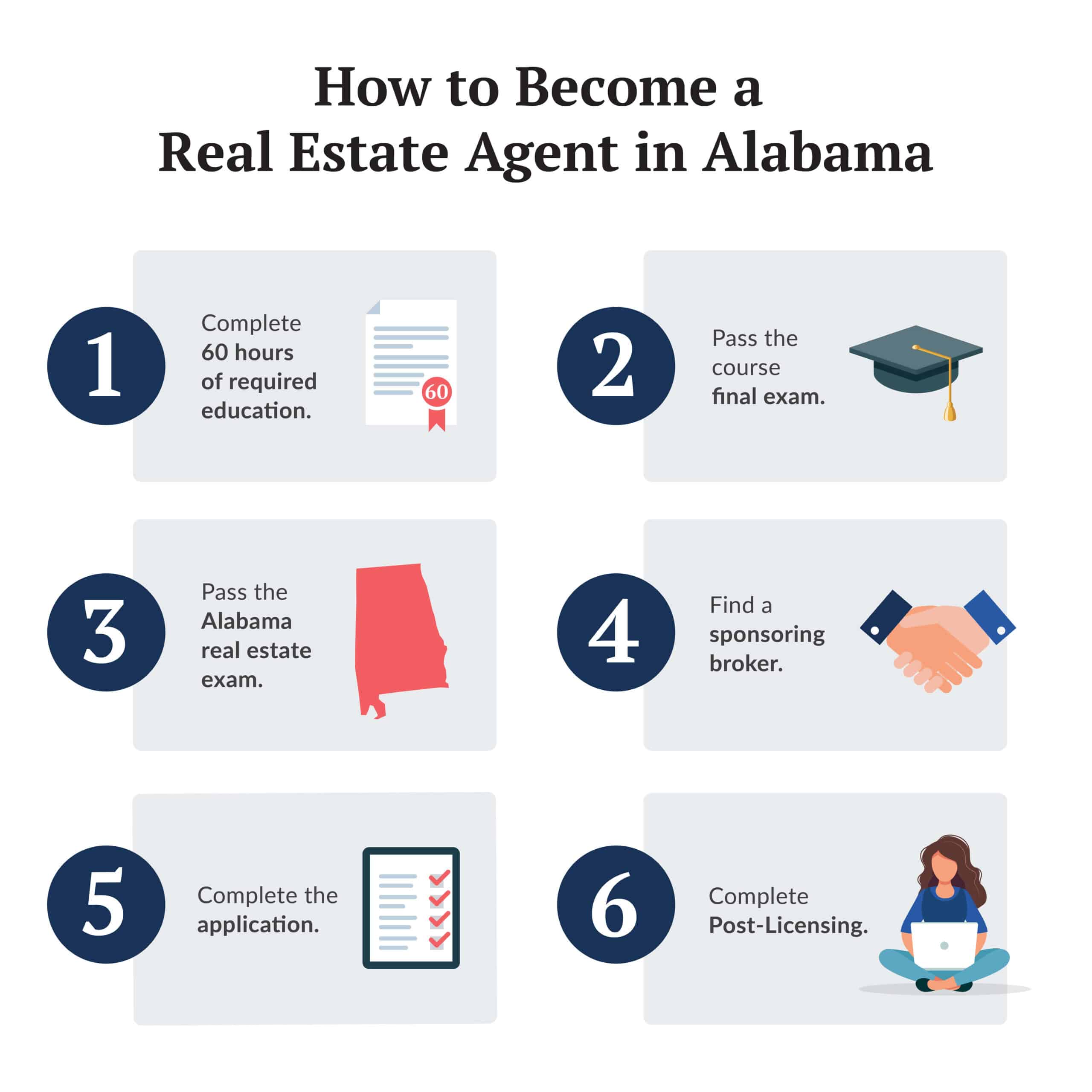
Becoming a licensed life and health insurance agent in Alabama requires completing state-approved pre-licensing education, passing a standardized examination, submitting a background check through fingerprinting, and applying for your license through the Alabama Department of Insurance (ALDOI) via the National Insurance Producer Registry (NIPR).
The Role and Regulatory Environment in Alabama
The insurance industry in Alabama is governed by the Alabama Department of Insurance (ALDOI). As an insurance producer—the formal term for an insurance agent—you act as a representative of one or more insurance carriers. You are responsible for helping clients navigate complex financial decisions regarding their mortality, morbidity, and long-term medical care. Because this field directly impacts the financial security of Alabama citizens, the regulatory requirements are rigorous and strictly enforced.
The license for "Life and Health" is technically a combined producer license. "Life" insurance generally covers death benefits, annuities, and endowments, while "Health" insurance encompasses disability, medical, and long-term care policies. Obtaining this combined license allows you to provide a comprehensive suite of financial protection products to your clients.
Step 1: Meet the Basic Eligibility Requirements
Before investing time and capital into your education, ensure you satisfy the foundational requirements mandated by the state of Alabama:
- Age: You must be at least 18 years of age.
- Residency: While you do not need to be a permanent resident of Alabama to hold a non-resident license, you must be a resident of Alabama to apply for a resident license.
- Character: The Department of Insurance requires applicants to be "competent and trustworthy." This is assessed during the background check phase, where any history of felony convictions or financial malfeasance will be scrutinized.
- Capacity: You must have the legal capacity to enter into binding contracts.
Step 2: Complete Required Pre-Licensing Education
Alabama law mandates that aspiring agents complete a state-approved pre-licensing education program. For a combined Life and Health license, you are typically required to complete a minimum of 20 hours of approved coursework.
These courses are designed to cover the core principles of insurance, the specific policy types available, and, crucially, the Alabama Insurance Code. The curriculum includes:
- General Principles: Understanding the basic mechanics of risk management, contract law, and policy provisions.
- Life Insurance Basics: Term vs. Whole Life, Universal Life, and annuities.
- Health Insurance Basics: Medical expense insurance, disability income, and accidental death and dismemberment policies.
- Alabama Law: The specific regulations, ethical requirements, and administrative rules that govern the conduct of insurance agents within the state.
You must choose an ALDOI-approved provider. Many students opt for online "self-paced" courses, which allow for flexibility, while others prefer live classroom settings. Regardless of the format, you must pass the course-end examination provided by your education vendor to receive your Certificate of Completion.
Step 3: Schedule and Pass the State Examination
Once you have your Certificate of Completion, you are eligible to register for the state insurance examination. The exam is administered by a third-party testing vendor, typically Pearson VUE, which works in coordination with the ALDOI.
The examination is a proctored, computer-based test. The Life and Health exam consists of multiple-choice questions covering both federal and state-specific regulations. You should prepare for a rigorous assessment that tests your ability to apply insurance concepts to real-world scenarios rather than just testing rote memorization.
Examination Tips for Success:
- Mock Exams: Use the practice tests provided by your education vendor. They are the best indicators of your readiness.
- Understand the Law: Do not underestimate the section on Alabama Insurance Law. Many candidates pass the general insurance concepts but fail due to the state-specific regulations.
- Logistics: Arrive at the testing center at least 30 minutes early. Ensure you have the required forms of identification as specified in your confirmation email.
Step 4: Complete the Fingerprinting and Background Check
Security is a cornerstone of the insurance industry. Alabama requires all first-time applicants to undergo a criminal history background check.
You must register with the state’s designated fingerprinting service provider (often managed via Fieldprint or a similar state-contracted vendor). The process involves capturing your fingerprints electronically, which are then submitted to the Alabama Law Enforcement Agency (ALEA) and the FBI. This step is critical; your application will not be processed until your background check results have been received and cleared by the ALDOI.
Step 5: Submit the License Application
After passing your exam and completing your background check, the final step is to submit your application for a resident insurance producer license. This is handled electronically through the National Insurance Producer Registry (NIPR).
During the application process, you will be asked to:
- Disclose any criminal history or previous administrative actions against a professional license.
- Pay the required application fees.
- Provide contact information and proof of your legal status.
Once you submit your application and fees, it is reviewed by the Alabama Department of Insurance. If your documentation is complete and your background check is clear, you will be issued your license, usually via email. You can verify your status through the NIPR Producer Database.
Estimated Costs and Financial Considerations
It is important to budget for the entire process, as there are fees associated with each step. Note that these are estimated figures for 2026 and may fluctuate based on current vendor pricing.
| Requirement Item | Estimated Cost (USD) | Notes |
|---|---|---|
| Pre-licensing Education | $150 – $300 | Varies by provider and format |
| State Exam Fee | $50 – $100 | Per attempt |
| Fingerprinting/Background Check | $50 – $75 | Paid to third-party vendor |
| Initial Licensing Fee | $40 – $60 | Paid to the state of Alabama |
| NIPR Processing Fee | $5 – $10 | Service fee for electronic submission |
Maintaining Your License: Continuing Education (CE)
The process does not end with the issuance of your license. In Alabama, insurance agents must complete Continuing Education (CE) hours every two years to remain in good standing. This ensures that you stay updated on changes to the insurance code, new product regulations, and ethical standards. Failure to meet these requirements will result in the expiration or suspension of your license, which would require you to re-apply and potentially re-take the examination.
Frequently Asked Questions
1. Can I work while I am waiting for my background check to clear? No. You cannot perform the duties of a licensed insurance agent, such as soliciting, negotiating, or selling insurance policies, until you have received your official license. Engaging in these activities without a license is a violation of Alabama state law.
2. How many times can I take the Alabama insurance exam? There is no hard limit on the number of attempts you can make to pass the examination. However, you must pay the examination fee for every attempt. It is advisable to review your test results if you fail, as the report will provide insight into which specific areas (e.g., life insurance or legal regulations) need more study.
3. Does the Life and Health license cover Property and Casualty (P&C) insurance? No. The Life and Health license is separate from the Property and Casualty license. If you intend to sell auto, homeowners, or commercial liability insurance, you must complete the pre-licensing education and pass the examination specifically for the Property and Casualty line of authority.
4. What happens if I move out of Alabama after getting my license? If you move to another state, you must update your contact information with the Alabama Department of Insurance promptly. If you intend to maintain your Alabama license while living elsewhere, you may need to apply for a non-resident license in your new home state while keeping your Alabama license active, provided you continue to meet Alabama’s renewal requirements.
5. How long does the entire licensing process take? The timeline varies based on your study pace. For someone dedicating full-time effort, the entire process—from completing the course to receiving the license—can take between four to eight weeks, depending on exam availability and the speed of background check processing.
Next Steps
If you are ready to begin, start by selecting an ALDOI-approved pre-licensing course provider. Once you have registered for your course, create a study plan that allocates at least 20 hours for coursework and an additional 10–15 hours for focused review of the Alabama Insurance Code. By systematically completing each requirement—education, exam, background check, and application—you will be well-positioned to launch your career as a licensed life and health insurance professional. Always consult the Alabama Department of Insurance website for the most current administrative bulletins and any changes to the licensing portal procedures.

Image Gallery
Select an image to open it in a new tab.
Omar Farooq
EdTech Innovation and Virtual Pedagogy Journalist
