The Hunger Games: The Ballad of Songbirds and Snakes Movie Explained

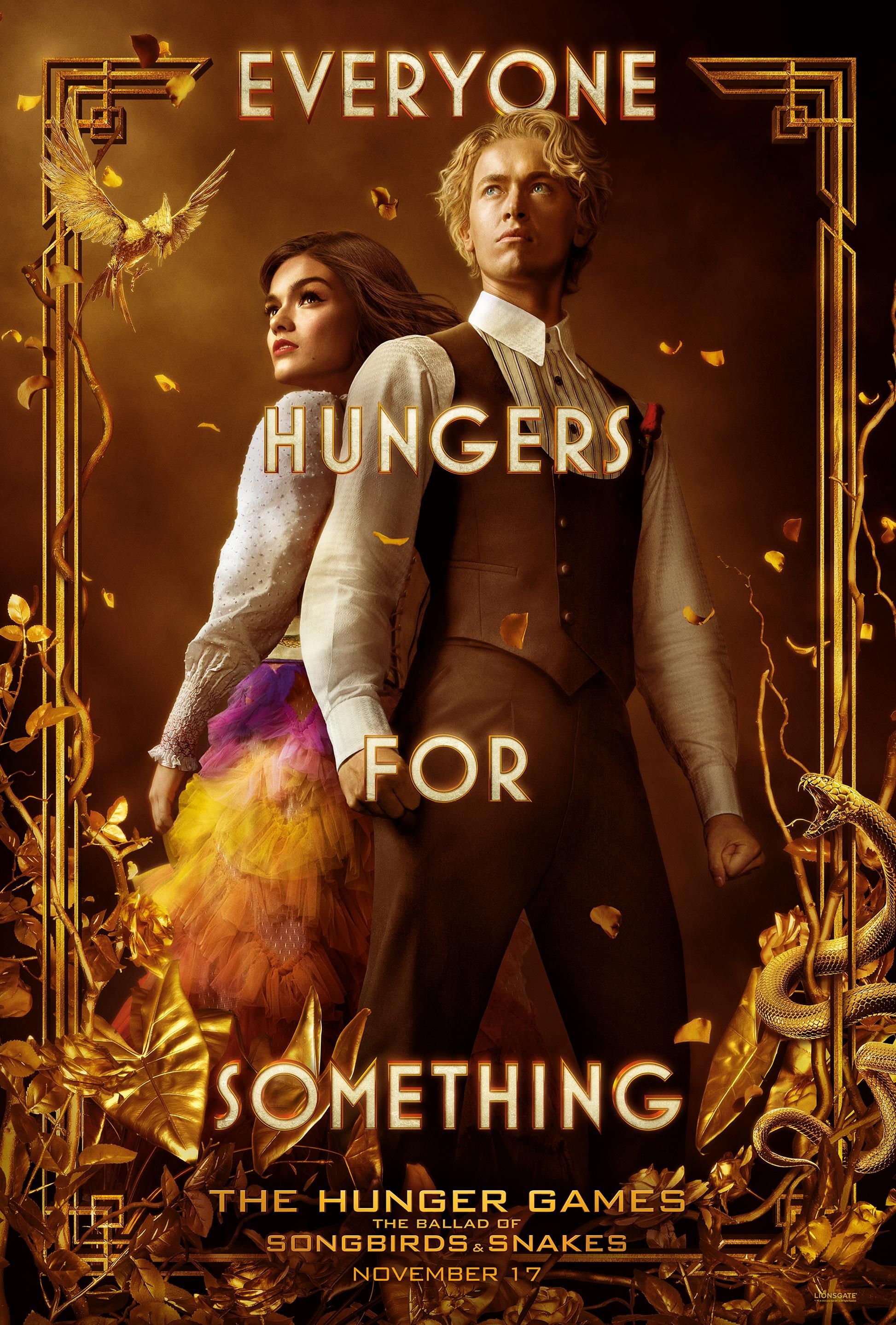
The Hunger Games: The Ballad of Songbirds and Snakes explores the origin of Coriolanus Snow, depicting his journey from a desperate Capitol student to a ruthless dictator. The film explains that his transformation was driven by a belief that humanity requires strict control to avoid chaos, a philosophy solidified through his relationship with Lucy Gray Baird.
The Origins of Coriolanus Snow and the 10th Hunger Games
Set 64 years before Katniss Everdeen volunteered as tribute, The Ballad of Songbirds and Snakes provides a starkly different look at Panem. In this era, the Capitol is still recovering from the "Dark Days," the civil war that nearly destroyed it. The Snow family, once one of the most prestigious names in the city, has fallen into poverty. Coriolanus Snow is a young man living a lie, pretending to possess wealth while he and his cousin, Tigris, struggle to afford food and taxes.
The 10th Hunger Games serve as the backdrop for his potential rise. Unlike the high-tech spectacles seen in the original trilogy, these games are gritty, low-budget, and failing in popularity. To save the Games, Dean Casca Highbottom and Head Gamemaker Dr. Volumnia Gaul introduce the concept of mentors—top Capitol students assigned to tributes to make them "spectacles" rather than just victims. Coriolanus is assigned the female tribute from District 12, Lucy Gray Baird, a charismatic performer who captures the Capitol's attention.
The film explains that the Hunger Games were not always an entertainment juggernaut. They were initially a raw, cruel punishment that the Capitol citizens themselves found difficult to watch. The introduction of mentors like Snow was the first step in turning the atrocity into a reality television format, designed to force the audience to invest emotionally in the tributes' lives and deaths.
The Relationship Between Coriolanus and Lucy Gray Baird
The heart of the movie lies in the complex, often manipulative relationship between Coriolanus and Lucy Gray. Unlike the pure romance seen in some young adult adaptations, their bond is built on a foundation of mutual survival. Coriolanus needs Lucy Gray to win so he can secure the Plinth Prize—a scholarship that would restore his family’s fortune. Lucy Gray needs Coriolanus’s cunning and Capitol influence to survive the arena.
Throughout the film, the audience sees Coriolanus oscillate between genuine affection and cold ambition. He risks his life to save her in the arena and cheats by giving her a compact filled with rat poison to use against other tributes. However, these actions are frequently framed through the lens of possession. He views Lucy Gray as "his" tribute, and his desire to protect her is inextricably linked to his desire to win.
Lucy Gray Baird represents a chaotic, free-spirited contrast to the Capitol’s rigid structure. As a member of the Covey—a group of traveling musicians who were forced into the districts—she does not belong to District 12 in the traditional sense. This lack of "belonging" is what attracts Coriolanus, yet it is also what eventually drives them apart. She values trust and freedom above all else, while Coriolanus learns to value power and security.
The Philosophical Conflict: Dr. Gaul vs. Dean Highbottom
To fully understand the movie, one must analyze the ideological battle between Dr. Volumnia Gaul and Dean Casca Highbottom. They represent the two conflicting views of the Hunger Games and, by extension, human nature.
Dr. Gaul is a social Darwinist. She believes that humans are naturally violent and that the Hunger Games are a "controlled" version of the war that occurred during the Dark Days. She views the arena as a laboratory where the true nature of humanity—brutality—is revealed. Her goal is to teach the Capitol’s youth that without the Capitol’s iron fist, the world would devolve into the "war of all against all."
Dean Highbottom, conversely, is the reluctant creator of the Games. The film reveals that the Games were a drunken idea he came up with as a theoretical exercise in cruelty, which Coriolanus’s father, Crassus Snow, stole and turned into a reality. Highbottom is haunted by this legacy and uses morphling to numb his guilt. He hates Coriolanus not just for who he is, but because he sees in him the same calculating ruthlessness that defined Crassus Snow.
Coriolanus’s descent into villainy is essentially a choice between these two mentors. He ultimately rejects Highbottom’s guilt-ridden humanity in favor of Dr. Gaul’s cold, authoritarian logic.
Comparison of the 10th and 74th Hunger Games
The following table highlights the technical and cultural differences between the Games during the prequel era and the era of Katniss Everdeen.
| Feature | The 10th Hunger Games (Prequel) | The 74th Hunger Games (Original) |
|---|---|---|
| Arena Environment | A crumbling, static sports stadium. | A high-tech, bio-engineered outdoor landscape. |
| Tribute Treatment | Kept in a zoo cage; starved and mistreated. | Treated like celebrities; fed and groomed. |
| Technology | Basic cameras; no drones (initially). | Advanced holograms, trackers, and climate control. |
| Sponsorship | Just introduced; food sent via basic drones. | Elaborate gifting system managed by Gamemakers. |
| Public Sentiment | Viewed with disgust or indifference by many. | A mandatory, celebrated national event. |
| The "Victor" | Received a small purse; no Victory Tour. | Given a life of luxury and a permanent home. |
The Ending Explained: The Three Murders and the Transformation
The third act of the film takes place in District 12, where Coriolanus has been sent as a Peacekeeper after his cheating in the arena was discovered. It is here that the final "explained" pieces of his character come together. Coriolanus undergoes a psychological break that is triggered by three specific deaths he causes or contributes to.
The first is Mayfair Lipp, the Mayor’s daughter, whom he shoots to protect himself and Lucy Gray. The second is his supposed best friend, Sejanus Plinth. Sejanus is a rebel sympathizer who uses his wealth to try and help the districts. Coriolanus, fearing that Sejanus’s plans will get them both killed, records Sejanus’s treasonous intentions using a jabberjay and sends it to Dr. Gaul. Sejanus is executed, and Coriolanus is rewarded, but the guilt begins to warp his psyche.
The final "death" is the metaphorical death of his relationship with Lucy Gray. While fleeing toward the North, Coriolanus discovers the guns he used to kill Mayfair—the only evidence linking him to the crime. He realizes that if he disposes of the guns, he can return to his life in the Capitol. At this moment, he begins to distrust Lucy Gray, wondering if she will reveal his secret. In a frantic chase through the woods, he fires his weapon at her as she disappears into the trees.
Whether Lucy Gray survived or died remains a mystery, both in the book and the movie. However, her disappearance is the catalyst for Snow’s final evolution. He decides that love is a weakness that leads to betrayal. He returns to the Capitol as Dr. Gaul’s protégé, poisons Dean Highbottom to eliminate his final rival, and adopts the mantra that "Snow lands on top."
Thematic Links to the Original Trilogy
The Ballad of Songbirds and Snakes is filled with "Easter eggs" and thematic links that explain the origins of many elements from the Katniss Everdeen era.
- The Hanging Tree Song: The film reveals that Lucy Gray Baird wrote this song after witnessing a man being executed in District 12. When Katniss sings it decades later, it is a revolutionary anthem, but for Snow, it is a haunting reminder of the woman he loved and tried to kill.
- The Mockingjays: Coriolanus hates Mockingjays because they are "uncontrolled" creatures that mimic human voices, reminding him of his failure in the woods and the betrayal of Sejanus. This explains his visceral reaction to Katniss using the bird as a symbol of rebellion.
- The Roses: Coriolanus’s grandmother grows roses on their penthouse roof to mask the smell of poverty. Later, Snow uses them to mask the scent of blood from the mouth sores caused by the poisons he drinks to deflect suspicion from his political assassinations.
- Tigris: The movie introduces Tigris as Coriolanus’s compassionate cousin. Her transformation into the surgically altered rebel seen in Mockingjay – Part 2 is hinted at through her growing disgust with Coriolanus’s lack of empathy. Her line, "You look just like your father," is the ultimate insult, marking the end of their bond.
Why Coriolanus Snow Became a Villain
The movie explains that Snow’s villainy was not an accident of birth but a series of choices. He lived through the starvation of the war and the chaos of the streets. This trauma left him with a deep-seated fear of instability. When Dr. Gaul asks him what the Hunger Games are for, his final answer—"to remind us of who we are without the laws"—shows that he has accepted a world where order is more important than freedom.
He didn't just want to survive; he wanted to ensure that he was never in a position of vulnerability again. By the end of the film, he has successfully manipulated his way into the Plinth family's good graces (the same family whose son he betrayed), effectively buying his way back into power. He views the entire world as an arena, and he has decided that he will be the one holding the weapons, not the one running for cover.
Frequently Asked Questions
Does Lucy Gray Baird die at the end of the movie?
The film leaves Lucy Gray's fate intentionally ambiguous. While Coriolanus shoots into the woods where she is hiding, no body is ever found. She effectively becomes a ghost, living on only through her music. This ambiguity torments Snow for the rest of his life, as she is the one thing in Panem he could never truly control or account for.
Why does Dean Highbottom hate Coriolanus Snow so much?
Dean Highbottom’s hatred stems from his relationship with Coriolanus’s father, Crassus Snow. Highbottom came up with the idea for the Hunger Games as a joke, but Crassus took the idea to the Capitol authorities to gain favor. Highbottom spent the rest of his life regretting the creation of the Games and saw the same "ambition at any cost" in Coriolanus, which he found repulsive.
Is Tigris the same character from the original Hunger Games movies?
Yes, Tigris is the same character who appears in Mockingjay – Part 2. In the prequel, she is Coriolanus’s cousin and his moral compass. The film explains their close bond, making her eventual decision to help Katniss Everdeen overthrow him even more significant. Her fallout with Coriolanus happens as she realizes he has become as cruel as the systems they once struggled against.
What is the significance of the "Three Murders"?
The "Three Murders" refers to a quote from the book that the movie visually adapts. It signifies the point of no return for Coriolanus. By killing Mayfair, betraying Sejanus, and attempting to kill Lucy Gray, Coriolanus destroys his innocence, his loyalty, and his capacity for love. These three acts solidify his path to becoming the cold-blooded President Snow.
Why did Snow poison Dean Highbottom?
Snow poisoned Highbottom to eliminate a political enemy and a man who knew the truth about his family’s moral failings. It was also his first "signature" assassination using poison, a method he would go on to use throughout his rise to power to eliminate rivals while appearing innocent himself.
Expert Recommendation for Further Viewing
To fully grasp the narrative weight of The Ballad of Songbirds and Snakes, it is recommended to re-watch the original Hunger Games films (2012–2015). Pay close attention to Donald Sutherland’s portrayal of President Snow, specifically his interactions with Katniss regarding the Mockingjay and the "Hanging Tree" song. Understanding the young Snow's history adds a layer of tragic irony to his eventual downfall at the hands of a girl from the same district and the same musical legacy as Lucy Gray Baird.
Image Gallery
Select an image to open it in a new tab.

Vivian Cho
Executive IT and Emerging Technologies Reporter
