Should Chocolate Cake Be Refrigerated? A Comprehensive Guide to Storage and Food Safety

Whether your chocolate cake requires refrigeration depends primarily on its ingredients, specifically the type of frosting, filling, and moisture content used in the recipe. While a simple, un-iced sponge cake can often sit on the counter for several days, cakes featuring dairy-based frostings, fresh fruit fillings, or custard layers must be refrigerated to prevent bacterial growth and ensure food safety.
Understanding the Factors Behind Cake Storage
The shelf life and storage requirements of a chocolate cake are not governed by the cocoa itself, but by the perishable components combined with the flour, sugar, and fat. To determine if your cake needs the refrigerator, you must evaluate the structural elements that make it vulnerable to spoilage.
The Role of Frosting and Icing
The most common point of failure for cake storage is the frosting. Commercially prepared, high-sugar buttercream frostings often contain preservatives and enough sugar to inhibit microbial activity, allowing them to remain at room temperature for several days. However, if your chocolate cake is topped with whipped cream, cream cheese frosting, or ganache made with a high ratio of heavy cream, the refrigeration requirement changes significantly.
Cream cheese, for instance, contains high moisture and protein levels, making it a prime environment for bacteria. The USDA and various food safety authorities emphasize that dairy-based toppings that are not shelf-stable require consistent cold storage.
Fillings and Moisture Content
Chocolate cakes often incorporate fillings such as fresh berries, pastry creams, or mousse. These additions are highly perishable. Pastry cream, which is essentially an egg-thickened custard, is extremely susceptible to the rapid growth of Staphylococcus aureus if left in the "danger zone"—the temperature range between 40°F and 140°F (4°C and 60°C). If your cake features these elements, refrigeration is not merely a recommendation for texture preservation; it is a critical safety requirement.
Food Safety: The Danger Zone and Spoilage
The primary objective of food storage guidelines is to keep food out of the danger zone. Microorganisms, including mold, yeast, and pathogenic bacteria, thrive in warm, moist environments. While chocolate itself is a shelf-stable product due to its low water activity, a baked chocolate cake is a moist environment.
When you leave a cake at room temperature, you are essentially providing the ideal conditions for spoilage organisms. While a dry chocolate cake might only go stale after a few days, a moist, dense cake can develop mold within 48 to 72 hours, especially in humid climates. Refrigeration slows down these biological processes, extending the window of safety.
How to Properly Refrigerate Chocolate Cake
Simply placing a cake in the refrigerator is often not enough to maintain its quality. Improper storage can lead to the cake drying out, absorbing odors from other foods, or developing a "fridge taste."
- Cool Completely: Never place a warm cake in the refrigerator. The steam trapped inside a container will condense on the cake surface, resulting in a soggy, sticky mess. Wait until the cake is at room temperature.
- Airtight Sealing: Use a cake carrier or wrap the cake tightly in plastic wrap. If the cake is already cut, press plastic wrap directly against the exposed cut surfaces to prevent moisture loss.
- Strategic Placement: Avoid placing the cake near strong-smelling foods like onions or pungent cheeses. Cakes act as sponges for refrigerator odors.
- The "Crust" Technique: For cakes with buttercream frosting, you can chill the cake briefly until the icing hardens, then wrap it loosely in plastic wrap; this prevents the plastic from sticking to the delicate decorative surfaces.
Comparing Storage Methods
| Cake Type | Room Temp (Max 72°F) | Refrigeration (40°F or less) | Freezer (0°F) |
|---|---|---|---|
| Plain Sponge/Bundt | 3–4 Days | 7–10 Days | 3 Months |
| Buttercream Iced | 2–3 Days | 5–7 Days | 2 Months |
| Cream Cheese Iced | Not Recommended | 4–5 Days | 2 Months |
| Fresh Fruit/Custard | Not Recommended | 2–3 Days | Not Recommended |
| Ganache (High Cream) | 1–2 Days | 5–7 Days | 3 Months |
The Impact of Refrigeration on Texture
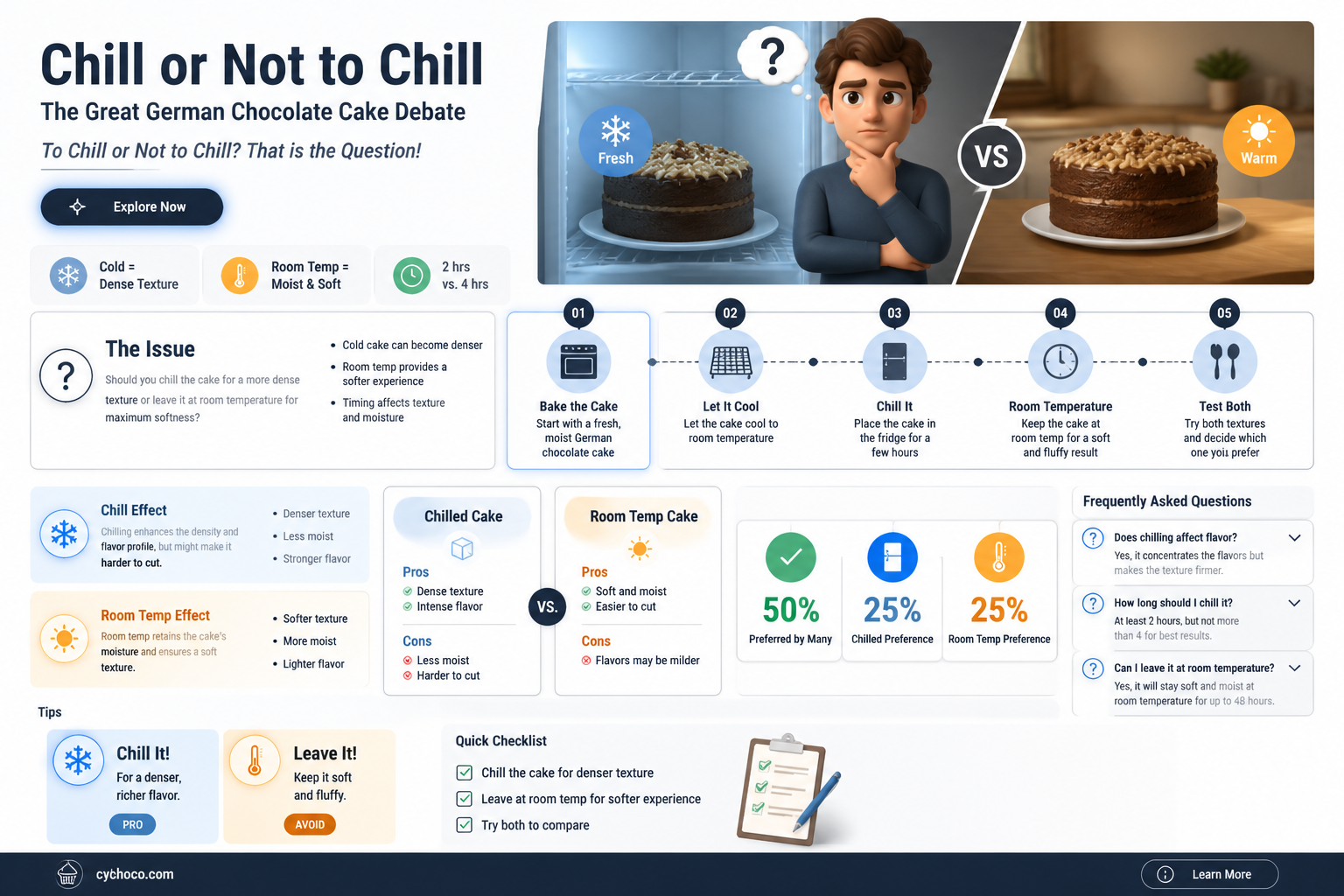
While refrigeration is superior for safety, it often comes at the cost of texture. The starches in cake flour undergo a process called retrogradation when chilled, which causes the crumb to harden and become stale-tasting.
To mitigate this, you should bring the cake back to room temperature before serving. If you have refrigerated a cake, remove it from the fridge at least one to two hours before you intend to eat it. This allows the fats in the butter or oil to soften, restoring the moist, tender mouthfeel of the chocolate crumb.
Common Mistakes to Avoid
Many home bakers fall into the trap of using the refrigerator as a default storage solution for everything. This is unnecessary for basic recipes and can actually accelerate the staleness of simple sponge cakes.
- Leaving it uncovered: An uncovered cake in the fridge is a recipe for a dried-out, refrigerator-flavored dessert.
- Assuming commercial cakes are the same: Many grocery store cakes use shelf-stable, synthetic frostings that do not require refrigeration. Always check the packaging or ask the baker if the cake is made with real dairy or fresh egg-based fillings.
- Thawing incorrectly: Do not attempt to rapidly thaw a frozen cake in the microwave, as this will lead to uneven heating and a rubbery texture. Always thaw in the refrigerator or on the counter at room temperature.
Troubleshooting: When in Doubt, Toss It
If you notice any of the following signs, do not consume the cake, regardless of how it was stored:
- Visible Mold: Even if you see mold on only one small section, the spores often penetrate the entire structure.
- Off-Odors: If the cake smells like the refrigerator or has a sour, fermented scent, discard it.
- Texture Changes: If a cake that should be soft feels slimy or unusually sticky, this indicates microbial growth.
- Temperature Abuse: If a cream-filled cake has been sitting at room temperature for more than two hours, it is best to err on the side of caution and discard it.
Frequently Asked Questions
Does a cake with ganache need to be refrigerated? Yes, if the ganache contains a high ratio of heavy cream. While dark chocolate ganache made with a 1:1 ratio of chocolate to cream is relatively shelf-stable for a day or two in cool environments, safety protocols suggest refrigerating any cake containing dairy to prevent spoilage and maintain consistency.
How do I keep my chocolate cake from drying out in the fridge? To prevent moisture loss, seal the cake in an airtight container. For cakes that are already cut, covering the exposed cut sides with a thin layer of icing or using a piece of wax paper pressed directly against the crumb before wrapping in plastic can significantly reduce moisture evaporation.
Can I freeze a chocolate cake instead of refrigerating it? Freezing is often better than refrigeration for long-term storage. If you do not plan to eat the cake within three days, wrapping it securely and placing it in the freezer will preserve the structure far better than the refrigerator. Just ensure it is double-wrapped to prevent freezer burn.
Does a box-mix chocolate cake need refrigeration? Most box-mix recipes, when frosted with canned, shelf-stable icing, are safe to keep at room temperature. However, if you add fresh eggs, milk, or perishable fillings to the mix, you must treat the final product as a perishable item that requires refrigeration.
Why does my chocolate cake taste like the fridge after being stored? Cakes are highly porous and will absorb aromatic compounds from other foods in your refrigerator. To avoid this, always store the cake in an airtight container. If you have a busy fridge, consider using a secondary container, such as a large plastic bag or a sealed storage tub, to create an extra layer of protection.
Final Recommendation
For the best experience, store your chocolate cake in an airtight container at room temperature if it contains no perishable fillings or dairy-based frostings. If your recipe uses cream cheese, fresh fruit, or whipped cream, prioritize safety by keeping it refrigerated. When serving a chilled cake, always allow it to come to room temperature for at least 60 minutes to ensure you enjoy the full flavor and moist texture of the chocolate. If you find yourself with an excess of cake, wrap individual slices for the freezer to maintain quality for up to three months.
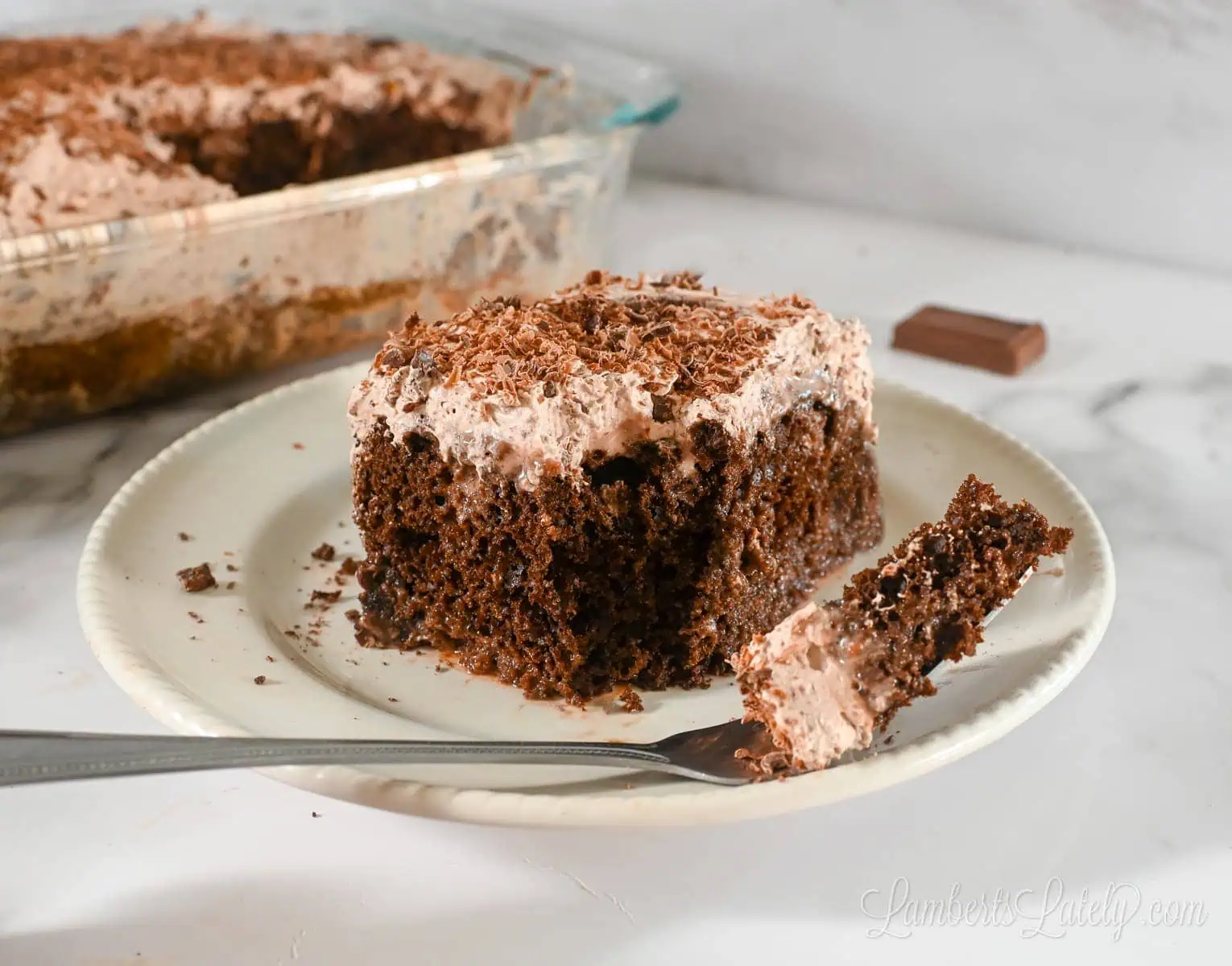
Image Gallery
Select an image to open it in a new tab.


Simon Caldwell
Enterprise Technology and Systems Editor
