Is the Chevy Trax a Reliable Car? A Detailed Reliability and Longevity Analysis

The Chevy Trax offers "fair to good" reliability, characterized by a significant performance gap between its two generations. While first-generation models (2015–2022) frequently encountered cooling and turbocharger issues, the redesigned second-generation (2024–2026) utilizes a more modern powertrain and platform that has, thus far, demonstrated fewer catastrophic mechanical failures but some early electronic glitches.
The Generational Divide: Why Reliability Varies by Year
When evaluating the reliability of the Chevrolet Trax, it is impossible to treat all model years as a single entity. The vehicle underwent a massive transformation, skipping the 2023 model year entirely to transition from an aging, subcompact crossover platform to a larger, more sophisticated architecture.
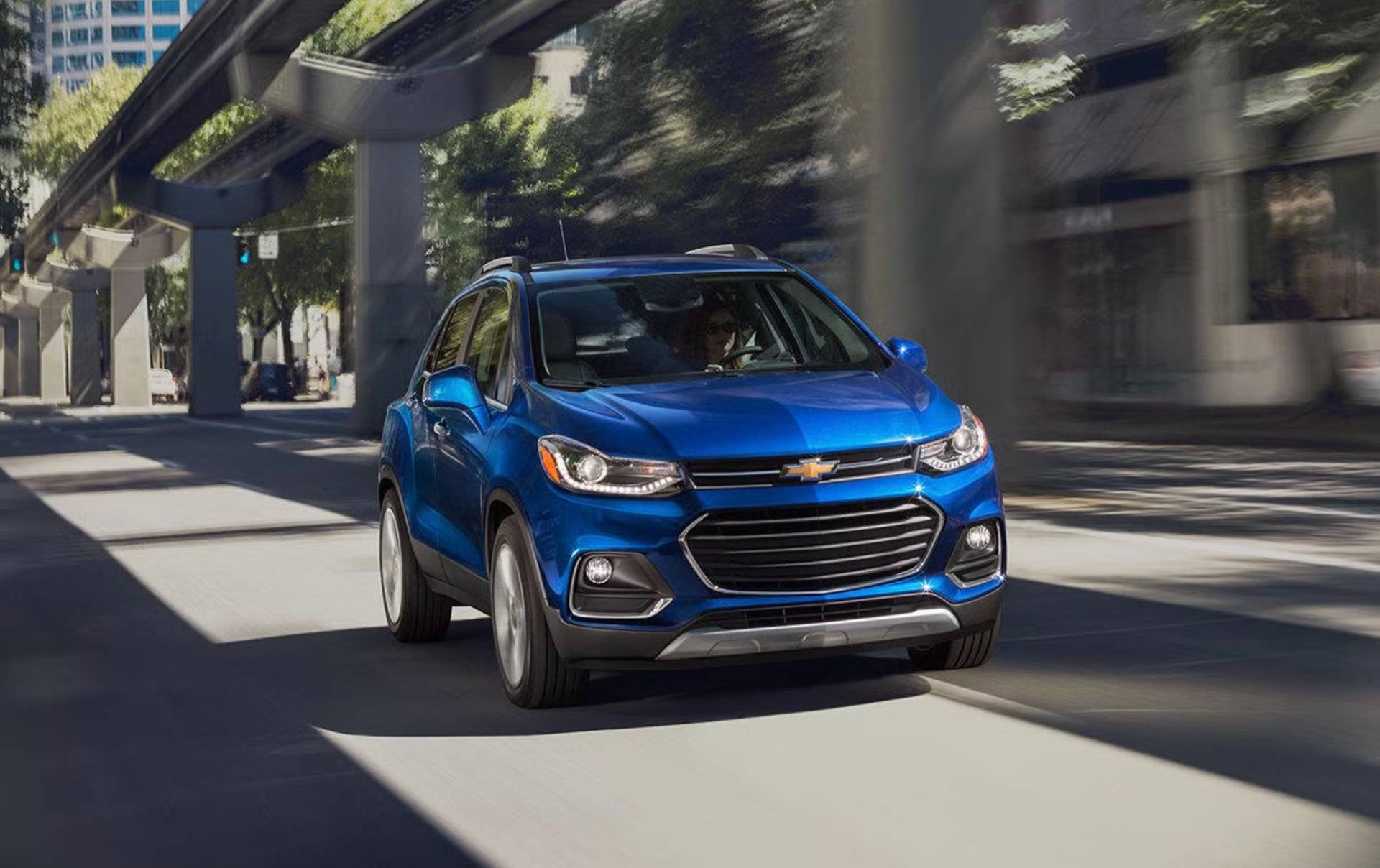
The first generation (2015–2022) was built on the GM Gamma II platform. This version was often criticized for its cramped interior and unrefined driving dynamics. More importantly, its long-term reliability record was marred by persistent engine-related issues that often appeared shortly after the powertrain warranty expired.
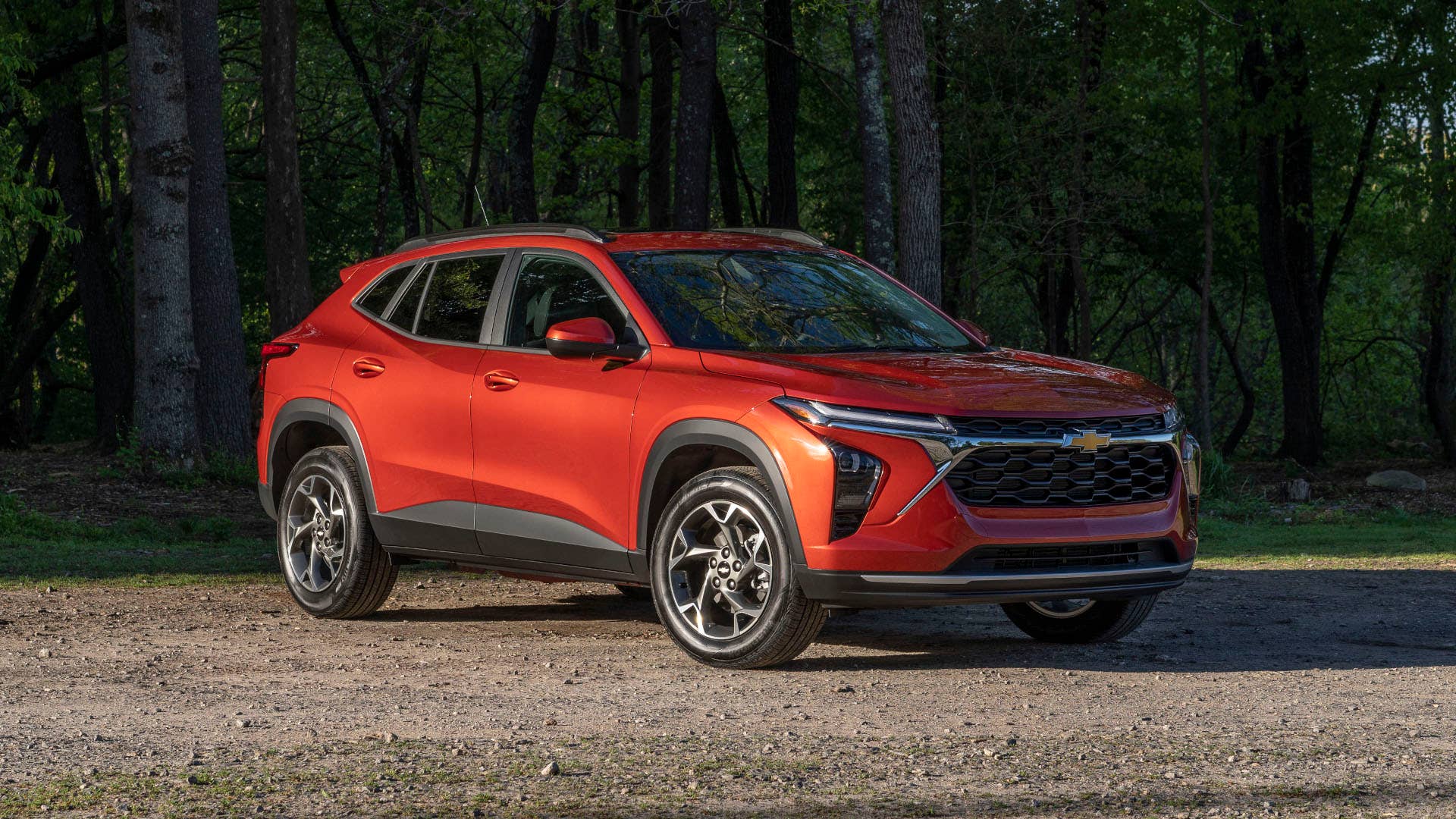
The second generation, which debuted for the 2024 model year and continues through 2026, represents a clean-sheet redesign. Built on the VSS-F platform, this version is longer, wider, and lower. It swapped the old four-cylinder engine for a 1.2-liter turbocharged three-cylinder engine paired with a traditional six-speed automatic transmission. As of 2026, this newer version has established a more positive reputation for build quality, though it remains an entry-level vehicle designed with cost-efficiency in mind.
Common Mechanical Issues in First-Generation Models (2015–2022)
For buyers looking at the used market in 2026, understanding the pitfalls of the first-generation Trax is essential. The 1.4-liter Ecotec engine used during this era was notorious for several specific failure points that owners should monitor.
Turbocharger and PCV System Failures
One of the most documented issues in the 2015–2020 models is the failure of the turbocharger and the integrated Positive Crankcase Ventilation (PCV) system. The PCV valve is built into the intake manifold; when it fails, it can cause high pressure to build up in the engine, leading to blown oil seals and oil consumption. If left unaddressed, this often results in a total turbocharger failure, a repair that can cost between $1,500 and $2,500.
Cooling System Vulnerabilities
The first-generation Trax heavily utilized plastic components in its cooling system. Over time, these plastic water outlets and thermostat housings are prone to cracking due to constant heat cycles. Owners frequently report coolant leaks that, if ignored, lead to engine overheating. In 2026, many of these older units require a complete cooling system overhaul (including the water pump and radiator hoses) to remain viable as daily drivers.
Transmission Shifting Issues
While the 6T40 six-speed automatic transmission is generally robust, early models suffered from "flare" shifting or hesitation between gears. This was often caused by solenoids or pressure switches within the transmission control module. Regular fluid changes (every 45,000 miles, despite longer "lifetime" claims) are the only way to mitigate these risks in high-mileage first-generation units.
Analyzing the Second-Generation Reliability (2024–2026)
The 2024, 2025, and 2026 Chevy Trax models benefit from a simplified mechanical approach. By moving to a three-cylinder engine and a conventional planetary-gear automatic transmission (avoiding the Continuously Variable Transmissions or CVTs found in many competitors), Chevrolet aimed for a balance of efficiency and durability.
The 1.2L Turbocharged LIH Engine
The heart of the new Trax is the 1.2-liter turbocharged I3. While some consumers are skeptical of small-displacement engines, this unit was designed for heavy-duty cycle loads. One technical detail to note is the use of a "wet" timing belt—a belt that runs in oil. In 2026, automotive experts emphasize the absolute necessity of using the specific Dexos-approved oil and strictly adhering to oil change intervals. If the oil is allowed to degrade, it can cause the belt material to break down, potentially clogging the oil pickup tube and causing engine failure.
Software and Infotainment Stability
The most common complaints regarding the 2024–2026 models involve the electronics. The Trax features a large 11-inch infotainment screen in higher trims (LT, 2RS, Activ). Early production runs saw issues with wireless Apple CarPlay/Android Auto connectivity and occasional screen "blackouts." Chevrolet has addressed most of these through Over-the-Air (OTA) software updates, which have significantly stabilized the system by the 2026 model year.
Suspension and Build Quality
The second generation uses a relatively simple MacPherson strut front suspension and a compound crank (torsion beam) rear setup. This simplicity is a benefit for long-term reliability, as there are fewer bushings and links to wear out compared to a complex multi-link rear suspension. Furthermore, the 2024+ models have shown improved interior build quality, with fewer "rattles and squeaks" than their predecessors, though hard plastics remain prevalent throughout the cabin.
Maintenance Requirements for Longevity
To reach the 150,000-mile mark, a Chevy Trax requires more diligent maintenance than a typical Toyota or Honda. Because both generations utilize turbochargers, the engine oil is subjected to extreme temperatures.
- Oil Change Intervals: Do not rely solely on the "Oil Life Monitor." Changing the synthetic oil every 5,000 miles is the best insurance against turbocharger failure and (in newer models) timing belt degradation.
- Cooling System Inspection: For 2015–2022 models, the cooling system should be pressure-tested annually. For 2024–2026 models, ensure the coolant is exchanged according to the manufacturer's five-year/150,000-mile schedule, but check levels monthly.
- Transmission Service: Despite "sealed" transmissions, a fluid drain and fill every 45,000 to 50,000 miles can significantly extend the life of the 6T40 transmission.
- Brake and Tire Care: The Trax is a front-wheel-drive vehicle (AWD was discontinued in the second generation), meaning front tires and brakes will wear faster. Rotate tires every 6,000 miles to ensure even tread wear.
Reliability Comparison Table
The following table summarizes the reliability outlook for different Chevy Trax eras as of 2026.
| Feature/Metric | First Gen (2015–2022) | Second Gen (2024–2026) |
|---|---|---|
| Engine Reliability | Average to Low (PCV/Turbo issues) | High (Modern 1.2L Turbo) |
| Transmission Type | 6-Speed Automatic (6T40) | 6-Speed Automatic (6T40 family) |
| Primary Failure Risk | Coolant leaks, Turbo failure | Infotainment glitches, Oil dilution |
| Predicted Longevity | 120,000 - 150,000 Miles | 150,000 - 180,000+ Miles |
| Maintenance Cost | Moderate to High (Age-related) | Low (Newer tech, fewer parts) |
| Safety Ratings | 4/5 Stars (NHTSA) | 5/5 Stars (Projected/NHTSA) |
Is the Chevy Trax Expensive to Repair?
According to data from RepairPal, the average annual repair cost for a Chevy Trax is approximately $488, which is lower than the average of $521 for subcompact SUVs. However, the frequency of repairs for older models tends to be slightly higher than the segment average.
The 2024–2026 models are expected to have lower ownership costs during the first five years, primarily because they are covered by the 3-year/36,000-mile bumper-to-bumper warranty and the 5-year/60,000-mile powertrain warranty. Since the second generation uses a simpler front-wheel-drive-only layout, owners also save on the maintenance costs associated with rear differentials and transfer cases found in AWD competitors.
Expert Verdict: Should You Buy One?
In 2026, the Chevy Trax is a highly competitive "value-first" vehicle. If you are looking for a car that will last 250,000 miles with minimal attention, a Mazda CX-30 or a Honda HR-V might be a safer bet. However, the Trax offers significantly more interior space and modern technology for a lower entry price.
The "sweet spot" for reliability is the 2024 model year or newer. These vehicles benefit from General Motors' latest engineering standards and have moved away from the problematic engine components of the 2010s. For used buyers, a 2021 or 2022 model is acceptable only if there is a documented history of regular oil changes and cooling system inspections.
Frequently Asked Questions
Does the Chevy Trax have a lot of engine problems?
The older 1.4L engines (2015–2022) are known for turbo and cooling issues. The newer 1.2L engines (2024–2026) have a much cleaner record, though they require strict adherence to oil specifications to protect the internal timing belt.
How many miles will a Chevy Trax last?
With proper maintenance, a second-generation Chevy Trax is expected to last between 150,000 and 180,000 miles. First-generation models often require significant mechanical investment (turbo or transmission work) to surpass the 130,000-mile mark.
Are there any recalls for the 2024-2026 Chevy Trax?
Owners should check the NHTSA recall database using their VIN. Early 2024 models had minor recalls related to software updates for the instrument cluster and potential issues with the driver-side airbag module, most of which were resolved at the dealership level.
Is the Chevy Trax reliable in snow?
Since the 2024–2026 Trax is only available in Front-Wheel Drive (FWD), its reliability in snow depends heavily on tires. While it has decent ground clearance, it does not have the "go-anywhere" capability of an AWD vehicle. For those in heavy snow belts, equipping the Trax with dedicated winter tires is essential for safety and traction.
Why is the Chevy Trax so inexpensive if it is reliable?
The low price point is achieved through "economies of scale" (sharing parts with other GM vehicles), a simpler FWD-only drivetrain, and the use of cost-effective interior materials. The price is a reflection of its market positioning as an entry-level vehicle, not necessarily a lack of mechanical reliability.
Final Recommendation
If reliability is your primary concern, prioritize the 2024, 2025, or 2026 models. These years represent a significant leap forward in engineering quality and platform stability. Avoid high-mileage 2015–2018 models unless you have a budget set aside for potential turbocharger and cooling system repairs. For the best ownership experience, change your oil every 5,000 miles and keep a close eye on cooling system integrity as the vehicle ages.
Image Gallery
Select an image to open it in a new tab.



Mateo Castillo
Decentralized Finance and E-Payments Strategist
