Billy Flynn and Pamela Smart: A Comparative Overview of a Notorious True Crime Case

The 1990 murder of Gregory Smart in Derry, New Hampshire, orchestrated by his wife Pamela Smart and executed by her teenage lover Billy Flynn, remains one of the most thoroughly documented and culturally significant true crime cases of the late 20th century. This comparative overview examines the contrasting roles, legal trajectories, psychological profiles, and subsequent decades of imprisonment for Billy Flynn and Pamela Smart, highlighting how their divergent paths shaped modern perceptions of media-sensationalized criminal jurisprudence.
Historical Context and Case Genesis
To understand the divergent legal and personal trajectories of Billy Flynn and Pamela Smart, it is necessary to examine the foundational events of 1990 in Derry, New Hampshire. Pamela Smart, then 22 years old, worked as a media services coordinator at Winnacunnet High School in Hampton. Billy Flynn was a 15-year-old sophomore attending the same school, where the two initiated an intense sexual and romantic affair in early 1990.
In May 1990, Gregory Smart, Pamela’s 24-year-old husband, was found murdered in the couple's townhouse, shot execution-style in the head. Investigators quickly unraveled a conspiracy involving Pamela Smart, Billy Flynn, and three teenage accomplices: Patrick Randall, Raymond Fowler, and Vance Lattime Jr.
While the factual predicate of the crime—that Pamela masterminded the plot to avoid a divorce and secure life insurance proceeds, while Billy pulled the trigger—was established early, the roles, motivations, and subsequent legal battles of the two primary actors diverged dramatically. The table below outlines the basic factual and legal parameters separating the two figures.
| Parameter | Pamela Smart | Billy Flynn |
|---|---|---|
| Role in the Crime | Mastermind / Instigator | Actual Shooter / Co-Conspirator |
| Age at Time of Offense | 22 Years Old | 15 Years Old |
| Legal Strategy | Maintained complete innocence; went to trial | Pleaded guilty; cooperated with the state |
| Primary Conviction | Accessory to first-degree murder, conspiracy | Second-degree murder, conspiracy |
| Sentencing | Life imprisonment without the possibility of parole | 28 years to life (subsequently paroled) |
| Current Status | Incarcerated at Bedford Hills Correctional Facility | Paroled and living under supervision |
The Divergent Legal Strategies: Trial Versus Cooperation
The legal handling of Billy Flynn and Pamela Smart established a classic prosecutorial dynamic in multi-defendant conspiracy cases: the leverage of a lesser participant against the alleged ringleader.
Pamela Smart’s Trial and Denial
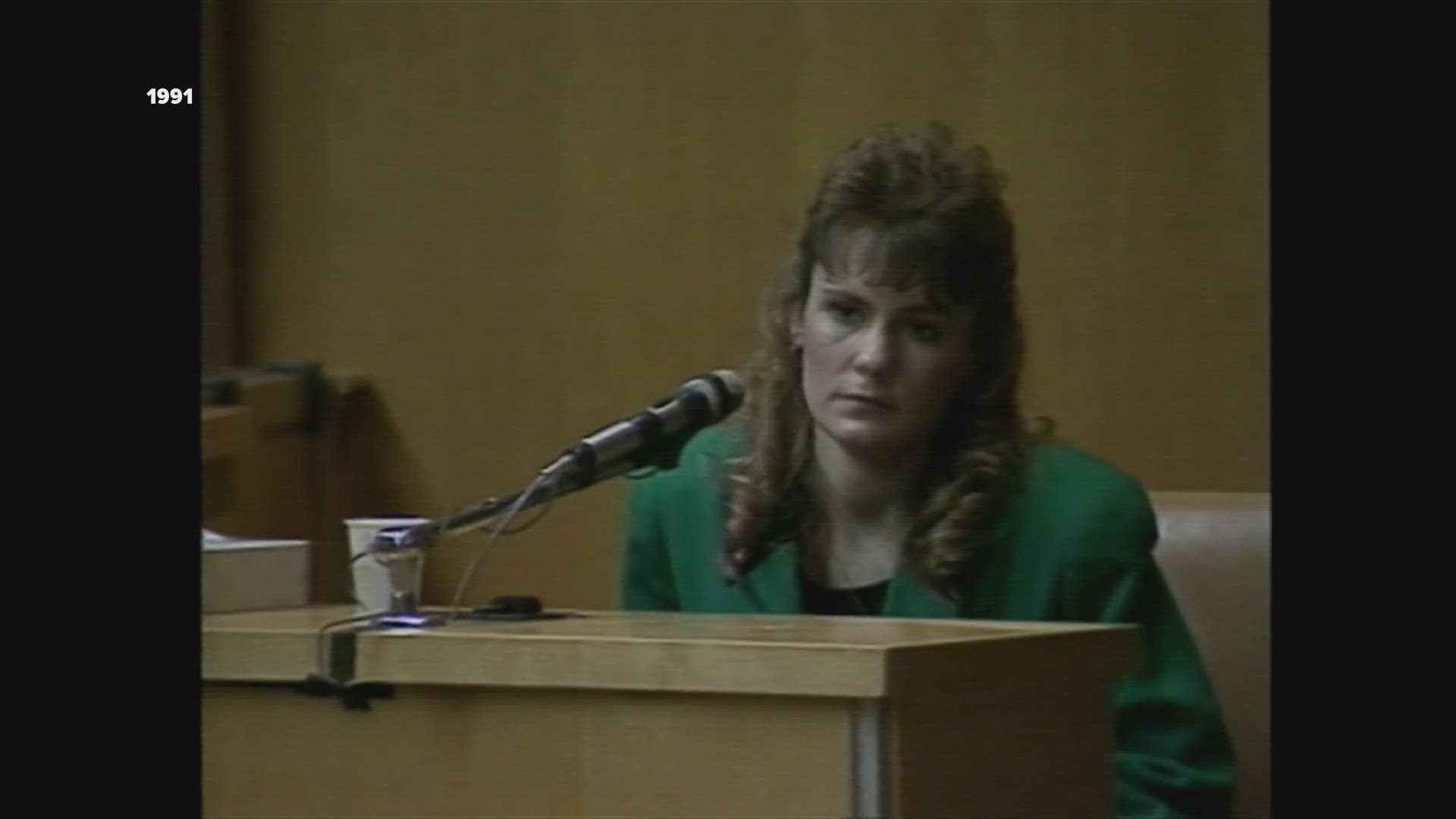
Pamela Smart’s case went to trial in early 1991, becoming one of the first American trials to be broadcast gavel-to-gavel on national television. Her defense strategy hinged on total denial of any involvement, portraying herself as the victim of overzealous teenage fabricators and a biased police investigation.
However, the prosecution’s case was bolstered significantly by secret audio recordings made by accomplice Vance Lattime Jr. and cooperation agreements struck with the other teenage boys, including Billy Flynn. Flynn took the stand and delivered devastating testimony detailing how Pamela had pressured him to kill her husband, framing it as a necessary sacrifice for them to be together. In March 1991, the jury convicted Pamela Smart of accomplice to first-degree murder, conspiracy to commit murder, and witness tampering. Under New Hampshire law, first-degree murder carries a mandatory sentence of life without parole.
Billy Flynn’s Plea and Testimony
Billy Flynn faced a very different judicial reality. Because he was a juvenile at the time of the offense and agreed to plead guilty to second-degree murder and testify against Pamela Smart, prosecutors offered a plea deal that allowed for the possibility of parole. Flynn’s testimony was direct and remorseful, establishing the mechanics of the crime—how he and his friends entered the apartment, how he held the gun to Gregory Smart’s head, and how Pamela had orchestrated the cover-up.
Flynn’s cooperation transformed him from a cold-blooded executioner in the eyes of the court into a manipulated minor swept up by an older, authority figure. This distinction became the cornerstone of his eventual rehabilitation and release decades later.
Psychological Profiles and Dynamic Imbalance
A central point of analysis in the enduring academic and public fascination with the Smart-Flynn case is the psychological dynamic between an adult woman in a position of trust and an impressionable minor.
- Power Dynamics: Pamela Smart was an adult authority figure at the high school where Billy Flynn was a student. Criminologists and forensic psychologists frequently cite this case as an early high-profile example of grooming and psychological manipulation, where an older individual exploits the emotional immaturity and romantic idealism of an adolescent.
- Culpability Perceptions: While the legal system held Pamela accountable as the principal instigator, public discourse has long debated the extent of Flynn’s moral agency. Flynn’s willingness to execute a man in cold blood demonstrated a profound capacity for violence, yet his youth and subsequent decades of institutional compliance painted a picture of a rehabilitated offender.
- Remorse and Accountability: The divergence in their post-conviction behavior is stark. Billy Flynn confessed, testified, accepted responsibility, and maintained an unblemished disciplinary record throughout his decades behind bars. Pamela Smart has steadfastly maintained her innocence for over three decades, arguing that she was scapegoated by corrupt investigators and perjurious teenagers, a stance that has consistently hindered her appeals for clemency or parole.
Post-Conviction Trajectories and Release
The passage of time has separated the lives of Billy Flynn and Pamela Smart into two entirely different realities.
The Release of Billy Flynn
After serving more25 years in prison, Billy Flynn became eligible for parole. In 2015, at the age of 40, Flynn appeared before the New Hampshire Parole Board. During the hearing, he expressed deep remorse for killing Gregory Smart, apologizing directly to the victim's family and acknowledging the irreversible devastation he had caused. The parole board granted his release, noting his exemplary institutional behavior, extensive rehabilitation, and the clear distinction between his culpability as a juvenile manipulated by an adult and his current status as a rehabilitated adult. Flynn was released into the community under lifetime parole supervision.
Pamela Smart’s Continued Incarceration
Pamela Smart has pursued every available legal avenue for commutation, pardon, or parole over the decades. Because New Hampshire law mandates life without parole for her specific conviction, her only path to freedom lies through executive clemency from the governor and the Executive Council.
Smart has earned multiple college degrees while incarcerated at Bedford Hills Correctional Facility in New York (where she was transferred for security reasons) and has maintained a clean disciplinary record. However, her refusal to admit guilt or express genuine remorse has served as an insurmountable barrier in front of successive gubernatorial clemency boards, which view her lack of accountability as evidence of ongoing risk.
Cultural Impact and Media Legacy
The case of Billy Flynn and Pamela Smart fundamentally altered how the media covers high-profile criminal trials and influenced popular culture.
- The Birth of Reality Courtroom TV: The 1991 televised trial of Pamela Smart set a precedent for the 24-hour cable news obsession with sensational true crime, anticipating the O.J. Simpson trial by several years.
- Cinematic Adaptations: The case inspired Gus Van Sant’s 1995 dark comedy film To Die For, starring Nicole Kidman as a character loosely based on Pamela Smart, and Joaquin Phoenix as the teenage killer based on Billy Flynn.
- Exploration of Juvenile Justice: The contrasting outcomes for Flynn and Smart provided legal scholars with a prominent case study on the evolving standards of juvenile sentencing, culpability, and the psychological impact of adult manipulation on adolescent offenders.
Frequently Asked Questions
What was the precise motive behind the murder of Gregory Smart?
Prosecutors established that Pamela Smart wanted her husband dead to collect on his life insurance policy and to avoid a messy, expensive divorce that she feared would damage her reputation and career in the school district. Furthermore, she wished to continue her relationship with Billy Flynn without marital interference.
Why did Billy Flynn receive parole while Pamela Smart did not?
Billy Flynn was a juvenile at the time of the crime, pleaded guilty, cooperated with the prosecution, testified against his co-conspirators, and showed profound, consistent remorse throughout his imprisonment. Pamela Smart was an adult who went to trial, was convicted of masterminding the plot, and has continuously maintained her innocence, refusing to acknowledge guilt or express remorse, which disqualifies her from standard parole considerations.
Where is Pamela Smart currently serving her sentence?
Pamela Smart is incarcerated at the Bedford Hills Correctional Facility in New York, having been transferred out of New Hampshire early in her sentence due to security concerns regarding her notoriety and safety within the New Hampshire state prison system.
Did any other participants in the murder serve prison time?
Yes. The three other teenagers involved—Vance Lattime Jr., Raymond Fowler, and Patrick Randall—all pleaded guilty to lesser charges such as manslaughter or conspiracy. They testified against Smart and Flynn, served varying prison sentences, and have since been released.
Conclusion and Final Perspective
The comparative overview of Billy Flynn and Pamela Smart reveals a profound study in contrasting accountability, legal strategy, and post-conviction rehabilitation. While Flynn confronted his actions, served his time, and re-entered society as a paroled adult, Smart remains a symbol of unyielding denial and the severe penalties attached to calculated conspiracies. For observers of the American legal system, the case remains a watershed moment illustrating the complex intersection of youth, adult manipulation, and capital jurisprudence.
Image Gallery
Select an image to open it in a new tab.


Simon Caldwell
Enterprise Technology and Systems Editor
