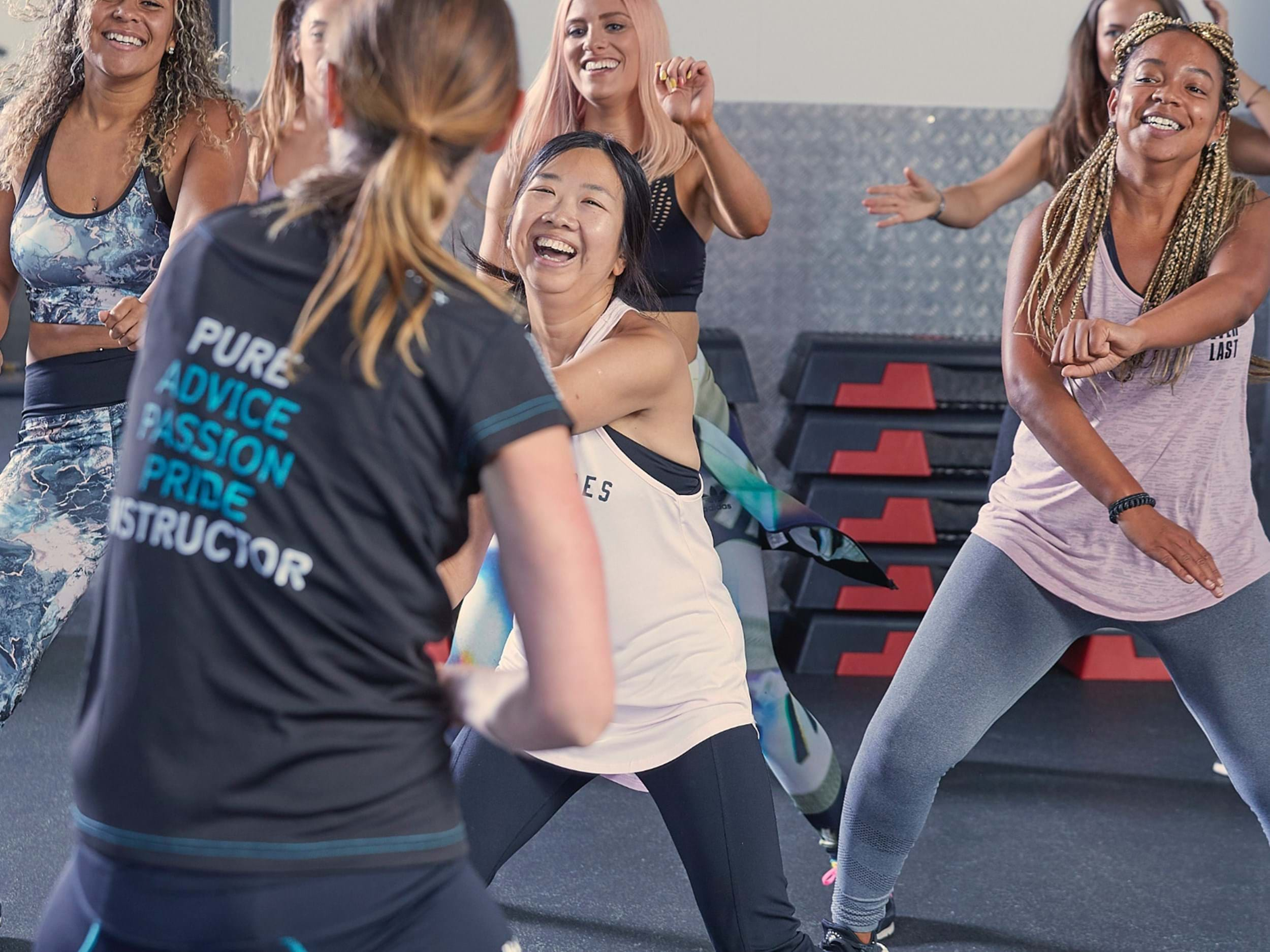
Zumba is often challenging due to its complex Latin-inspired choreography, high-intensity cardiovascular demands, and the need for rapid multi-planar coordination. For many, the difficulty stems from neuro-motor lag—the delay in translating visual cues into physical movement—combined with the physical strain of high-impact pivots and high-tempo rhythms on the joints.
The Cognitive Load of Dance Fitness
One of the primary reasons individuals find Zumba difficult is the intense cognitive load required to process choreography in real-time. Unlike traditional aerobics, which often relies on repetitive, linear movements (like a bicep curl or a treadmill stride), Zumba utilizes "intermittent training" structures wrapped in dance.
The brain must perform several tasks simultaneously: it must interpret the instructor's visual cues, listen to the rhythmic changes in the music (often shifting between 4/4 and syncopated time signatures), and execute the physical movement. This creates a high level of "cognitive-motor interference." For beginners, the brain is so occupied with "what comes next" that the body's execution becomes stiff or delayed.
Furthermore, most Zumba instructors use non-verbal cueing. This means they use hand signals or body language rather than speaking into a microphone to tell you to "turn left." For someone who processes information better through auditory instructions, this visual-only environment can feel chaotic and difficult to navigate. In 2026, while more instructors are moving toward hybrid cueing models, the traditional "follow-along" style remains a significant barrier for those with lower spatial reasoning skills.
Cardiovascular Demand and Physical Endurance
Zumba is frequently marketed as a "dance party," but physiologically, it functions as a high-intensity interval training (HIIT) workout. A typical 60-minute session can burn anywhere from 300 to 900 calories, depending on the intensity. For many, the "hardness" is simply a matter of cardiovascular conditioning.
The music used in Zumba—Salsa, Merengue, Reggaeton, and Cumbia—often ranges from 130 to 180 beats per minute (BPM). Maintaining movement at this tempo requires a high aerobic capacity. When a participant’s heart rate enters the anaerobic zone (where the body cannot provide enough oxygen to the muscles), fatigue sets in quickly. Once physical fatigue occurs, cognitive performance drops, making it even harder to follow the dance steps. This creates a feedback loop where the participant feels both physically exhausted and mentally "lost" in the choreography.

Proprioception and the Neuroscience of Coordination
Proprioception is the body's ability to sense its position and movement in space. Zumba relies heavily on this sense, particularly because it involves multi-planar movements. While a stationary bike involves a sagittal plane (forward and backward), Zumba requires movement in the frontal plane (side-to-side) and transverse plane (twisting and rotating).
For individuals who have not practiced dance or athletics that require lateral movement, the neural pathways for these actions may not be well-developed. The "Latin shimmy" or the "Cumbia two-step" requires independent movement of the hips and torso. This "dissociation"—moving the lower body while keeping the upper body stable, or vice versa—is a complex motor skill. If the brain hasn't "mapped" these movements yet, the participant will feel clumsy or "uncoordinated," leading to the perception that the class is too difficult.
The Impact of Footwear and Floor Surface
The technical requirements for Zumba extend down to the equipment—specifically, the interaction between your shoes and the floor. Many people attempt Zumba in standard running shoes. However, running shoes are designed for forward motion and have high-traction outsoles to prevent slipping.
In Zumba, you are frequently pivoting, gliding, and turning. If your shoe has too much "grip," your foot stays stuck to the floor while your knee rotates. This creates lateral torque on the knee joint and can lead to discomfort or injury. This physical resistance makes the dance moves feel "heavy" and difficult to execute smoothly. Experts generally recommend "dance sneakers" or cross-trainers with a "pivot point" on the sole to allow for easier rotation.
Instructor Variation and Teaching Styles
The "hardness" of a Zumba class is highly dependent on the instructor's specific style and the complexity of their "choreography map." The Zumba Academy provides a foundation, but instructors have the freedom to choose their own songs and routines.
- Complex Choreographers: Some instructors lean heavily into the "dance" aspect, using intricate footwork and multiple direction changes.
- Fitness-Oriented Instructors: Others focus on "squats and lunges" set to music, which is easier to follow but more physically taxing.
- Cueing Proficiency: A skilled instructor uses "pre-cueing," signaling a change two to four beats before it happens. An inexperienced instructor may change moves abruptly, leaving the class to play catch-up.
If a participant attends a class where the instructor’s style does not match their learning type, they are likely to find the experience frustratingly difficult.
Comparison of Zumba Formats in 2026
To mitigate the difficulty, the Zumba brand has developed several specialized formats. Choosing the wrong format is a common reason why the workout feels "too hard."
| Format | Primary Focus | Difficulty Level | Best For |
|---|---|---|---|
| Zumba Basic | Standard Latin dance-fitness | Moderate to High | General fitness seekers with some rhythm. |
| Zumba Gold | Lower intensity, modified moves | Low | Beginners, older adults, or those with limited mobility. |
| Zumba Toning | Strength training with Toning Sticks | Moderate | Those who want to slow down the dance and focus on muscle. |
| Zumba Step | Lower body conditioning with a step | High | Advanced participants seeking a heavy leg workout. |
| Aqua Zumba | Water-based resistance | Moderate | People with joint pain or those who struggle with balance. |
| Zumba Sentao | Chair-based choreography | Moderate | Focusing on core strength and stability. |
Psychological Barriers and the "Mirror Effect"
The environment of a Zumba class can be psychologically taxing. Most studios are lined with mirrors. While mirrors are intended to help you check your form, they often lead to "self-focused attention" and social anxiety.
Participants who are prone to "perfectionism" may become distracted by their own reflection, comparing their movements to the instructor or more experienced students. This "spectatoring" takes the brain's focus away from the rhythmic cues and places it on self-criticism. When you stop "feeling" the music and start "thinking" about how you look, the fluid nature of the dance is lost, and the class becomes a series of disjointed, difficult tasks.
Overcoming the Learning Curve: Practical Steps
If you find Zumba hard, it is rarely a lack of "natural talent." Instead, it is usually a mismatch between your current physical/cognitive baseline and the class's demands. Here are ways to bridge the gap:
- Master the Footwork First: Ignore the arms for the first three or four classes. The "flair" with hands and torso can be added once the base steps are in your muscle memory.
- Arrive Early and Stand Near the Front: While it feels counterintuitive for someone who feels "clumsy," standing near the instructor allows you to see the footwork and subtle cues more clearly than from the back of the room.
- Use the "20-Class Rule": Neuroscience suggests that it takes several repetitions for motor patterns to move from the conscious mind to the cerebellum (the part of the brain responsible for automatic movement). Most participants report a "breakthrough" around their 10th to 15th class.
- Check Your Equipment: Ensure you are using footwear designed for lateral movement. If you are on carpet (for home workouts), consider using "carpet sliders" that slip over your shoes to reduce friction.
- Supplement with Basic Rhythm Training: Listening to Latin music outside of class can help your brain internalize the "clave" rhythm and the specific timing of Salsa or Merengue, making the class feel more intuitive.
Frequently Asked Questions
Why do I feel so uncoordinated in Zumba compared to other classes?
Zumba requires "multi-planar" and "syncopated" movement. Unlike a spin class or a weightlifting session where movements are repetitive and linear, Zumba requires you to move in all directions while managing rhythm. This requires a specific type of neuromuscular coordination that takes time to develop.
Is it normal to get dizzy during Zumba?
Yes, it can be. Dizziness is often caused by either a lack of "spotting" during turns (keeping your eyes on a fixed point) or a rapid spike in heart rate. If you are not used to high-intensity intervals, the frequent transitions from standing still to high-speed movement can cause temporary lightheadedness.
Can I do Zumba if I have "no rhythm"?
"Rhythm" is a skill that can be trained. While some people have a higher baseline for rhythmic perception, the body can learn to recognize the "downbeat" (the 1 and 3 in a 4-beat measure) through exposure. Starting with Zumba Gold can help you learn the basic rhythms at a slower pace.
Why do my knees hurt after a Zumba session?
Knee pain in Zumba is usually caused by "torquing." This happens when your foot stays planted on the floor while your body turns. This is often the result of wearing running shoes with too much grip or performing on a surface like high-pile carpet. Switching to dance-specific sneakers can significantly reduce this strain.
How long does it take to get "good" at Zumba?
Most participants find that after 4 to 6 consistent sessions, they recognize the "core steps" (the basic Salsa side-step, the Merengue march, etc.). By the 15th to 20th session, the "muscle memory" typically kicks in, allowing you to focus on intensity rather than choreography.
Is Zumba too hard for seniors?
Not necessarily, but the standard "Zumba Fitness" class may be too high-impact for those with balance issues or bone density concerns. Zumba Gold is specifically designed for the "active older adult," focusing on balance, range of motion, and lower-impact movements that are much safer and easier to follow.
Final Recommendation
If you find Zumba hard, the best course of action is to lower the cognitive load. Switch to a "Zumba Gold" class or find a "Zumba for Beginners" series online where the steps are broken down at a slower tempo. Remember that the primary goal of the program is cardiovascular health and joy, not technical dance perfection. Give your brain at least 10 sessions to build the necessary neural pathways before deciding it isn't for you. By 2026 standards, the inclusivity of fitness means there is a modification for every difficulty level—don't be afraid to use them.
Image Gallery
Select an image to open it in a new tab.

Omar Farooq
EdTech Innovation and Virtual Pedagogy Journalist
