When a Workers’ Compensation Exemption Makes Sense: A Strategic Guide for Business Owners
A workers’ compensation exemption makes sense for business owners, corporate officers, or LLC members who wish to reduce insurance premiums while maintaining their own private health and disability coverage. It is most effective for low-risk individuals or subcontractors who must provide proof of "coverage or exemption" to secure contracts without the expense of a full policy.
Workers’ compensation is a fundamental component of the American labor system, designed to provide medical benefits and wage replacement to employees injured on the job. However, for those at the top of the organizational chart—owners, partners, and officers—the law often allows a choice. In 2026, navigating the decision to "opt-out" through a legal exemption requires a sophisticated understanding of state statutes, financial risk management, and contractual obligations.
While an exemption can significantly lower a company’s overhead, it is not a decision to be made lightly. Choosing to exempt yourself means voluntarily giving up a safety net that pays for medical bills and lost income following a workplace accident. To determine if this path is right for your business, you must weigh the immediate cash-flow benefits against the long-term liability exposure.
Understanding the Legal Framework of Workers' Comp Exemptions
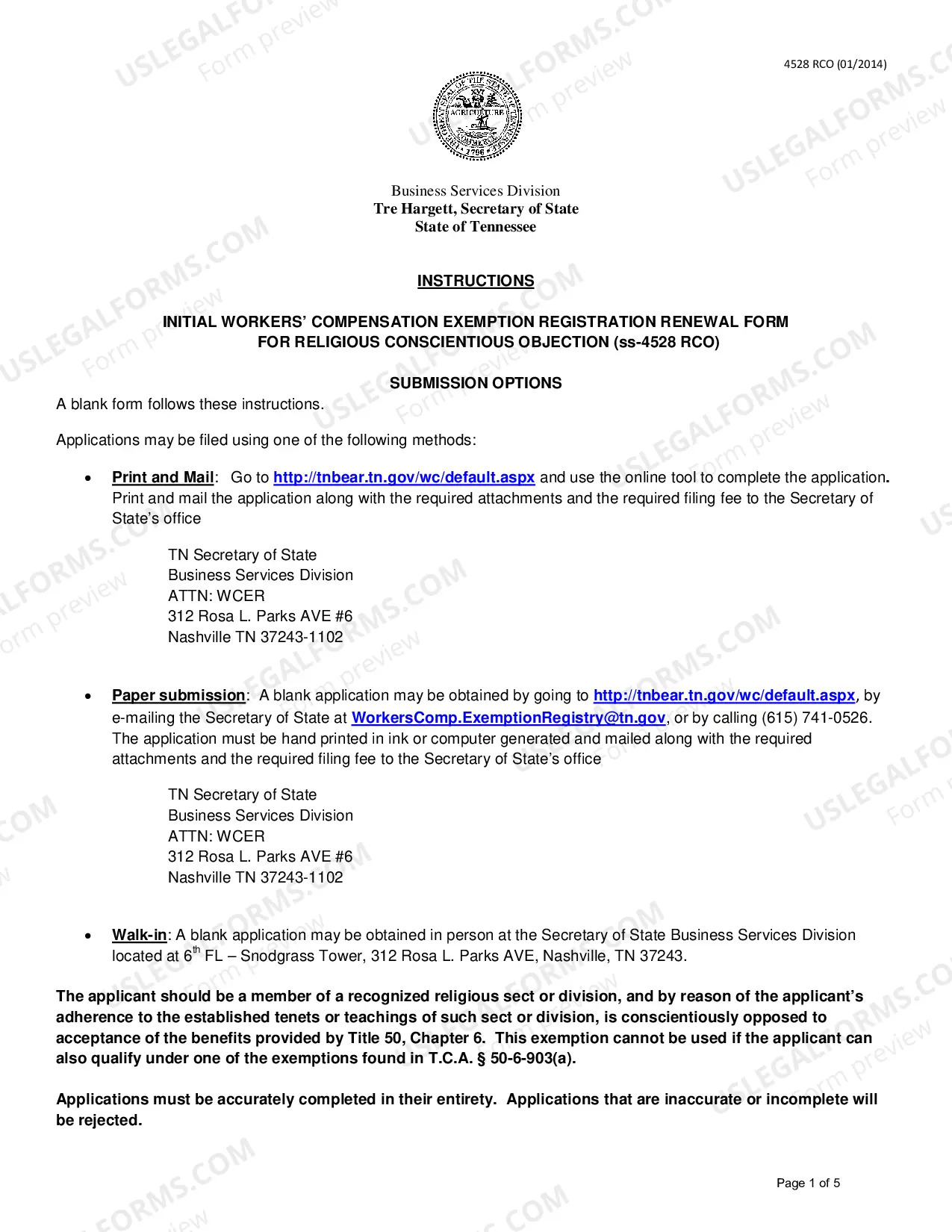
A workers' compensation exemption, often officially called a "Certificate of Election to be Exempt," is a legal filing that removes a specific individual from the requirements of a state’s workers' compensation laws. When an individual is exempt, the insurance carrier does not collect a premium based on that person’s salary, and in exchange, the carrier is not responsible for paying benefits if that person is injured.
It is critical to distinguish between a "waiver" and an "exemption." In many jurisdictions, an officer of a corporation is automatically covered unless they specifically file a notice of exclusion with their insurance carrier. An exemption certificate, however, is a formal document issued by a state regulatory body (such as a Department of Financial Services or a Labor Board) that serves as public proof that the individual is not required to be covered.
As of 2026, most states maintain rigorous standards for who qualifies for these exemptions. Generally, eligibility is limited to:
- Corporate Officers: Presidents, Vice Presidents, Secretaries, and Treasurers who own a certain percentage of stock.
- LLC Members: Owners of Limited Liability Companies who typically meet a minimum ownership threshold (often 10% or more).
- Partners: Members of a legal partnership.
- Sole Proprietors: Individuals who own an unincorporated business (though in many states, sole proprietors are automatically excluded and must "opt-in" if they want coverage).
When an Exemption Makes Practical and Financial Sense
Deciding to file for an exemption is usually driven by a combination of financial strategy and the necessity of doing business. Here are the primary scenarios where an exemption is a logical choice.
1. Significant Reduction in Insurance Premiums
The most immediate benefit of an exemption is the impact on your bottom line. Workers' compensation premiums are calculated based on payroll. For high-earning business owners, the cost of including their own salary in the premium calculation can be thousands of dollars annually. By exempting themselves, the owner removes their payroll from the audit, effectively lowering the premium to only cover the remaining employees.
2. Redundancy with Personal Disability and Health Insurance
If a business owner already maintains robust personal health insurance and a high-quality private long-term disability policy, workers' compensation may feel redundant. While workers' comp is "no-fault" and covers 100% of medical costs related to a work injury, a comprehensive private plan may provide sufficient protection. In this case, paying for a second "work-only" insurance policy through the business may not be a prudent use of capital.
3. Meeting Contractual Requirements as a "One-Man Band"
For independent contractors and subcontractors—particularly in the construction, trucking, or landscaping industries—General Contractors (GCs) usually require proof of workers' compensation insurance before a sub can step onto a job site. If the sub has no employees, they may not want to pay for a full "minimum premium" policy. A state-issued exemption certificate satisfies the GC's legal requirement to ensure everyone on the site is "cleared," allowing the sub to work without the cost of a standard policy.
4. Limited Physical Exposure
A corporate officer who spends 100% of their time in an administrative office environment faces a much lower risk of catastrophic injury than a field worker. In 2026, with the continued prevalence of remote and hybrid work models, many executives find the cost-to-risk ratio of workers' comp coverage to be unfavorable. When the "workplace" is a home office, the likelihood of a high-cost claim is statistically minimal, making an exemption a more attractive option.
The 2026 Landscape: State-Specific Variations
The rules governing exemptions are not federal; they are dictated by individual states. This creates a complex patchwork of regulations that business owners must navigate.
| Feature | Construction Industry | Non-Construction Industry |
|---|---|---|
| Typical Filing Fee | $50 - $100 (Renewable every 2 years) | Often $0 or low fee |
| Ownership Requirement | Usually 10% minimum ownership | Varies (often any officer status) |
| Officer Limits | Often limited (e.g., max 3 per corp) | Generally unlimited |
| Wait Times | 30 days for processing (average) | Instant to 7 days |
| Public Registry | Required in most states | Varies by state |
In states like Florida, the distinction between construction and non-construction is massive. Construction officers must pay a fee and prove ownership, while non-construction officers can often file a simple notice. Conversely, in states like California, the requirements for waiving coverage are incredibly strict, often requiring the individual to own at least 15% of the company and be covered by a health insurance policy that meets specific standards.
The Hidden Risks: Why an Exemption Might Backfire
While the cost savings are clear, the risks of an exemption are often hidden until an accident occurs. Before filing, consider the following "worst-case" scenarios.
The Health Insurance Gap
A common misconception is that personal health insurance will cover any injury if you don't have workers' comp. However, many private health insurance policies contain "work-related injury" exclusions. If you are injured on the job and your health insurer discovers the accident was work-related, they may legally deny the claim, leaving you with 100% of the medical bills.
Loss of "Exclusive Remedy" Protections
One of the greatest benefits of workers' compensation for an employer is "exclusive remedy." This means that because the employer provides workers' comp, the employee generally cannot sue the employer for negligence. If an owner is exempt, they are no longer part of this system. While it is rare for an owner to sue their own company, the lack of a formal workers' comp structure can complicate legal defenses if a third party is involved in the accident.
Impact on Subcontracting Math
If you are a subcontractor with an exemption, you are essentially a "zero" on the workers' comp audit. However, if your exemption is found to be invalid or expired during a General Contractor's year-end audit, the GC’s insurance carrier will charge the GC a premium for your work. The GC will then likely withhold that amount from your final payment or refuse to hire you again.
Step-by-Step: How to Properly File for an Exemption
If you have weighed the risks and decided that an exemption is the right financial move for 2026, follow these steps to ensure compliance:
- Verify Eligibility: Check your state’s Department of Labor or Insurance website to ensure your business entity (LLC, Corp, etc.) and your ownership percentage qualify you for an exemption.
- Secure an Active Insurance Policy (if applicable): If you have employees, you must have an active workers' comp policy in place before you can exclude yourself from it.
- Complete the State Application: Most states now use online portals. You will need your Federal Employer Identification Number (FEIN), your Social Security Number, and documentation of your corporate officer status (like your Articles of Incorporation).
- Pay the Required Fees: Ensure you pay any filing fees immediately. In 2026, most states do not consider an application "pending" until the payment is processed.
- Notify Your Carrier: Once you receive your Certificate of Election to be Exempt, you must provide a copy to your insurance agent or carrier. They will then "endorse" your policy to exclude your payroll.
- Monitor Expiration Dates: Exemptions are not forever. Most expire every two years. Set a calendar reminder 90 days before expiration to avoid a lapse that could halt your ability to work on job sites.
Comparison: Exemption vs. Minimum Premium Policy
For many sole proprietors or small LLCs, the choice isn't just "exemption or nothing." It is often "exemption vs. a Ghost Policy." A "Ghost Policy" is a minimum premium workers' comp policy with no employees and the owner excluded.
- Exemption: Best for those who only need to show they aren't required to have insurance. It costs almost nothing but provides zero benefits.
- Ghost Policy: Best for those who need a Certificate of Insurance (COI) to get bigger contracts. Some GCs will not accept a "Certificate of Exemption" and demand a "Certificate of Insurance," even if the policy excludes the owner.
Practical Expert Guidance for 2026
When advising small business owners, the recommendation is rarely a simple "yes" or "no." Instead, it is a calculation of risk tolerance.
If you are a consultant working from a home office, a workers' comp exemption is almost always a "yes." The risk of a catastrophic work-related injury is low, and the cost of the premium is better spent on higher-quality disability insurance that covers you 24/7, not just during work hours.
However, if you are an owner-operator in the construction trades—climbing ladders, operating heavy machinery, or working on roofs—an exemption is a massive gamble. In these high-risk fields, the medical costs of a single fall can exceed $100,000. Unless you have a private disability policy that specifically covers "on-the-job" accidents and a health insurance plan without work-related exclusions, the "savings" of an exemption could lead to personal bankruptcy following an accident.
Frequently Asked Questions
Does a workers’ comp exemption cover my employees? No. A workers’ compensation exemption only applies to the specific individual named on the certificate (usually the owner or officer). It does not absolve the business of the requirement to carry insurance for its employees. If you hire even one non-exempt employee, you must purchase a policy to cover them.
Can I get an exemption if I am an independent contractor? In many states, yes, but the state usually requires you to be registered as a legal business entity (like an LLC or Corporation) first. Some states allow sole proprietors to file for an exemption to provide proof to General Contractors that they are not required to be covered.
How does an exemption affect my company’s insurance audit? During the annual audit, the insurance auditor will ask for a list of all officers and their exemption certificates. If you have a valid certificate for the entire policy period, the auditor will "zero out" your payroll, meaning you won't be charged a premium for your own earnings. If the certificate expired mid-year, you will be charged a pro-rated premium for the period you were not exempt.
What happens if I get injured while I am exempt? If you are injured while exempt, you cannot file a workers’ compensation claim against your own company. You will be responsible for all medical expenses and will receive no disability payments from the workers’ comp system. You must rely on your private health and disability insurance.
Can a General Contractor refuse to work with me if I have an exemption? Yes. Private companies have the right to set their own insurance requirements. Some large GCs or government entities require all individuals on a job site to have actual workers' comp coverage and will not accept an exemption certificate, regardless of what state law allows.
Final Recommendation
A workers’ compensation exemption makes the most sense when the financial savings are significant and the individual's personal insurance covers the resulting gap in protection. Before filing for an exemption in 2026, consult with your insurance agent to confirm that your personal health and disability policies do not exclude work-related injuries. If you are a high-risk manual laborer, consider keeping the coverage; if you are an administrative leader or a solo consultant, the exemption is likely a savvy way to keep your business lean and profitable.
Disclaimer: Workers' compensation laws vary significantly by jurisdiction and are subject to change. This article is for informational purposes and does not constitute legal or financial advice. Consult with a licensed insurance professional or legal counsel in your specific state to ensure compliance with current 2026 regulations.
Image Gallery
Select an image to open it in a new tab.
Declan O'Connor
Higher Education and Campus Culture Reporter
