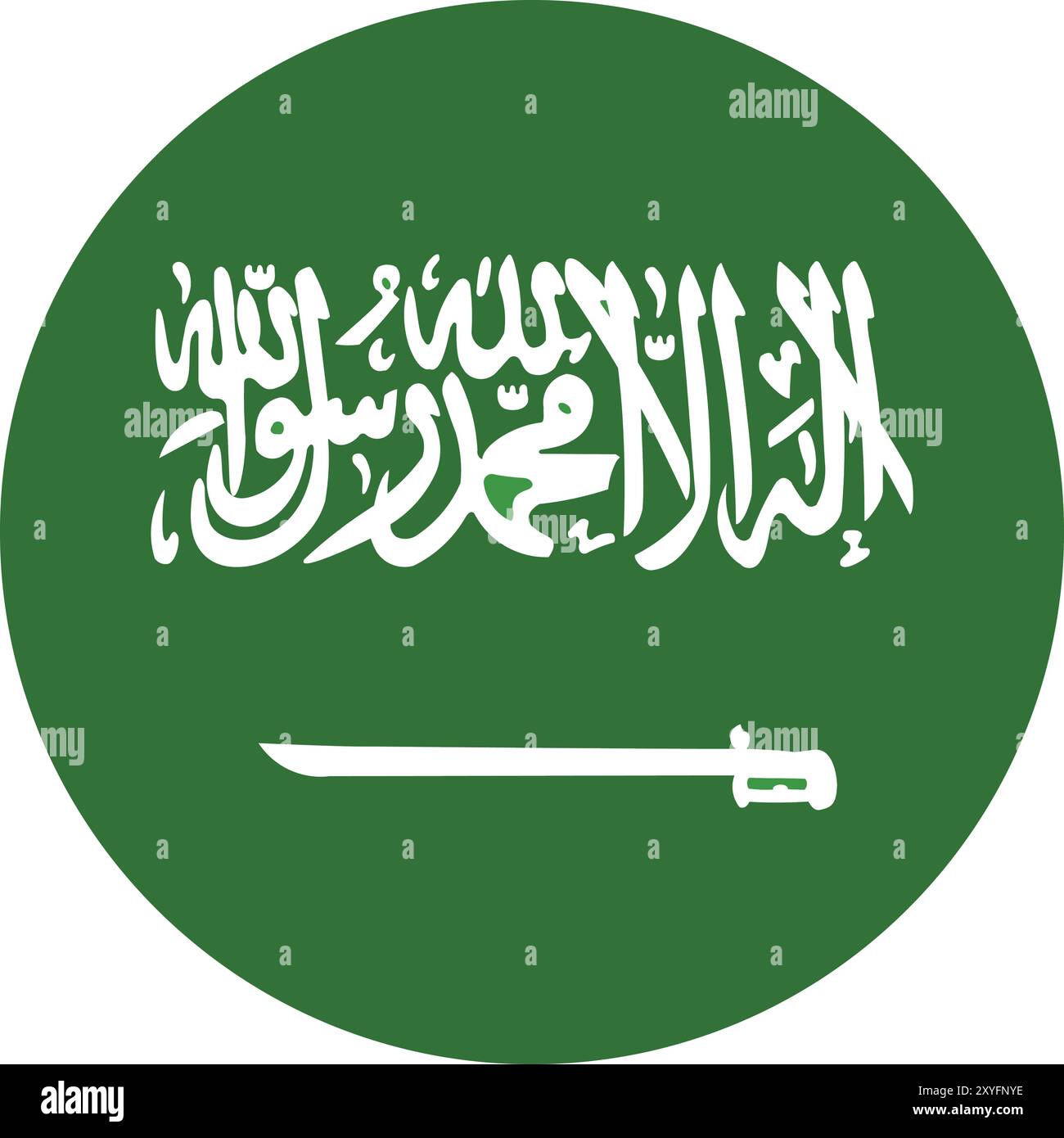
The Arabic inscription on the Saudi Arabian flag is the Shahada, the Islamic declaration of faith. It reads: "La ilaha illa Allah, Muhammad rasul Allah," which translates to "There is no god but Allah; Muhammad is the Messenger of Allah." This sacred creed is the foundational pillar of Islam and signifies the Kingdom's identity as an Islamic state.
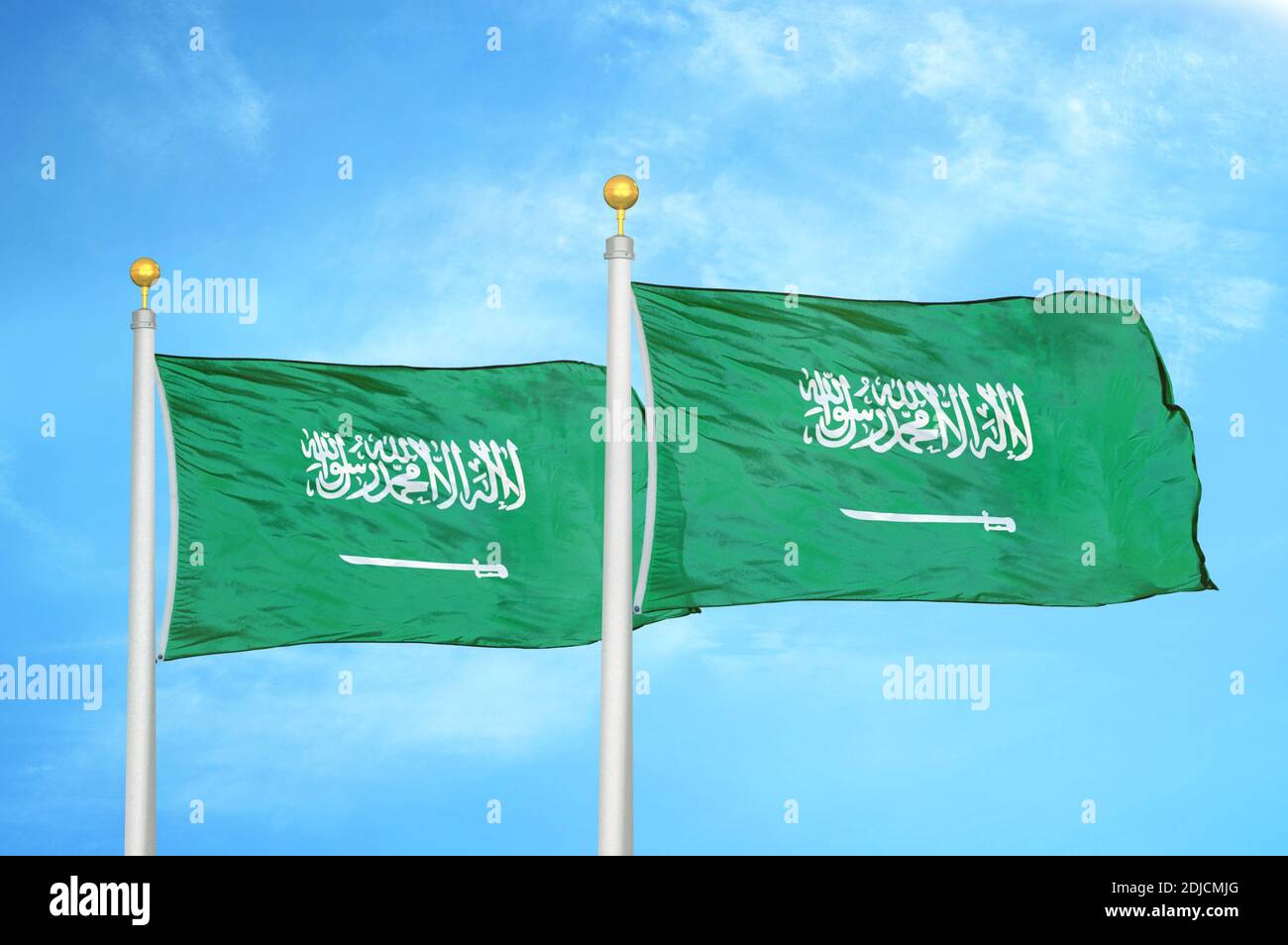
The flag of the Kingdom of Saudi Arabia is one of the most recognizable national symbols in the world, characterized by its vibrant green field, white calligraphic script, and a horizontal sword. Unlike most national flags, which are designed for aesthetic or secular historical representation, the Saudi flag is a religious and political statement. As of 2026, it remains one of the few national flags that is printed with different front and back sides to ensure the holy text and the sword are always oriented correctly, regardless of the wind direction.
The Arabic Script: Deciphering the Shahada
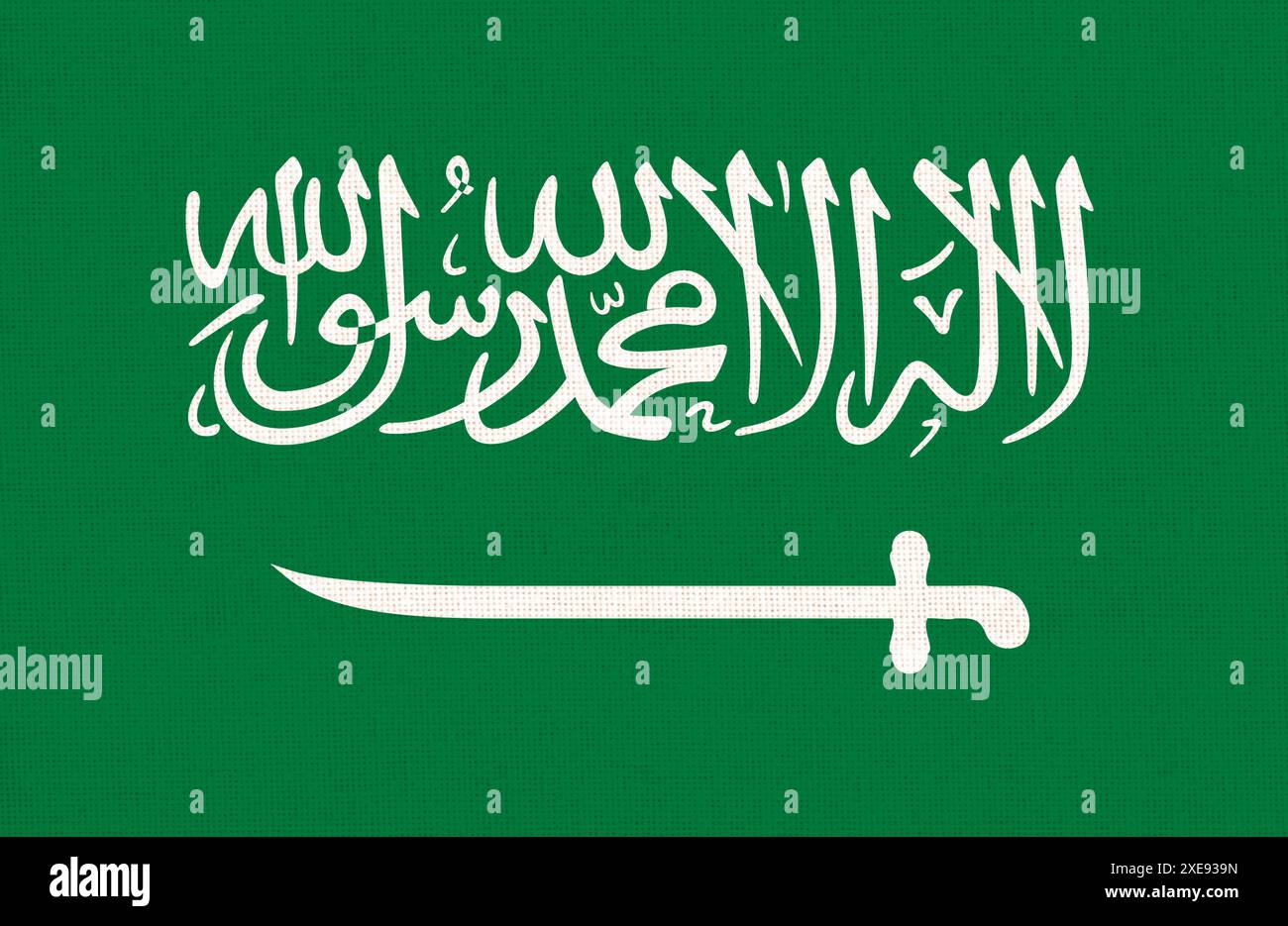
The text on the flag is written in the Thuluth script, a sophisticated and elegant style of Arabic calligraphy that dates back to the 11th century. Thuluth is known for its curved letters and interlocking lines, often used in mosque architecture and Quranic manuscripts due to its "regal" appearance.
The Two Parts of the Declaration
The Shahada consists of two distinct parts that encapsulate the essence of Islamic monotheism:
- La ilaha illa Allah: This translates to "There is no deity but God" (or Allah). In Islamic theology, this represents Tawhid, or the oneness of God. It is a rejection of polytheism and an affirmation that all worship belongs to a single creator.
- Muhammad rasul Allah: This translates to "Muhammad is the Messenger of Allah." This part affirms the prophethood of Muhammad and establishes the Quranic revelation as the guide for the state and its people.
For a reader of Arabic, the text begins on the right side of the flag and moves toward the left. Because the Arabic language is read from right to left, the flag’s design requires careful manufacturing. If you were to look at a standard flag from the reverse side, the text would appear mirrored and unreadable. To prevent this, the Saudi flag is constructed of two layers of fabric sewn together, ensuring the Shahada is legible from both sides.
Why Thuluth Calligraphy?
The choice of the Thuluth script is intentional. While other scripts like Naskh are easier to read for daily use, Thuluth provides a sense of gravity and historical continuity. It is difficult to master, and its presence on the flag signals the Kingdom's role as the "Custodian of the Two Holy Mosques" and a guardian of Islamic heritage.
The Symbolism of the Green Field and the White Sword
While the script is the primary focus, the other elements of the flag—the green color and the sword—provide essential context to what the flag "says" about the nation's history and values.
The Significance of Green
Green has been the traditional color of Islam for centuries. Historically, it is associated with the Prophet Muhammad and is frequently mentioned in the Quran as the color of the garments and cushions found in Paradise (Jannah). In the context of the Arabian Peninsula, a region largely dominated by desert landscapes, green also symbolizes life, fertility, and the oasis. By choosing a green field, the Al Saud family aligned their rule with the broader Islamic world and the promise of prosperity.
The Sword of Justice and Strength
Below the Shahada sits a white horizontal sword, often referred to as a scimitar. The sword is a symbol of several key concepts:
- Justice: It represents the state’s commitment to upholding Islamic law (Sharia).
- Strength and Defense: It symbolizes the military prowess and the historical struggle for the unification of the Arabian Peninsula.
- The House of Saud: The sword is specifically linked to the Al Saud family’s legacy, particularly the conquests of King Abdulaziz (Ibn Saud), who founded the modern Kingdom in 1932.
An important technical detail is the direction of the sword's hilt. The hilt is always positioned toward the "hoist" (the side attached to the flagpole) so that the blade points toward the end of the text. Because the flag is double-sided, the sword always points to the left on both sides, following the flow of the Arabic script.

Unique Protocols and Legal Restrictions
Because the Saudi flag contains the name of God and the Prophet Muhammad, it is subject to strict protocols that do not apply to most other national banners. These rules are strictly enforced within the Kingdom and are expected to be respected internationally.
The Half-Mast Prohibition
The most famous protocol involving the Saudi flag is that it is never flown at half-mast. In international diplomacy, lowering a flag is a sign of mourning. However, because the flag bears the Shahada, lowering it is considered an act of blasphemy or a suggestion that the word of God has been diminished. Even during periods of national tragedy or the passing of a King, the Saudi flag remains at the top of the pole. This distinguishes it from almost every other flag in the world, including those of other Muslim-majority nations.
Restrictions on Commercial and Personal Use
As of 2026, Saudi law continues to strictly prohibit the use of the flag on commercial products, clothing, or disposable items. You will not see the Saudi flag on football jerseys, napkins, or consumer packaging. The rationale is that the sacred text must never be subjected to potential desecration, such as being sat upon, stepped on, or thrown into the trash.
In 2022, the Saudi government officially designated March 11th as "Flag Day" to celebrate the nation's heritage, but even during these celebrations, the public is reminded of the stringent rules regarding the flag's handling.
Technical Specifications and Standardization
The Saudi government has established precise technical standards for the flag's production to ensure consistency and respect for the script.
| Feature | Specification |
|---|---|
| Primary Color | Forest Green (Pantone 355 C) |
| Secondary Color | Pure White (for script and sword) |
| Proportions | 2:3 (Height to Width) |
| Script Style | Thuluth Calligraphy |
| Sword Design | Straight-edged scimitar, hilt toward the hoist |
| Construction | Double-sided (two layers sewn together) |
| Legal Basis | Royal Decree No. M/3 (1973) |
The Historical Evolution of the Flag
The flag as we know it in 2026 is the result of several centuries of evolution, closely mirroring the rise of the Saudi state.
The Early Saudi States (1744–1891)
The first Saudi state (the Emirate of Diriyah) utilized a simple green flag, occasionally featuring a white crescent. The addition of the Shahada occurred during the late 18th century as the alliance between the Al Saud family and the religious reformer Muhammad ibn Abd al-Wahhab strengthened. The script served as a "battle flag," signaling the movement's religious mission.
The Unification Era (1902–1932)
During the unification of the various tribes and regions of Arabia, King Abdulaziz (Ibn Saud) added the sword to the flag. At various points, the flag featured two crossed swords or different placements of the calligraphy. The sword was a practical necessity on the battlefield to distinguish the Al Saud forces from other groups that also used green banners with Islamic inscriptions.
The 1973 Standardization
The modern design was finalized by a Royal Decree on March 15, 1973. This decree standardized the shape of the sword, the specific Thuluth script, and the dimensions. Since then, the only minor updates have been related to the exact Pantone shades of green used in digital and physical manufacturing to ensure global uniformity.
Comparison with Other Islamic Flags
Saudi Arabia is not the only country to feature the Shahada or religious text on its flag, though its implementation is the most rigid.
- Afghanistan: Historically, several versions of the Afghan flag have included the Shahada. Following political shifts in the early 2020s, the white flag of the Taliban, which features the Shahada in black script, became the de facto national banner.
- Iran: The Iranian flag features the "Takbir" (Allahu Akbar) repeated 22 times in stylized Kufic script along the edges of the green and red bands. It also features a central emblem representing the word "Allah."
- Somaliland: This self-declared state uses a horizontal tricolor with the Shahada in the top green band, though it is not internationally recognized as a sovereign nation.
What sets the Saudi flag apart from these is the specific combination of the green field, the Thuluth script, and the sword, along with the unique "never at half-mast" protocol.
Cultural Impact and Global Recognition
In the international arena, the Saudi flag is a symbol of the Kingdom's dual identity as a modern G20 economy and a traditional religious center. When Saudi officials travel abroad, the flag is a constant reminder of the "Basic Law of Governance," which states that the Quran and the Sunnah (the traditions of the Prophet) are the constitution of the land.
The flag’s message—"There is no god but Allah; Muhammad is the Messenger of Allah"—is not just a motto; it is the legal and moral foundation of the state. For the millions of Muslims who perform the Hajj or Umrah pilgrimages to Mecca each year, the flag is a welcoming symbol of the land that houses the holiest sites in Islam.
Frequently Asked Questions
Is it disrespectful to wear the Saudi flag on a t-shirt?
Yes, according to Saudi law and Islamic custom, it is considered highly disrespectful. Because the flag contains the name of God, it should never be worn, sat on, or used as a decoration that might be discarded or soiled. In many cases, using the flag on apparel is illegal within the Kingdom.
Why does the sword point in a specific direction?
The sword points to the left (toward the "fly" of the flag) when viewed from either side. This is because the hilt is always placed at the "hoist" (the flagpole side). This orientation ensures that the sword "supports" the reading of the Arabic script, which flows from right to left.
Can the Saudi flag be used in sports celebrations?
While fans often wave the flag at sporting events, such as the FIFA World Cup or Saudi Pro League matches, there are strict guidelines. Fans are encouraged to handle the flag with care and avoid letting it touch the ground. Commercial merchandise using the flag's likeness is generally restricted.
Has the text on the flag ever changed?
The core message—the Shahada—has remained the same since the 18th century. However, the calligraphic style (font) and the design of the sword have been refined over time. The 1973 standardization ensured that the version used today is consistent across all official government branches.
What happens if a Saudi flag is damaged?
Due to the sacred nature of the text, a damaged or worn-out Saudi flag cannot simply be thrown in the trash. It must be disposed of with dignity, typically through a respectful burial or burning in a clean environment, similar to how an old Quran would be treated.
Next Steps for Researchers
If you are interested in the further study of Saudi national symbols, you may wish to explore the Saudi National Emblem, which consists of two crossed swords and a palm tree. While the flag focuses on the religious and legal foundation of the state, the emblem highlights the Kingdom’s prosperity and the strength of its people. Additionally, reviewing the "Vision 2030" cultural initiatives provides insight into how the Kingdom is modernizing its international image while keeping its foundational symbols, like the flag, unchanged.
Image Gallery
Select an image to open it in a new tab.
Vivian Cho
Executive IT and Emerging Technologies Reporter
