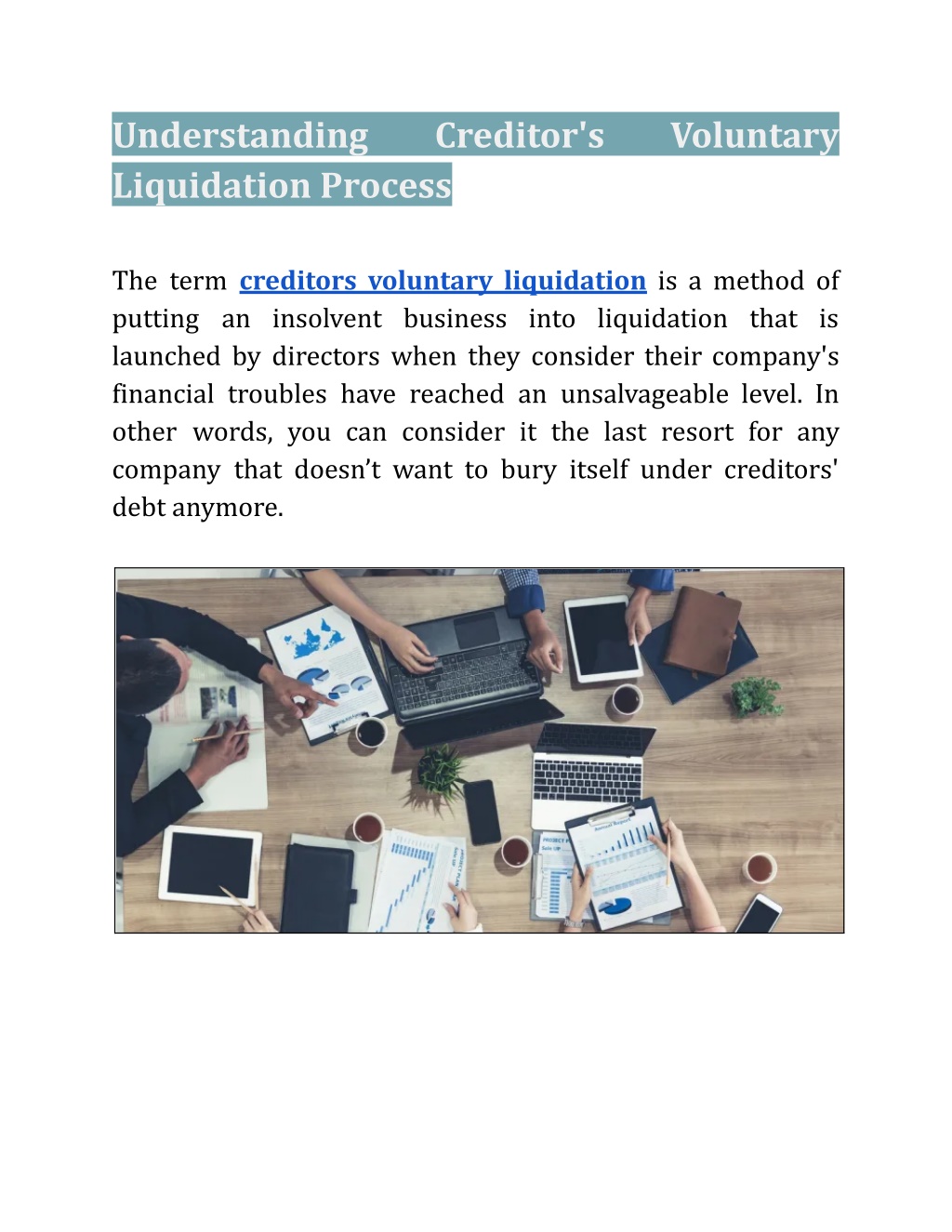
A creditor is an entity—such as a bank, supplier, or individual—that has provided goods, services, or capital to another party in exchange for a promise of future repayment. In accounting, creditors are classified as liabilities on the balance sheet, representing the financial obligations a business must fulfill to external parties.
The Fundamental Concept of Creditors in Business
In the world of accounting and finance as we navigate 2026, the concept of a creditor remains the bedrock of the credit system. At its simplest, the relationship between a creditor and a debtor is one of trust and legal obligation. When a business procures inventory on credit or secures a long-term loan to expand its operations, it creates a creditor relationship. The creditor is the party that has "extended credit," essentially allowing the receiving party to use resources now while deferring payment to a later date.
From an accounting perspective, every creditor represents a claim against the company’s assets. This is why creditors are recorded under the "Liabilities" section of a balance sheet. The management of these relationships is critical; if a company has too many creditors and insufficient cash flow to meet its obligations, it faces the risk of insolvency. Conversely, effectively leveraging creditors—especially trade creditors who may offer interest-free periods—is a sophisticated way to manage working capital and fuel growth without immediate cash outlays.
The distinction between different types of creditors is not merely academic; it dictates the priority of payments, the cost of capital, and the legal rights of both parties in the event of a financial dispute or bankruptcy. Understanding how these entities are categorized and recorded is the first step toward mastering corporate financial health.
Primary Types of Creditors
Not all creditors are created equal. They are generally categorized based on the nature of the transaction and the legal protections they hold. In modern accounting practices, we typically distinguish between trade creditors, loan creditors, and statutory creditors.
Trade Creditors (Accounts Payable)
Trade creditors are perhaps the most common type encountered in daily business operations. These are suppliers or vendors who provide raw materials, inventory, or services (like utilities or marketing) on "open account" terms. For example, a manufacturer might receive a shipment of steel in January but, per their agreement, does not have to pay the invoice until February.
During this window, the steel supplier is a trade creditor. In the manufacturer’s general ledger, this is recorded as Accounts Payable. Trade credit is essentially a short-term, often interest-free loan that is vital for maintaining smooth operational cycles. In 2026, most trade credit is managed through automated electronic data interchange (EDI) systems that track these obligations in real-time.
Loan Creditors (Financial Institutions)
Loan creditors are entities that provide capital in the form of loans, lines of credit, or mortgages. These are typically banks, credit unions, or private lending firms. Unlike trade creditors, loan creditors almost always charge interest as a condition of the credit extension. These obligations are recorded as Notes Payable or Loans Payable.
Depending on the repayment schedule, these can be classified as current liabilities (due within one year) or non-current liabilities (due after more than one year). Loan creditors often require formal contracts and may impose "covenants"—specific financial benchmarks the borrowing company must maintain to ensure they remain creditworthy.
Statutory Creditors
Statutory creditors are government bodies or regulatory agencies to which a business owes money by law. The most common examples include the Internal Revenue Service (IRS) for unpaid taxes or local municipalities for property levies. Even though these entities did not "sell" a product in the traditional sense, the unpaid tax liability makes them a creditor. Statutory creditors often have significant legal power, including the ability to place liens on assets or seize bank accounts if obligations are not met promptly.

Secured vs. Unsecured Creditors
A critical distinction in accounting and law is whether a creditor is secured or unsecured. This classification determines who gets paid first if a business runs out of money.
Secured Creditors
A secured creditor has a legal claim, or "lien," against a specific asset of the debtor, known as collateral. Common examples include a mortgage lender (where the building is collateral) or an equipment financier (where the machinery is collateral). If the debtor defaults on their payment, the secured creditor has the right to seize and sell the collateral to recoup their losses. Because they have this "safety net," secured creditors often offer lower interest rates than their unsecured counterparts.
Unsecured Creditors
Unsecured creditors provide credit based solely on the debtor’s creditworthiness and the promise to pay. They have no specific claim to any particular asset. Most trade creditors and credit card issuers fall into this category. In the event of liquidation, unsecured creditors are at a significant disadvantage; they only receive payment after secured creditors have been fully satisfied. Because the risk is higher for the lender, unsecured debt typically carries higher interest rates or stricter repayment terms.
Creditors on the Financial Statements
To truly understand the creditor definition in accounting, one must look at how these figures interact with the primary financial statements.
The Balance Sheet
As previously mentioned, creditors appear under Liabilities.
- Current Liabilities: Includes trade creditors (Accounts Payable), short-term loans, and the portion of long-term debt due within the next 12 months.
- Non-Current Liabilities: Includes long-term bonds, mortgages, and loans that are scheduled for repayment beyond the current fiscal year.
The ratio of total assets to total liabilities (owed to creditors) is a primary measure of a company's solvency. If creditors' claims exceed the total value of assets, the company is technically insolvent.
The Cash Flow Statement
While the balance sheet shows what is owed, the cash flow statement shows when the money actually leaves the business. Under the Operating Activities section, an increase in "Accounts Payable" indicates that the company is effectively "borrowing" more from its trade creditors, which preserves cash. Conversely, a decrease in Accounts Payable shows the company is paying off its creditors, resulting in a cash outflow. Monitoring the "Net Change in Payables" helps analysts understand if a company is relying too heavily on its suppliers to fund its operations.
The Income Statement
While the principal amount owed to a creditor does not appear on the income statement, the Interest Expense associated with loan creditors does. High interest payments can significantly erode net income, which is why financial managers keep a close eye on the "Interest Coverage Ratio"—a metric that measures how easily a company can pay interest on its outstanding debt.
Comparison: Trade Creditors vs. Loan Creditors
| Feature | Trade Creditors (Suppliers) | Loan Creditors (Banks/Lenders) |
|---|---|---|
| Primary Purpose | Goods or services for operations | Capital for investment or expansion |
| Interest Charged | Usually none (unless payment is late) | Almost always (Fixed or Variable) |
| Documentation | Purchase Orders and Invoices | Formal Loan Agreements/Notes |
| Security | Typically Unsecured | Often Secured by Assets (Collateral) |
| Accounting Label | Accounts Payable | Notes Payable / Long-term Debt |
| Priority in Bankruptcy | Lower | Higher (if secured) |
The Role of Creditors in Financial Analysis
Investors and auditors use several key ratios to analyze a company’s relationship with its creditors. These metrics provide insight into the efficiency of the company’s management and its long-term viability.
Creditor Days (Payables Turnover)
This ratio measures how long it takes a company to pay its trade creditors. A high number of "creditor days" might suggest the company is struggling to find the cash to pay its bills. However, if the company has negotiated long payment terms, a high number could actually indicate excellent working capital management, as they are using their suppliers' money to fund their own growth.
Current Ratio and Quick Ratio
The Current Ratio (Current Assets divided by Current Liabilities) measures the ability to pay off all short-term creditors using short-term assets. A ratio below 1.0 is often a red flag, indicating that the company may not be able to meet its immediate obligations. The Quick Ratio is even more stringent, excluding inventory from the assets, focusing only on the most liquid resources available to satisfy creditors.
Debt-to-Equity Ratio
This ratio compares the total amount of debt owed to creditors against the total equity provided by shareholders. It highlights the company’s "leverage." A high debt-to-equity ratio means the company is primarily financed by creditors. While this can magnify profits during good times, it increases the risk of bankruptcy during economic downturns because interest and principal payments to creditors are mandatory, whereas dividends to shareholders are optional.
Legal and Regulatory Framework for 2026
In 2026, the legal landscape surrounding creditors has been refined to prioritize transparency and digital verification. Under updated International Financial Reporting Standards (IFRS) and Generally Accepted Accounting Principles (GAAP), companies must provide clearer disclosures regarding their liquidity risks and the terms of their significant creditor agreements.
Furthermore, the "Right of Offset" has become a point of emphasis in corporate law. This allows a company that is both a creditor and a debtor to the same party to cancel out the mutual debts, simplifying the balance sheet. For instance, if Company A owes Company B $10,000 for supplies, but Company B owes Company A $4,000 for consulting services, the net liability to be recorded is $6,000.
Creditors also have specific rights during insolvency proceedings. In many jurisdictions, "Preferential Creditors"—such as employees owed back wages and tax authorities—are given priority over standard unsecured creditors. Understanding these hierarchies is essential for any professional involved in risk management or corporate restructuring.
Frequently Asked Questions
What is the difference between a creditor and a debtor?
A creditor is the party that is owed money, while a debtor is the party that owes the money. In a standard transaction where a bank lends money to a person, the bank is the creditor and the person is the debtor. In accounting, these roles are mirrored on the balance sheet: creditors are liabilities, while debtors (Accounts Receivable) are assets.
Can an employee be a creditor of a company?
Yes. If an employee has performed work but has not yet been paid for that period, the company owes them wages. In this scenario, the employee is a creditor. These are typically recorded as "Accrued Wages" or "Payroll Liabilities." In the event of a company's liquidation, employees are often treated as "preferential creditors" and are among the first to be paid from the remaining assets.
Does having creditors hurt a company's credit score?
Not necessarily. In fact, having a history of credit—and paying those creditors on time—is the primary way a business builds a strong credit score. Problems only arise when the "Debt-to-Income" ratio becomes unbalanced or if the company fails to meet the terms set by its creditors. Consistent, timely payments to trade and loan creditors demonstrate financial responsibility to future lenders.
What happens if a company cannot pay its creditors?
When a company cannot meet its obligations, it may enter a state of technical insolvency. The creditors may choose to renegotiate terms (debt restructuring), or they may take legal action to recover their funds. In extreme cases, the company may file for bankruptcy protection. During this process, a court-appointed official oversees the distribution of the company’s assets to the creditors according to their legal priority (secured vs. unsecured).
What are "Accrued Expenses," and are they different from trade creditors?
Accrued expenses are liabilities that have been incurred but not yet invoiced or paid. While trade creditors (Accounts Payable) are usually based on a specific invoice received from a vendor, accrued expenses are estimates of costs like interest, taxes, or utilities that have accumulated over a period. Both represent creditors, but they are categorized differently on the ledger to reflect the documentation status.
Practical Recommendation for Managing Creditors
To maintain a healthy financial position, businesses should perform regular Creditor Reconciliation. This involves comparing the balance shown in your own accounting records (the Purchase Ledger) against the statements provided by your suppliers. Discrepancies can arise from lost invoices, timing differences in payments, or disputed goods.
Furthermore, we recommend maintaining an Aging of Accounts Payable report. This report categorizes your creditors based on how long their invoices have been outstanding (e.g., 0–30 days, 31–60 days, etc.). By proactively managing this report, you can ensure you never miss a payment deadline, thus avoiding late fees and protecting your company’s reputation and credit rating in the 2026 marketplace.
Image Gallery
Select an image to open it in a new tab.
Declan O'Connor
Higher Education and Campus Culture Reporter
