
The "market close time" is defined by the specific rules and governing bylaws of an exchange, which dictate the exact moment trading ceases for a given session. This period, often referred to as the "market close" or "closing bell," marks the conclusion of regular trading hours, after which limit orders are no longer matched, and the official closing price for securities is calculated.
The Mechanics of Market Closing Times
When a market close time is defined, it is not merely a symbolic gesture of ringing a bell. It is a precise technical cutoff integrated into the exchange’s matching engine. For major global exchanges, such as the New York Stock Exchange (NYSE) or the Nasdaq, the standard close is typically 4:00 PM Eastern Time (ET). However, this definition is subject to specific regulatory frameworks and can vary significantly based on asset classes, geographical locations, and the type of trading session being observed.
The definition of closing time serves three primary functions: the finalization of the daily settlement price, the termination of continuous order matching, and the initiation of the post-market trading session. Investors must understand that "close" does not necessarily mean that all activity ceases; rather, it marks the end of the "Regular Trading Session."
Regulatory Oversight and Exchange Authority
The authority to define market closing times lies with the exchanges themselves, provided they operate within the guidelines set by national regulators. In the United States, the Securities and Exchange Commission (SEC) oversees these operational windows. While exchanges have autonomy, they must publish their trading calendars and hours well in advance.
These hours are formalized in the exchange's rulebook. For instance, the NYSE’s Rule 7.34 defines the segments of the trading day. When markets close at 4:00 PM ET, it signifies that the exchange’s primary continuous trading cycle has ended. This transition is essential for clearinghouses to begin the process of netting trades, managing collateral, and preparing for the next day's opening.
Variations by Asset Class and Market Type
A common misconception is that "the market" refers to a monolithic entity with a single closing time. In reality, the definition changes depending on what is being traded:
- Equities: Most major stock exchanges close at 4:00 PM local time (e.g., NYSE/Nasdaq at 4:00 PM ET, London Stock Exchange at 4:30 PM GMT).
- Futures and Derivatives: These often trade in near-continuous cycles. Some futures products may close for an hour, while others stay open nearly 24 hours a day, effectively having multiple "defined closes" depending on the contract specifications.
- Cryptocurrency Markets: These operate on a 24/7/365 basis. Because there is no centralized exchange equivalent to the NYSE, "closing time" is often defined by the UTC midnight mark for the sake of daily candle reporting and accounting.
- Forex: Like crypto, the currency market is decentralized. The "close" is typically defined as 5:00 PM ET on Friday, reflecting the close of the New York session and the start of the weekend liquidity gap.
The Closing Auction: A Critical Distinction
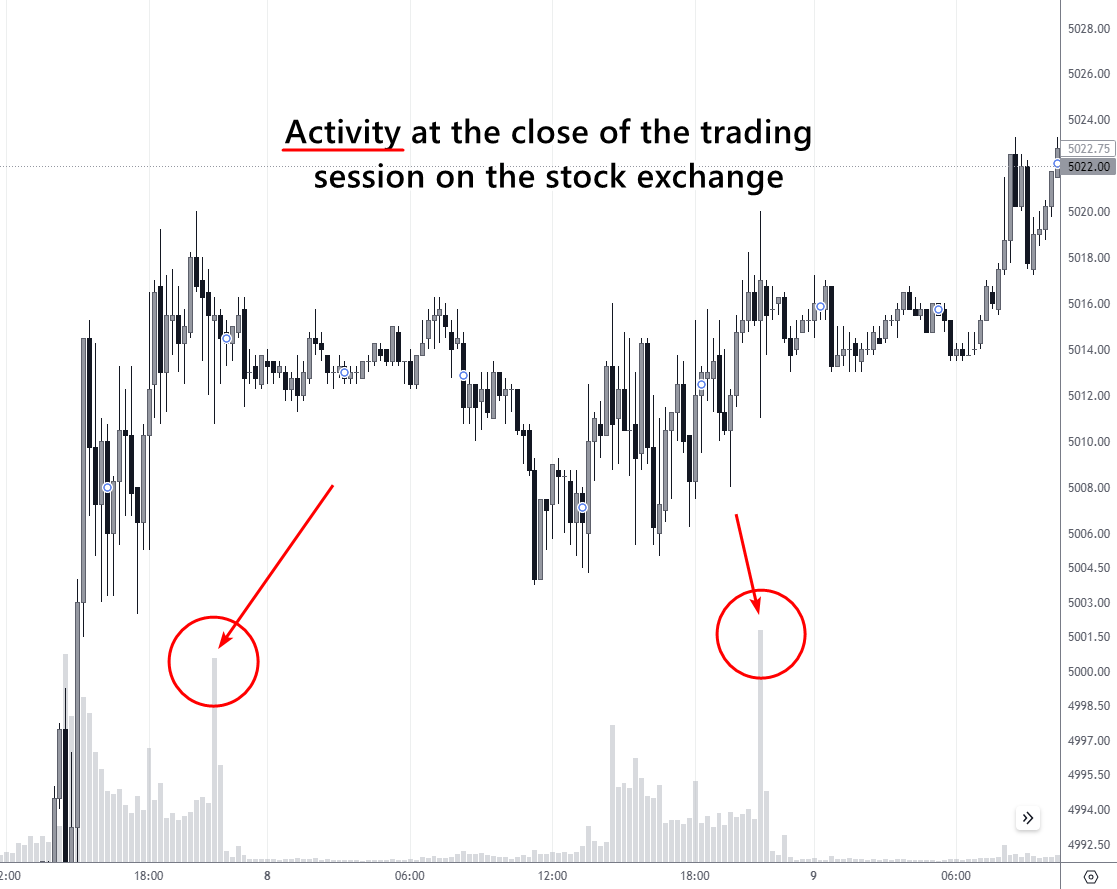
When we speak of when the market close time is defined, we must account for the "closing auction" or "closing cross." In many electronic exchanges, the time immediately preceding the market close is reserved for a specialized process. During this period, the exchange aggregates buy and sell orders to determine the official closing price of a security.
Even though the market is technically "open" during this cross, it is not "continuous." Investors might submit orders, but they are held in a queue. When the defined close time is reached, the matching engine executes these orders at a single, equilibrium price. This prevents market manipulation and ensures that the closing price—often used as a benchmark for mutual funds and ETFs—is representative of the day's total liquidity.
Operational Challenges and Exceptions
Several scenarios can lead to a deviation from the standard defined close:
- Early Closings: On days preceding major holidays (such as the day after Thanksgiving in the U.S.), exchanges may shorten their hours, often closing at 1:00 PM ET. These are pre-scheduled and communicated via the exchange’s holiday calendar.
- Market Halts: Regulators can mandate an early close or a temporary suspension of trading due to extreme volatility, technical glitches, or systemic emergencies. Under these circumstances, the "defined" time is overridden by emergency intervention.
- Circuit Breakers: If a market hits a Level 3 circuit breaker (a catastrophic decline in a major index), the market will cease trading for the remainder of the day. In this instance, the "close" is effectively triggered by the circuit breaker logic rather than the clock.
Comparison Table: Market Close Characteristics
| Market Segment | Standard Close Time (ET) | Nature of Close | Primary Benchmark Usage |
|---|---|---|---|
| U.S. Equities | 4:00 PM | Hard Close / Auction | Closing Cross Price |
| Forex | 5:00 PM (Friday) | Soft Close | Weekly Settlement |
| Crypto | 12:00 AM UTC | Continuous | Daily Candle Open/Close |
| Futures | Varies by Contract | Rolling/Cycle | Margin Call Triggers |
How Traders Should Approach the Close
For the individual investor, the defined closing time is a critical operational deadline. If you are using a broker-dealer to execute a "Market-on-Close" (MOC) order, you must ensure your order is submitted before the exchange’s cutoff—which is often earlier than the actual closing bell.
Failure to understand the difference between the exchange's clock and your brokerage's internal cutoffs can lead to failed orders. Many retail platforms have "internal" closing times that are slightly earlier than the exchange to ensure they have enough time to route the order to the exchange's closing auction. Always verify your broker's specific submission requirements for end-of-day orders.
The Role of After-Hours Trading
Once the regular market close time is reached, the market enters the "After-Hours" session. It is important to note that the securities traded here are the same, but the liquidity and price discovery mechanisms are significantly different. Prices in after-hours trading can be more volatile because there are fewer market makers and participants.
A "defined close" is the dividing line between these two liquidity pools. Institutional investors often use the defined close to measure their daily performance, while the after-hours period is used for post-market reactions to news, such as earnings reports or corporate announcements that occurred after the 4:00 PM bell.
Frequently Asked Questions
Does the market close time ever change based on daylight saving time? Generally, no. Exchanges maintain the same local time for closing. If an exchange closes at 4:00 PM ET, it will continue to close at 4:00 PM ET regardless of the shift between Standard Time and Daylight Saving Time. The global synchronization of time is handled by the exchanges to ensure their listed companies remain aligned with their local time zone.
Can I trade after the market close time? Yes, most major brokerage firms offer after-hours trading sessions. However, these sessions carry higher risks due to lower liquidity and wider bid-ask spreads. You must specifically instruct your broker to execute trades during these times, as many automated systems default to regular market hours only.
Why do mutual funds use the closing price? Mutual funds calculate their Net Asset Value (NAV) once per day, typically based on the official closing prices of the underlying assets. Because the market close time is defined and consistent, it provides a stable, transparent, and objective benchmark that prevents the "gaming" of the fund's daily valuation.
What happens if I have an open limit order after the market closes? If your limit order has not been filled by the market close time, it will typically remain in the exchange's order book as a "Good 'Til Canceled" (GTC) or "Day" order. If it is a "Day" order, the exchange will automatically expire it at the close. If it is a GTC order, it will carry over to the next trading session.
Are there differences in closing times for international stocks? Yes. Global markets operate on their own local schedules. If you are trading an international stock through an ADR (American Depositary Receipt) or a global brokerage account, you are subject to the local closing time of the foreign exchange where the primary shares are listed.
Final Next Steps for Investors
If you intend to participate in market-on-close strategies, your first step is to consult the official website of your primary exchange (such as the NYSE or Nasdaq) to view their trading calendar for 2026. This calendar confirms all holidays and potential early-close dates. Second, check your brokerage's specific requirements; if you use a mobile app or a specific trading platform, look for their "Order Submission Deadlines." Understanding the gap between the exchange's hard close and your broker's technical cutoff is the most effective way to avoid missed executions and ensure your trading goals are met.

Image Gallery
Select an image to open it in a new tab.




Declan O'Connor
Higher Education and Campus Culture Reporter
