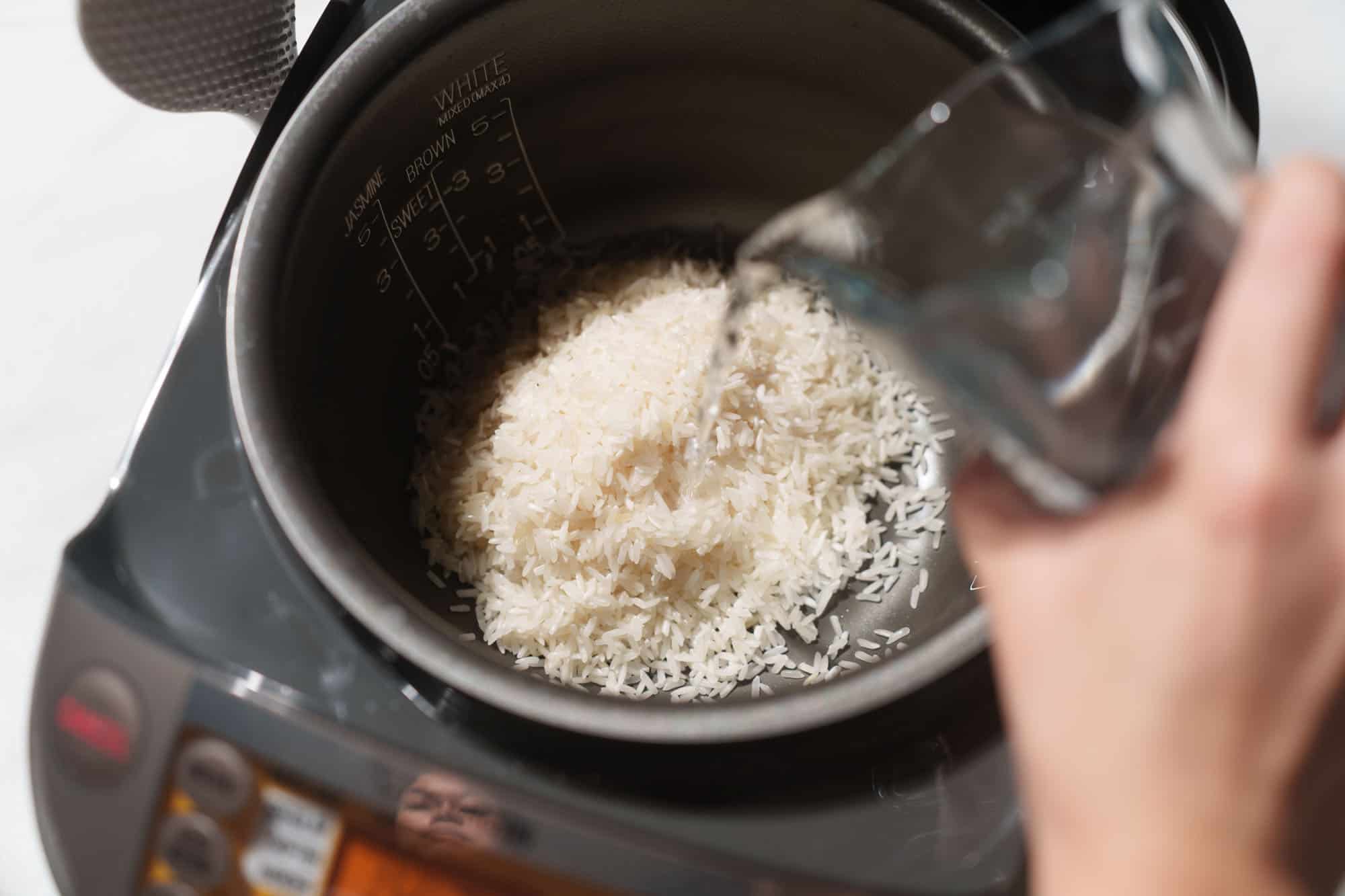
Achieving consistent, perfectly textured rice depends entirely on the ratio of water to grain, as the rice cooker’s automated sensors rely on this hydration level to trigger the switch from "cook" to "keep warm." To ensure success, use a standardized measurement—typically a 1:1.25 ratio for long-grain white rice—while adjusting for grain type, altitude, and the specific moisture-retention characteristics of your appliance.
The Science of Absorption and Steam
Rice cooking is fundamentally a process of starch gelatinization. As rice is heated in water, the starch granules absorb the liquid, swell, and eventually soften. In a rice cooker, this process is controlled by a thermostat that detects temperature changes. When the water is fully absorbed or evaporated, the temperature inside the pot begins to rise above 100°C (212°F). The rice cooker’s sensor detects this temperature spike, which signals that the starch is fully hydrated and the liquid phase has concluded.
If you add too little water, the temperature rises prematurely, causing the machine to stop before the rice is tender. If you add too much, the rice becomes gummy and waterlogged. Understanding that the rice cooker is an absorption-based system is the first step toward moving beyond the "fill-to-the-line" method and achieving precision.
Measuring Methodology: The Foundation of Consistency
Precision starts with how you measure your ingredients. Most rice cookers come with a dedicated plastic measuring cup, which is often roughly 180ml rather than a standard 240ml imperial cup. Using this proprietary cup is essential because the internal water markings on the bowl are calibrated to match the specific volume of the provided cup.
If you prefer to use a standard kitchen scale, you can move away from volume-based measurement entirely. Weighing your rice and water provides the highest level of accuracy, as it accounts for the density of the grain rather than air gaps in a measuring cup.
- Tare your bowl: Place your rice cooker bowl on a digital scale and zero it out.
- Weigh your rice: Record the weight of the raw rice.
- Calculate your water: For most white rice, a ratio of 1:1.2 by weight is a reliable starting point. For example, 200g of rice would require 240g of water.
- Adjust by trial: If the result is slightly too firm, add 5–10g of water for your next batch.
The Role of Grain Variety
Different rice varieties possess different starch structures, specifically in their ratio of amylose to amylopectin. These variations dictate how much moisture a grain can hold before it loses its structural integrity.
- Long-Grain White Rice (Basmati/Jasmine): These require less water because they have higher amylose content, which keeps the grains separate and firm. A 1:1.25 ratio is usually the sweet spot.
- Short-Grain Rice (Sushi/Calrose): These contain more amylopectin, making them stickier. They require slightly more water to soften the outer hull, often moving to a 1:1.3 or 1:1.4 ratio.
- Brown Rice: Because the bran layer is still intact, brown rice acts as a barrier to moisture absorption. It requires more water and significantly more time. Most modern rice cookers have a "Brown Rice" setting that extends the soaking period, but if you are using a basic model, you must increase the ratio to roughly 1:1.75 to compensate for the longer evaporation time.
Environmental Variables
Your kitchen environment impacts the final outcome. Altitude is the most significant factor. At higher altitudes, water boils at a lower temperature, which means it evaporates faster and fails to reach the thermal threshold required to fully cook the center of the rice grain. If you live 3,000 feet above sea level or higher, you should increase your water-to-rice ratio by approximately 5–10% to ensure the grains have enough moisture to finish cooking before the rice cooker shuts off.
Similarly, the age of your rice plays a role. Older, "pantry-aged" rice grains are dryer and have lost some of their internal moisture; they act like sponges and often require an extra splash of water compared to fresh-harvested rice.
Troubleshooting Common Rice Cooker Issues
| Issue | Potential Cause | Adjustment |
|---|---|---|
| Rice is too hard/crunchy | Insufficient water or high altitude | Add 2 tablespoons of water per cup |
| Rice is mushy/gummy | Excessive water or over-rinsing | Reduce water by 10% |
| Rice is burnt at the bottom | Heat is too concentrated or pot is thin | Rinse rice thoroughly to remove surface starch |
| Rice has a crusty layer | "Keep Warm" time is too long | Serve immediately after the beep |
The Rinsing Factor
Rinsing your rice is not just about cleanliness; it is about moisture control. Surface starch, if left on the grain, creates a thick, glue-like paste during the boiling phase. This paste inhibits the uniform movement of water through the rice bed, leading to uneven cooking.
Rinse your rice under cold, running water until the water runs clear. By removing the excess starch, you ensure that the water-to-rice ratio remains consistent throughout the entire cooking cycle, preventing the rice from becoming clumped and allowing each grain to steam independently.
Practical Expert Tips for Consistency
- The Resting Period: Never open the rice cooker immediately after it finishes. The steam remaining in the pot continues the cooking process for the center of the grains. Allow the rice to sit on the "Keep Warm" setting for 10 minutes to redistribute moisture evenly.
- Fluffing: Use a silicone or wooden paddle to fluff the rice from the bottom up. This releases trapped steam and prevents the weight of the upper grains from compressing the rice at the bottom into a dense mass.
- The Soak: If your rice cooker does not have a "Pre-Soak" cycle, consider letting the rice and water sit in the pot for 20 minutes before turning the machine on. This allows the water to penetrate the bran layer, resulting in a more uniform texture from edge to center.
- Pot Maintenance: If the non-stick coating of your inner pot is scratched, the rice will stick and burn at the contact point. This creates a hot spot that confuses the sensor and produces inconsistent moisture levels. Replace the inner bowl if you notice significant damage to the lining.
Frequently Asked Questions
Does the rice cooker's water-fill line work for every type of rice? No. The lines etched into the pot are typically calibrated for standard white long-grain rice. If you are cooking brown rice, wild rice, or specialty grains like forbidden rice, these lines will almost always result in undercooked grains. Use your own measurements based on weight or volume for these varieties.
Why does my rice turn out mushy even when I use the correct ratio? This often happens if the rice is left in the "Keep Warm" mode for too long. Residual steam accumulates at the bottom of the pot, causing the bottom layer of rice to overcook and lose its structure. Once the rice is done, fluff it, and if you are not serving immediately, consider turning off the machine or removing the bowl from the base.
Should I use hot water to start the cooking process? While using hot water can speed up the cooking time, it is not recommended for most rice cookers. These appliances are programmed to heat the water at a specific, gradual rate. Starting with hot water can cause the sensor to trip too early because the temperature threshold is reached before the rice has had time to absorb the liquid.
How does humidity affect the rice-to-water ratio? In high-humidity climates, rice grains can absorb ambient moisture from the air. If you notice your rice is consistently coming out too soft, try reducing your water amount by a small margin. Conversely, in very dry, arid environments, you may find that the rice needs slightly more water than the standard ratio suggests.
What is the best way to keep rice from sticking to the bottom? Aside from rinsing the starch away, adding a tiny amount of neutral oil or a drop of rice vinegar can help prevent sticking. However, the most effective method is to ensure the rice is evenly distributed in the pot and not packed down before the cycle begins.
Final Recommendation
To master consistent results, start by weighing your rice and water to find your ideal personal ratio. Once you have established a "baseline" result that you enjoy, document that specific weight ratio for each variety of rice you store in your pantry. By removing the variables of volume and environmental guesswork, you turn your rice cooker from a generic appliance into a precision tool. Begin your next batch by rinsing until clear, using a scale to measure your ratio, and allowing a mandatory 10-minute resting period after the cooking cycle finishes.

Image Gallery
Select an image to open it in a new tab.

Omar Farooq
EdTech Innovation and Virtual Pedagogy Journalist
