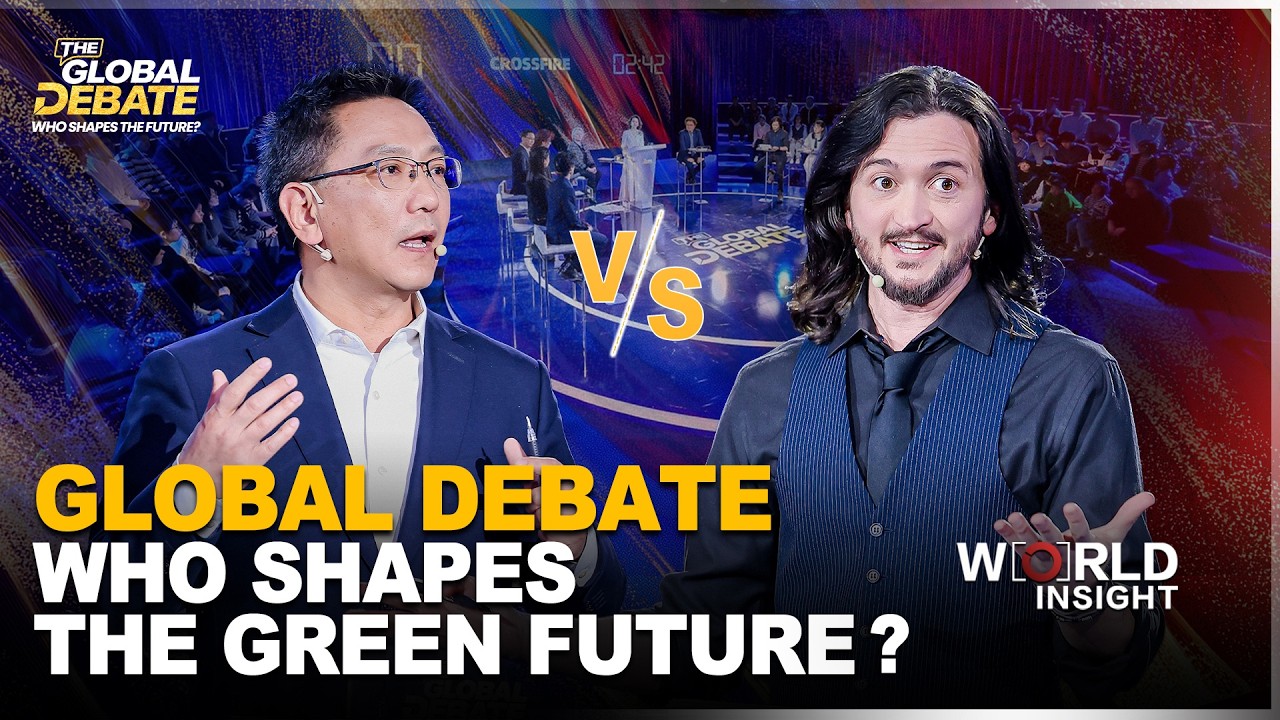
A presidential debate host serves as the structural architect of the event, influencing the political narrative by curating specific topics, enforcing time limits, and utilizing follow-up questions to bridge the gap between campaign rhetoric and policy substance. By managing the flow of interaction, the host dictates which issues receive prime-time focus, how candidates address inconsistencies in their platforms, and whether the discourse remains tethered to factual verification or veers into personal grievance.
The Mechanics of Agenda Setting
The power of a debate host begins long before the cameras go live. While the formal topics are often negotiated between the media organizations hosting the event and the campaigns themselves, the moderator holds the primary responsibility for the "order of operations." By deciding which subject leads the broadcast, the host effectively defines the initial emotional and intellectual temperature of the night.
When a moderator chooses to start with economic policy, the evening is framed through the lens of statistics, taxation, and individual financial health. Conversely, starting with social issues or foreign policy immediately centers the debate on ideological divisions and national security. This structural choice is a form of passive influence; the candidate who is best prepared for the opening segment gains a momentum advantage that can persist for the remainder of the hour.
Furthermore, the host determines the "depth" of each segment. By allocating more time to a specific topic, they signal to the viewing public that this issue is of paramount importance to the national interest. A host who moves rapidly through topics prevents candidates from settling into a rhythm, while one who lingers allows for the development of complex arguments and policy critiques.
Real-Time Fact Checking and Interruption Strategy
One of the most consequential tools at a moderator’s disposal is the live, real-time intervention. The efficacy of a presidential debate often hinges on how the host manages the tension between the candidates' desire to speak and the necessity of maintaining a coherent flow of information.
The host acts as a traffic controller, balancing the need for equitable airtime with the duty to correct misinformation. When a candidate makes a statement that is objectively verifiable as inaccurate—such as misstating a legislative record or providing incorrect economic data—the moderator must choose whether to intervene. This decision creates a fork in the conversation:
- Active Correction: The moderator interrupts to clarify the fact. This keeps the discourse grounded in reality but risks being perceived by the candidate’s supporters as an act of media bias.
- Passive Deferral: The moderator allows the claim to stand and expects the opposing candidate to address it. This preserves the flow of the debate but risks leaving the audience misinformed if the opponent fails to provide a compelling rebuttal.
The moderator’s choice of interruption reflects their journalistic philosophy. Some adopt a "hands-off" approach, viewing their role as a neutral conduit, while others view themselves as a necessary barrier against the proliferation of falsehoods during a televised national event.
The Power of the Follow-Up Question
The follow-up question is the primary mechanism for holding candidates accountable. A standard candidate answer often consists of a rehearsed "talking point" designed to pivot away from a difficult question and toward a pre-planned message. A skilled moderator uses the follow-up to dismantle this defense.
When a moderator asks a follow-up, they are essentially telling the candidate, "Your previous answer was insufficient." This forces the candidate to drop the script and address the specific nuance of the inquiry. The effectiveness of this move depends on:
- Directness: The host must clearly articulate what was missed in the initial response.
- Persistence: The moderator must be willing to repeat the question if the candidate continues to dodge.
- Specificity: By referencing a specific policy gap or a contradictory past statement, the moderator limits the candidate's ability to remain in the abstract.
If the moderator fails to follow up, they allow the candidate to control the conversation. If they do follow up effectively, they seize the narrative, forcing the candidate to defend their position in real-time.
Managing Candidate Behavior and Disruptions
The moderator's role extends into the realm of behavioral management. Modern presidential debates are often characterized by interruptions, crosstalk, and attempts by candidates to dominate the physical space. The host is responsible for maintaining a level of decorum that allows the audience to hear the content of the arguments.
The use of "mute buttons" or the threat of audio cutoff has become a standard tactical tool in recent cycles. While these measures are controversial, they provide a necessary enforcement mechanism for the rules agreed upon by the campaigns. A host who can successfully enforce these boundaries demonstrates control of the stage, which prevents the debate from devolving into a shouting match. When a moderator loses control of the room, the quality of the policy debate inevitably degrades, as the focus shifts from substance to the display of dominance and frustration.
Comparative Framework for Moderator Influence
The following table outlines the different strategies moderators may employ to influence the debate environment:
| Moderator Strategy | Intended Outcome | Risk Factor |
|---|---|---|
| Strict Timekeeping | Equity of airtime for all candidates. | Can feel robotic or interrupt thought-out policy points. |
| Deep-Dive Questioning | High-level intellectual discourse. | Can lose the interest of casual viewers. |
| Fact-Checking | Maintaining truth-based discourse. | Risks perceptions of partisan political bias. |
| Direct Interaction | Breaking through candidate scripts. | Can be perceived as aggressive or combative. |
| Non-Interference | Allowing voters to judge character. | Allows misinformation and crosstalk to dominate. |
Technical Limitations and Institutional Constraints
The ability of a host to shape the conversation is not absolute. They operate within a framework of strict institutional constraints. First, the format of the debate is usually codified in a legal or professional contract between the debate commission and the campaigns. If these rules prohibit a moderator from asking certain types of questions or from fact-checking in real-time, the host is effectively neutered.
Second, the moderator must contend with the "audience perception" constraint. Because they work for a specific media organization or as part of a bipartisan commission, any move seen as overly aggressive or biased can result in significant professional and institutional backlash. A moderator must walk a fine line: they must be aggressive enough to provide value to the electorate but neutral enough to avoid being accused of manipulating the outcome of the election.
The Evolution of the Moderator’s Role
Historically, moderators functioned primarily as timekeepers and facilitators. In the modern era, the expectations have shifted toward the moderator acting as a "participant-observer." This change reflects the broader evolution of the media landscape, where voters increasingly look to the moderator to provide context and truth-testing rather than just a stage for candidates to repeat talking points.
In 2026, this dynamic is more critical than ever. With the rise of sophisticated digital communication and the speed at which claims circulate, the "gatekeeper" function of the debate host is the only barrier between a candidate's unchecked assertion and the viewing public. This evolution means that the moderator is no longer just a neutral party; they are a critical component of the American electoral process itself.
Frequently Asked Questions
1. Can a moderator force a candidate to answer a question? A moderator cannot physically force a candidate to answer. However, they can use follow-up questions to highlight that a candidate is evading the topic. By doing so, the moderator forces the candidate to decide between answering the question or continuing to appear evasive on live television.
2. Are debate questions predetermined by the campaigns? Usually, no. While campaigns often negotiate the topics and the format (e.g., number of minutes per question), the specific phrasing of the questions remains the purview of the moderator and the hosting organization to ensure an element of surprise and genuine inquiry.
3. What happens if a moderator is accused of bias? Accusations of bias are a common part of the post-debate cycle. To mitigate this, moderators typically rely on publicly available records, voting histories, and established policy platforms. Using source-based, objective data makes it more difficult for campaigns to argue that a question was motivated by subjective preference.
4. Why don't all moderators use fact-checking in real-time? Many moderators avoid real-time fact-checking to maintain the appearance of neutrality. There is a concern that if a moderator steps into the role of an arbiter of truth, they may inadvertently appear to be favoring one candidate over another, especially if a fact-check is later found to be based on an incomplete or contested set of data.
5. How do moderators prepare for a debate? Preparation involves months of research into candidate records, past statements, and current policy proposals. Moderators work with teams of researchers to build a "question bank" that allows them to pivot based on how a candidate responds, ensuring they are prepared for multiple lines of inquiry.
Next Steps for Voters
To better evaluate the impact of a debate moderator, voters should pay attention not just to the candidates’ answers, but to the nature of the questions being asked. Does the moderator demand specific evidence? Do they allow the candidate to pivot away from critical issues? By observing the moderator's commitment to holding the stage accountable, viewers can better distinguish between a candidate's prepared performance and their actual policy preparedness. In your next viewing, track how many "follow-up" questions lead to a genuine change in the candidate’s tone or substance; this is the true measure of a host's effectiveness.

Image Gallery
Select an image to open it in a new tab.




Vivian Cho
Executive IT and Emerging Technologies Reporter
