Understanding the Role and Identity of Kip "Half-Sack" Epps in Sons of Anarchy
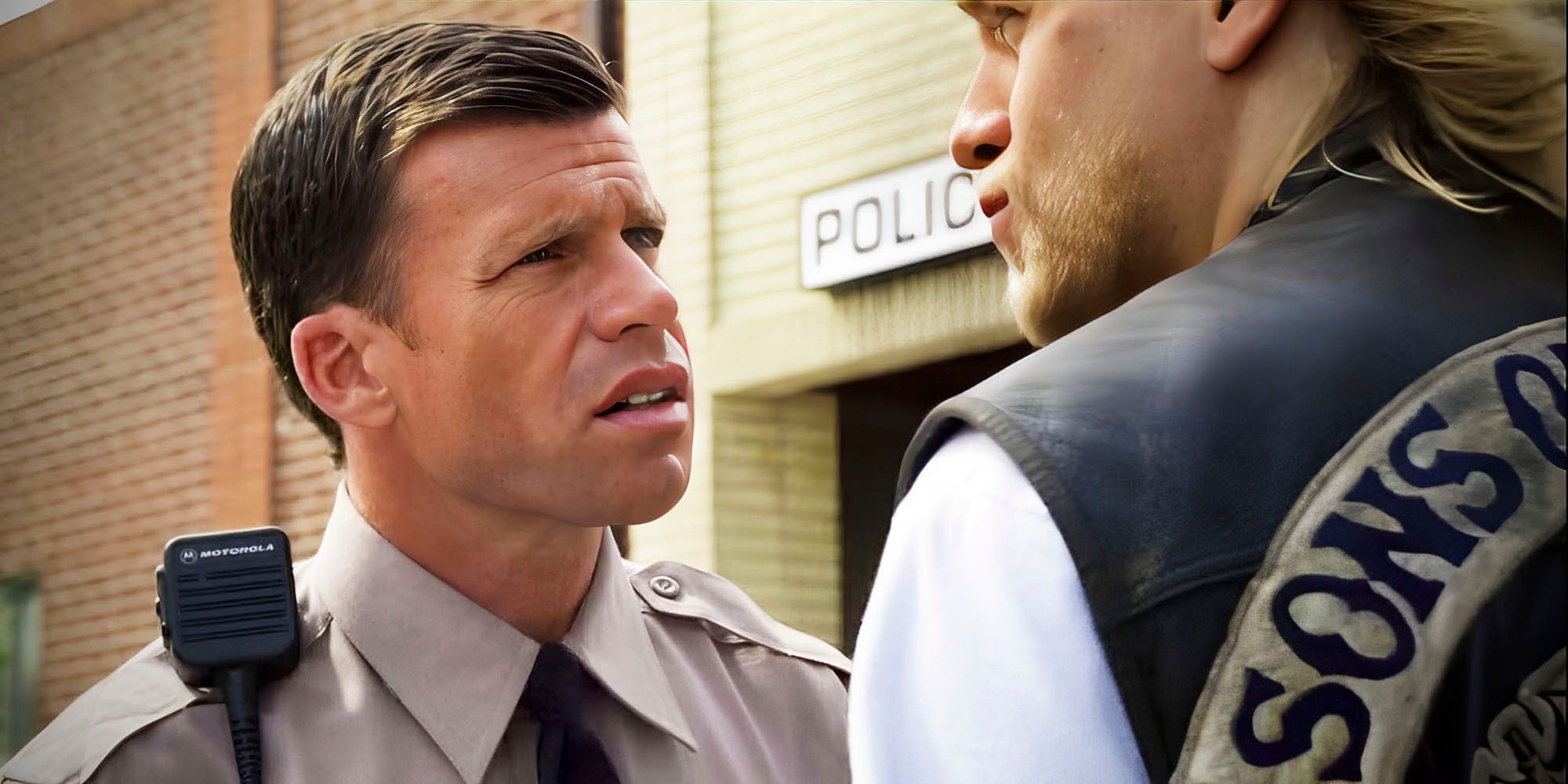
Kip "Half-Sack" Epps, portrayed by actor Johnny Lewis, is a memorable member of the Redwood Original charter of the Sons of Anarchy Motorcycle Club (SAMCRO). Introduced as a prospect in the show's first season, his character journey is defined by his attempts to prove his loyalty, his unique nickname, and his tragic demise at the conclusion of the second season.
The Origin and Meaning of "Half-Sack"
Within the hierarchy of the Sons of Anarchy Motorcycle Club, nicknames are an integral part of identity, often serving as a badge of honor or a reminder of a specific event in a prospect's history. For Kip Epps, the moniker "Half-Sack" carries a specific, albeit grim, backstory that is explained early in the series. During his service in the Iraq War, Kip sustained a significant injury that resulted in the loss of one of his testicles. This injury became the catalyst for his nickname, a label that highlights the crude, blunt, and brotherhood-oriented humor prevalent within the club culture.
The nickname serves as a narrative device that accomplishes several things for the character and the viewer. First, it establishes his military background, providing a sense of discipline and trauma-informed experience that colors his perspective on the violence inherent in club life. Second, it humanizes him; his vulnerability is literally embedded in his name. Third, it underscores the maturity gap between him and the senior members of SAMCRO. As a prospect, he is often the target of ribbing, and "Half-Sack" acts as a constant reminder of his status as an initiate yet to reach the full status of a "Made" man.
Role as a Prospect: The Proving Ground
In the world of Sons of Anarchy, the rank of "Prospect" is not merely a title; it is a grueling, often dangerous internship. Kip Epps spends his time in the series navigating this precarious position. Prospects are expected to perform the tasks that full-patch members refuse to do, ranging from guarding the clubhouse to cleaning up after violent confrontations.
Throughout his tenure, Kip demonstrates an unwavering desire to be fully accepted by Jax Teller, Clay Morrow, and the rest of the leadership. His actions are driven by a need for belonging. Unlike some other characters who join for the lifestyle or the power, Kip’s dedication feels rooted in a search for a surrogate family. He participates in the club's illegal arms-dealing operations, internal security, and even high-risk reconnaissance missions. His transition from an outsider to a trusted associate is marked by his willingness to put his life on the line, reflecting the high stakes of the club's internal politics and external conflicts.
Key Storylines and Narrative Impact
Kip’s presence in the series is largely framed by his relationship with the other club members and the overarching conflict of the Redwood Original charter. His arc is most significant during the first two seasons, where he is frequently involved in the club's defensive strategies.
One of his most notable contributions involves the protection of Gemma Teller-Morrow and the general security of the clubhouse. Because he is a prospect, he is often tasked with being the "eyes and ears" of the organization. His character arc is marked by his steady development from a somewhat naive youth to a man who understands the lethal realities of the outlaw biker lifestyle. His presence is intended to ground the viewer’s perspective, as he represents the lowest tier of the club’s hierarchy, allowing the audience to see how the club functions from the ground up.
The Tragic Conclusion of the Character
The exit of Kip "Half-Sack" Epps from the series serves as one of the most shocking moments in the early history of Sons of Anarchy. In the season two finale, "Na Trioblóidí," Kip is murdered while defending Jax’s son, Abel, from an intruder sent by Cameron Hayes.
This event is pivotal for several reasons:
- The Cost of Loyalty: Kip dies protecting the family of a member he looked up to, effectively cementing his legacy as a loyal brother to the end.
- Impact on SAMCRO: The death serves as a stark reminder that even those who are not "full-patch" members are subject to the same fatal risks as the leadership.
- Shift in Tone: The death of a character who represented the "prospect" status signals to the audience that no one in the Sons of Anarchy universe is safe, establishing the show’s willingness to eliminate major characters to advance the plot and raise the stakes.
Comparison of SAMCRO Ranks and Responsibilities
To understand where Kip Epps fit within the club's operational structure, one must examine the hierarchy of the Sons of Anarchy Motorcycle Club.
| Rank | Primary Responsibility | Relationship to Kip Epps |
|---|---|---|
| President/VP | Setting policy, making final decisions | Authority figures who demand Kip's total obedience |
| Secretary/Treasurer | Administrative and financial oversight | Oversight of the club's coffers and records |
| Sergeant-at-Arms | Enforcing rules and discipline | Direct supervisor of Kip's prospect duties |
| Full-Patch Member | Voting power and protection of the patch | Peers and mentors whom Kip strives to join |
| Prospect | Low-level labor, errands, and training | Kip's status for the duration of his time in the series |
Technical Analysis of Character Development
From a screenwriting perspective, the character of Kip Epps functions as a "loyalty barometer." By observing how he interacts with the senior members, the audience receives clues regarding the current state of the club's morale and stability. When he is treated well, the club is stable; when he is put in impossible, high-risk situations, it reflects the growing desperation of the leadership.
The writing staff utilized Kip to explore the themes of sacrifice and brotherhood. His death was not just a plot twist; it was a conclusion to his arc that proved his worth. By dying to protect the next generation of the Teller family, Kip effectively "earned" his patch in the eyes of the viewers, if not formally in the eyes of the club. This creates a lasting emotional resonance that keeps his character relevant even as the series progressed into later seasons.
Frequently Asked Questions
Why was Kip Epps nicknamed "Half-Sack"? Kip received the nickname "Half-Sack" after losing a testicle during his service in the Iraq War. In the culture of the club, such nicknames are common and serve to define the members based on their past experiences and personal history.
Did Kip Epps ever become a full-patch member? No, Kip died while still in the status of a prospect. His tragic death occurred at the end of season two, preventing him from ever being voted into the club as a fully initiated member.
How does Kip’s death affect the plot of the later seasons? Kip’s death serves as a catalyst for the heightened protective instincts of the club. It exacerbates the tensions between SAMCRO and the Irish Republican Army (IRA), as his killer was associated with that faction. His death leaves a void in the club's support staff that highlights the recurring theme of loss within the organization.
Who played Kip "Half-Sack" Epps? The character was portrayed by the actor Johnny Lewis. His performance is often cited for its grounded and relatable quality, making the character's eventual demise particularly impactful for the audience.
Why is Kip Epps considered an important character? Beyond his specific actions, Kip represents the expendable nature of those lower in the club’s hierarchy. His storyline provides insight into the "Prospect" life, highlighting the danger and the deep-seated loyalty required to survive in an outlaw motorcycle club.
Recommendation for Viewers
If you are currently watching the series or planning to revisit the early seasons, pay close attention to the scenes involving the clubhouse security and the errands Kip is sent on. These moments provide the best insight into the internal politics of SAMCRO. Understanding his role as a prospect enhances the dramatic weight of the second season finale, as it illustrates the ultimate price paid by those who dedicate their lives to the club. If you are interested in the broader context of the show's writing, look for interviews with the production team from the 2008–2009 period, which offer specific insights into why the writers chose to conclude his arc at that juncture.

Image Gallery
Select an image to open it in a new tab.

Declan O'Connor
Higher Education and Campus Culture Reporter
