
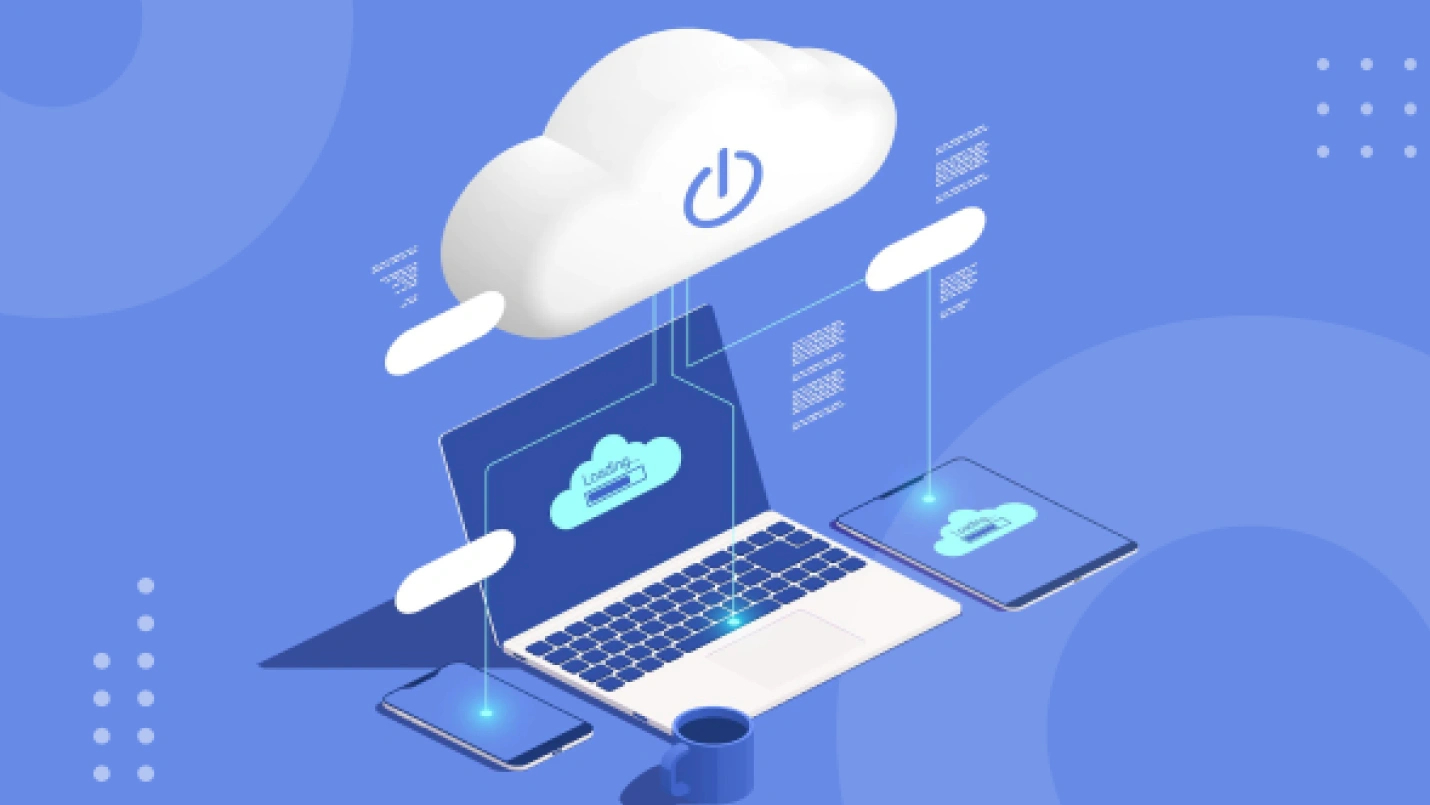
The cloud provides the ideal environment for Software as a Service (SaaS) by offering unmatched scalability, global accessibility, reduced infrastructure management overhead, and flexible cost models that align computational resources directly with business demand, allowing providers to focus on application logic rather than physical hardware.
Introduction to the Cloud-SaaS Synergy
The intersection of Software as a Service (SaaS) and cloud computing has fundamentally transformed how applications are developed, delivered, and consumed. Historically, software deployment required physical servers, local installations, manual patches, and rigorous on-premises maintenance. Today, the cloud acts as the foundational engine room for modern software delivery. Understanding why the cloud is the right home for SaaS requires examining the architectural, economic, and operational advantages that emerge when application logic meets distributed infrastructure.
For software providers and end-users alike, the shift from traditional hosting to hyper-scale cloud environments has eliminated traditional barriers to entry. This analysis explores the core drivers of this synergy, detailing how cloud primitives—such as elastic compute, managed databases, global content delivery networks, and automated orchestration—create an optimal ecosystem for SaaS platforms.
Architectural Scalability and Elasticity
At the heart of the SaaS model is multi-tenancy: a single instance of software running on a server serves multiple customer organizations, or tenants. This architecture demands an infrastructure layer that can scale seamlessly up or down based on real-time utilization.
Horizontal Versus Vertical Scaling
Traditional on-premises infrastructure relies heavily on vertical scaling, which involves adding more CPU, RAM, or storage to a single physical machine. This approach has a hard physical ceiling and introduces significant hardware expenditure and single points of failure. The cloud, conversely, excels at horizontal scaling. SaaS applications hosted in the cloud can automatically provision new virtual instances or containerized nodes using orchestration platforms like Kubernetes when traffic surges, and de-provision them during quiet periods.
Multi-Tenancy Optimization
Cloud providers offer granular resource isolation and allocation tools, enabling SaaS vendors to maximize resource utilization without compromising tenant security or data privacy. By leveraging cloud-native microservices, developers can scale specific components of an application—such as an authentication service or a billing engine—independently from the rest of the application stack, ensuring optimal performance under variable loads.
Global Reach and High Availability
SaaS applications are rarely restricted by geography; users expect seamless access from Tokyo, New York, or London simultaneously. Building a globally distributed physical network is cost-prohibitive for most organizations, but cloud platforms provide this capability out of the box.
Global Infrastructure Footprint
Major cloud providers maintain data centers across dozens of geographic regions and availability zones worldwide. SaaS vendors can deploy application instances close to their user base, drastically reducing network latency. Furthermore, integration with global Content Delivery Networks (CDNs) allows static assets, images, and cached data to be served from edge locations closest to the end user.
Disaster Recovery and Business Continuity
High availability is a non-negotiable requirement for enterprise SaaS. Cloud environments offer built-in redundancy, automated backups, and multi-region failover mechanisms. If a primary data center experiences an unexpected outage, traffic can be dynamically rerouted to a secondary region with minimal service interruption, meeting stringent Service Level Agreements (SLAs).
Economic Efficiency and the CapEx-to-OpEx Shift
The financial architecture of cloud computing aligns perfectly with the subscription-based revenue model of SaaS, transforming how businesses manage capital expenditure.
| Cost Dimension | On-Premises Infrastructure | Cloud-Hosted SaaS Infrastructure |
|---|---|---|
| Initial Investment | High capital expenditure (CapEx) for servers, networking gear, and facility space. | Low capital expenditure; immediate deployment using pay-as-you-go operational expenditure (OpEx). |
| Capacity Planning | Requires guessing peak demand years in advance, leading to idle capacity or costly under-provisioning. | Elastic provisioning; resources scale dynamically with actual usage, minimizing waste. |
| Maintenance Costs | Requires dedicated internal hardware maintenance and facilities teams. | Managed by the cloud provider, reducing operational overhead and labor costs. |
| Upgrade Cycles | Expensive, disruptive physical hardware refreshes every 3 to 5 years. | Continuous, seamless underlying infrastructure updates handled transparently by the provider. |
By eliminating large upfront capital expenditures, SaaS startups and established enterprises alike can redirect financial capital toward product innovation, marketing, and customer acquisition rather than server management.
Operational Agility and Developer Velocity
Speed to market is a primary competitive differentiator in the software industry. The cloud empowers development teams to build, test, and ship features rapidly through managed services and automated pipelines.
Managed Services and Reduced Toil
Cloud ecosystems provide fully managed databases, caching layers, message queues, and machine learning pipelines. By utilizing these managed services, SaaS engineering teams spend less time administering databases or patching operating systems and more time writing business-critical application code.
Continuous Integration and Continuous Deployment (CI/CD)
Cloud platforms integrate natively with modern developer tooling. Automated testing environments, infrastructure-as-code (IaC) templates, and container registries allow teams to execute continuous integration and continuous deployment workflows efficiently. Features can be pushed to production multiple times a day with rigorous automated safety checks.
Security, Compliance, and Governance
Security is often cited as a concern for cloud adoption, but hyper-scale cloud providers invest billions of dollars annually into security measures that far exceed the capabilities of most individual software companies.
The Shared Responsibility Model
Cloud security operates on a shared responsibility model. The cloud provider secures the underlying infrastructure—including physical data centers, hardware, networking, and virtualization layers—while the SaaS vendor is responsible for securing their application code, data encryption, identity management, and access controls.
Compliance and Certifications
Enterprise customers demand rigorous compliance standards, such as SOC 2, ISO 27001, HIPAA, and GDPR. Building compliance frameworks from scratch is complex and expensive. Hosting SaaS applications on certified cloud infrastructure allows vendors to inherit foundational security controls and streamline their own compliance audits.
Frequently Asked Questions
Why is multi-tenancy important for SaaS in the cloud?
Multi-tenancy allows multiple customers to share the same application instance and underlying hardware infrastructure securely. This efficiency reduces operational costs for the vendor and allows them to pass savings on to the customer while ensuring rapid feature rollouts and centralized maintenance.
How does the cloud reduce latency for global SaaS users?
Cloud providers operate data centers distributed across multiple geographic regions and integrate with global content delivery networks. This infrastructure allows SaaS applications to cache and serve data from locations physically closer to the end user, minimizing network transit time.
What is the shared responsibility model in cloud computing?
The shared responsibility model divides security duties between the cloud provider and the SaaS vendor. The provider secures the cloud infrastructure (hardware, facilities, hypervisors), while the vendor secures their data, application configurations, and access management policies.
Can legacy software be easily migrated to the cloud as SaaS?
Moving legacy software to the cloud often requires architectural refactoring. Monolithic applications designed for single-tenant, on-premises deployment typically need to be decomposed into microservices and containerized to fully leverage cloud elasticity and multi-tenancy benefits.
How do cloud environments handle unexpected traffic spikes for SaaS platforms?
Cloud platforms utilize automated scaling groups and load balancers. When traffic increases past a predefined threshold, the system automatically provisions additional compute resources to absorb the load, then scales back down when traffic subsides.
Practical Next Actions for Cloud-Native SaaS Migration
Transitioning or building a SaaS application in the cloud requires a strategic, phased approach to maximize technical and financial efficiency.
- Audit Application Architecture: Review your current software design to identify monolithic bottlenecks and determine which components can be containerized or refactored into microservices.
- Select the Right Cloud Provider: Evaluate major cloud hyperscalers based on your target geographic markets, specific managed service offerings, compliance requirements, and pricing structures.
- Implement Infrastructure-as-Code (IaC): Utilize tools like Terraform or native cloud deployment templates to ensure your environment is reproducible, version-controlled, and scalable.
- Establish Comprehensive Monitoring: Set up robust observability, logging, and application performance monitoring (APM) to track resource utilization, latency, and error rates proactively.
Image Gallery
Select an image to open it in a new tab.
Mateo Castillo
Decentralized Finance and E-Payments Strategist
