The Abbreviation for Chest Pain Explained: Medical Terminology and Clinical Meanings
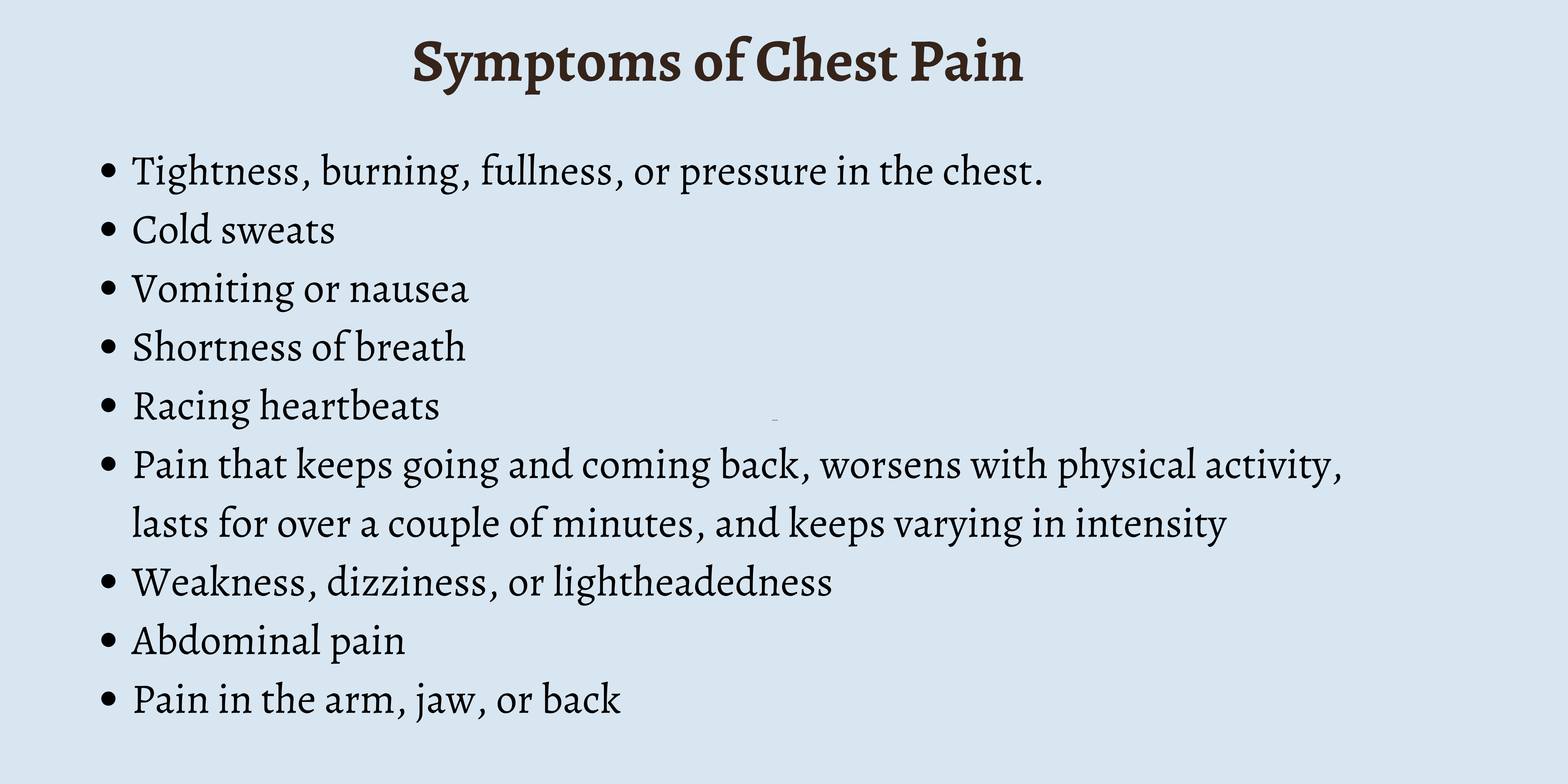
In clinical settings and medical documentation, the primary abbreviation for chest pain is CP. While this shorthand is widely used for efficiency, it often serves as a starting point for more specific diagnostic abbreviations such as ACS (Acute Coronary Syndrome), NCCP (Non-Cardiac Chest Pain), or STEMI (ST-Elevation Myocardial Infarction) to define the cause.
Medical shorthand is a cornerstone of healthcare communication, allowing providers to transmit critical information rapidly during emergencies. However, when a patient sees "CP" on a chart or an intake form, it rarely tells the whole story. Understanding the abbreviation for chest pain requires looking deeper into how clinicians categorize, diagnose, and treat the various underlying conditions that manifest as thoracic discomfort. As of 2026, the standardization of electronic health records (EHR) has made these abbreviations more uniform, yet the clinical nuance remains as complex as ever.
The Foundation of Medical Shorthand: Why Use "CP"?
The use of CP as an abbreviation for chest pain is a matter of clinical necessity. In an emergency department (ED) or an urgent care setting, time is of the essence. Writing "chest pain" repeatedly in a patient’s progress notes, nursing assessments, and triage reports consumes valuable seconds. Abbreviations like CP allow for a more streamlined flow of information.
However, the abbreviation is not without its risks. In medical informatics, CP can also stand for "Cerebral Palsy" or "C-Peptide" (a blood test for insulin production). Consequently, the context of the medical record is vital. When found in a cardiology report or an emergency triage note, CP almost universally refers to chest pain. To avoid ambiguity, modern EHR systems in 2026 often use "smart-text" or ICD-10/ICD-11 codes that automatically expand the abbreviation or link it to a specific symptom profile.
The Subjective Nature of CP
Clinicians rarely write "CP" in isolation. It is typically accompanied by qualifiers that describe the nature of the pain. You might see:
- CP on exertion: Pain that occurs during physical activity, often a sign of stable angina.
- CP at rest: Pain occurring without physical stress, which can be a more concerning sign of unstable angina.
- Pleuritic CP: Pain that worsens with deep breathing or coughing, often associated with lung-related issues.
Cardiac-Related Abbreviations and Their Meanings
When CP is suspected to be cardiac in origin, a secondary set of abbreviations becomes relevant. These terms help doctors categorize the severity of the heart event and determine the immediate course of action.
ACS (Acute Coronary Syndrome)
ACS is an umbrella term used to describe any situation where the blood supply to the heart muscle is suddenly blocked. It is one of the most critical abbreviations linked to CP. ACS includes three distinct conditions: unstable angina, NSTEMI, and STEMI. When a doctor says a patient is being "ruled out for ACS," they are performing tests to see if the chest pain is caused by a heart attack or severe ischemia.
STEMI vs. NSTEMI
These are perhaps the most technical abbreviations a patient might encounter during a cardiac event.
- STEMI (ST-Elevation Myocardial Infarction): This is a severe type of heart attack where a coronary artery is completely blocked. It is identified by specific changes (ST-elevation) on an EKG (Electrocardiogram).
- NSTEMI (Non-ST-Elevation Myocardial Infarction): This is a heart attack where the blockage may be partial or temporary. While still very serious, the EKG does not show the "classic" ST-elevation, and diagnosis usually relies on elevated TnI or TnT (Troponin) levels in the blood.
CAD (Coronary Artery Disease)
CAD is the underlying condition that most frequently leads to cardiac chest pain. It involves the buildup of plaque in the arteries, a process known as atherosclerosis. A patient with a history of CAD who presents with CP is automatically considered high-risk in clinical protocols.
Non-Cardiac Chest Pain (NCCP)
Not all chest pain originates from the heart. In fact, a significant percentage of patients presenting to the ED with CP are eventually diagnosed with NCCP (Non-Cardiac Chest Pain).
GERD (Gastroesophageal Reflux Disease)
GERD is one of the most common mimics of cardiac pain. Acid reflux can cause a burning sensation in the chest that is easily confused with angina. In medical notes, a clinician might differentiate this by noting the "postprandial" (after eating) nature of the CP.
MSK (Musculoskeletal Pain)
MSK chest pain refers to issues with the muscles, ribs, or cartilage in the chest wall. A common specific diagnosis is costochondritis, which is the inflammation of the cartilage connecting a rib to the breastbone. MSK pain is often "reproducible," meaning the doctor can trigger the pain by pressing on the patient's chest—a key factor that helps rule out a heart attack.
PE (Pulmonary Embolism)
A PE is a life-threatening condition where a blood clot travels to the lungs. It often presents as sudden CP accompanied by SOB (Shortness of Breath). Because PE can be fatal, it is a primary "must-rule-out" diagnosis for any patient presenting with acute thoracic discomfort.
Diagnostic Tools and Their Abbreviations
When a patient presents with CP, the medical team initiates a "CP protocol." This involves several diagnostic tests, each with its own shorthand.
| Abbreviation | Full Name | Purpose in Chest Pain Evaluation |
|---|---|---|
| EKG / ECG | Electrocardiogram | Measures electrical activity of the heart to detect arrhythmias or infarction. |
| TnI / TnT | Troponin I or T | Protein markers released into the blood when heart muscle is damaged. |
| CXR | Chest X-Ray | Used to look for lung issues, pneumonia, or an enlarged heart. |
| CTPA | CT Pulmonary Angiogram | The gold standard for diagnosing a Pulmonary Embolism (PE). |
| ECHO | Echocardiogram | An ultrasound of the heart to check its pumping strength and valve function. |
| CBC | Complete Blood Count | To check for anemia or infection that could contribute to chest discomfort. |
The Role of Biomarkers
In 2026, the use of hs-cTn (high-sensitivity cardiac Troponin) is the standard for evaluating CP. This test can detect even minute amounts of heart muscle damage much earlier than older tests. If a patient’s "Tn" is negative at zero and three hours, the likelihood of an acute myocardial infarction (AMI) is extremely low.
Emergency Protocols: MONA and Beyond
For decades, the abbreviation MONA was the standard for immediate CP treatment: Morphine, Oxygen, Nitroglycerin, and Aspirin. However, as of 2026, medical guidelines from organizations like the American Heart Association have shifted.
Current protocols emphasize that oxygen should only be given if the patient's saturation is low (hypoxia), and morphine is used more sparingly as it can interfere with the absorption of other life-saving cardiac medications. Aspirin remains a critical first step, often abbreviated as ASA (acetylsalicylic acid) in charts, because it helps prevent further clotting in the coronary arteries.
Understanding the Difference Between Angina and Infarction
Patients often use the terms "chest pain," "angina," and "heart attack" interchangeably, but medical professionals distinguish them carefully in their documentation.
- Angina Pectoris: This is CP caused by reduced blood flow to the heart muscle. It is a symptom of CAD. It is often described as a squeezing or pressure.
- Myocardial Infarction (MI): This is the technical term for a heart attack. It means that the lack of blood flow has caused actual death of heart tissue (infarction).
In a medical chart, you might see "CP secondary to stable angina," which means the patient has a known blockage that causes predictable pain during stress. This is very different from "CP concerning for acute MI," which indicates an emergency.
Common Abbreviations Found in Triage Notes
If you were to look at a nurse's triage note for a chest pain patient, it might look like a string of code. Here is a breakdown of how a typical entry might read:
"PT presents with acute CP x 2 hours. SOB (+) Diaphoresis (+). Hx of CAD and HTN. EKG pending. ASA 324mg given."
- PT: Patient
- x 2 hours: Duration of symptoms
- SOB (+): Shortness of breath is present
- Diaphoresis (+): Profuse sweating is present (a common heart attack symptom)
- Hx: History
- HTN: Hypertension (high blood pressure)
- ASA: Aspirin
This shorthand allows the entire care team to understand the patient’s status in a matter of seconds.
The Evolution of CP Documentation in 2026
By 2026, the integration of Artificial Intelligence (AI) into Electronic Health Records has changed how CP is documented. AI tools now scan physician notes for the abbreviation "CP" and automatically cross-reference it with the patient's vital signs and lab results. If the AI detects patterns consistent with high-risk ACS, it can trigger an automated alert to the cardiology team before the physician even finishes the note.
Furthermore, standardized "Chest Pain Scores" like the HEART Score (History, ECG, Age, Risk factors, Troponin) are now embedded in most clinical software. These scores help quantify the risk level of the CP abbreviation, moving it from a subjective symptom to a data-driven risk assessment.
Potential Pitfalls of Abbreviations
While "CP" is the standard abbreviation for chest pain, its brevity can sometimes lead to "omission bias." When a symptom is reduced to two letters, the specific qualities of that symptom—such as whether the pain radiates to the jaw or left arm—might be lost if the clinician isn't diligent.
Medical students are taught the mnemonic OPQRST to ensure they don't just write "CP" but actually explain it:
- O: Onset (When did it start?)
- P: Provocation (What makes it worse/better?)
- Q: Quality (Is it sharp, dull, or crushing?)
- R: Radiation (Does it move anywhere?)
- S: Severity (1-10 scale)
- T: Time (Is it constant or intermittent?)
FAQs: The Abbreviation for Chest Pain
What is the most common abbreviation for chest pain?
The most common abbreviation is CP. It is used in nearly all levels of medical documentation, from ambulance run sheets to hospital discharge summaries.
If my chart says "CP rule out MI," what does that mean?
This means you have chest pain, and the doctors are performing tests (like EKGs and Troponin blood draws) to make sure you are not having a myocardial infarction (heart attack). "Rule out" is a standard medical phrase for testing a patient to prove they don't have a specific condition.
Is "angina" an abbreviation for chest pain?
No, angina is a medical term, not an abbreviation. However, it is often abbreviated as AP (Angina Pectoris) in some specialized cardiology contexts. Angina refers specifically to chest pain caused by ischemia (reduced blood flow) to the heart.
What does "pleuritic CP" mean in a medical note?
Pleuritic CP refers to chest pain that is sharp and gets worse when you take a deep breath. This usually suggests that the "pleura" (the lining of the lungs) is irritated, rather than the heart muscle itself. It can be a sign of pneumonia, pleurisy, or a pulmonary embolism.
What is the abbreviation for non-cardiac chest pain?
The abbreviation is NCCP. Doctors use this when they have confirmed through testing that the patient's chest pain is not caused by a heart issue, but rather by something else like acid reflux (GERD) or muscle strain.
Can "CP" mean anything other than chest pain?
Yes. In neurology, CP often stands for Cerebral Palsy. In clinical chemistry, it can stand for C-Peptide. Context is the most important factor in determining the meaning of medical abbreviations.
Next Steps and Recommendations
If you are a patient and you see the abbreviation "CP" on your medical paperwork, do not be alarmed by the shorthand itself. It is a standard part of medical record-keeping. However, you should ensure that the description accompanying the abbreviation accurately reflects your experience.
If you are experiencing chest pain, do not attempt to self-diagnose using these abbreviations. Immediate action is required:
- Call 911 or emergency services: Do not drive yourself to the hospital.
- State your symptoms clearly: Use descriptive words rather than medical jargon. Tell the dispatcher if the pain is "crushing," "heavy," or "sharp."
- Note the timing: Knowing exactly when the "CP" started is the most helpful information you can provide to the medical team.
For healthcare professionals, the goal in 2026 remains the same: use abbreviations like CP to enhance efficiency, but never at the expense of clinical detail. Clear, expanded documentation alongside shorthand ensures the highest level of patient safety. For more information on the latest chest pain evaluation guidelines, visit the American College of Cardiology.
Image Gallery
Select an image to open it in a new tab.
Zara El-Hashem
Sociocultural Dynamics and Academics Writer
