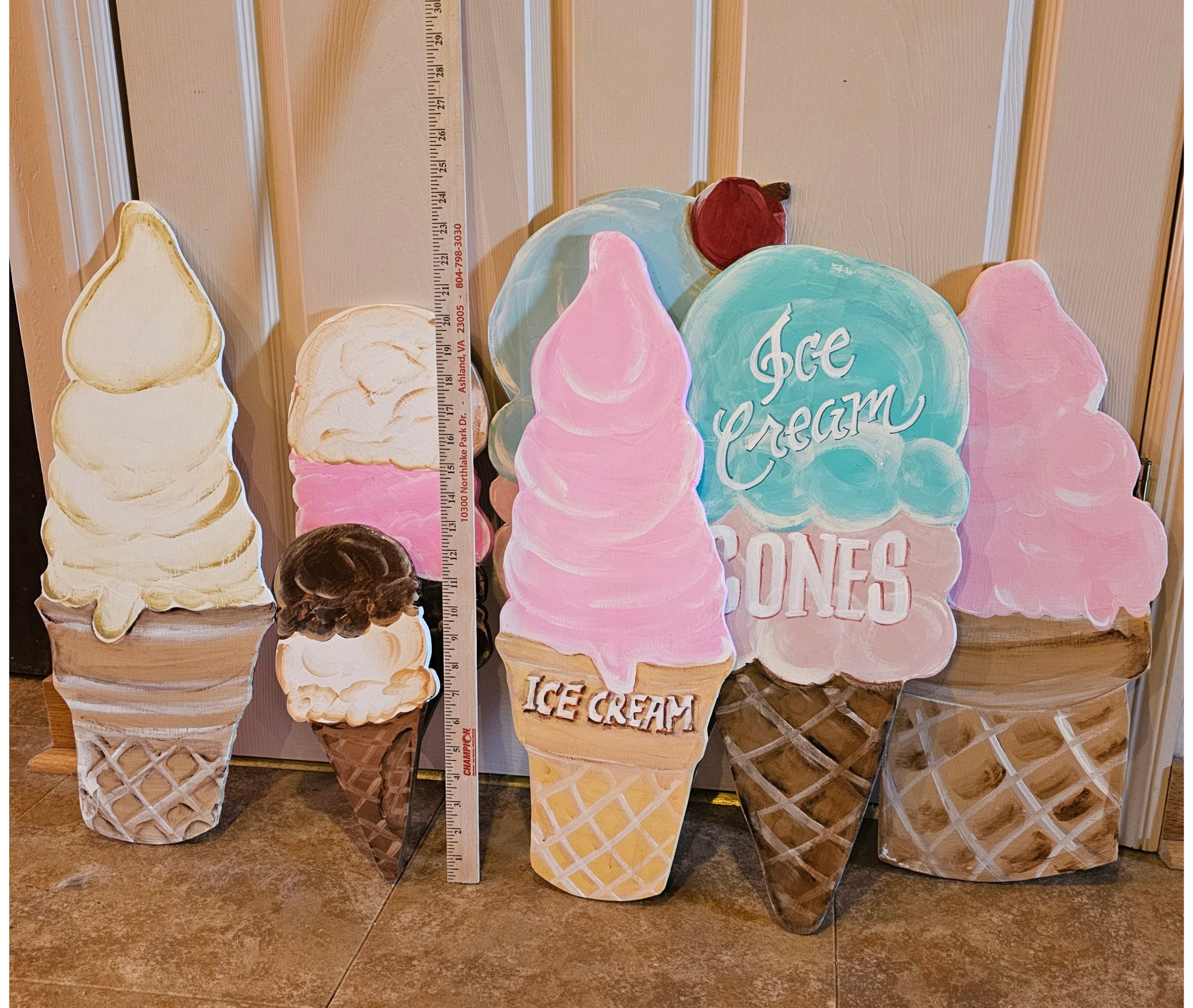
The dip cone flavors landscape encompasses the range of fast-freezing liquid coatings applied to soft-serve ice cream, combining vegetable fat chemistry with distinct flavor profiles. Spanning legacy staples like milk chocolate, cherry, and butterscotch to modern artisanal varieties like salted caramel, matcha, and ube, dip cone coatings rely on low-melting-point fats to harden instantly into a crisp shell upon contact with cold ice cream.
The Science Behind Hard Shell Dip Coatings
To understand the diversity of dip cone flavors, one must first examine the physical chemistry that allows liquid dipping sauces to transform into a hard, crackable shell within seconds. Unlike standard chocolate syrups or dessert drizzles, dip cone coatings rely on specialized lipid (fat) matrices designed to undergo rapid phase transitions when exposed to frozen temperatures.
The Role of High-Lauric Fats
The foundation of virtually every commercial dip cone coating is a high-lauric fat, predominantly refined coconut oil or palm kernel oil. Lauric fats possess a exceptionally sharp melting curve. At room temperature or slightly elevated holding temperatures—typically between 95°F and 105°F (35°C to 40°C)—these fats remain completely liquid with low viscosity.
When cold soft-serve ice cream (dispensed at approximately 18°F to 21°F / -6°C to -8°C) is submerged into the dip, heat transfers rapidly from the warm oil into the frozen ice cream. As the temperature of the oil drop below its solid fat content (SFC) threshold—usually around 75°F to 78°F (24°C to 25°C)—the fat molecules undergo rapid crystallization. This phase change freezes the liquid coating into a solid, hydrophobic lattice that encloses the soft serve.
- Liquid Coating Held in Pot Warmer (95°F - 105°F / 35°C - 40°C)
- Frozen Soft Serve Dip (-6°C to -8°C / 18°F to 21°F)
- Rapid Heat Exchange: Thermal Transfer into Ice Cream Core
- Lauric Fat Crystallization (< 78°F / 25°C): Rigid Shell Formed
Sugar Dispersion and Viscosity Control
Beyond the fat base, dip cone formulas contain finely ground solid particles, including micro-milled sugar, cocoa powder (for chocolate variants), milk solids, and oil-soluble flavoring agents. Water-based ingredients must be strictly avoided; even a fraction of a percent of free water entering the dip pot can cause the hydrophobic fat matrix to seize, creating a lumpy, unusable paste instead of a smooth liquid.
The particle size of the suspended solids directly influences the tactile experience of the crackable shell:
- Micro-milled sugars (under 20 microns) yield a silky, melt-in-the-mouth texture once bitten.
- Coarser dispersions create a waxy, thick shell that feels heavy on the palate and resists clean cracking.
Mapping the Flavor Spectrum: Traditional Classics to Contemporary Trends
The dip cone flavors landscape can be divided into distinct functional categories based on flavor chemistry, color appeal, and market positioning.
- Legacy Classics
- Milk/Dark Chocolate
- Classic Cherry
- Warm Butterscotch
- Blue Raspberry
- Modern Innovations
- Salted Caramel
- Cookie Butter & Ube
- Matcha & Pistachio
- Spicy Chili Chocolate
1. Legacy Standards
Legacy flavors form the core volume of the commercial ice cream, concession, and quick-service restaurant (QSR) sectors. Their enduring popularity is rooted in high visual contrast and nostalgic sensory expectations.
- Chocolate (Dark, Milk, and White): Chocolate remains the baseline standard for dip coatings. Formulated with cocoa mass, cocoa butter alternatives, and lecithin emulsifiers, chocolate dips provide a balance of bitterness and sweetness. Dark chocolate formulations rely on higher cocoa solids to offset the sweetness of vanilla soft serve, while milk chocolate variants incorporate whey or skim milk powder for a softer snap and creamier mouthfeel.
- Cherry: Instantly recognizable by its vivid red hue, classic cherry dip utilizes synthetic or natural esters (such as benzaldehyde for a maraschino profile) paired with oil-soluble red lakes (such as Red 40 or natural beet/paprika extracts). Cherry dips deliver a tart, fruity contrast to dairy bases.
- Butterscotch: Formulated with caramelized sugar flavor notes, brown sugar derivatives, and dairy milk solids, butterscotch provides a rich, buttery aroma and a characteristic golden-amber finish.
- Blue Raspberry: Popularized in amusement parks and seasonal stands, blue raspberry relies on bright aesthetic appeal and bright synthetic acid notes to attract younger demographics.
2. Contemporary & Gourmet Flavors
As consumer preferences lean toward elevated sensory experiences and premium ingredients, independent parlors and QSR chains have expanded their dip dip menus to include artisanal variations.
- Salted Caramel: Blending cooked-sugar aromatics with sea salt particulates or oil-soluble salt preparations, salted caramel creates a sweet-and-savory profile. The added salt enhances the perceived richness of the soft-serve dairy fat.
- Peanut Butter & Nut Spreads: Utilizing real peanut flour or de-oiled nut pastes suspended in hydrogenated vegetable oils, nut dips offer a high-protein, aromatic shell with a slightly denser bite than fruit dips.
- Cookie Butter (Speculaas): Incorporating finely ground spiced biscuit flavors (cinnamon, nutmeg, clove, brown sugar), cookie butter dips provide a complex spiced aromatic profile that pairs exceptionally well with neutral vanilla or cinnamon soft serve.
- Botanicals (Matcha green tea, Lavender, Ube): Modern craft parlors use natural plant extracts and finely pulverized teas or tubers (such as purple yam/ube) to create visually striking pastel shells with herbal, floral, or earthy taste profiles.
3. Novelty, Inverted, and Textured Shells
A growing segment of the flavor landscape integrates texture-enhancing inclusion particles directly into the dip matrix or uses post-dip toppings.
- Crunch & Inclusion Dips: Formulated with micro-bits of toasted coconut, crushed waffle cones, pretzel bits, or puffed rice, these coatings introduce an audible crunch alongside the traditional shell crack.
- Spicy & Botanical Heat: Infusions of habanero, ancho chili, or Mexican cinnamon into dark chocolate dips create multi-stage flavor release, where the initial cold sweetness yields to a gentle throat heat.
Equipment, Operational Mechanics, and Temperature Management
Successfully delivering dip cone coatings in a commercial food service environment requires precise operational protocols. Unlike standard hot fudges that rely solely on thermal retention, dip cone coatings require careful temperature regulation to maintain optimal fluidity without scorching the oil base.
Dip Warmers and Heating Units
Commercial dip coatings are typically supplied in #10 cans (approx. 3.3 to 3.5 kg / 7.5 to 8 lbs) or bulk 10 lb to 50 lb pails. These containers are placed inside specialized, dry-heat or water-bath dip well warmers.
| Parameter | Value |
|---|---|
| Target Holding Temperature | 95°F – 105°F (35°C – 40°C) |
| Soft Serve Ambient Temp | 18°F – 21°F (-6°C – -8°C) |
| Hardening / Setting Time | 5 – 12 Seconds |
| Stirring Frequency | Every 30–60 Minutes |
- Temperature Control: Holding dip coatings below 90°F (32°C) can cause partial crystallization inside the warmer, resulting in an overly thick coating that yields fewer dips per container and creates a heavy, greasy shell. Conversely, overheating above 115°F (46°C) can melt the soft serve on contact, cause the coating to slide off the ice cream into the dip pot, and degrade delicate flavor aromatics.
- Agitation: Because solid particulates (cocoa powder, flavor pigments, nut solids) tend to settle over time, operator procedures require periodic stirring with a clean, dry spatula every 30 to 60 minutes to maintain uniform viscosity and flavor concentration.
The Dipping Sequence
Executing the perfect dip cone requires refined technique to ensure even coverage and prevent ice cream detachment:
- Draw and Shape: Dispense soft serve onto the cone with a firm, centered base, building a tight spiral structure. The ice cream must be cold and firm; soft or air-starved product will collapse under the weight of the liquid dip.
- Inversion and Submersion: Invert the cone cleanly and plunge it straight down into the warm liquid until the soft serve is completely submerged up to the rim of the cone. Avoid tilting or side-to-side sweeping, which introduces air pockets.
- Dwell Time: Retain the soft serve in the dip for no longer than 1 to 2 seconds. Extended immersion heats the outer surface of the soft serve, breaking the bond between the dairy matrix and the fat shell.
- Withdrawal and Drain: Pull the cone straight up out of the dip pot. Hold it inverted over the pot for 2 to 4 seconds, allowing excess liquid to drip off cleanly.
- Upright Rotation: Rotate the cone right-side up. Within 5 to 10 seconds, the glossy liquid will transform into a matte, hardened shell ready for service.
Technical Comparison Matrix of Dip Cone Flavors
The table below compares the technical specifications, setting profiles, operational considerations, and sensory characteristics across major dip cone flavor categories.
| Flavor Category | Core Lipid & Emulsifier Base | Ideal Holding Temp | Average Setting Time | Shell Hardness / Texture | Primary Operational Considerations |
|---|---|---|---|---|---|
| Dark / Milk Chocolate | Coconut oil, cocoa mass, soybean lecithin | 98°F – 102°F (37°C – 39°C) | 6 – 8 Seconds | Firm, clean snap; smooth melt | Stir frequently to prevent cocoa solids from settling at the bottom. |
| White Chocolate | Coconut oil, cocoa butter, milk solids | 95°F – 98°F (35°C – 37°C) | 8 – 10 Seconds | Moderately firm; creamy mouthfeel | Susceptible to scorching at higher temperatures due to milk sugars. |
| Fruit Flavors (Cherry, Blue Raspberry) | Hydrogenated coconut oil, artificial/natural lakes | 95°F – 105°F (35°C – 40°C) | 5 – 7 Seconds | Crisp, thin shell; brittle snap | High oil clarity required; sensitive to moisture contamination. |
| Butterscotch / Caramel | Coconut oil, caramelized sugar, whey powder | 96°F – 100°F (36°C – 38°C) | 7 – 9 Seconds | Firm, smooth; slight elasticity | Can become viscous if held below 92°F for extended periods. |
| Nut Spreads (Peanut Butter) | Coconut oil, peanut solids, mono- and diglycerides | 100°F – 105°F (38°C – 40°C) | 10 – 12 Seconds | Soft-to-medium snap; dense chew | Requires frequent stirring; higher viscosity yields thicker shell coat. |
| Botanical / Novelty (Matcha, Ube) | Coconut oil, vegetable powders, natural pigments | 95°F – 98°F (35°C – 37°C) | 8 – 10 Seconds | Crisp snap; light texturized powder bite | Sensitive to light degradation; color may fade over long thermal exposure. |
Commercial Economics and Yield Analysis
For concession operators, ice cream parlors, and QSR franchisees, introducing dip cone coatings is a proven method for expanding menu options and driving profit margins. Dip coatings require low capital expenditure while offering high perceived value to the consumer.
Portion Control and Yield Metrics
A standard #10 can containing approximately 7.5 lbs (120 oz / 3.4 kg) of liquid dip coating yields varying portion counts depending on cone sizing, dip temperature, and operator technique:
- Small Cone (3 oz soft serve): Uses approximately 0.35 to 0.45 oz of dip coating. Average yield per #10 can: 267 to 342 servings.
- Medium Cone (5 oz soft serve): Uses approximately 0.50 to 0.65 oz of dip coating. Average yield per #10 can: 184 to 240 servings.
- Large Cone (7 oz soft serve): Uses approximately 0.75 to 0.90 oz of dip coating. Average yield per #10 can: 133 to 160 servings.
Cost Breakdown and Upsell Economics
Consider the following average cost model for integrating hard-shell dip coatings into soft-serve operations:
| Metric | Value |
|---|---|
| Average Bulk Dip Coating Cost (#10 Can) | $28.00 – $38.00 |
| Average Coating Cost Per Portion (Medium Cone) | $0.12 – $0.18 |
| Retail Menu Upsell Surcharge for Dip Coating | $0.75 – $1.50 |
| Direct Gross Profit Margin Per Dip Upsell | 80% – 88% |
Because the dip shell significantly changes the visual presentation and sensory experience of a standard vanilla soft serve, customers routinely accept a premium surcharge. The added revenue from dipping options yields high gross margins, making dip warmers one of the most profitable footprint investments per square foot of counter space in an ice cream shop.
Troubleshooting Common Dip Coating Failures
Proper operation of dip cone equipment requires an understanding of how moisture, temperature, and fat structures interact. Below are common operational failures, root causes, and practical solutions.
1. Shell Cracking, Flaking, or Sliding Off
- Symptom: The dip coating slides off the ice cream into the dip pot during dipping, or cracks and sheds off immediately upon hardening.
- Root Cause: The dip liquid is too hot (over 110°F / 43°C), or the soft-serve ice cream surface is too wet/warm (extruded at temperatures above 23°F / -5°C). The excess heat melts the surface layer of soft serve, preventing the fat shell from anchoring to the dairy matrix.
- Solution: Calibrate the dip warmer thermostat to 98°F – 102°F. Verify soft-serve machine draw temperatures, ensuring the product is sufficiently cold and firm before dipping.
2. Thick, Sluggish, or Heavy Coating
- Symptom: The coating dips thick, creates a heavy layer, drains slowly, and depletes the pot rapidly with low yield per can.
- Root Cause: Operating temperature is too low (below 90°F / 32°C), causing partial crystallization of the lauric fats prior to application. Alternatively, the dip pot has been left open, allowing light volatile components to evaporate.
- Solution: Increase warmer temperature slightly and allow 20 minutes for thermal stabilization. Stir thoroughly to redistribute fat crystals into a uniform liquid phase.
3. Seized, Clumpy, or Pastified Dip Matrix
- Symptom: The smooth dip liquid suddenly thickens into a grainy, dull paste that cannot be restored by heating.
- Root Cause: Water contamination. Even a micro-droplet of condensation, steam, or water from a wet spatula causes sugar particles suspended in the oil to bind together, separating from the fat matrix.
- Solution: Water-seized dip cannot be restored with heat. Discard the seized batch, thoroughly clean and dry the dip well pot, ensure all equipment is 100% moisture-free, and refill with fresh coating.
4. Tacky, Soft, or Non-Hardening Finish
- Symptom: The dip coating remains glossy, soft, and tacky, failing to form a firm, crackable shell even after 30 seconds.
- Root Cause: Incorrect oil formulation (e.g., mixing non-lauric vegetable oils or hot fudge topping into the dip pot) or dipping onto warm, soft serve product.
- Solution: Ensure pure, unadulterated dip formulations designed for quick freezing are used. Never mix standard chocolate syrups or wet toppings into a lauric dip well.
Frequently Asked Questions
What makes dip cone coatings harden so quickly on ice cream?
Dip cone coatings are formulated using high-lauric vegetable oils, primarily refined coconut oil or palm kernel oil. These fats have a narrow, sharp melting point range around 75°F to 78°F (24°C to 25°C). When liquid dip held at ~100°F comes into contact with frozen soft-serve ice cream held at ~18°F, rapid heat transfer cools the oil below its solidification point almost instantly, forming a firm fat-crystal shell within 5 to 10 seconds.
Can you melt real chocolate bars to create a functional cone dip?
Standard chocolate bars or chocolate chips cannot be melted alone to create an effective dip cone coating. Pure chocolate relies on cocoa butter, which crystallizes slowly and becomes thick and viscous when melted, creating a heavy, uneven coat that takes several minutes to harden. To make a functional cone dip, chocolate must be combined with a high percentage of refined coconut oil to lower viscosity and achieve rapid freezing properties.
What is the ideal holding temperature for a dip cone pot warmer?
The optimal holding temperature for most commercial dip cone coatings is between 95°F and 105°F (35°C to 40°C). Holding temperatures below 90°F cause the coating to become excessively thick, reducing service yield, while temperatures above 110°F melt the outer layer of soft serve, causing the shell to slide off the cone.
Why did my dip coating seize and become a thick, clumpy paste?
Dip coatings seize when water or steam enters the dip pot. Because cone dips are hydrophobic oil-based suspensions containing finely ground sugar and dry solids, introducing even small amounts of moisture causes the sugar particles to clump together and separate from the oil matrix. To prevent seizing, always ensure spoons, spatulas, and dip pots are completely dry before coming into contact with the dip.
Are dip cone coatings dairy-free or vegan-friendly?
Some dip cone coatings are naturally dairy-free and vegan, but it depends on the specific flavor and formulation. Pure dark chocolate, cherry, blue raspberry, and toasted coconut dips made solely with coconut oil, sugar, cocoa powder, and artificial/natural colors are frequently dairy-free. However, milk chocolate, white chocolate, salted caramel, and butterscotch variants typically contain dry milk solids, whey, or butter derivatives. Always check the manufacturer's ingredient declaration for allergen status.
Operational Recommendations for Parlor & Foodservice Operators
To build a successful dip cone program:
- Standardize Temperature Control: Equip dip warmers with accurate digital probes. Verify that dip wells hold between 95°F and 105°F at the start of every shift.
- Implement Water Mitigation Protocols: Keep dip pots situated away from steam tables, soft-serve wash stations, and sink areas. Mandate that staff use dedicated, dry rubber spatulas for stirring.
- Curate a Balanced Flavor Menu: Offer a core foundation of classic flavors (Chocolate and Cherry) alongside high-margin, trending options (Salted Caramel or Cookie Butter) to capture both nostalgic demand and modern culinary interest.
- Train Staff on Proper Technique: Ensure operators follow the 2-second dip and 4-second invert-drain process to optimize shell thickness, presentation, and dip yield.
Image Gallery
Select an image to open it in a new tab.

Omar Farooq
EdTech Innovation and Virtual Pedagogy Journalist
