Navigating the PE Mechanical Engineering Licensure Process: A Comprehensive Guide
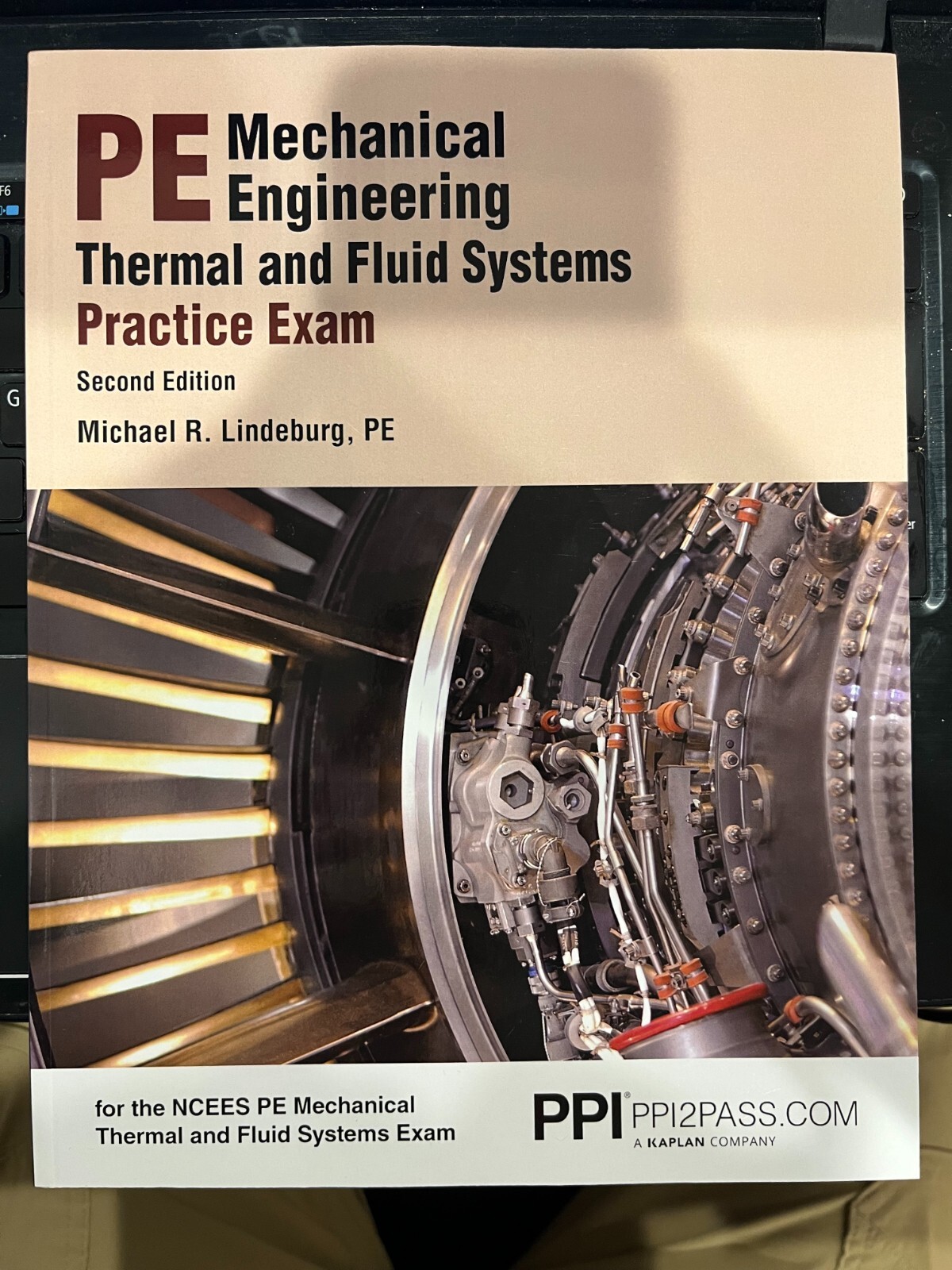
The Principles and Practice of Engineering (PE) Mechanical exam is a professional licensure examination administered by the National Council of Examiners for Engineering and Surveying (NCEES). Earning a PE license is a significant career milestone for mechanical engineers, as it grants the legal authority to sign and seal engineering drawings, bid on government contracts, and provide professional services directly to the public.
The Significance of the PE License in Mechanical Engineering
The PE license represents the highest standard of competence in the engineering profession. Unlike the Fundamentals of Engineering (FE) exam, which focuses on the academic principles learned during an undergraduate degree, the PE exam assesses a candidate’s ability to apply those principles to real-world, complex engineering problems.
In the United States, engineering licensure is regulated at the state level by individual licensing boards. While the NCEES develops the uniform exam, each state has its own unique requirements regarding work experience and additional qualifications. Holding a PE license often leads to increased professional responsibility, higher compensation potential, and greater job security, particularly in sectors such as HVAC, power generation, machine design, and manufacturing.
Understanding the Eligibility Requirements
Before you can register for the PE Mechanical exam, you must satisfy specific criteria set by your state’s board of licensure. While requirements vary by jurisdiction, the standard pathway includes three primary components:
- Education: You must hold a degree from an engineering program accredited by the Engineering Accreditation Commission of ABET (EAC/ABET). If your degree is from an international program or a non-accredited program, you may need to have your academic credentials evaluated by a third party to determine equivalency.
- Examination: You must have successfully passed the FE exam. This remains the prerequisite for the PE exam across almost all jurisdictions.
- Experience: This is the most variable requirement. Most states require at least four years of progressive, post-graduation work experience under the supervision of a licensed Professional Engineer. Some jurisdictions may credit advanced degrees, such as a Master’s or PhD in engineering, toward this experience requirement, provided the curriculum meets specific criteria.
It is critical to consult the website of your state board of licensure for professional engineers and land surveyors well before you intend to sit for the exam. Ensure that your work experience is documented in detail, as boards may audit your experience records during the application process.
Exam Formats and NCEES Specifications
As of 2026, the PE Mechanical exam is a computer-based test (CBT) administered year-round at approved Pearson VUE test centers. The exam consists of 80 questions and has a total appointment time of 9.5 hours, which includes a tutorial, an optional scheduled break, and the actual exam time.
The NCEES offers three distinct variations of the PE Mechanical exam, allowing candidates to select the one that most closely aligns with their professional expertise:
- Mechanical: HVAC and Refrigeration: Focuses on heat transfer, thermodynamics, psychrometrics, and system design for climate control.
- Mechanical: Machine Design and Materials: Emphasizes stress analysis, failure modes, kinematics, and mechanical component selection.
- Mechanical: Thermal and Fluid Systems: Covers fluid mechanics, heat transfer, power cycles, and energy conversion systems.
Candidates should carefully review the specific "Exam Specifications" provided by NCEES for their chosen discipline. These documents outline the knowledge areas and the approximate percentage of the exam dedicated to each topic, providing a structured roadmap for your study plan.
Strategic Preparation and Study Techniques
Because the PE exam is a breadth-and-depth assessment, preparation requires more than simple rote memorization. You must be comfortable navigating the NCEES PE Mechanical Reference Handbook. During the exam, this is the only reference material you will have access to on-screen; therefore, you must become intimately familiar with its layout, formulas, and data tables.
Recommended Study Steps:
- Obtain the Handbook: Download the official NCEES PE Mechanical Reference Handbook early. Use it as your primary resource for solving practice problems so that you become fast and accurate at finding information within it.
- Diagnostic Testing: Take a full-length NCEES practice exam early in your study phase. This will highlight your strengths and reveal specific knowledge gaps, allowing you to allocate your study time more efficiently.
- Problem-Based Learning: Focus on solving problems rather than passively reading textbooks. The PE exam is heavily quantitative, and your ability to set up equations and perform unit conversions quickly is a key determinant of success.
- Simulate Exam Conditions: In the weeks leading up to your test date, practice solving problems in a quiet environment without distractions. Practice managing your time per question—typically six minutes per problem—to ensure you do not get stuck on a single difficult question.
Comparison of Exam Disciplines
Selecting the right discipline is essential for maximizing your chances of passing. Your choice should be based on your actual work experience rather than which exam is perceived as "easier."
| Feature | HVAC and Refrigeration | Machine Design and Materials | Thermal and Fluid Systems |
|---|---|---|---|
| Primary Focus | Systems & Controls | Mechanisms & Structures | Energy & Fluids |
| Common Tools | Psychrometric Charts | Failure Theories/FEA | Power Cycle Diagrams |
| Key Industries | Building Construction | Manufacturing/Robotics | Power/Process Plants |
| Math Complexity | Moderate | High (Stress/Strain) | High (Calculus/Thermodynamics) |
Common Pitfalls and Troubleshooting
Many candidates struggle with the time constraints of the exam. A common mistake is attempting to solve problems using outside references or personal notes. Remember that on exam day, you will not have access to your textbook library; you must rely exclusively on the digital NCEES reference document.
Another frequent issue is failing to pay attention to units. The exam often uses both US Customary and SI units. A common trap in multiple-choice engineering questions is to include the incorrect answer derived from an improper unit conversion. Always perform a "sanity check" on your units before selecting your final answer.
If you encounter a particularly difficult question, do not spend excessive time on it. Flag it for review and move on to the next problem. It is better to answer all questions you are confident in first, then return to the challenging ones at the end of the session.
Ongoing Licensure Maintenance
Once you pass the exam and receive your license, the responsibility does not end. Professional Engineers are required to maintain their licensure through Continuing Professional Development (CPD) or Professional Development Hours (PDH).
Most states require a certain number of hours of continuing education every biennial or triennial renewal cycle. These hours must typically be earned through technical seminars, professional courses, or participation in engineering society activities that maintain or improve your knowledge base. Failure to document these hours can result in the suspension or revocation of your license. Furthermore, licensees are bound by a code of ethics that prioritizes the health, safety, and welfare of the public above all other considerations.
Frequently Asked Questions
1. Can I use my own calculator during the PE exam? Yes, but you must use one of the approved models listed by NCEES. These calculators are restricted to prevent the storage of large amounts of data. Be sure to check the current year’s list on the NCEES website to confirm your model is permitted.
2. How many times can I take the PE exam? This is determined by your state licensing board. Some states allow unlimited attempts, while others may require you to submit a formal request for permission or complete additional coursework if you fail the exam a certain number of times.
3. Is it necessary to join an engineering society like ASME? While not a requirement for licensure, membership in societies like the American Society of Mechanical Engineers (ASME) provides valuable networking, access to standards, and continuing education opportunities that help you maintain your professional practice.
4. Does a PE license transfer between states? Yes, through a process called "comity" or "reciprocity." Once you are licensed in one state, you can typically apply for licensure in another state by demonstrating that you meet their requirements. The NCEES Records program can streamline this process by maintaining your verified education, exam, and experience records.
5. What is the difference between the FE and PE exams? The FE exam is designed for students who are near the end of their degree or recent graduates, focusing on academic fundamentals. The PE exam is designed for practicing engineers with several years of experience, focusing on the application of engineering judgment and design standards.
Next Steps for Aspiring Professionals
If you are currently pursuing your PE license, your immediate action should be to create an account on the NCEES website and verify the specific requirements for your jurisdiction. Request your official transcript and ensure your experience record is being tracked. If you have been working for several years, reach out to current PEs in your organization to ask about their experience during the application and testing process.
Licensure is a long-term commitment that marks your transition from an engineer-in-training to a fully recognized professional. By systematically preparing for the exam and adhering to the ethical standards of the profession, you secure your place within a respected community of experts dedicated to the advancement of mechanical engineering.

Image Gallery
Select an image to open it in a new tab.
Vivian Cho
Executive IT and Emerging Technologies Reporter
