Exploring the Imperial Palace of Vienna: A Complete Guide to the Hofburg in 2026
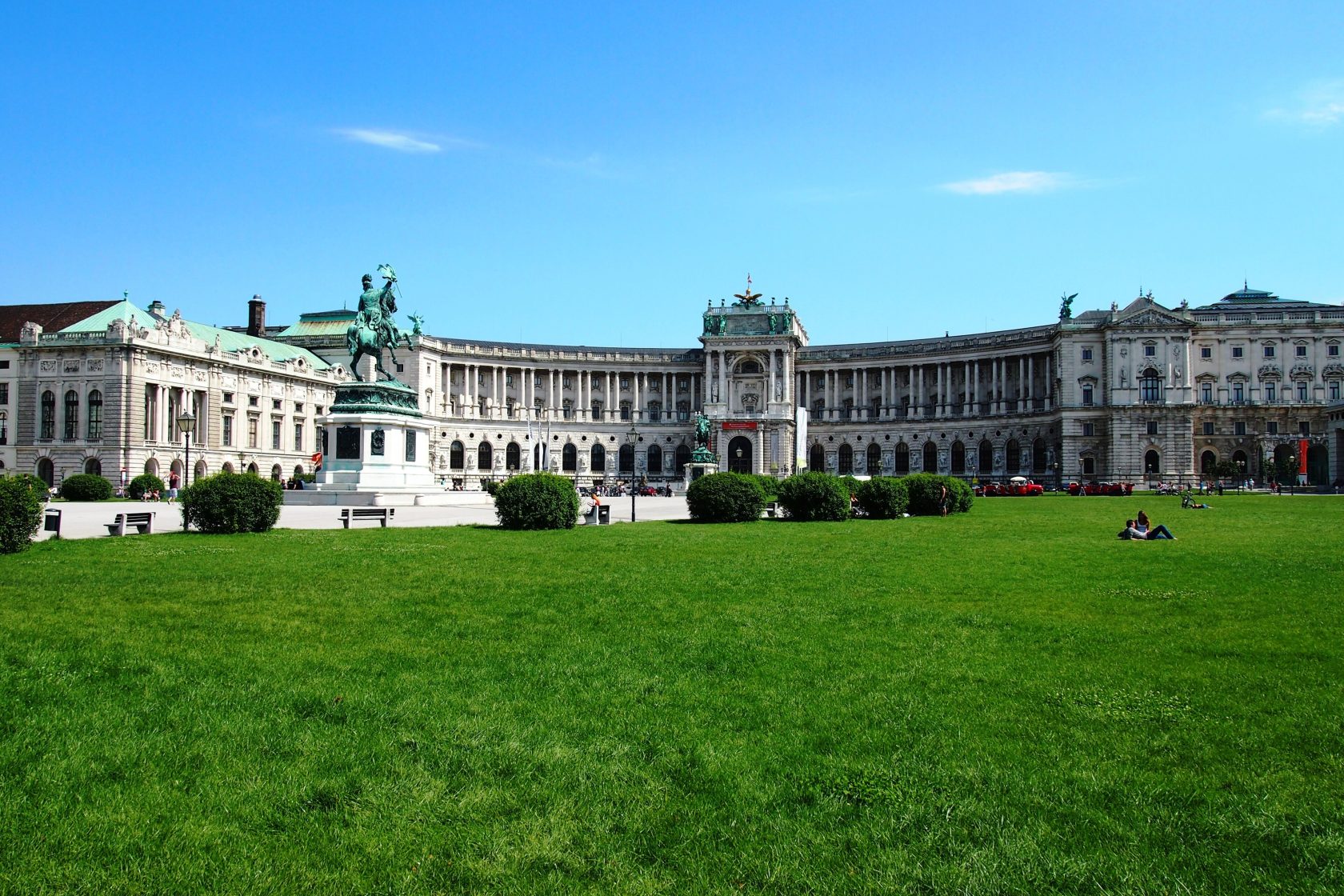
The Imperial Palace of Vienna, known as the Hofburg, serves as the historic seat of the Habsburg dynasty and the current official residence and workplace of the President of Austria. To visit effectively in 2026, you must navigate a vast complex of 2,600 rooms across 18 wings, prioritizing the Sisi Museum, the Imperial Treasury, and the Spanish Riding School for a comprehensive experience of European imperial history.
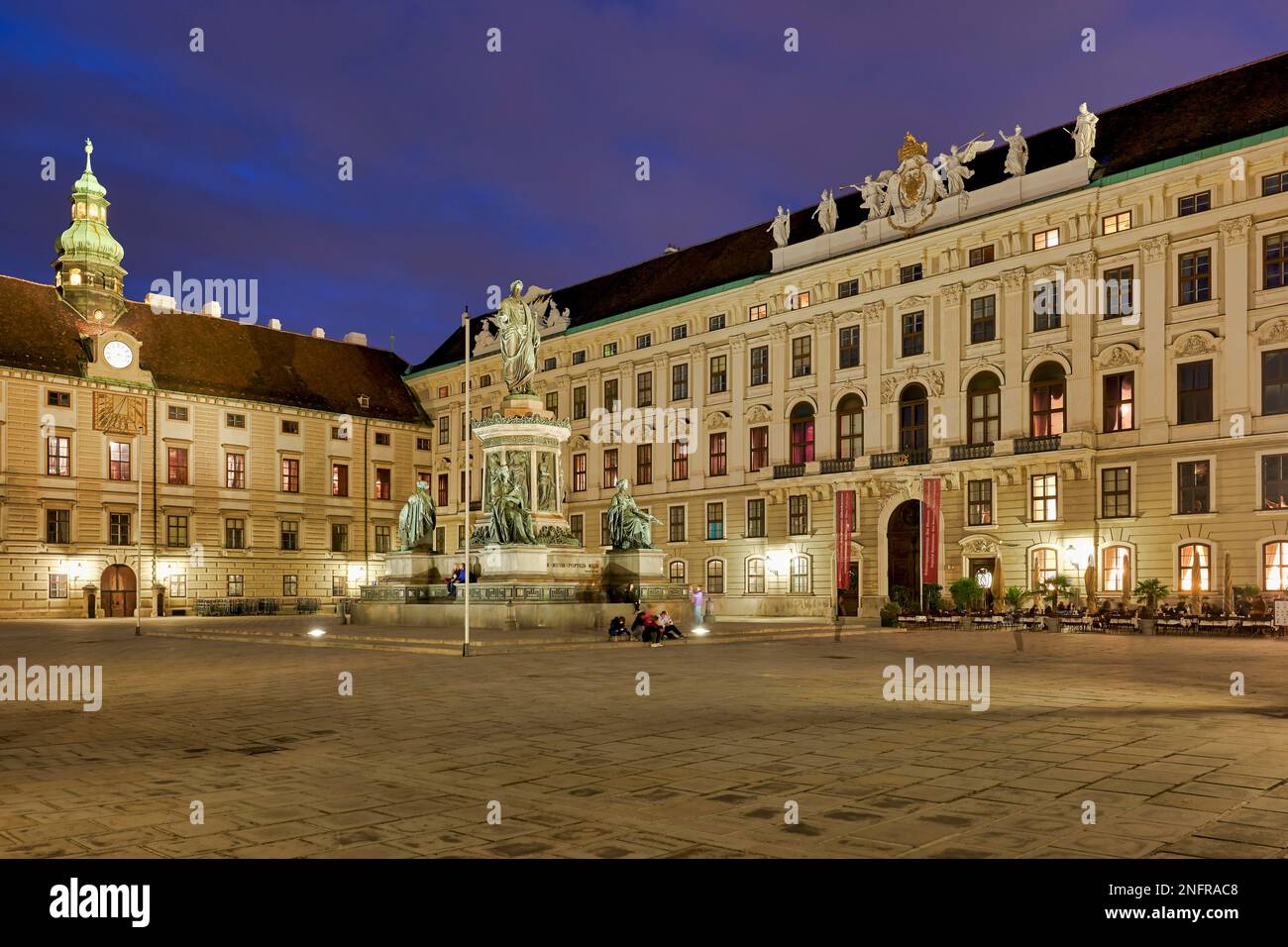
The Hofburg is not a single building but a sprawling "city within a city" that reflects seven centuries of architectural evolution. From its 13th-century origins as a medieval fortress to its 20th-century status as the "New Burg" (Neue Burg), the palace has been the epicenter of the Holy Roman Empire and later the Austro-Hungarian Empire. Understanding the layout and the specific cultural institutions housed within its walls is essential for any visitor or historian.
The Core Experience: The Sisi Museum and Imperial Apartments
For most visitors in 2026, the primary point of entry into the imperial lifestyle is the combination of the Sisi Museum, the Imperial Apartments, and the Silver Collection. These three exhibits are usually bundled into a single ticket and provide a deep look into the private and public lives of Emperor Franz Joseph I and Empress Elisabeth (Sisi).
The Sisi Museum: Deconstructing a Legend
The Sisi Museum, located in the Stephan Apartments, focuses on the enigmatic life of Empress Elisabeth. Unlike the romanticized "Sissi" films of the 1950s, this museum utilizes a sophisticated curation strategy to show the Empress’s complex personality, her obsession with beauty, her rigorous exercise regimes, and her eventual withdrawal from court life.
Key artifacts include:
- The reconstruction of the dress she wore on the eve of her wedding.
- Her travel medicine chest, highlighting her preoccupation with health and aesthetics.
- The black coat used to cover her after her assassination in Geneva in 1898.
The Imperial Apartments
The Imperial Apartments offer a stark contrast between the austere, duty-bound life of Franz Joseph and the aesthetic preferences of his wife. Franz Joseph’s study is a highlight, featuring his simple iron campaign bed—a testament to his self-perception as the "first servant of the state." In contrast, Elisabeth’s dressing and exercise room contains the actual wooden gymnastics equipment she used to maintain her legendary 20-inch waistline. These rooms are preserved with original furniture and wall coverings (primarily red silk damask or white-and-gold rococo stuccowork), providing an authentic 19th-century atmosphere.
The Silver Collection (Silberkammer)
The Silver Collection is often underestimated but provides critical insight into the logistical scale of imperial court life. As of 2026, the collection remains one of the world's most significant troves of dining culture artifacts. It displays the immense "Grand Vermeil Service," a gilded silver set designed for 140 guests, and the Milan Centerpiece, which stretches nearly 30 feet long.
The collection serves a technical purpose beyond mere display; it illustrates the transition from "Service à la française" (where all dishes are placed on the table at once) to "Service à la russe" (where dishes are served sequentially), a shift that redefined European dining etiquette in the mid-19th century.

The Imperial Treasury (Schatzkammer)
Located in the Schweizerhof (Swiss Court), the oldest part of the palace, the Imperial Treasury is arguably the most historically significant wing of the Hofburg. It is divided into the Secular Treasury and the Ecclesiastical Treasury.
Highlights of the Secular Treasury
The Secular Treasury houses the insignias of the Holy Roman Empire and the Austrian Empire.
- The Imperial Crown of the Holy Roman Empire: Dating back to the 10th century, this octagonal crown is a masterpiece of medieval goldsmithing.
- The Austrian Imperial Crown: Made in 1602 for Rudolf II, it later became the official crown of the Austrian Empire in 1804.
- The Spear of Destiny: A relic claimed to be the spear that pierced the side of Christ, which held immense symbolic power for medieval rulers.
The Ecclesiastical Treasury
This section contains a vast array of liturgical vestments, reliquaries, and altars. The craftsmanship involved in the "Order of the Golden Fleece" vestments demonstrates the height of Burgundian embroidery and the immense wealth of the Habsburg-Lorraine house.
The Spanish Riding School and the Lipizzaners
The Spanish Riding School, a UNESCO Intangible Cultural Heritage, operates within the Hofburg complex. The Winter Riding School, designed by Joseph Emanuel Fischer von Erlach, is a masterpiece of Baroque architecture. In 2026, the school continues its tradition of "High School" classical dressage, a training system that takes years for both stallion and rider to master.
Visitors can choose between:
- Morning Exercise: A training session with music where younger stallions and fully trained "School Stallions" practice their movements.
- Gala Performances: The full display of classical dressage, including the "Airs Above the Ground" (jumps like the Levade and Capriole).
- Guided Tours: These offer access to the stalls in the Stallburg, the oldest Renaissance building in Vienna.
The Austrian National Library (Prunksaal)
The State Hall (Prunksaal) of the Austrian National Library is frequently cited as one of the most beautiful library halls in the world. Built in the 18th century, it houses over 200,000 volumes, including the library of Prince Eugene of Savoy. The architecture is a "Gesamtkunstwerk" (total work of art), combining frescos by Daniel Gran, marble statues, and walnut bookcases. In 2026, the library continues to host temporary exhibitions that utilize its extensive collection of globes, papyri, and musical scores.
Architectural Evolution and the "New Burg"
The Hofburg’s architectural history is a timeline of European styles.
- The Swiss Wing (Schweizertrakt): Features the 16th-century Swiss Gate (Schweizertor) in Renaissance style.
- The Leopoldine Wing: Now the office of the President, representing the Baroque expansion of the 17th century.
- The Michaelertrakt: The iconic curved facade facing Michaelerplatz, completed in the late 19th century in the Neo-Baroque style.
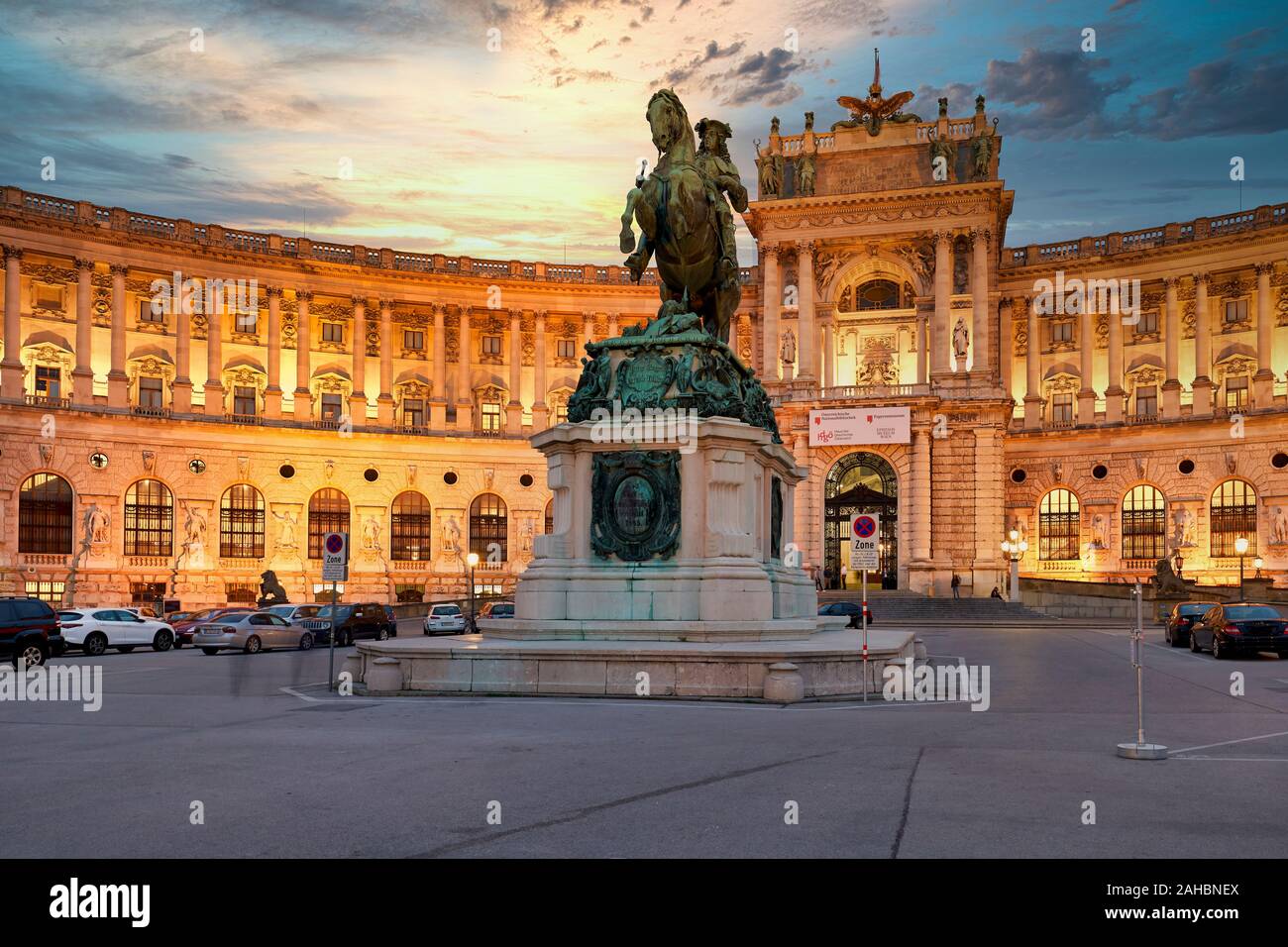
- The Neue Burg (New Burg): This massive crescent-shaped wing on Heldenplatz was intended to be part of a "Kaiserforum" that was never fully completed due to the fall of the monarchy in 1918. Today, it houses the Ephesos Museum, the Collection of Historic Musical Instruments, and the Imperial Armoury.
2026 Visitor Logistics and Planning
Visiting the Hofburg requires strategic planning because the various museums have separate entrances and often require different tickets.
Comparison of Hofburg Ticket Options
| Ticket Type | Coverage | Best For |
|---|---|---|
| Sisi Museum Ticket | Sisi Museum, Imperial Apartments, Silver Collection | First-time visitors interested in the monarchy. |
| Imperial Treasury Ticket | Secular and Ecclesiastical Treasuries | History buffs and those interested in medieval artifacts. |
| Sisi Ticket (Combined) | Hofburg (Sisi/Apartments), Schönbrunn Palace, Furniture Museum | Visitors staying in Vienna for 3+ days. |
| National Library Ticket | State Hall (Prunksaal) only | Photography and architecture enthusiasts. |
| Spanish Riding School | Morning Exercise or Performance | Equestrian and Baroque art fans. |
Access and Timing
- Location: The palace is centrally located in the First District (Innere Stadt). The main entrance for the Sisi Museum is under the Michaelertor dome.
- Operating Hours: Generally 9:00 AM to 5:30 PM (or 6:00 PM in peak summer months).
- Security: As the seat of the Federal President, security is present but discrete. Large bags must be checked.
- Photography: Usually permitted without flash in most areas, but strictly prohibited during Spanish Riding School performances.
The Cultural Significance of Heldenplatz
Heldenplatz (Heroes' Square) is the massive open space in front of the Neue Burg. It is flanked by two monumental equestrian statues: Archduke Charles and Prince Eugene of Savoy. In 2026, Heldenplatz remains a site of national reflection. It was the location of the 1938 announcement of the "Anschluss" (annexation by Nazi Germany), a dark chapter that Austria acknowledges through various memorial markers and educational programs nearby.
Frequently Asked Questions
Is the Hofburg the same as Schönbrunn Palace?
No. The Hofburg was the winter residence located in the city center, while Schönbrunn was the summer residence located on the outskirts of Vienna. The Hofburg is significantly older and served as the administrative heart of the empire, whereas Schönbrunn was more of a leisure palace with extensive gardens.
Can you see the President of Austria at the Hofburg?
While the President’s office is located in the Leopoldine Wing, the public areas of the museum are separate from the working offices. It is rare for a casual visitor to see the President, though you will see the Austrian and EU flags flying above the wing when the head of state is in residence.
How much time should I allot for a full visit?
To see the Sisi Museum, Treasury, and National Library, you should allow at least 4 to 5 hours. If you add a performance at the Spanish Riding School, you will need a full day. Many visitors split the Hofburg into two half-day visits to avoid "museum fatigue."
Is the Hofburg accessible for visitors with limited mobility?
Yes, most major sections of the Hofburg, including the Sisi Museum and the Imperial Treasury, are equipped with elevators and ramps. However, due to the historic nature of the buildings, some corridors are long, and manual wheelchairs can be borrowed at the ticket counters.
Do I need to book tickets in advance for 2026?
For the Spanish Riding School gala performances and the Sisi Museum during peak months (May–September, December), advanced booking is highly recommended. The Imperial Treasury and the National Library typically have shorter queues and can often be visited with walk-in tickets.
Practical Recommendation for 2026
If you have limited time, prioritize the Imperial Treasury and the Austrian National Library. These two sites offer the highest density of unique, world-class artifacts and architectural grandeur that cannot be replicated elsewhere. If you are interested in the human story of the Habsburgs, the Sisi Museum is essential but should be visited early in the morning to avoid the largest crowds. For those interested in music and ceremony, check the schedule for the Vienna Boys' Choir, who perform during Sunday Mass at the Burgkapelle (Imperial Chapel) within the palace grounds; tickets for this must be booked months in advance.
Image Gallery
Select an image to open it in a new tab.




Zara El-Hashem
Sociocultural Dynamics and Academics Writer
