Understanding the Four Types of Life and Health Insurance Policies

Life and health insurance are the cornerstones of a stable financial plan, providing a safety net against the unpredictable nature of mortality and medical expenses. In 2026, the four primary types of life insurance—Term, Whole, Universal, and Variable—and the four primary health insurance structures—HMO, PPO, EPO, and POS—represent the essential frameworks through which individuals and families manage risk and ensure long-term security.
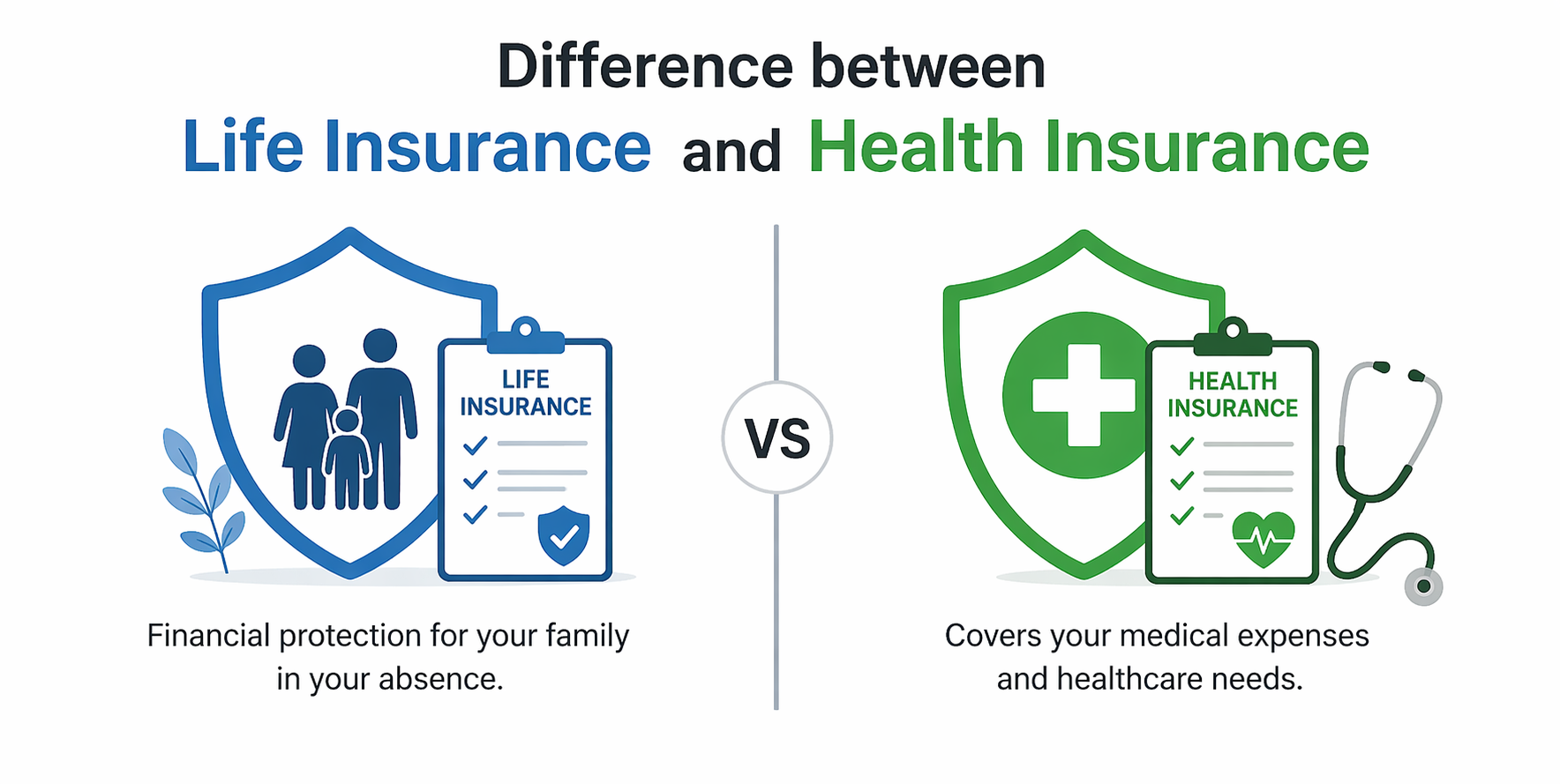
Life insurance is designed to provide financial compensation to beneficiaries upon the policyholder’s death, while health insurance manages the rising costs of medical care, prescriptions, and preventative services. Understanding the nuances of these eight total categories (four in each sector) allows consumers to tailor their coverage to their specific age, health status, and financial goals.
The Four Types of Life Insurance: Protecting Your Legacy
Life insurance is not a one-size-fits-all product. The industry separates policies into two main camps: temporary coverage and permanent coverage. Within these camps lie the four distinct types that dominate the market in 2026.
1. Term Life Insurance
Term life insurance is the most straightforward and cost-effective form of life insurance. It provides coverage for a specific period, usually ranging from 10 to 30 years. If the policyholder passes away during this "term," the insurance company pays a death benefit to the named beneficiaries. If the term expires while the policyholder is still living, coverage ends unless it is renewed or converted.
Why Choose Term Life? The primary draw of term life is its affordability. Because it lacks a savings component and only pays out if death occurs within the window, premiums are significantly lower than permanent policies. In 2026, many families use term life to cover specific "high-need" years, such as the duration of a mortgage or until children graduate from college.
Key Features:
- Level Premiums: Most term policies feature "level" premiums, meaning the cost stays the same for the entire duration.
- Convertibility: Many policies include a rider allowing the holder to convert the term policy into a permanent one without a new medical exam.
- Simplicity: There are no investment sub-accounts or cash value components to manage.
2. Whole Life Insurance
Whole life is the most common form of permanent life insurance. As long as premiums are paid, the coverage remains in effect for the insured’s entire life. Unlike term insurance, whole life includes a cash value component that grows over time at a guaranteed rate.
The Mechanics of Cash Value A portion of every premium payment is funneled into a tax-deferred savings account within the policy. Over several decades, this cash value can be used as collateral for loans or even withdrawn to supplement retirement income. However, it is important to note that loans and withdrawals will reduce the total death benefit if not repaid.
Pros and Cons:
- Pro: Guaranteed death benefit and fixed premiums that will never increase, regardless of age or declining health.
- Con: Significantly higher premiums—often five to ten times more expensive than term life for the same death benefit amount.
3. Universal Life Insurance
Universal Life (UL) is a type of permanent insurance that offers more flexibility than whole life. It allows policyholders to adjust their premium payments and death benefits as their financial circumstances change. Like whole life, it accumulates cash value, but the growth is typically tied to current market interest rates rather than a fixed guarantee.
Flexibility in Action If a policyholder experiences a windfall, they can pay more into the policy to boost the cash value. Conversely, during lean years, they may be able to use the accumulated cash value to cover the premium costs entirely. This "adjustable" nature makes it popular for business owners and individuals with fluctuating incomes.
4. Variable Life Insurance
Variable life insurance is a permanent policy that combines a death benefit with an investment portfolio. The cash value is invested in "sub-accounts," which function similarly to mutual funds. This allows the policyholder to participate in the growth of the stock and bond markets.
The Risk Factor While variable life offers the potential for much higher cash value growth than whole or universal life, it also carries more risk. If the underlying investments perform poorly, the cash value—and in some cases, the death benefit—could decrease. This policy type is regulated as a security in many jurisdictions and is generally recommended for those with a higher risk tolerance and an understanding of market dynamics.
The Four Types of Health Insurance: Managed Care Models
In the United States and similar markets in 2026, health insurance is primarily organized into managed care models. These models dictate which doctors you can see, how much you pay out-of-pocket, and whether you need a referral to see a specialist.
1. Health Maintenance Organization (HMO)
HMOs are designed to keep costs low by limiting coverage to care from doctors who work for or contract with the HMO. It generally won't cover out-of-network care except in an emergency.
The PCP Requirement A defining characteristic of an HMO is the requirement to choose a Primary Care Physician (PCP). This doctor acts as a "gatekeeper" for your health; if you need to see a dermatologist or a cardiologist, you must first get a referral from your PCP. This structure minimizes unnecessary specialist visits, keeping premiums and deductibles lower for the consumer.
2. Preferred Provider Organization (PPO)
PPOs offer the most flexibility of the four types. You pay less if you use providers in the plan's network, but you provide yourself the freedom to see doctors, hospitals, and specialists outside of the network for an additional cost.
Flexibility and Freedom Unlike an HMO, a PPO does not require you to choose a PCP, and you do not need a referral to see a specialist. This is the preferred choice for individuals who travel frequently or those who have specific doctors they wish to keep, regardless of network status. However, this freedom comes with higher monthly premiums and potentially higher deducticles.
3. Exclusive Provider Organization (EPO)
An EPO is a hybrid model. Like a PPO, you generally do not need a referral to see a specialist. However, like an HMO, you are only covered if you use doctors and hospitals within the plan’s network (except for emergencies).
Cost Balance EPOs are often more affordable than PPOs but offer more autonomy than HMOs. They are an excellent middle-ground for people who want the freedom to choose their specialists without the "gatekeeper" referral process, provided they are comfortable staying within a specific network of providers.
4. Point of Service (POS)
A POS plan combines elements of both HMO and PPO plans. Like an HMO, you may be required to designate a Primary Care Physician who coordinates your care. Like a PPO, you have the option to seek care outside of the network.
The Referral Bridge The "Point of Service" refers to the choice you make every time you need care. If you stay in-network and use your PCP, you pay very little. If you go out-of-network, you will handle most of the paperwork yourself and pay a significantly higher share of the cost. In 2026, POS plans are less common than they once were but remain a vital option for those who want a guided care experience with an "emergency exit" for out-of-network needs.
Comparing the Core Insurance Structures
To help visualize the differences between these options, the following table summarizes the primary characteristics of the four life insurance types and the four health insurance types.
Life Insurance Comparison Table (2026 Standards)
| Policy Type | Coverage Duration | Cash Value? | Premium Cost | Key Advantage |
|---|---|---|---|---|
| Term Life | Temporary (10–30 yrs) | No | Lowest | Maximum coverage for the lowest price. |
| Whole Life | Lifelong | Yes (Fixed) | High | Guarantees and predictable growth. |
| Universal Life | Lifelong | Yes (Variable) | Moderate/High | Flexible premiums and death benefits. |
| Variable Life | Lifelong | Yes (Market) | High | Potential for high investment returns. |
Health Insurance Comparison Table (2026 Standards)
| Plan Type | Out-of-Network Coverage? | Referral Needed? | Primary Care Physician? | Cost Level |
|---|---|---|---|---|
| HMO | No (Emergency only) | Yes | Required | Low |
| PPO | Yes | No | Not Required | High |
| EPO | No (Emergency only) | No | Not Required | Moderate |
| POS | Yes | Yes | Required | Moderate |
Critical Factors for Selection in 2026
When choosing between these four types of life and health insurance, several contextual factors must be evaluated. The insurance landscape has evolved to prioritize integrated data and personalized risk assessment.
Evaluating Financial Goals for Life Insurance
For most young professionals in 2026, Term Life Insurance remains the logical choice. It provides the "most bang for the buck" during the years when debt (mortgages/student loans) is high and savings are low. However, high-net-worth individuals often utilize Variable or Whole Life as an estate planning tool, leveraging the tax-deferred growth of the cash value to transfer wealth to heirs more efficiently.
Analyzing Healthcare Utilization for Health Insurance
When selecting a health plan, consider your "utilization rate."
- Low Utilization: If you rarely see a doctor and have no chronic conditions, an HMO or EPO with a higher deductible can save you thousands in annual premiums.
- High Utilization: If you see specialists frequently or have a preferred surgeon, a PPO is almost always worth the higher premium to avoid the logistical hurdles of referrals and network restrictions.
The Role of Riders and Add-ons
In 2026, the lines between life and health insurance are blurring through the use of riders. A "Living Benefits" rider on a life insurance policy, for example, can allow the policyholder to access the death benefit early if they are diagnosed with a terminal or chronic illness. This provides a bridge between the two insurance worlds, offering health-related financial support through a life insurance vehicle.
Common Pitfalls and How to Avoid Them
Even with an understanding of the four types, many consumers make errors during the application process.
- Underestimating the Death Benefit: Many people choose a life insurance amount based on a round number (e.g., $500,000) rather than calculating actual needs. Experts suggest a benefit 10 to 15 times your annual income.
- Ignoring the "Network Gap": In health insurance, a plan might have a great premium, but if the local hospital is out-of-network, an EPO or HMO will leave you with massive bills. Always verify your specific doctors before enrolling.
- Waiting Too Long: In both life and health insurance, your age and current health status are the primary drivers of cost. For life insurance specifically, locking in a rate while young and healthy is the most effective way to manage long-term costs.
- Overlooking Inflation: In 2026, a $1 million policy does not have the same purchasing power it had a decade ago. It is vital to review your coverage every three to five years to ensure it still meets your family's needs.
Frequently Asked Questions
Which type of life insurance is best for a young family?
For most young families, Term Life Insurance is the best option. It allows the family to secure a large amount of coverage (such as $1 million or more) for a very low monthly premium. This ensures that if a parent passes away during the child-rearing years, the mortgage can be paid and college tuition is secured.
Can I switch from an HMO to a PPO?
Yes, but typically only during the Open Enrollment Period or if you experience a Qualifying Life Event (like marriage, birth of a child, or losing other coverage). You cannot switch mid-year simply because you want to see an out-of-network specialist. It is important to plan your health insurance strategy annually.
Does Whole Life Insurance really work as a retirement plan?
While whole life insurance has a cash value component, it should rarely be your only retirement plan. The fees and commissions associated with whole life are often higher than those in a 401(k) or IRA. However, for those who have already maxed out traditional retirement accounts, the tax-deferred growth of whole life can be a useful secondary tool.
What happens if I go out-of-network with an EPO?
With an Exclusive Provider Organization (EPO), if you seek non-emergency care from an out-of-network provider, the insurance company will generally pay nothing. You will be responsible for 100% of the bill. This is why it is critical to confirm that your preferred providers are "In-Network" before signing up for an EPO.
Is Variable Life Insurance safe?
Variable life insurance is considered "higher risk" because your cash value is tied to the stock market. While your death benefit may have a guaranteed minimum, your savings could decrease if the market drops. It is "safe" in terms of the company's ability to pay, but it is not "safe" from market volatility.
Next Steps: Securing Your Coverage
To move forward with selecting the right insurance, start by conducting a needs analysis. For life insurance, calculate your total debts plus the income your family would need to replace for at least ten years. For health insurance, list your current medications and doctors to see which plan network they belong to.
In 2026, many consumers use independent brokers or online comparison tools to view quotes from multiple carriers simultaneously. Whether you choose the affordability of a Term/HMO combination or the flexibility of a Variable/PPO strategy, the most important step is to have some form of coverage in place before a crisis occurs.
For more detailed information on specific regulations and policy protections, you can visit the National Association of Insurance Commissioners (NAIC) or consult the federal Healthcare.gov portal for current health plan standards.
Image Gallery
Select an image to open it in a new tab.

Simon Caldwell
Enterprise Technology and Systems Editor
