
The Fast and the Furious franchise is as renowned for its high-octane automotive action as it is for its influential musical identity. Across eleven major film installments, the series has curated a distinctive blend of hip-hop, reggaeton, electronic dance music, and rock, serving as a cultural barometer for the trends dominating the music industry at the time of each release.
The Evolution of the Fast and the Furious Sound
The musical trajectory of the Fast and the Furious series began in 2001 with a focus on underground street racing culture. The early soundtracks leaned heavily into the West Coast hip-hop and nu-metal scenes that defined the turn of the millennium. As the franchise transitioned from localized street racing to global heist spectacles, the music evolved into a polished, international sound. This shift integrated Latin urban music and global pop, helping to propel artists like Don Omar and Daddy Yankee into mainstream consciousness alongside established industry icons like Ludacris and Pitbull.
To understand the scope of these soundtracks, one must recognize that they function as more than background noise. The music is an essential narrative device that underscores the high-speed choreography, character motivations, and the overarching "family" theme that anchors the series.
Chronological Overview of Key Soundtrack Eras
The franchise soundtracks can be categorized by the shifting sonic palettes of their respective eras.
The Street Racing Origins (2001–2003)
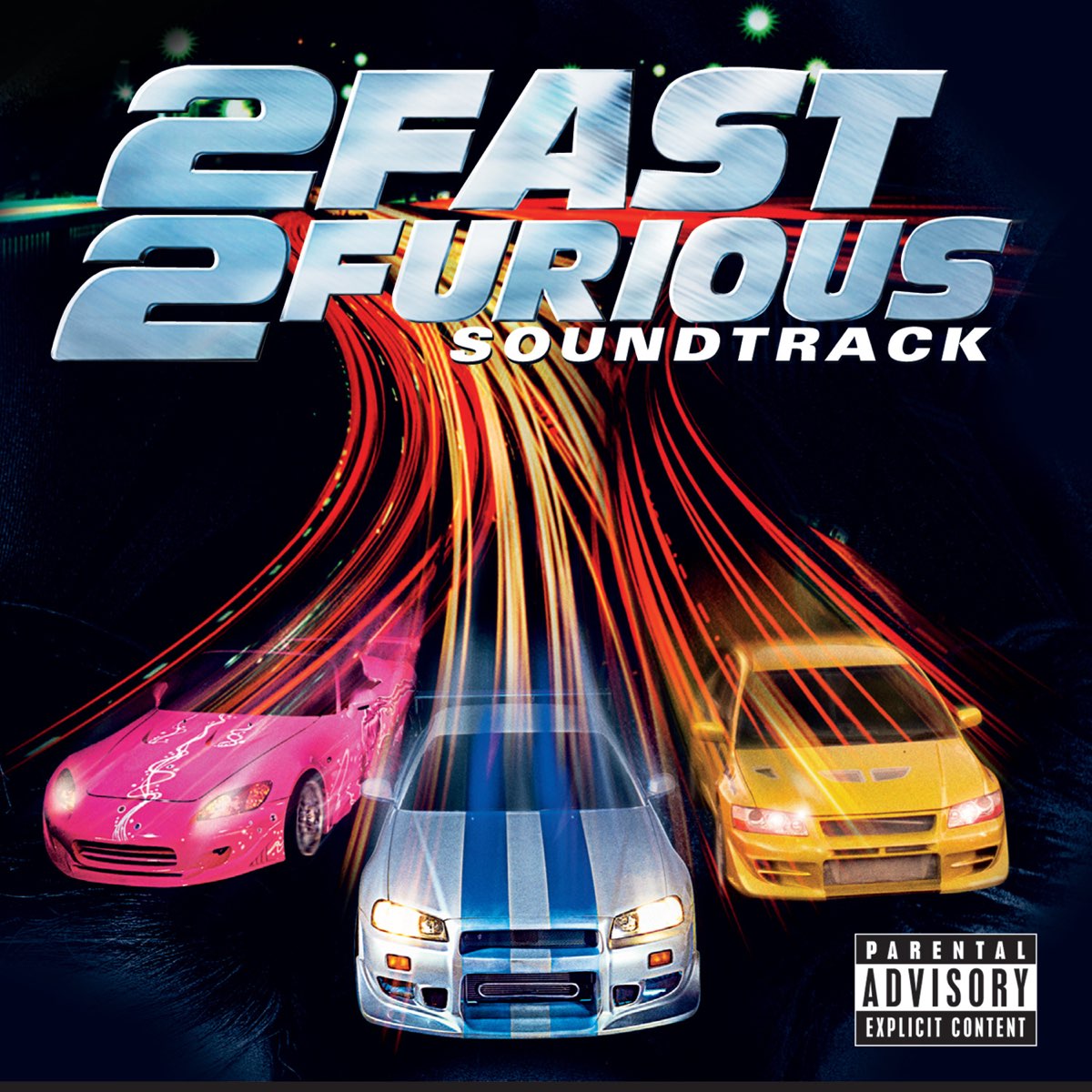
The original The Fast and the Furious (2001) and 2 Fast 2 Furious (2003) captured a specific moment in pop culture. These films introduced audiences to a gritty, high-energy aesthetic. The soundtracks prioritized aggressive beats and rap anthems, exemplified by tracks like "Rollin'" by Limp Bizkit and "Act a Fool" by Ludacris. These songs served to define the underground atmosphere of the Los Angeles and Miami racing scenes, blending mainstream appeal with a subculture-specific edge.
The Global Transformation (2006–2011)
With The Fast and the Furious: Tokyo Drift (2006), the series underwent a significant tonal shift. The soundtrack incorporated Japanese hip-hop and electronic music, highlighted by the iconic theme song by Teriyaki Boyz. By the time Fast Five (2011) arrived, the franchise had moved toward a more diverse, world-music-infused pop sound. "Danza Kuduro" became a global phenomenon, signaling the series' intent to mirror its international film locations through its musical choices.
The Modern Blockbuster Era (2013–2026)
From Fast & Furious 6 through the latest entries in 2026, the soundtracks have morphed into curated "summer blockbuster" playlists. These albums often feature major radio collaborations, blending trap, EDM, and pop. The emotional weight of the series—specifically the tribute to Paul Walker, "See You Again" by Wiz Khalifa featuring Charlie Puth—shifted the perception of the franchise, proving that the soundtracks could carry as much emotional gravity as the stunts themselves.
Comparing Key Soundtrack Attributes
The following table highlights the stylistic shifts across several pivotal entries in the franchise, demonstrating how the musical curation has tracked with the evolution of the films.
| Film Title | Primary Musical Theme | Iconic Track | Cultural Focus |
|---|---|---|---|
| The Fast and the Furious | Nu-Metal / Rap | "Rollin'" | LA Street Racing |
| 2 Fast 2 Furious | Dirty South Rap | "Act a Fool" | Miami Import Scene |
| Tokyo Drift | Japanese Hip-Hop | "Tokyo Drift" | JDM Culture |
| Fast Five | Latin / Urban Pop | "Danza Kuduro" | International Heists |
| Furious 7 | Pop Ballad / Rap | "See You Again" | Emotional Legacy |
Technical Considerations for Soundtrack Collection
For enthusiasts and collectors looking to explore or acquire the Fast and the Furious soundtrack songs, it is important to distinguish between the "Original Motion Picture Soundtrack" and the "Original Motion Picture Score."
- Soundtrack Albums: These feature the licensed songs heard in the film or inspired by it. These albums are typically highly curated and focus on radio-friendly tracks that define the film's "vibe."
- Score Albums: These consist of the instrumental, orchestral, or electronic compositions created by the film's composer (e.g., Brian Tyler or Junkie XL) to underscore specific scenes.
- Licensing and Availability: As of 2026, most soundtracks are available on major digital streaming platforms. However, physical releases (CDs and vinyl) from the earlier films may be subject to collector pricing. When purchasing older digital copies, verify that you are obtaining the official release, as unauthorized compilations often appear on secondary marketplaces.
Understanding the Role of Artist Integration
A unique aspect of the franchise is the recurring presence of cast members in the music. Ludacris, who joined the cast in the second film, has maintained a dual career as both an actor and a contributor to the soundtracks. This integration creates a feedback loop where the identity of the actor and the identity of the film are tethered to the same musical output.
Furthermore, the franchise has historically acted as a platform for breakthrough artists. By placing emerging acts alongside established superstars, the Fast and the Furious producers ensure the music feels current. For listeners identifying specific tracks, it is often helpful to search by the film’s specific year of release, as this correlates with the popular music trends of that production cycle.
Frequently Asked Questions
What is considered the most famous song from the entire franchise? "See You Again" by Wiz Khalifa featuring Charlie Puth is widely regarded as the most recognizable and successful song from the series. Released for Furious 7, it served as a poignant tribute to Paul Walker and held the record for the most-viewed YouTube video for a significant period.
Why did the musical style change so drastically after the first two films? The change was a direct response to the shift in the films' subject matter. The franchise moved away from simple street racing stories to complex international espionage and heist plots. The music followed suit, becoming more "global" and inclusive of various international genres to match the diverse locations where the films were set.
Where can I find the official tracklists for every movie in the series? Official tracklists are maintained on the streaming pages for each individual film’s soundtrack album. Reputable music databases, such as AllMusic or Discogs, provide verified lists of every song featured in the films, including those that might not have made it onto the commercial soundtrack release.
Are the scores as important as the soundtracks? While soundtracks garner more mainstream attention, the scores are vital to the film's intensity. Composers like Brian Tyler have developed recurring leitmotifs for the characters that help ground the franchise across multiple decades, providing a sonic continuity that the varied pop tracks cannot always achieve.
How can I identify a song I heard in a specific scene? If you have a song stuck in your head from a particular scene, the most efficient method is to search for the "soundtrack by scene" for that specific film title. Many fan-run websites catalog music cue sheets, which break down exactly when a song appears, which character is on screen, and the context of the scene.
Final Recommendations for Collectors
If you are looking to build a definitive collection, start by prioritizing the soundtrack albums of Fast Five and Furious 7, as these represent the absolute peak of the franchise's musical curation and cultural impact. For those interested in the history of the series, acquiring the original 2001 The Fast and the Furious soundtrack is essential to understanding the root of the "tuner" culture the franchise originated from.
To ensure you have the best quality, utilize high-fidelity streaming services that offer lossless audio, as the production value on these tracks—especially the intricate sound designs of the later films—benefits significantly from higher bitrates. If you choose to hunt for physical media, focus on checking the internal sleeve notes for release dates to ensure you are purchasing the original pressings, as these often contain unique liner notes detailing the production of the music.

Image Gallery
Select an image to open it in a new tab.




Simon Caldwell
Enterprise Technology and Systems Editor
