A Comprehensive Guide to Dutch Christmas Traditions: From Sinterklaas to Kerstmis

Dutch Christmas traditions are a unique blend of two distinct celebrations: Sinterklaas, observed on December 5th, and Kerstmis (Christmas), celebrated on December 25th and 26th. While Sinterklaas focuses on children, gift-giving, and whimsical poems, Kerstmis emphasizes family gatherings, elaborate "gourmetten" dinners, and religious or secular togetherness across two official public holidays.
In the Netherlands, the "holiday season" is an extended period that begins in mid-November and stretches through the New Year. To understand Dutch Christmas traditions in 2026, one must look beyond the standard imagery of reindeer and North Pole elves. The Dutch landscape is dominated by its own folklore, specific culinary delights, and a social calendar that distinguishes between the "feast of the saint" and the "feast of light." This guide provides an in-depth analysis of these customs, their historical roots, and how they are practiced in modern Dutch society.
The Dual Celebration: Sinterklaas vs. Kerstmis
The most critical distinction for any visitor or expat to understand is that the Netherlands essentially celebrates two "Christmases." For centuries, Sinterklaas (Saint Nicholas) was the primary occasion for gift-giving. However, in recent decades, the influence of global media and the "Santa Claus" (Kerstman) figure has led to a rise in gift-giving during Kerstmis as well.
The Timeline of the Dutch Holiday Season
The festive season officially kicks off in mid-November with the Intocht van Sinterklaas (the arrival of Saint Nicholas). According to Dutch lore, the Saint arrives from Spain on a steamboat, accompanied by his white horse and his helpers, known as Pieten. This event is broadcast nationally and features a parade in a different host city each year.
Following his arrival, children "set their shoe" (schoen zetten) by the fireplace or door on specific nights. They leave a carrot or hay for the horse and, in return, find small treats like chocolate letters or pepernoten the next morning. This build-up culminates on December 5th, known as Pakjesavond (presents evening).
Once Sinterklaas departs on December 6th, the focus shifts immediately to Kerstmis. It is considered a social faux pas in the Netherlands to put up a Christmas tree before Sinterklaas has left the country. From December 6th to the 24th, the Dutch decorate their homes with "Kerstbomen," lights, and greenery, preparing for the more formal, family-oriented days of late December.
Sinterklaas: The Heart of Dutch Folklore
Sinterklaas is not merely a precursor to Christmas; for many Dutch families, it is the more significant cultural event. The figure of Sinterklaas is based on Saint Nicholas of Myra, a 4th-century Greek bishop. In the Dutch tradition, he is portrayed as a stately, elderly man with a long white beard, wearing a red miter (mijt) and a red cape (koorhemd), carrying a gold crosier.
Pakjesavond and the Art of the "Surprise"
On the evening of December 5th, families gather for Pakjesavond. Unlike the American tradition of hanging stockings, the Dutch often find a large sack of gifts left on the doorstep, signaled by a loud knock.
A hallmark of this celebration for adults and older children is the surprise (pronounced in the French style: sur-pree-ze). Participants draw names in a "Secret Santa" fashion. However, the goal is not just to give a gift but to hide it inside a handcrafted, elaborate, and often humorous creation. For example, if someone likes football, their gift might be encased in a massive papier-mâché soccer ball that requires "surgery" to open.
Each gift is traditionally accompanied by a poem. These poems are often satirical, poking fun at the recipient's habits, mistakes, or personality traits over the past year. Writing a good Sinterklaas poem is a highly valued skill, requiring rhythm, rhyme, and a perfect balance of "teasing but kind."
The Evolution of Zwarte Piet
No discussion of Sinterklaas is complete without addressing the figure of Zwarte Piet (Black Pete). Traditionally, these characters were depicted in blackface, which drew significant international and domestic criticism for its roots in colonial stereotypes.
As of 2026, the tradition has evolved significantly. In almost all major cities, national television broadcasts, and school celebrations, the traditional Zwarte Piet has been replaced by Roetveegpiet (Sooty Piet). These characters have streaks of soot on their faces from climbing down chimneys to deliver gifts, reflecting a move toward a more inclusive celebration that preserves the magic for children without relying on racial caricatures.
Kerstmis: First and Second Christmas Day
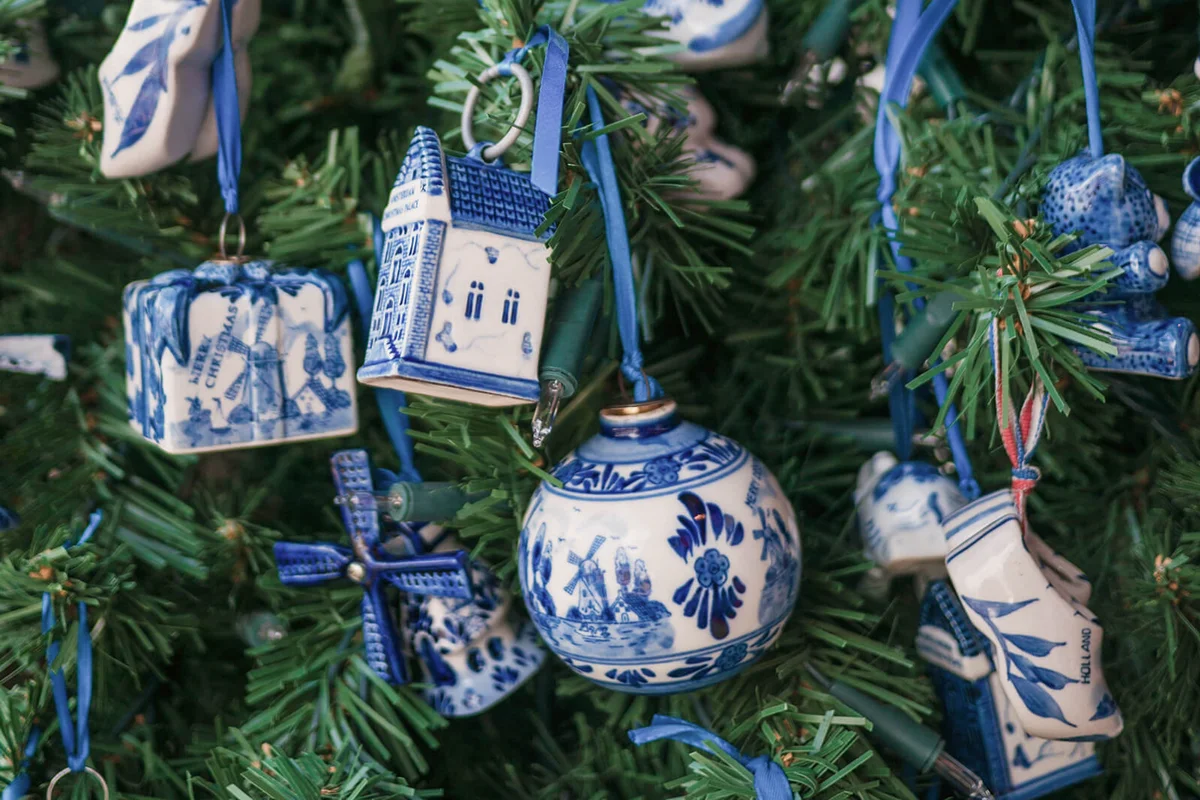
In the Netherlands, Christmas is not a one-day affair. The Dutch observe Eerste Kerstdag (First Christmas Day) on December 25th and Tweede Kerstdag (Second Christmas Day) on December 26th. Both are public holidays.
Religious and Secular Observances
While the Netherlands is one of the most secular countries in Europe, many people still attend Nachtmis (Midnight Mass) on Christmas Eve. Churches across the country are often filled to capacity, even by those who do not regularly attend services, to hear traditional carols and the Christmas story.
For the secular majority, these days are dedicated to gezelligheid—a uniquely Dutch word roughly translating to "coziness" or "conviviality." Families spend time together, often going for long walks in the dunes or woods if the weather permits, before settling in for a long dinner.
The Phenomenon of "Gourmetten"
If you ask a Dutch person what they eat for Christmas, the most common answer is gourmetten. This is a quintessential Dutch dining tradition involving a large tabletop grill or hot plate. The host provides various platters of small, bite-sized pieces of meat (steak, mini-burgers, chicken), vegetables (peppers, onions, mushrooms), and batters (for mini-omelets or pancakes).
Each guest has their own tiny frying pan (pannetje). Throughout the evening, guests cook their own food at the table, accompanied by various sauces, salads, and baguettes with herb butter. It is popular because it removes the stress of a single person being stuck in the kitchen and allows for hours of slow, social eating.
Culinary Traditions: Holiday Flavors
The Dutch holiday season is defined by specific flavors, many of which are heavily spiced, reflecting the country's history as a hub for the global spice trade.
- Chocolate Letters: Every child (and many adults) receives the first letter of their name in solid chocolate. These are available in milk, dark, and white varieties.
- Kruidnoten and Pepernoten: Kruidnoten are small, crunchy, round cookies flavored with cinnamon, ginger, cloves, and cardamom. Pepernoten are chewier, chunkier, anise-flavored cubes.
- Kerststol: A rich, oval-shaped fruit bread containing raisins, candied peel, and often brandy. The center is filled with amandelspijs (sweet almond paste). A similar version served during Sinterklaas is called a Stol, but the Christmas version is often dusted more heavily with powdered sugar.
- Banketstaaf: A pastry log made of flaky puff pastry filled with almond paste. When shaped into a letter 'M' or 'S', it is called a Banketletter.
- Oliebollen: While primarily associated with New Year’s Eve, oliebollen (deep-fried dough balls, often with raisins) start appearing in street stalls (oliebollenkramen) as early as October and remain a staple throughout December.
The Tradition of the Kerstpakket
A significant aspect of the Dutch professional world in 2026 is the Kerstpakket. Historically, this was a box of food items given by employers to their workers as a gesture of thanks. Today, it has evolved into a sophisticated tradition. While many still receive a box filled with specialty snacks, wine, and household gadgets, other companies offer "choice portals" where employees can select their own gifts, donate the value to charity, or receive gift cards. The "unboxing" of the Kerstpakket remains a highlight of the Dutch work year, often occurring during a Friday afternoon borrel (social drink).
Comparison of Dutch Holiday Traditions
| Feature | Sinterklaas (Dec 5) | Kerstmis (Dec 25/26) |
|---|---|---|
| Primary Focus | Children and folklore | Family and togetherness |
| Main Figure | Sinterklaas (Saint Nicholas) | De Kerstman (Santa Claus) - Secondary |
| Gift Style | Hand-crafted "surprises" and poems | Wrapped store-bought gifts |
| Dining Style | Snacks (pepernoten, chocolate) | Formal dinner or Gourmetten |
| Key Pastry | Banketletter | Kerststol (Almond bread) |
| Public Holiday | No (Business as usual) | Yes (Both 25th and 26th) |
Regional Variations and Markets
While the core traditions are national, certain regions have their own flair.
The Valkenburg Christmas Caves
In the southern province of Limburg, the town of Valkenburg hosts one of the most unique Christmas markets in Europe. The market is held underground in the Gemeentegrot (Municipal Cave) and Fluweelengrot (Velvet Cave). The subterranean setting provides a naturally warm atmosphere (around 12°C) and allows for stunning light displays against the marlstone walls.
The Dickens Festival in Deventer
In mid-December, the city of Deventer transforms its historic Bergkwartier into a 19th-century London scene. Hundreds of actors dress as characters from Charles Dickens' novels. While this is a relatively modern addition to the calendar (started in the 1990s), it has become a beloved "new" tradition that attracts over 100,000 visitors annually.
Frequently Asked Questions
Why do the Dutch celebrate two days of Christmas?
The tradition of a "Second Christmas Day" (Boxing Day in the UK) is common in several European countries. In the Netherlands, it was originally intended to give people a day for religious reflection following the primary feast day. Today, it is used to visit the "other" side of the family (e.g., in-laws) or to visit home improvement stores and garden centers, which often have their busiest sales day of the year on December 26th.
Is Sinterklaas the same as Santa Claus?
No, though they share a common ancestor. Sinterklaas is a bishop who lives in Spain and arrives by boat. He is thinner and more serious than the North American Santa Claus. However, the name "Santa Claus" is actually an English mispronunciation of the Dutch "Sinterklaas," brought to America by Dutch settlers in New Amsterdam (now New York).
What is the significance of the chocolate letters?
The tradition dates back to the 19th century when gifts were covered with a sheet and a bread-dough letter was placed on top to identify which child the gift belonged to. This eventually transitioned into chocolate. Today, "S" and "M" are the most produced letters, and they are a staple gift in every Dutch household during the Sinterklaas period.
Do the Dutch have Christmas markets like Germany?
Yes, but they are generally smaller and more community-focused, with a few exceptions like Valkenburg or the "Royal Christmas Fair" in The Hague. Many Dutch people actually travel across the border to Germany for the large-scale markets in Cologne or Düsseldorf, though local markets in cities like Dordrecht are highly regarded for their atmosphere.
What should I bring to a Dutch Christmas dinner?
If you are invited to a gourmetten evening, it is common to ask the host if you can bring a side dish or a dessert. If the host insists on providing everything, a high-quality bottle of wine or a festive plant (like a Poinsettia) is a standard and appreciated gift.
Practical Advice for Visitors in 2026
If you are planning to experience Dutch Christmas traditions firsthand, timing is essential. To see the Sinterklaas festivities, you must be in the country between mid-November and December 5th. Note that Sinterklaas disappears overnight; on the morning of December 6th, all traces of the Saint are removed from shop windows, replaced instantly by Christmas trees.
For those visiting during Kerstmis, be aware that public transport runs on a limited holiday schedule on December 25th and 26th. Most supermarkets and shops are closed on the 25th, though many open with limited hours on the 26th. Booking a restaurant for Christmas Day or evening should be done weeks—if not months—in advance, as the tradition of eating out is becoming increasingly popular.
Finally, embrace the concept of gezelligheid. Whether you are peeling a mandarin orange by the fire on Pakjesavond or flipping a mini-pancake during a gourmetten session, the essence of the Dutch holiday season is found in the slow, intentional enjoyment of the company you keep.
Image Gallery
Select an image to open it in a new tab.


Akira Tanaka
International Academic Trends Correspondent
