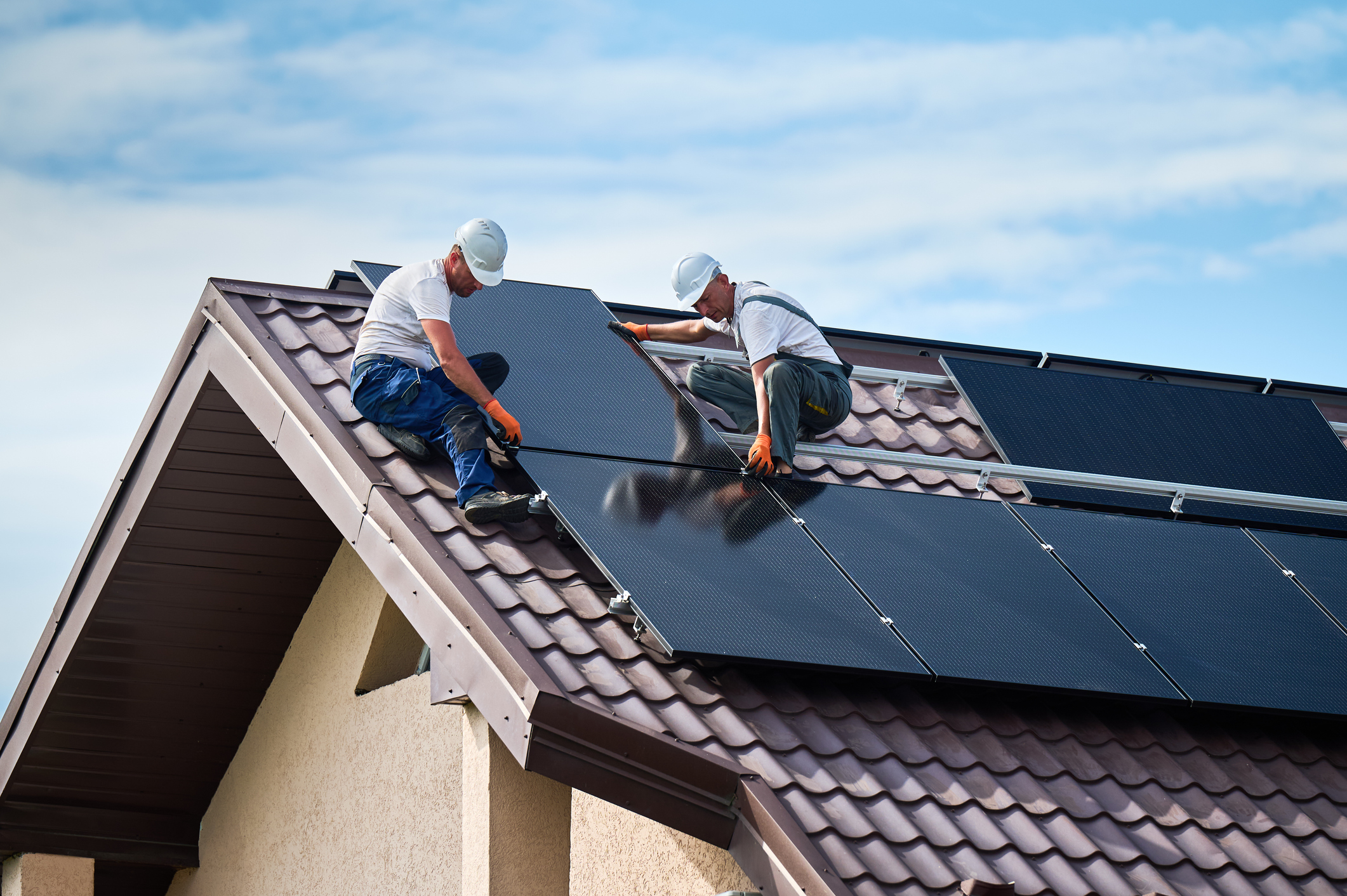
The cost of installing photovoltaic (PV) solar panels is primarily determined by the system’s total wattage, the complexity of the installation, local labor rates, and the hardware selected, typically averaging between $2.50 and $3.50 per watt before federal tax credits. Homeowners should anticipate a total project cost ranging from $15,000 to $25,000 for an average-sized residential array.
Understanding the Economics of Residential Solar
Investing in a photovoltaic (PV) system is a significant financial commitment that shifts the paradigm of home utility consumption. By generating your own electricity, you mitigate the impact of rising grid-tied energy prices. However, the sticker price of solar is rarely a simple calculation. It is an aggregate of hardware, permitting, engineering, and labor.
When evaluating the cost, it is essential to distinguish between "gross cost" and "net cost." The gross cost represents the total invoice from your solar installer, covering equipment and installation labor. The net cost reflects the out-of-pocket expense after applying federal incentives, such as the Investment Tax Credit (ITC), and any relevant state-level rebates or local utility performance incentives.
The Role of System Sizing
The most significant factor influencing your total cost is the size of the system, measured in kilowatts (kW). A typical U.S. household might require a system between 6kW and 10kW to offset the majority of its annual energy consumption. Because solar installers often provide volume pricing, the "cost per watt" often decreases as the size of the system increases. Smaller systems may have a higher per-watt cost because fixed expenses—such as mobilization fees, engineering design, and permitting—are spread over fewer panels.
Breakdown of Installation Costs
To understand where your money goes during a solar installation, it is helpful to categorize expenses. These costs can vary significantly based on your geographic location, roof orientation, and the complexity of your home’s electrical infrastructure.
1. Solar Photovoltaic Hardware
Hardware accounts for approximately 40% to 50% of the total project cost. This includes:
- PV Modules (Panels): The actual semiconductor devices that convert sunlight into electricity. Prices vary based on efficiency ratings (monocrystalline vs. polycrystalline) and aesthetic profile (e.g., all-black panels).
- Inverters: The "brain" of the system. You must choose between string inverters, which are cost-effective but sensitive to shading, or microinverters/power optimizers, which allow each panel to operate independently, increasing output in suboptimal conditions.
- Racking and Mounting: The aluminum hardware that secures the panels to the roof. Steep roofs or complex roof materials (like clay tiles) often increase labor and component costs.
2. Labor and Soft Costs
The remainder of the budget is consumed by "soft costs" and labor. Soft costs are often overlooked but are critical to project success:
- Permitting and Inspections: Local municipalities charge fees for building and electrical permits.
- Engineering and Design: Professional structural and electrical drawings are required to ensure the roof can support the array and that the wiring is code-compliant.
- Interconnection Fees: Your utility company may charge a fee to process the application for grid-tied solar, which includes the installation of a bi-directional net metering meter.
- Installation Labor: This includes the specialized work of licensed electricians and roofers.
Comparative Cost Factors: Equipment and Infrastructure
| Feature | Low-Cost Option | High-End/Premium Option |
|---|---|---|
| Panel Efficiency | 19–21% efficiency | 22–24% efficiency |
| Inverter Type | Centralized String Inverter | Microinverters (per-panel optimization) |
| Warranty Coverage | 10–12 year product warranty | 25–30 year comprehensive warranty |
| System Aesthetic | Standard silver-frame panels | All-black, low-profile panels |
The Impact of Federal and Local Incentives
In 2026, the Residential Clean Energy Credit remains a cornerstone of solar affordability. Under current federal tax laws, homeowners can claim a credit against their federal income tax for 30% of the total installation cost. It is vital to note that a tax credit is a dollar-for-dollar reduction of the income tax you owe, which is significantly more valuable than a tax deduction.
Beyond federal support, research local initiatives:
- State Rebates: Some states offer direct cash rebates for installing renewable energy systems.
- Performance Payments: Some utility providers offer "Solar Renewable Energy Certificates" (SRECs) or feed-in tariffs, providing ongoing payments for the electricity your system generates.
- Property Tax Exemptions: Many jurisdictions allow you to exempt the added value of the solar system from your home’s property tax assessment.
Common Pitfalls and Cost Overruns
Even with a solid quote, total costs can balloon if site conditions are ignored during the initial assessment.
Roof Condition and Structural Integrity
If your roof is nearing the end of its lifespan, you should replace it before installing solar. Removing and reinstalling panels later to accommodate roof repairs can cost thousands of dollars in labor. Ensure that your installer inspects the rafters to confirm they can handle the weight of the mounting hardware and panels.
Electrical Panel Upgrades
Many older homes have electrical service panels that are insufficient for a modern solar array. If your panel is rated for 100 amps or lower, the utility company or local building inspector may require a service upgrade to handle the back-fed power from the inverter, which can add $1,500 to $3,000 to your total project cost.
Tree Trimming and Site Obstructions
Solar panels are only as effective as the amount of sunlight they receive. While software tools can estimate shading, they are not always perfect. If your property is heavily shaded, you may need to invest in tree trimming or removal, which is an additional cost not typically included in the solar installer’s base estimate.
How to Verify Quotes and Select an Installer
When obtaining quotes, avoid relying on a single price. Collect at least three quotes from reputable, licensed installers in your area. Use these tips to verify the quality of the bid:
- Check for Certification: Look for installers certified by the North American Board of Certified Energy Practitioners (NABCEP).
- Compare Warranty Terms: Ensure the quote clearly specifies the length of the workmanship warranty. A professional company should guarantee their roof penetrations and electrical work for at least 5 to 10 years.
- Validate Production Estimates: Request a solar irradiance report (often produced via software like Helioscope or PVWatts). Ensure the estimated annual energy production is realistic for your specific roof pitch and geographic orientation.
- Avoid High-Pressure Sales: Legitimate solar companies will provide a detailed breakdown of costs and a transparent contract. Walk away from any firm that demands a large upfront cash payment or uses aggressive tactics to secure a signature.
Frequently Asked Questions
Will solar panels increase my home value?
Generally, yes. Research indicates that homes equipped with owned solar systems often sell for a premium. However, the value added depends on local market trends and whether the system is owned outright or leased. Owned systems are viewed as an asset, while leased systems can sometimes complicate real estate transactions.
What happens if I move before the system is paid off?
If you own the system, the remaining balance can often be paid off from the proceeds of the home sale, or the loan can be transferred to the new owner, provided they qualify for the financing. Always check your financing agreement for "transferability" clauses before finalizing the purchase.
Do I need solar batteries to see savings?
Not necessarily. In areas with robust "Net Metering" policies, the grid acts as your battery. When your panels produce excess energy, you receive credits on your bill; when you need power at night, you draw from the grid using those credits. Batteries are primarily needed for emergency backup during power outages or in regions where net metering has been significantly reduced.
How much maintenance do solar panels require?
Solar systems have no moving parts and require minimal maintenance. In most climates, regular rainfall is sufficient to keep panels clean. In extremely dusty or arid environments, a professional cleaning once every year or two may be beneficial to maximize output.
Is it better to lease or buy?
Buying is almost always more cost-effective in the long term, as it allows you to capture the 30% federal tax credit and increases the equity of your home. Leasing or entering into a Power Purchase Agreement (PPA) can lower upfront costs, but you forgo tax incentives and often pay a higher effective rate for the electricity generated over the life of the agreement.
Recommendation for Next Steps
Begin by assessing your home’s energy needs using your last 12 months of utility statements to determine your annual kilowatt-hour (kWh) usage. Once you have a clear baseline, utilize the PVWatts Calculator provided by the National Renewable Energy Laboratory (NREL) to estimate the potential production of your roof space. With this data in hand, invite three local, highly-rated installers to conduct an on-site evaluation. Focus your decision-making on the total cost per watt and the reputation of the installer rather than the lowest initial bid, as quality workmanship is the best insurance for your 25-year investment.
Image Gallery
Select an image to open it in a new tab.
Celine Dubois
Contemporary Living and Global Arts Columnist
