In scientific literature and biochemistry, glucose is most commonly referred to as dextrose. While "glucose" is the standard term used in biological and nutritional contexts to describe the simple sugar that fuels cellular respiration, "dextrose" is the designation frequently employed in pharmaceutical, industrial, and food science applications to describe the same chemical structure.
The Chemical Identity of Glucose
At its core, glucose is a simple monosaccharide, specifically an aldohexose with the molecular formula C6H12O6. This means it consists of six carbon atoms, one of which is part of an aldehyde group. When scientists discuss the chemical properties of this molecule, they are often referring to its specific stereochemistry—the spatial arrangement of atoms within the molecule.
In nature, glucose exists in several isomeric forms, but the biologically active form is the D-isomer. This is the reason for the nomenclature "dextrose." The prefix "dex-" originates from the Latin dexter, meaning "right." In the context of stereochemistry, this refers to the molecule’s ability to rotate plane-polarized light to the right (dextrorotatory). Therefore, dextrose is the specific common name for D-glucose, the form utilized by living organisms for energy.
Distinguishing Between Glucose and Dextrose
While the terms are scientifically interchangeable in terms of chemical composition, the context of their use often determines which name is preferred by researchers and practitioners.
- Biological and Physiological Context: In medicine and biology, the term "glucose" is standard. When physicians monitor "blood glucose levels" or discuss the "glucose-insulin axis," they are using the terminology that aligns with metabolic processes. The human body metabolizes D-glucose, and this term remains the gold standard in diagnostic medicine.
- Commercial and Industrial Context: In the food processing and pharmaceutical industries, "dextrose" is the preferred label. Manufacturers use this term to describe the ingredient derived from the hydrolysis of corn starch or other plant starches. When you see "dextrose" on a nutrition label or in a list of intravenous (IV) fluid ingredients, it is a marker of its industrial sourcing and standardized preparation.
Why Does This Naming Variation Exist?
The dual naming system is largely a historical artifact of how early chemists classified sugars based on their optical properties rather than their specific biological roles. As the scientific community moved toward a more unified nomenclature under the International Union of Pure and Applied Chemistry (IUPAC), "glucose" was solidified as the definitive chemical name. However, the use of "dextrose" was already too deeply embedded in manufacturing protocols and pharmaceutical standards to be abandoned.
For the modern scientist or consumer, understanding that these terms refer to the same molecular entity is essential for analyzing health data, product ingredients, and scientific literature without confusion.
The Significance of D-Glucose in Metabolism
To truly understand why these names coexist, one must appreciate the role of D-glucose. It is the primary energy source for the human brain and central nervous system. During glycolysis, a metabolic pathway, the six-carbon glucose molecule is broken down into two three-carbon molecules known as pyruvate.
This process is highly specific to the D-isomer. While other sugars exist, such as L-glucose, they are not biologically processed by the human body in the same way. The fact that the industry labels its products as "dextrose" reinforces the reality that these products contain the specific D-isomer required for metabolic efficiency.
Comparison of Terminology and Usage
| Context | Preferred Term | Primary Association |
|---|---|---|
| Clinical Medicine | Glucose | Blood levels, metabolic regulation, diabetes management |
| Biochemistry | Glucose / D-Glucose | Glycolysis, cellular respiration, molecular structure |
| Food Industry | Dextrose | Sweeteners, shelf-life extension, fermentation agent |
| Pharmaceutical | Dextrose | IV hydration fluids, glucose tolerance testing, excipient |
| Organic Chemistry | D-Glucose | Optical rotation, isomer identification |
Clinical and Pharmaceutical Applications
In a hospital setting in 2026, the use of "dextrose" is ubiquitous. For patients requiring parenteral nutrition or intravenous hydration, "D5W" is a common order—shorthand for a 5% dextrose in water solution. This solution provides an immediate energy source to the body. Using the term "dextrose" in this setting serves a practical, regulatory purpose, distinguishing the medical-grade, crystalline form of the sugar from the glucose that circulates naturally in the bloodstream.
When patients are asked to undergo a "glucose tolerance test," they are essentially ingesting a calibrated dose of dextrose to measure how effectively their pancreas secretes insulin and how their tissues respond to the sugar spike. The terminology is fluid, yet the molecule remains constant.
Common Misconceptions
One frequent point of confusion is the belief that dextrose is "different" from glucose in terms of how the body handles it. Because the chemical structures are identical, the body treats them exactly the same once they are introduced into the bloodstream. There is no physiological advantage to consuming one over the other in terms of metabolic speed or efficiency. The distinction is purely semantic and situational.
Another misconception involves the sourcing of these sugars. Consumers sometimes worry that dextrose is an artificial additive. While it is processed from starches (often corn), it is a naturally occurring monosaccharide. The processing simply separates the glucose from the complex starch chains, allowing for a pure, stable powder that is easy to measure and dissolve.
Nutritional and Dietary Considerations
In the context of the food industry, dextrose is often used as a sweetener. Because it has a lower relative sweetness compared to sucrose (table sugar), it is used in specific concentrations to achieve desired flavor profiles without reaching the extreme sweetness of high-fructose corn syrup.
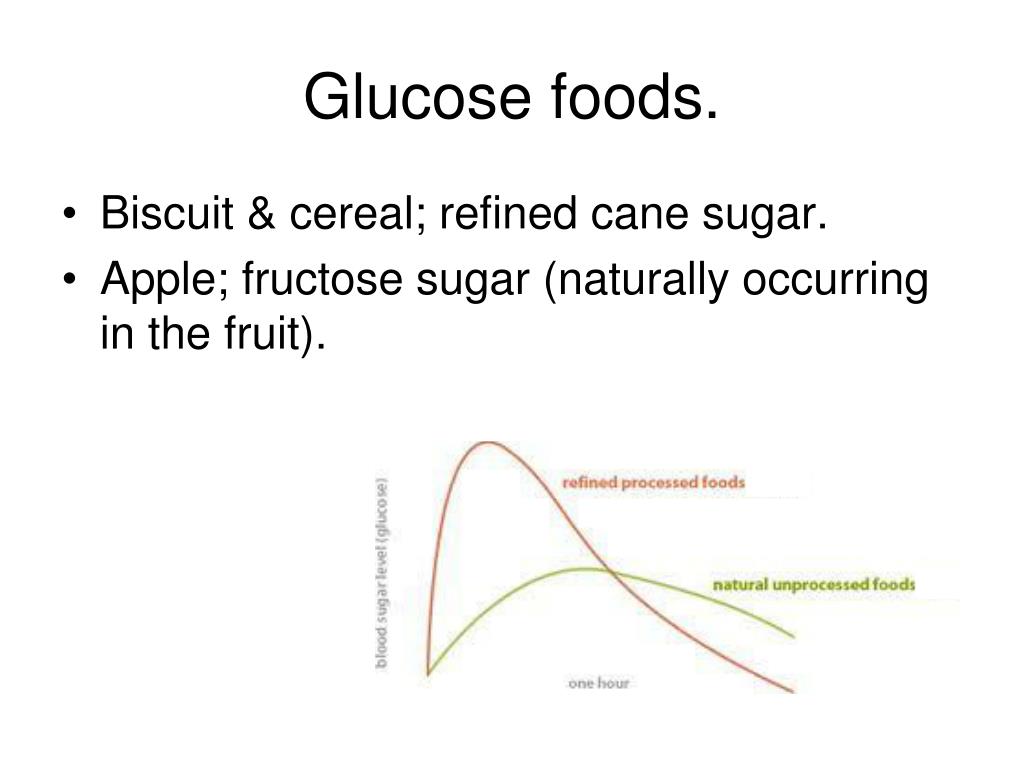
For individuals with metabolic conditions, tracking "total sugars" on a label is more important than distinguishing between the various names for simple sugars. Whether a product lists glucose, dextrose, or even corn sugar, it is being counted as a simple carbohydrate that will impact blood sugar levels.
Related Frequently Asked Questions
Is dextrose considered a "sugar" in nutritional tracking? Yes. Dextrose is a simple sugar, specifically a monosaccharide. In nutritional databases and on food packaging labels, it is categorized as an added sugar and contributes to the total carbohydrate count of the food item.
Does "dextrose" contain any gluten? In its pure form, dextrose is highly refined and generally does not contain gluten proteins, regardless of whether it was derived from wheat or corn starch. However, individuals with celiac disease should always verify the manufacturer’s certification if they are sensitive to trace cross-contamination.
Why do some nutrition labels use "glucose" while others use "dextrose"? Labeling choices are often driven by regional regulatory requirements and industry standards. In many food science applications, "dextrose" is the legal term for the ingredient to ensure consumers understand it has been derived from starch hydrolysis, whereas "glucose" is often reserved for medical or strictly biological contexts.
Are there other forms of sugar that are not glucose or dextrose? Yes. Sugars are categorized by their chemical structure. Fructose is a monosaccharide, sucrose is a disaccharide (a combination of glucose and fructose), and lactose is a disaccharide (a combination of glucose and galactose). These have different chemical properties and metabolic pathways compared to pure glucose.
Is D-glucose the same as corn sugar? Yes. The term "corn sugar" is a marketing-friendly label for dextrose derived from corn starch. It is chemically identical to the glucose that your body produces or utilizes from fruit and other natural carbohydrate sources.
Recommendation for Further Research
When analyzing ingredients or scientific data, prioritize the chemical structure (D-glucose) over the trade name. For those managing health conditions such as diabetes, consult with a registered dietitian or endocrinologist regarding how total carbohydrate intake, rather than specific sugar nomenclature, influences your health markers. For pharmaceutical or industrial applications, always refer to the Material Safety Data Sheet (MSDS) or the official product specification sheet, which will consistently identify the substance as D-glucose or dextrose for regulatory compliance.
Image Gallery
Select an image to open it in a new tab.
Celine Dubois
Contemporary Living and Global Arts Columnist
