The Best Epoxy for Foundation Crack Repair: Selecting and Applying Structural Sealants

The best epoxy for foundation crack repair is a low-viscosity, two-part structural injection resin designed specifically for high-pressure injection into concrete. These epoxies must possess high tensile strength, excellent adhesion to wet or damp surfaces, and the ability to cure into a rigid, monolithic bond that restores the structural integrity of poured concrete foundations.
Repairing a foundation crack is not merely a cosmetic endeavor; it is a critical maintenance task required to prevent water infiltration, soil gas entry, and the eventual compromise of your home's structural stability. When dealing with vertical or diagonal cracks in poured concrete basement walls, the "best" epoxy is not defined by brand recognition alone, but by technical performance metrics, specifically viscosity, tensile strength, and curing time.
Understanding the Role of Epoxy in Structural Repair
Before selecting a product, it is vital to distinguish between a structural repair and a waterproofing repair. Epoxy is a rigid, structural adhesive. When injected into a crack, it bonds the two sides of the concrete together, essentially "welding" the foundation back into a single unit. Because epoxy cures to be stronger than the surrounding concrete, it is the industry-standard solution for structural cracks.
Polyurethane foam, by contrast, is a flexible sealant often used for active leaks. It expands upon contact with water to fill a void but does not restore structural strength. For hairline cracks or structural fissures, epoxy remains the superior choice. If the foundation is still settling or moving, however, rigid epoxy may fail, necessitating a different engineering approach.
Key Technical Specifications to Look For
When evaluating commercial-grade injection resins, focus on these three primary technical specifications:
- Viscosity: Measured in centipoise (cps), a low-viscosity epoxy is essential for penetrating narrow cracks. Look for products that are thin enough to travel deep into the crack, typically under 500-1000 cps. Thick epoxies will sit on the surface, failing to reach the back of the foundation wall.
- Tensile Strength: This indicates the stress the bond can withstand before failure. High-quality structural epoxies generally boast tensile strengths exceeding 6,000–8,000 psi.
- Adhesion to Damp Surfaces: Foundations are rarely bone-dry. The best formulations are engineered with hydrophilic properties or surface tension modifiers that allow them to bond even when the concrete interface is moist.
Comparing Common Injection Systems
Most professional-grade epoxy kits include the base resin, a hardener, injection ports, and a surface sealant (the "paste") used to cap the crack and hold the injection pressure.
| Feature | Low-Viscosity Epoxy | High-Viscosity Epoxy | Polyurethane Foam |
|---|---|---|---|
| Primary Use | Structural bonding | Grouting/Voids | Water sealing |
| Flexibility | Rigid | Rigid | Expansive/Flexible |
| Penetration | Excellent | Poor | Moderate |
| Structural Integrity | High (Welds crack) | Moderate | None |
Assessing the Severity: Is Epoxy the Right Choice?
Epoxy is highly effective for dormant, non-moving cracks in poured concrete. However, not all cracks are suitable for epoxy injection.
- Active Leaks: If a crack is actively gushing water, epoxy will be washed out before it can cure. In this scenario, you must stop the water flow using a quick-set hydraulic cement or a water-activated polyurethane grout before attempting any structural epoxy work.
- Settlement Cracks: If your home is experiencing ongoing settlement, indicated by cracks that are widening over time or showing vertical displacement, injecting epoxy may result in a "re-crack" right next to your repair. These structural issues require professional geotechnical assessment and, potentially, piering or underpinning.
- Horizontal Cracks: Horizontal cracks often signify inward bowing of the wall due to hydrostatic pressure. These represent a major structural failure and require carbon fiber reinforcement or steel beams, not just a surface-level injection.
A Step-by-Step Guide to Professional-Grade Injection
To achieve a professional result, the methodology must be meticulous. Epoxies rely on a clean, controlled environment to achieve their rated strength.
1. Surface Preparation
The surface of the crack must be free of paint, efflorescence, and loose concrete. Use a wire brush or an angle grinder with a diamond cup wheel to expose the concrete along the length of the crack. This ensures the surface paste creates an airtight seal.
2. Installing Injection Ports
Space your injection ports approximately 8 to 12 inches apart along the entire length of the crack. The distance can be adjusted based on the width of the crack; smaller, tighter cracks require closer port spacing to ensure the epoxy travels the full distance between ports.
3. Sealing the Crack
Apply the surface paste—usually a high-strength epoxy gel—over the crack and around the base of the injection ports. Ensure there are no pinholes in this seal, as these will lead to "blowouts" where the expensive resin leaks out during the injection process. Allow this to cure completely according to manufacturer instructions.
4. The Injection Process
Starting at the lowest port (if the crack is vertical) or at one end (if horizontal), inject the epoxy until it begins to flow out of the next port. Plug the first port and move to the next. This "chasing" process ensures the crack is completely filled from bottom to top, forcing air out of the void.
5. Curing and Finishing
Leave the ports in place until the resin has fully set. Most structural epoxies require 24 to 48 hours for a full cure. Once cured, you can grind off the injection ports and the surface paste for a smooth, finished appearance.
Common Mistakes and Troubleshooting
The most common point of failure in epoxy injection is insufficient pressure or premature removal of ports.
- The "Blowout": If you do not allow the surface paste enough time to cure, the pressure from the injection syringe will cause the paste to rupture. Always respect the temperature-dependent cure times provided by the manufacturer.
- Incomplete Penetration: If the epoxy stops flowing, do not force it. Verify that there is not an obstruction or a section of the crack that is wider than anticipated. In some cases, a very deep or wide crack may require a two-stage injection process.
- Cold Weather Limitations: Epoxy chemistry is highly temperature-dependent. Below 50°F, many resins will not reach full viscosity or will cure significantly slower. If you are working in a cold basement, you may need to use supplemental heating to bring the concrete surface temperature into the optimal range defined by the product data sheet.
Frequently Asked Questions
Can I use epoxy to fix cracks in cinder block or masonry walls? No. Epoxy is intended for poured concrete. Masonry walls (cinder block or brick) are hollow or composed of multiple units; injecting epoxy into a block wall will simply fill the hollow core of the block without structurally binding the wall together. For these materials, structural reinforcement or specialized masonry coatings are required.
How do I know if my crack is structural or just cosmetic? Generally, a crack that is less than 1/16th of an inch and shows no signs of moisture is considered cosmetic. Cracks wider than 1/8th of an inch, or those that show signs of "stair-stepping" or inward bowing, should be treated as structural and evaluated by a qualified foundation professional.
Does foundation epoxy expire? Yes. Both the base resin and the hardener have shelf lives. Using expired epoxy is a common cause of "gummy" or soft repairs that never fully harden. Always check the manufacturing date and store components in a climate-controlled environment.
Can I inject epoxy while it is raining outside? While you are protected inside the basement, if the soil outside the foundation is saturated, the crack may be holding water. If the crack is weeping, the epoxy will not bond. You must resolve the moisture issue—often through exterior drainage improvements—before the epoxy will successfully seal the crack.
Is professional foundation repair always better than a DIY kit? For minor, non-structural cracks that are not leaking, a high-quality DIY kit is often sufficient. However, if the foundation wall shows signs of bowing, significant displacement, or severe water damage, professional structural repair is mandatory to ensure the safety of the residence.
Final Recommendations for Homeowners
When purchasing your epoxy, avoid generic hardware store adhesives. Seek out industrial-grade structural injection kits from reputable manufacturers specializing in concrete restoration. These kits typically include a low-viscosity resin and a high-viscosity surface cap.
Before you begin, perform a visual assessment of the crack's origin and termination points. If the crack extends into the floor or reaches the foundation footing, you are dealing with a more complex structural issue that may exceed the capacity of a standard injection kit. If you remain uncertain about the nature of the crack, contact a licensed structural engineer. A professional evaluation provides peace of mind and ensures that your repair effort is directed at the root cause, rather than just the symptom.
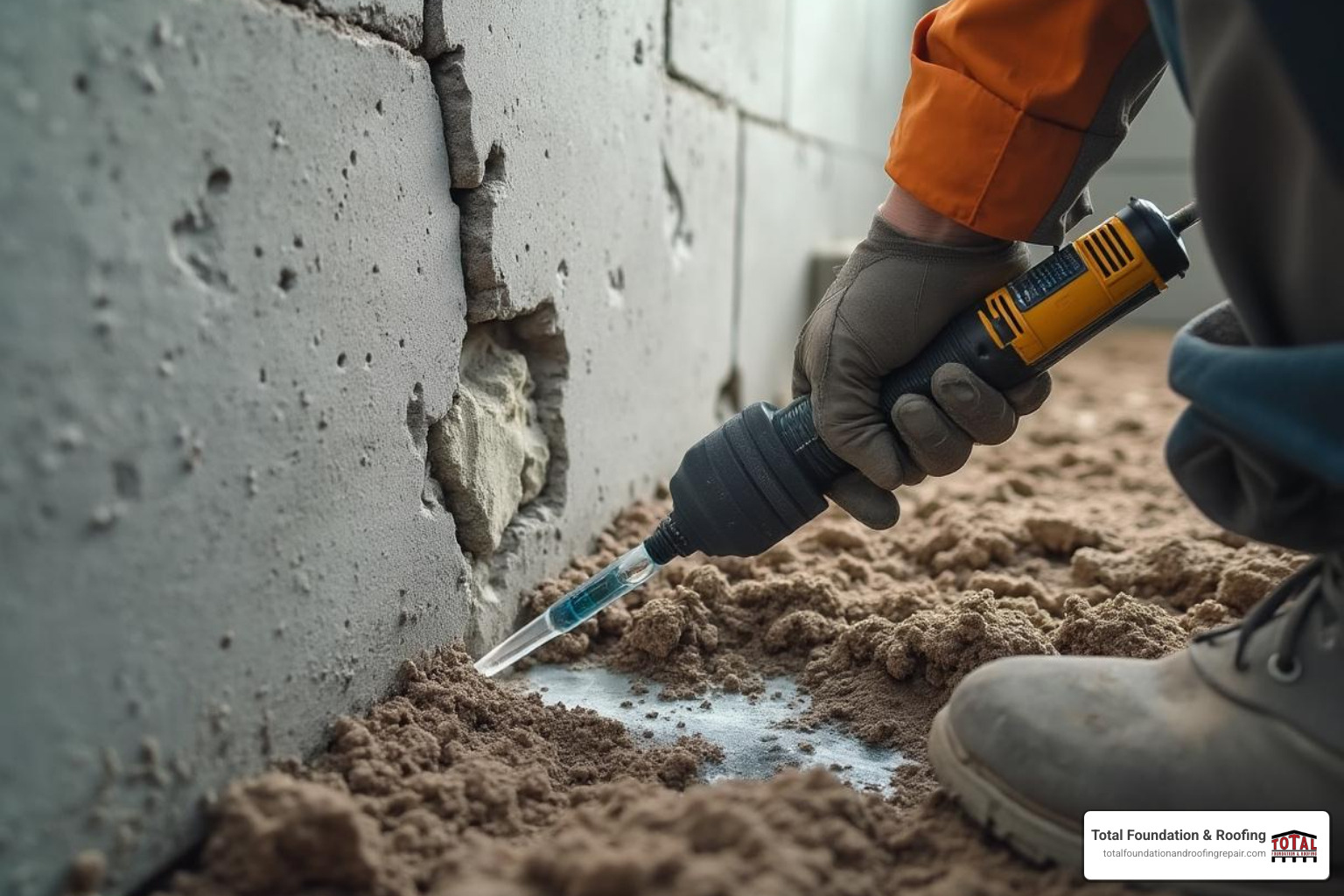
Image Gallery
Select an image to open it in a new tab.
Lars Thomsen
Global Labor Markets and Economic Strategy Editor
