
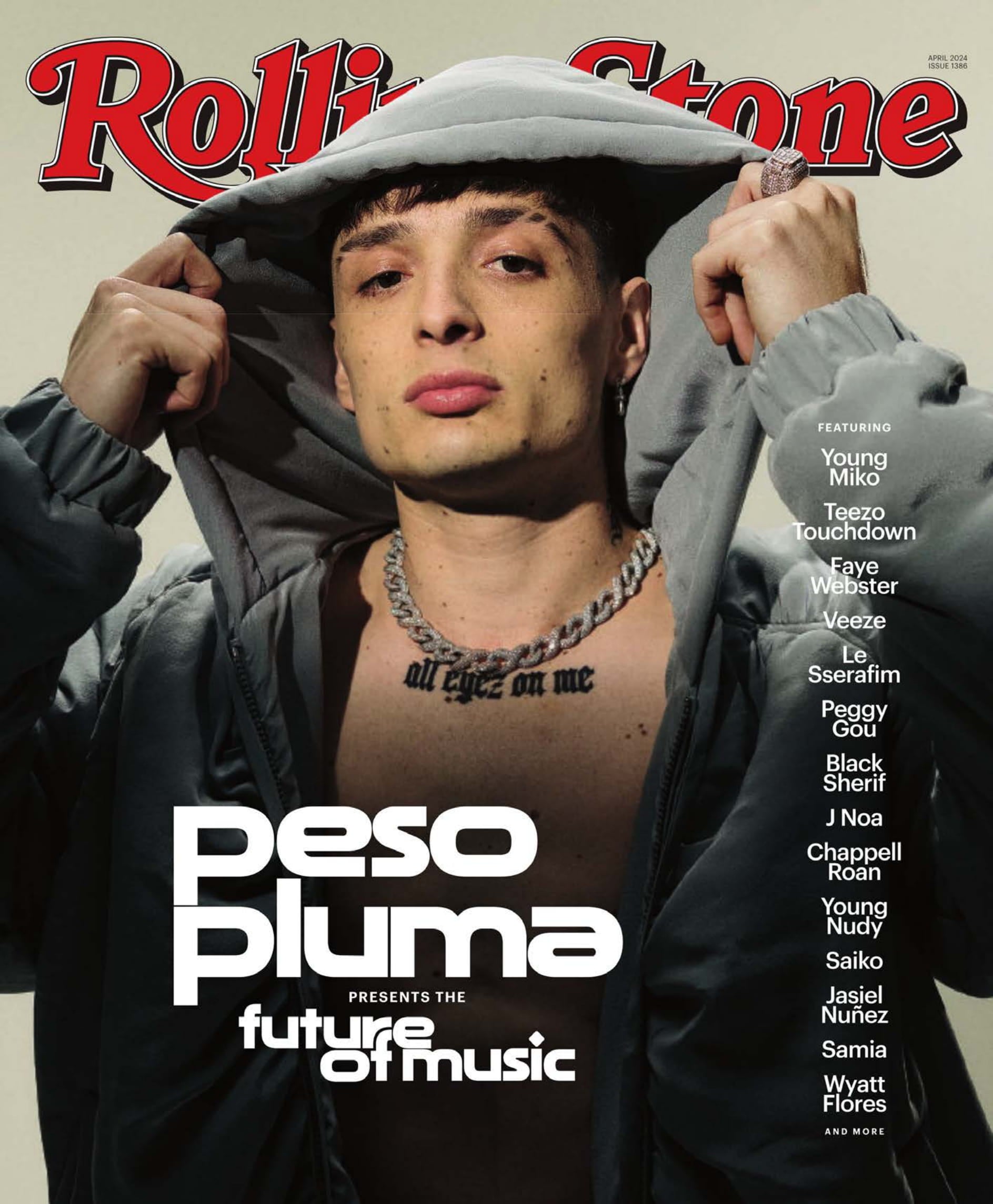
Peso Pluma’s signature musical style, widely classified as corridos tumbados (also known as corridos bélicos), represents a modern, high-energy evolution of traditional Mexican regional music. This subgenre fuses the narrative-driven storytelling of acoustic corridos with the brash, rhythmic sensibilities of contemporary urban genres like trap and hip-hop, creating a sound that has resonated globally since the early 2020s.
The Evolution of the Corrido
To understand the music of Peso Pluma, one must first understand the foundation of the corrido. A traditional corrido is a Mexican narrative ballad that dates back to the 19th century, often used to chronicle historical events, social struggles, and the exploits of larger-than-life figures. Historically, these compositions were performed by norteño or mariachi ensembles, relying heavily on acoustic instrumentation—primarily the accordion, the bajo sexto (a twelve-string bass guitar), and the double bass.
The "tumbado" shift marks a departure from this traditional delivery. While the instrumentation remains fundamentally rooted in acoustic tradition, the production philosophy has shifted toward a more aggressive, beat-heavy approach. Peso Pluma’s music incorporates the fast-paced, triplet-heavy flows found in modern trap music, applying them to the rhythmic structures of the sierreño style, which features the twelve-string guitar (requinto) as a lead melodic instrument.
Defining Corridos Tumbados and Corridos Bélicos
While these terms are often used interchangeably in popular discourse, there are nuanced distinctions between them.
- Corridos Tumbados: This is the broader category defined by Natanael Cano, who is largely credited with pioneering the genre. It brings a "lowered" or "laid-back" (tumbado) urban attitude to the music, focusing on themes of success, street life, and hedonism, delivered with a trap-influenced vocal cadence.
- Corridos Bélicos: This term translates literally to "warlike ballads." Peso Pluma frequently associates his sound with this descriptor. These tracks lean further into aggressive, high-energy storytelling, often detailing the complexities of power, street narratives, and the lifestyle surrounding them. The music is characterized by intense requinto solos and a driving, percussive energy that sets it apart from more melancholic traditional ballads.
Key Musical Elements and Instrumentation
The distinctive sound of a Peso Pluma track is not the result of synthesizers or heavy electronic processing, but rather a mastery of organic instruments played with a modern, aggressive sensibility.
1. The Requinto
The requinto is the soul of the Peso Pluma sound. It is a smaller, higher-pitched guitar that plays intricate, rapid-fire melodic lines. In this subgenre, the requinto is not just an accompaniment; it is the lead "hook" of the song, often mimicking the complexity of a lead electric guitar in a rock band.
2. The Bajo Sexto and Tololoche
The bajo sexto provides the harmonic and rhythmic foundation, acting as the percussion and the bass line simultaneously. Combined with the tololoche (a large acoustic upright bass), these instruments create a deep, resonant bottom end that provides the "bounce" required for the urban-influenced trap beats.
3. Vocal Cadence
Perhaps the most polarizing and recognizable aspect of the music is the vocal delivery. Peso Pluma utilizes a raspy, unpolished, and rhythmic vocal style. He often abandons traditional, melodic singing in favor of a "choppy" delivery that aligns with the syncopation of the requinto. This style bridges the gap for younger listeners who are more accustomed to the cadence of modern rap than the sustained notes of older ranchera music.
The Influence of Urban Production
The "Peso Pluma type of music" is fundamentally a fusion. While the performance is acoustic, the structural arrangement of the songs is heavily influenced by the streaming-first era of hip-hop and reggaeton.
- Song Structure: Unlike traditional ballads that might follow an A-B-A-B-C structure, his tracks often mirror the immediacy of trap records, featuring a short intro, an immediate hook, and a structure that favors rapid tempo changes.
- Production Techniques: Producers in this space treat the acoustic recording with the same sonic ambition as a pop record. They employ tight compression and strategic panning to ensure that the rapid-fire requinto lines stand out clearly, even when played through mobile phone speakers or earbuds.
Comparison of Regional Mexican Genres
| Genre | Primary Instruments | Lyrical Themes | Typical Tempo |
|---|---|---|---|
| Traditional Corrido | Accordion, Bajo Sexto | Historical, Folklore | Moderate |
| Sierreño | Requinto, Acoustic Guitar | Romantic, Nostalgic | Variable |
| Corridos Tumbados | Requinto, Tololoche, Bajo | Success, Lifestyle, Street | Upbeat/Fast |
| Banda | Brass, Percussion | Celebratory, Narrative | Fast/Dance |
The Social Context of the Sound
The rise of this style is intrinsically linked to digital culture. Social media platforms, particularly TikTok, allowed the specific rhythmic "drops" of these corridos to go viral. The music acts as a cultural bridge for the Mexican-American diaspora, reclaiming traditional instrumentation while asserting a modern identity that feels consistent with the global dominance of urban music.
Furthermore, the "bélico" branding taps into a specific cultural zeitgeist. By utilizing themes of raw, unvarnished reality, the music provides a sense of authenticity that resonates with an audience that feels disconnected from the more polished, commercialized pop music of the mainstream.
Common Misconceptions
A common error is labeling Peso Pluma’s music as "Norteño" or "Banda." While he occasionally experiments with these arrangements, the core of his work is Sierreño-derived. Norteño relies on the accordion as the main voice, whereas Peso Pluma’s music is defined by the requinto. Confusing these leads to a misunderstanding of how the music is actually composed and performed.
Another misconception is that the genre is entirely electronic. While many modern iterations utilize post-production mastering techniques, the source material remains strictly acoustic. There are no drum machines; the "beat" is created entirely by the acoustic bass and the precise rhythmic strumming of the bajo sexto.
How to Identify the Style
If you are attempting to identify if a song falls into the "Peso Pluma type" category, look for these three markers:
- The Intro Hook: Most tracks start with a signature, highly melodic requinto riff that is repeated throughout the song.
- The Percussive Bass: Listen for the "thump" of the tololoche on the downbeat, which acts as the kick drum.
- The Delivery: Look for a vocal style that prioritize rhythmic impact and street-oriented, observational storytelling over operatic vocal range.
Future Trajectory
As of 2026, the movement has matured from a regional niche into a global force. We see an increasing integration of traditional Mexican structures with international genres. Collaborations between corridos artists and high-profile international producers have become the standard, shifting the production value toward even higher fidelity while maintaining the organic roots that made the sound popular in the first place.
Frequently Asked Questions
Is Peso Pluma’s music considered hip-hop? No, it is not hip-hop in the traditional sense, but it is heavily influenced by it. While it uses the "vibe" and vocal cadences of rap, it remains anchored to Mexican folk instrumentation. It is best described as a hybrid or fusion genre.
Why is the term "tumbado" used? The term comes from the Spanish verb "tumbar," meaning to lay down or to lower. In this context, it implies a laid-back, confident, and perhaps rebellious attitude, shifting away from the formal, stiff presentation of older Mexican musical styles.
What is the role of the Tololoche in this music? The tololoche serves as both the bass instrument and the primary rhythmic engine. Because the genre rarely uses drums, the tololoche player must be exceptionally skilled at maintaining a constant, driving beat that mimics the role of a kick drum in a standard rhythm section.
Are these songs always about street life? While themes of success, resilience, and street narratives are common in corridos bélicos, the genre is evolving. Many tracks now cover themes of romantic relationships, personal ambition, and the experience of living between two cultures, showing that the sound is versatile enough for diverse lyrical content.
Can anyone learn to play this style? Yes, but it requires a high level of technical proficiency, particularly with the requinto. Learning the specific triplet patterns used in this style is the most challenging aspect for guitarists, as it requires both speed and a specific "swing" that is unique to the genre.
Next Steps for Listeners
To truly understand the depth of this musical movement, explore the foundational albums that preceded the current popularity of the genre. Listening to early tracks by Natanael Cano, alongside the later, higher-production-value works of Peso Pluma, will provide a clear picture of how the sound has been refined. For those interested in the technical side, focus on isolating the requinto in your listening—it is the specific interaction between that instrument and the tololoche that defines the entire sonic landscape of the genre.

Image Gallery
Select an image to open it in a new tab.



Mateo Castillo
Decentralized Finance and E-Payments Strategist
