
An Amber Alert in New York operates as an urgent, multi-tiered emergency response system designed to quickly broadcast information about abducted children to the public, leveraging television, radio, highway signs, and mobile devices to aid in safe recovery.
The Foundation and Purpose of New York's Amber Alert System
The America’s Missing: Broadcast Emergency Response (AMBER) Alert system stands as one of the most visible and critical public safety networks in the United States. In New York State, the program is formally known as the New York State AMBER Alert Plan. Its primary mission is to engage the entire community—from local law enforcement agencies to individual citizens and private corporations—in the rapid recovery of abducted children. When a child is snatched or goes missing under circumstances that indicate a credible, immediate threat to their physical safety or life, time becomes the most precious commodity.
The system operates on the principle that the immediate dissemination of accurate, descriptive information to the public drastically increases the probability of a safe recovery. By transforming millions of mobile phones, television screens, and roadside digital displays into active search tools, New York’s system creates an expansive observation network. However, the system is deliberately designed with rigorous criteria to prevent overuse and alert fatigue, ensuring that when an alert tone sounds, citizens recognize it as an authentic, high-stakes emergency requiring immediate vigilance.
Understanding how the mechanism functions requires exploring the strict criteria that govern its activation, the hierarchical agencies involved, the technological pathways used to distribute the message, and what citizens are expected to do upon receipt.
Strict Criteria for Activation
Not every missing child case triggers an AMBER Alert in New York. If the system were utilized for every runaway or custody dispute lacking clear danger, the public would quickly tune out the warnings. To maintain the integrity and urgency of the system, law enforcement agencies must satisfy a specific set of rigorous criteria established by the New York State Police in coordination with the National Center for Missing & Exploited Children (NCMEC).
Before an alert can be pushed out across the state or within a specific region, investigating authorities must confirm the following operational prerequisites:
- Age Limit: The child must be 18 years of age or younger.
- Risk of Death or Serious Injury: Law enforcement must possess enough descriptive information to believe that the child is in imminent danger of serious bodily harm or death.
- Investigative Confirmation: There must be enough preliminary information available to indicate that an abduction has actually occurred, rather than a routine missing person or runaway situation.
- Sufficient Descriptive Data: The alert must include specific details that can aid the public in locating the victim, the suspect, or the suspect's vehicle, such as a license plate number, a clear physical description, or clothing details.
When a local police department or sheriff's office receives a report of a missing child, investigating officers must quickly vet the details against these criteria. If the situation meets every requirement, the local agency contacts the New York State Police, which serves as the coordinating hub for all state-level activations.

The Chain of Command and Activation Process
The process of launching an AMBER Alert is a coordinated, multi-agency sequence that moves from local investigation to state-level dissemination. Time is measured in minutes, and every stakeholder plays a specialized role in verifying facts before public broadcast.
| Stage | Responsible Entity | Primary Action |
|---|---|---|
| 1. Initial Report | Local Law Enforcement Agency | Receives missing child report, gathers initial facts, and evaluates preliminary risk factors. |
| 2. Verification | Local Agency & NYS Police | Confirms that strict state criteria are met; rules out standard custody disputes or runaways unless danger is proven. |
| 3. Authorization | New York State Police Communications | Authorizes the alert activation and formulates the official broadcast text and imagery. |
| 4. Dissemination | NCMEC & Emergency Management | Pushes alerts simultaneously to Wireless Emergency Alerts (WEA), the Emergency Alert System (EAS), and partner networks. |
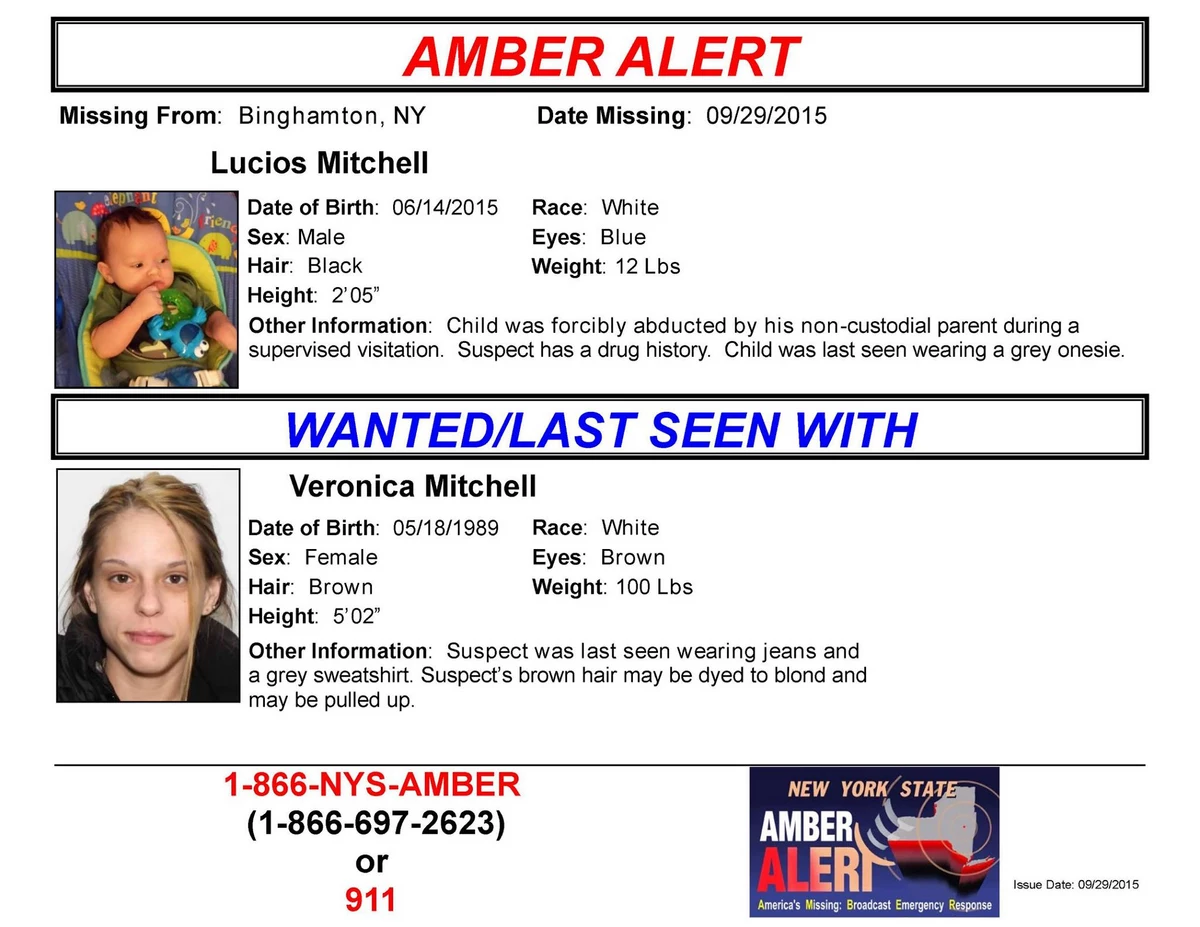
Once the New York State Police verifies that a case qualifies, they act as the clearinghouse. They draft the alert text, ensuring that critical details—such as the child's name, age, physical description, suspected abductor's details, vehicle make, model, color, and license plate—are concise and accurate. The New York State Police then coordinates with the New York State Division of Homeland Security and Emergency Services (DHSES) and the National Center for Missing & Exploited Children to initiate the broadcast pathways.
Technological Pathways and Broadcast Channels
New York utilizes a modern, multi-channel approach to ensure that an AMBER Alert reaches the maximum number of people in the shortest possible time. When an alert is triggered, it does not rely on a single medium; instead, it blankets the digital and physical landscape simultaneously.
Wireless Emergency Alerts (WEA)
Wireless Emergency Alerts represent the most direct and impactful channel for modern public safety notifications. Managed through the Federal Communications Commission (FCC) and FEMA in cooperation with commercial wireless carriers, WEA sends a standardized text message directly to cellular devices located within the targeted geographic area.
- Targeting: Alerts can be broadcast statewide or hyper-targeted to specific counties, cities, or neighborhoods based on where the vehicle or suspect was last seen.
- Intrusion: The message triggers a unique, attention-grabbing sound and vibration pattern distinct from a standard text message.
- No Opt-Out for AMBER: While users can opt out of certain public safety warnings or presidential alerts depending on their phone settings, emergency regulations generally keep AMBER Alerts enabled by default to maximize public reach.
Emergency Alert System (EAS)
For broadcast media, New York utilizes the Emergency Alert System. This overrides or interrupts standard programming on local television and radio stations. Broadcasters are required by federal regulations to relay the alert data immediately, displaying the vital text crawl across television screens and broadcasting audio descriptions over radio frequencies.
Transportation and Digital Signage
In addition to personal devices and home electronics, New York leverages its extensive state highway infrastructure. The New York State Department of Transportation (NYSDOT) and the New York State Thruway Authority immediately interface with the police dispatch network to display alert details on Variable Message Signs (VMS) overhead on major highways, parkways, and toll plazas. This targets commuters, long-haul truckers, and motorists who may be traveling along transit corridors used by fleeing suspects.
Private Sector and Digital Partnerships
The digital footprint of an AMBER Alert extends far beyond government infrastructure. New York partners with private technology platforms, digital billboard networks, lotteries, and social media corporations. Through automated API integrations with organizations like NCMEC, verified alert data is instantly pushed to digital billboards, mapping applications, ride-sharing networks, and social media feeds, creating an inescapable web of public awareness.
Geographic Scoping and Targeted Broadcasting
A common point of confusion among the public is why an AMBER Alert sounds on mobile phones hundreds of miles away from an incident, or conversely, why an alert might not reach a neighboring state. Geographic targeting depends heavily on the investigative intelligence available at the time of activation.
When a child is abducted, law enforcement determines the scope based on the vehicle's last known direction of travel, fuel range capabilities, and known associates of the suspect.
- Local vs. Statewide: If a child is taken on foot or in a local neighborhood without a known vehicle, the alert may be tightly focused on a specific municipality or county. If the suspect is believed to be driving a vehicle on an interstate highway, the alert footprint expands rapidly along expected transit corridors.
- Cross-Border Coordination: Because New York shares borders with multiple states (such as New Jersey, Pennsylvania, Connecticut, Massachusetts, and Vermont) as well as international borders with Canada, the New York State Police maintain active protocols with neighboring law enforcement agencies. If a vehicle is heading toward a state line, neighboring jurisdictions are immediately notified so they can mirror or extend the alert coverage zone.
Citizen Responsibility and What to Do
The effectiveness of an AMBER Alert relies entirely on the attentiveness and cooperation of the public. When an alert flashes across a smartphone screen or appears on a highway sign, citizens transition from passive observers to active participants in public safety.
However, law enforcement agencies emphasize that citizens must act safely and responsibly:
- Never Attempt Vigilante Interventions: If a motorist spots a vehicle matching the description provided in an alert, they should never attempt to pull the vehicle over, block its path, or confront the occupants. Doing so puts the child and the public at grave risk.
- Gather Specific Observations: Note precise details: the exact license plate (or partial plate if full verification is impossible), the direction of travel, specific vehicle damage, window stickers, and the physical appearance of the occupants.
- Report Immediately: Call 911 or the designated tip line immediately with the precise location and time the vehicle was observed. Do not assume someone else has already reported it.
- Verify False Alarms: Refrain from calling 911 to complain about receiving the alert or to ask for more general information, as jammed phone lines can interfere with active emergency dispatch operations.
Evolution, Success Rates, and Operational Limitations
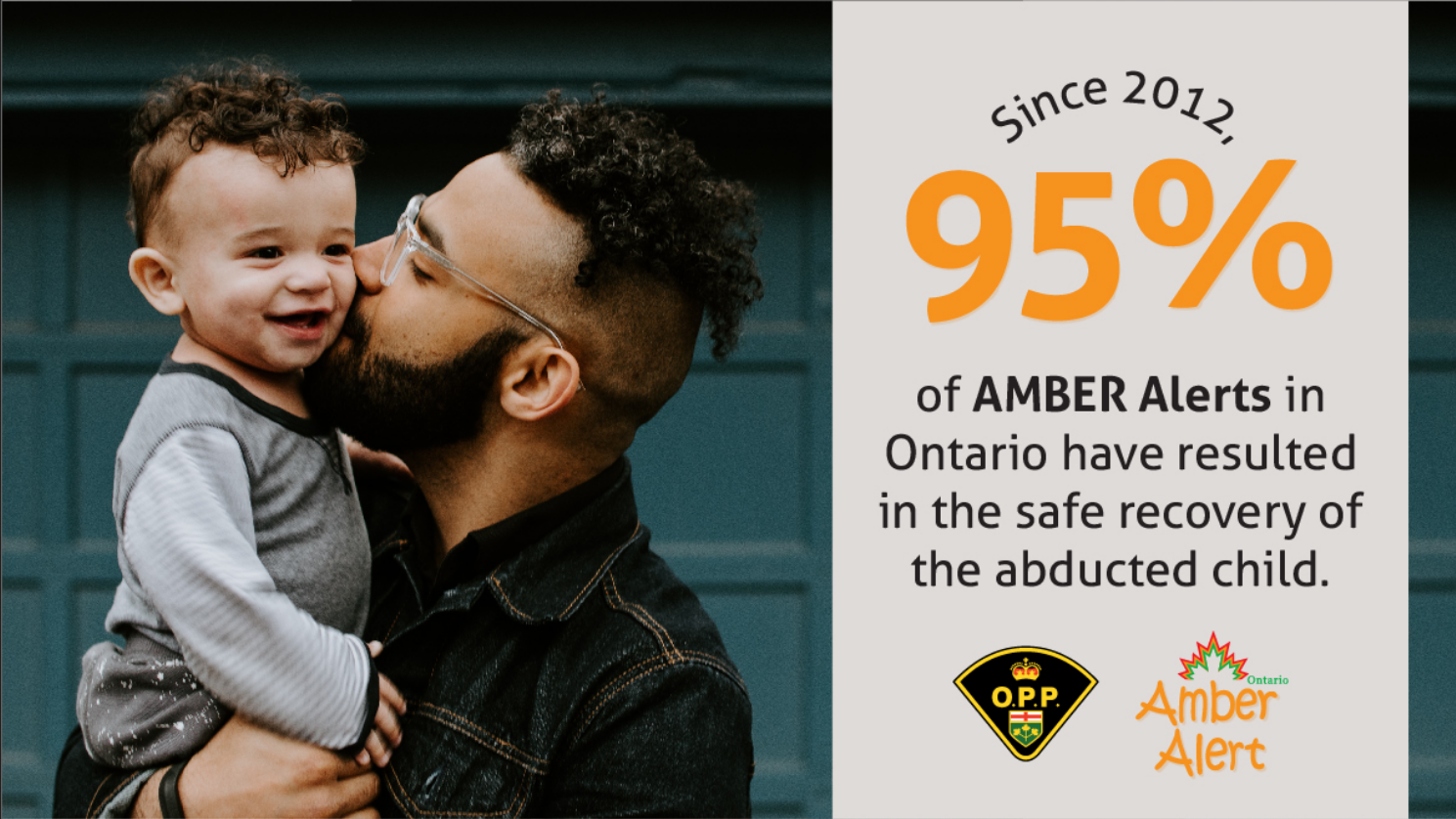
Since the inception of the AMBER Alert system nationally and its implementation across New York, thousands of children have been safely recovered. The program has evolved significantly from its early reliance on manual television broadcasts to the highly automated, smartphone-driven architecture operating today.
Despite its high success rate, the system faces distinct operational challenges:
- Alert Fatigue: If alerts are sent over too broad an area for cases that do not meet strict criteria, public sensitivity to the alarm tone diminishes. This underscores the necessity of strict gatekeeping by the State Police.
- Transient Populations: In dense urban environments like New York City, cellular signals bounce between tall buildings, and rapid transit systems can make pinpointing a mobile device's geographic zone complex, occasionally resulting in alerts reaching commuters outside the immediate danger zone.
- Time-Sensitivity: The window of highest recovery probability often occurs within the first few hours of an abduction. If a delay occurs between the initial disappearance, the discovery of the crime, and the official police verification, the efficacy of the broadcast diminishes.
Even with these hurdles, New York's system remains a cornerstone of child protection infrastructure. The integration of advanced location-based services, rapid inter-agency communication, and engaged civic participation ensures that when the worst happens, the state mobilizes with maximum velocity to bring children home safely.
Frequently Asked Questions
What exact criteria must be met to trigger an AMBER Alert in New York?
An AMBER Alert requires that the child is 18 years or younger, that law enforcement confirms an abduction has occurred, that the child is in imminent danger of serious injury or death, and that sufficient descriptive data is available regarding the child, suspect, or vehicle to assist the public.
Why did I receive an AMBER Alert on my phone if I am miles away from the incident?
Geographic targeting relies on the suspected direction of travel and transit corridors. If a suspect is in a vehicle on a major highway, law enforcement often casts a wide net across multiple counties or regions to intercept the vehicle before it leaves the state or area.
Can standard custody disputes trigger a New York AMBER Alert?
Generally, no. Family abduction and custody disputes do not trigger an AMBER Alert unless the investigating law enforcement agency determines that the child faces an immediate, credible threat of death or serious physical injury.
What should I do if I spot a vehicle matching an AMBER Alert description?
Do not attempt to stop or confront the vehicle. Immediately pull over if driving safely, note the precise location, license plate, direction of travel, and vehicle condition, and dial 911 right away to report your observations to law enforcement.
Who manages and authorizes the activation of an AMBER Alert in New York?
The New York State Police serves as the central coordinating and authorizing authority for all statewide AMBER Alerts, working in partnership with local investigating police departments, the New York State Division of Homeland Security and Emergency Services, and the National Center for Missing & Exploited Children.
Conclusion
The New York AMBER Alert system is a finely calibrated emergency response network that bridges law enforcement intelligence, advanced telecommunications, and public vigilance. By adhering to strict activation thresholds, utilizing multi-channel broadcasting, and relying on attentive citizens, the program serves as a vital safeguard for vulnerable children. Understanding how the mechanism works empowers residents to respond safely, accurately, and effectively when every second counts.
Image Gallery
Select an image to open it in a new tab.


Omar Farooq
EdTech Innovation and Virtual Pedagogy Journalist
