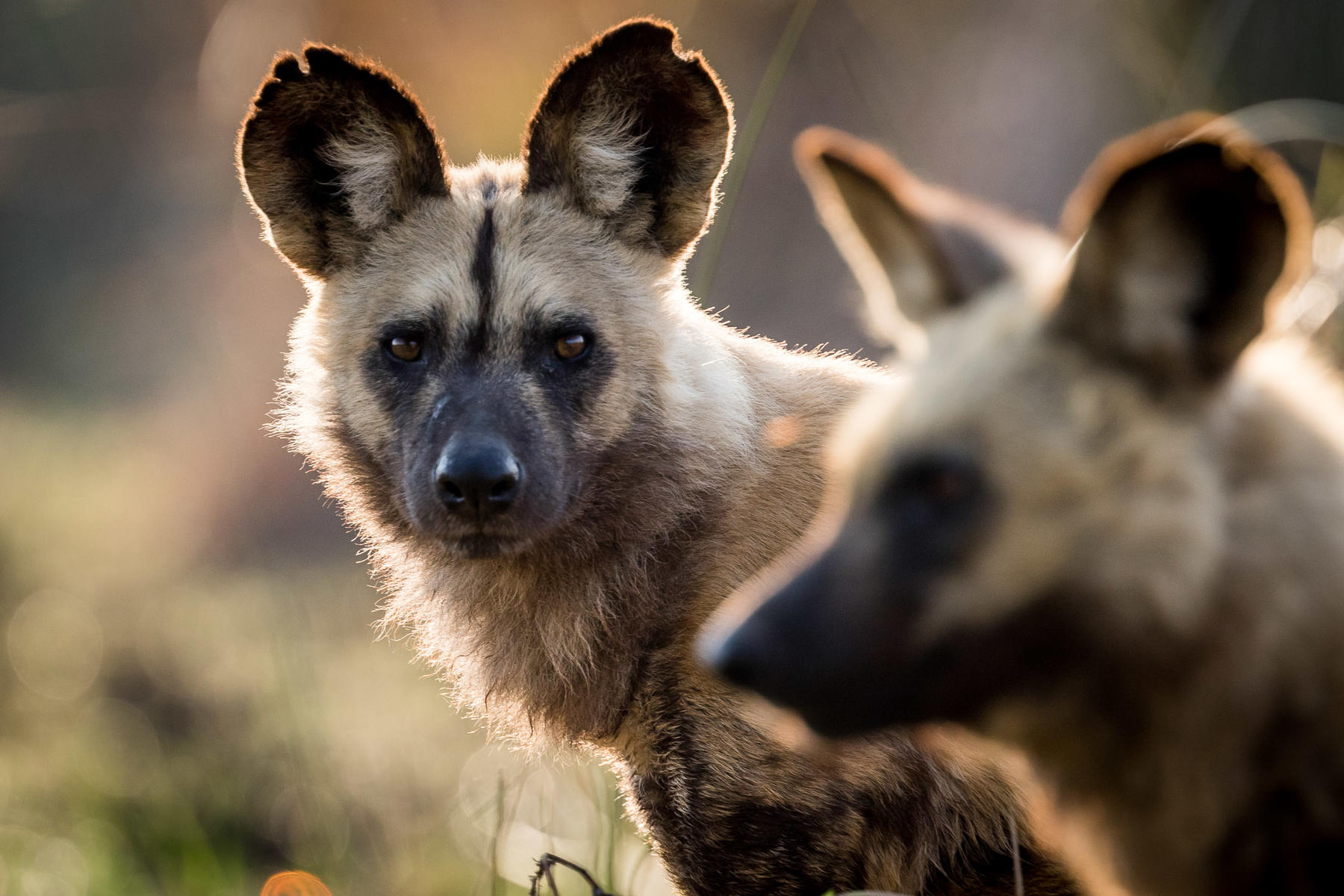
Deciding between keeping a domestic dog and attempting to house an undomesticated animal is not a choice between two types of pets, but a fundamental choice between companionship and the assumption of a high-stakes, specialized stewardship role. A domestic dog is a species co-evolved with humans for thousands of years to thrive in a domestic environment, whereas wild animals remain biologically programmed for survival in natural ecosystems, making them incompatible with the typical home setting.
The Evolutionary Divergence: Domestic vs. Wild
To understand the gravity of this decision, one must look at the divergence between Canis lupus familiaris (the domestic dog) and truly wild species often confused with pets, such as wild canids (foxes, coyotes, or wolves) or undomesticated exotic animals.
Domestic dogs have undergone a process of artificial selection that has tuned their behavior, temperament, and nutritional needs to align with human lifestyle patterns. They possess a social cognition that allows them to interpret human gestures, respond to verbal cues, and form deep, neurochemical bonds with their owners. This is a genetic predisposition toward human interaction that wild animals lack.
A wild animal, regardless of how it is raised, retains its instinctual drives. These instincts are designed for predator-prey dynamics, territory defense, and self-preservation. When a wild animal reaches sexual maturity, its behavioral repertoire shifts; it may become aggressive, display heightened anxiety in confined spaces, or attempt to assert dominance, all of which are normal survival behaviors in the wild but are dangerous and unmanageable within a household.
Legal and Ethical Parameters in 2026
In 2026, the regulatory landscape regarding the ownership of wild animals has become increasingly stringent. Many jurisdictions have implemented "positive lists" or outright bans on the private possession of wild species to protect both public safety and animal welfare.
Before considering any animal that is not a domestic dog, you must consult your local municipal, state, and federal laws. Possession of wild species often requires specialized permits, high-liability insurance policies, and rigorous site inspections. Failure to comply with these regulations can lead to the immediate confiscation and potential euthanasia of the animal. Furthermore, many veterinarians—who are legally and ethically equipped to treat domestic dogs—do not have the license or the specialized training to provide medical care for non-domesticated species.
Behavioral Expectations and Management
Domestic dogs are "behaviorally flexible." They are social creatures that generally view the human household as their pack. They can be housetrained, socialized to strangers, and trained to obey commands that ensure their safety and the safety of those around them. This is made possible by the domestic dog’s unique ability to defer to human authority and tolerate the limitations of a man-made environment.
Wild animals, by contrast, possess rigid, hard-wired behavioral patterns. They do not understand human concepts of "ownership," "rules," or "schedules."
- Enrichment: A wild animal requires a complex, naturalistic environment that mimics its ecosystem. A living room cannot replicate the sensory stimulation, space, or verticality required for a wild animal’s health.
- Socialization: While a wild animal may appear "tame" as an infant, it does not possess the capacity to be "domesticated" through love or training. Its developmental milestones will eventually lead to behaviors that conflict with human lifestyle, including destructive chewing, spraying, and territorial biting.
Comparative Overview: Domestic Dog vs. Wild Animal
| Feature | Domestic Dog | Wild Animal |
|---|---|---|
| Social Structure | Adapted to human social groups | Driven by species-specific hierarchy |
| Training | Highly receptive to human cues | Minimal to no response to training |
| Veterinary Care | Widely available and standardized | Requires specialized exotics vet |
| Legal Status | Legal (subject to local ordinances) | Highly restricted; often prohibited |
| Environment | Thrives in household settings | Requires specialized outdoor enclosure |
| Human Bond | Based on interspecies cooperation | Generally non-existent or predatory |
The Reality of Specialized Care
The care requirements for a domestic dog are well-documented and supported by an entire industry of nutritionists, groomers, and behavioral experts. Feeding a domestic dog involves choosing from a variety of commercially available, nutritionally balanced diets.
For a wild animal, nutrition is a complex, high-risk endeavor. Many wild species have highly specific dietary needs that, if not met precisely, lead to metabolic bone disease, organ failure, and premature death. Relying on "best-guess" diets is a primary cause of morbidity in private wild animal collections. Additionally, the waste management, hygiene, and environmental requirements for a wild animal often necessitate professional-grade facility management, which is significantly more expensive and labor-intensive than owning a dog.
Common Risks and Liability
The decision to bring an undomesticated animal into your life carries extreme liability. If a domestic dog displays aggression, there are established protocols for behavioral modification and containment. If a wild animal displays its natural predatory behavior toward a human, the consequences are often catastrophic.
Insurance companies frequently exclude wild animals from standard homeowners' policies. If an incident occurs, you may be held personally liable for damages, injuries, or fatalities, and you may find that your insurance coverage is voided due to the nature of the animal. Furthermore, wild animals can be vectors for zoonotic diseases—illnesses that can be transmitted from animals to humans—for which there are no effective, widely available vaccines or treatments for pet owners.
Making the Right Choice for Your Lifestyle
If you are seeking a life-long companion, the domestic dog is the only viable option. Domestic dogs offer a range of temperaments, activity levels, and physical sizes to match almost any living situation, whether you are an apartment dweller seeking a low-energy companion or an active person looking for a running partner.
If your desire stems from an interest in nature, there are more ethical, safe, and fulfilling ways to engage with it. Instead of attempting to house a wild animal, consider:
- Volunteering at reputable wildlife rehabilitation centers: This allows you to interact with wild species in a setting that prioritizes their welfare and eventual release.
- Supporting wildlife sanctuaries: These organizations provide necessary care for animals that cannot survive in the wild without keeping them as private pets.
- Observational research: Citizen science projects in 2026 offer tools to document local wildlife populations in their natural habitats.
Frequently Asked Questions
Can a wild animal ever be considered a "domesticated" pet? No. Domestication is a multi-generational evolutionary process that changes an animal's DNA. A wild animal born in captivity is still a wild animal; it is merely "tame," which is a behavioral state that can disappear at any moment, particularly upon reaching sexual maturity.
Is it easier to raise a wild animal if I get it as a baby? While it may seem easier to handle an infant, this is when the most damage is done. Removing a wild animal from its mother inhibits its ability to learn natural social behaviors. Furthermore, you are essentially "training" the animal to be fearless of humans, which makes it impossible to ever release it into the wild, sentencing it to a life of confinement.
Are there specific breeds that act like wild animals? Some domestic dog breeds, such as high-drive working breeds or primitive types, share physical characteristics with their wild ancestors. However, they are still domestic. If you are attracted to the look of a wild animal, look into breeds like the Shiba Inu, Basenji, or certain northern spitz breeds, which offer the aesthetic without the danger and ethical concerns of owning an undomesticated species.
What should I do if I find an injured wild animal? Do not attempt to care for or keep it. Contact your local department of natural resources or a state-licensed wildlife rehabilitator. They have the expertise to provide the medical intervention needed to treat the animal and, ideally, return it to the wild.
Why is it illegal to own many wild species? Laws are primarily in place to prevent the spread of zoonotic diseases, ensure public safety, and curb the illegal wildlife trade. Many species also have specific social and spatial needs that the average person cannot provide, leading to severe animal cruelty concerns.
Next Steps for Prospective Owners
If you have concluded that a dog is the right addition to your life, your next step is to evaluate your current living situation honestly. Consider your daily time commitment, your budget for high-quality food and veterinary care, and the amount of exercise you can realistically provide. Reach out to local breed-specific rescues or shelters. These organizations focus on matching individual dog personalities with human lifestyles, ensuring a successful, safe, and long-term relationship for both you and the dog.
Image Gallery
Select an image to open it in a new tab.
Vivian Cho
Executive IT and Emerging Technologies Reporter
