From the Studio That Brought You: The Evolution, Psychology, and Impact of Cinematic Branding

The phrase "from the studio that brought you" functions as a powerful cinematic trust signal, leveraging past audience satisfaction to drive anticipation, shape viewer expectations, and establish immediate brand equity for upcoming creative works across film, television, and gaming.
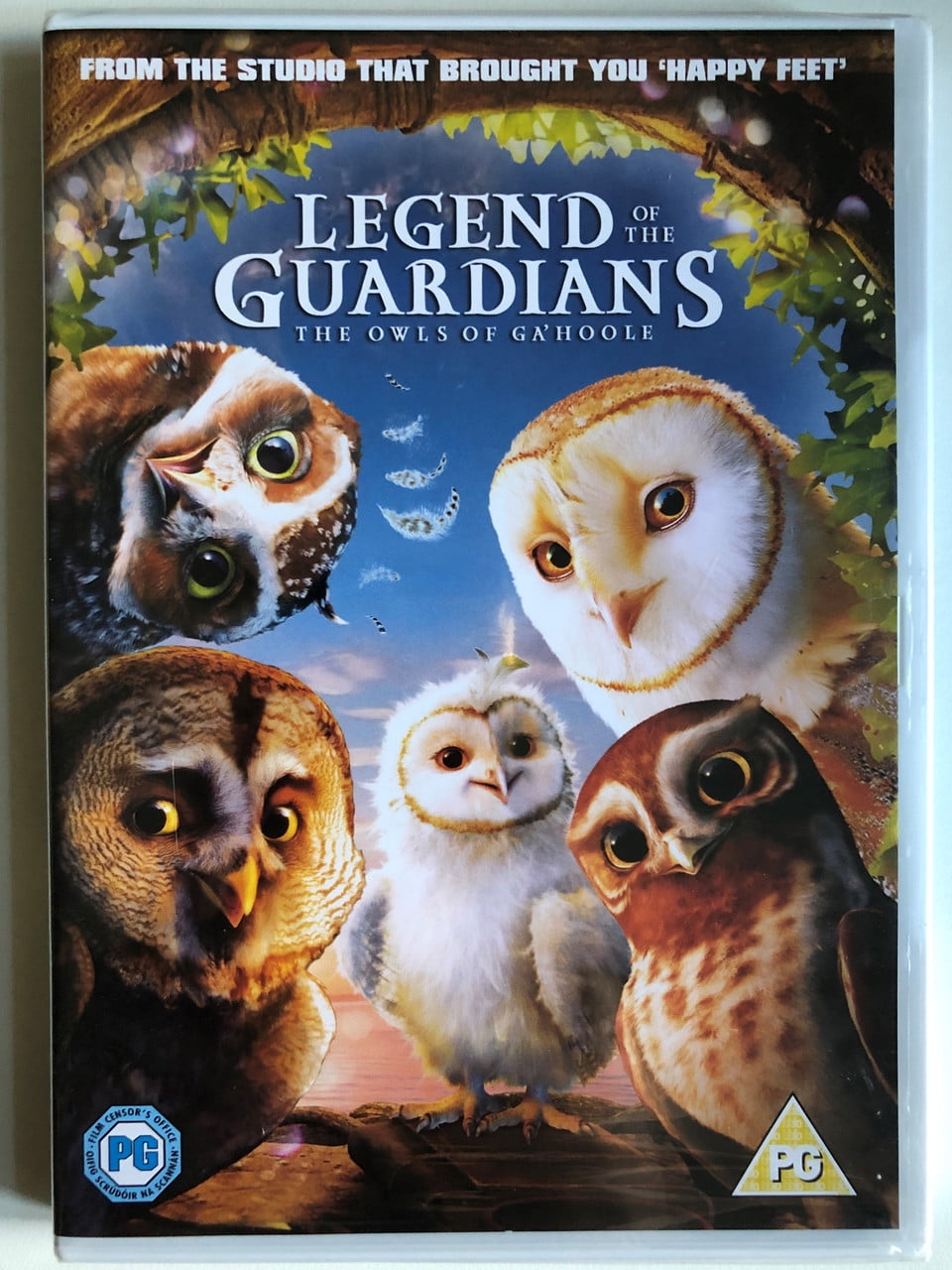
The entertainment landscape relies heavily on shorthand to guide audience choices. Among the most recognizable tropes in promotional marketing is the phrase "from the studio that brought you." Far more than a simple transitional text card in a trailer, this linguistic formula serves as a sophisticated psychological anchor, a marketing strategy, and an institutional testament to quality, tone, and production pedigree. Understanding how this phrase functions requires examining its historical roots, the psychological mechanics of brand loyalty, its evolution into the digital streaming era, and its occasional misapplications in contemporary media marketing.
The Historical Genesis of Studio Branding
In the classic era of Hollywood cinema, studio branding was absolute. During the golden age of the studio system in the 1930s and 1940s, production houses like Metro-Goldwyn-Mayer (MGM), Warner Bros., and Universal Pictures maintained distinct house styles. MGM was known for glossy, star-studded musicals and prestige dramas; Warner Bros. specialized in gritty urban crime thrillers and working-class social dramas; Universal built an empire on atmospheric horror.
Audiences of that era did not merely go to see an actor; they went to see a Warner Bros. picture or an RKO production. The studio name carried an implicit guarantee of technical competence, narrative pace, and artistic vision. When independent production companies and boutique animation houses emerged later in the twentieth century—such as Pixar Animation Studios, Studio Ghibli, or A24—this tradition evolved. Instead of citing a monolithic, century-old conglomerate, marketers began spotlighting the specific creative incubators responsible for culturally resonant hits. The phrase "from the studio that brought you" became the modern successor to the classical studio stamp, shifting focus from corporate ownership to creative lineage.
Psychological Mechanics: Why the Phrase Works
The efficacy of "from the studio that brought you" is rooted in cognitive psychology, specifically heuristics and affective forecasting. Viewers overwhelmed by the sheer volume of media choices look for reliable shortcuts to decision-making.
Reducing Cognitive Load
When a consumer sees a trailer for an unfamiliar film or series, evaluating its quality from scratch requires mental effort. By invoking a previous success—such as introducing a new fantasy epic with the tag "from the studio that brought you The Lord of the Rings"—marketers instantly bypass that cognitive friction. The brain substitutes the difficult question ("Is this new project worth my time?") with an easier one ("Did I enjoy The Lord of the Rings?").
Halo Effect and Brand Association
The halo effect occurs when positive impressions of a specific product influence a consumer's feelings about a new, related offering from the same source. If a studio delivers a critically acclaimed masterpiece, audiences develop a deep emotional attachment to that brand. When the studio applies its name to a subsequent project, that accrued goodwill transfers directly to the new title, even if the creative team, director, or writers have entirely changed.
| Studio / Production House | Iconic Baseline Work | Typical Stylistic Marker | Associated Risk / Pitfall |
|---|---|---|---|
| Pixar Animation Studios | Toy Story (1995) | Emotional depth, high-end 3D animation, universal appeal | High expectations can lead to severe disappointment for derivative sequels. |
| A24 | Hereditary (2018) | Elevated genre storytelling, atmospheric tension, auteur-driven | Audiences may mistake indie branding for mainstream accessibility. |
| Laika | Coraline (2009) | Intricate stop-motion animation, dark fantasy themes | Niche appeal can limit box office returns despite critical acclaim. |
| Blumhouse Productions | Paranormal Activity (2007) | Low-budget, high-concept horror, lean operational model | Variable quality due to rapid production schedules and frequent sequels. |
Evolution Across Media Sectors
While the phrase originated in traditional cinema, its deployment has expanded across multiple entertainment mediums, each utilizing the branding technique in distinct ways.
Animation and Stop-Motion Houses
Independent animation studios rely heavily on institutional memory. When Laika or Studio Ghibli releases a new film, marketing campaigns frequently highlight past masterworks to reassure parents and animation aficionados that the artistic craftsmanship remains intact. Because animation requires years of painstaking labor, reminding audiences of a studio's track record builds trust that the visual and narrative payoff will justify the wait.
Indie Film and Prestige Distributors
In the independent film sector, distributors often function similarly to studios in the public consciousness. Companies like A24 or Neon transformed distribution branding into a badge of artistic distinction. A tagline noting that a film comes "from the studio that brought you Moonlight" or Parasite signals to art-house audiences that the picture values unconventional narratives, striking cinematography, and daring thematic exploration over formulaic crowd-pleasing.
Video Game Development Studios
The gaming industry adapted this promotional shorthand to fit interactive media. While publishers like Electronic Arts or Ubisoft frequently market games via corporate branding, independent and prestige development studios—such as FromSoftware, Larian Studios, or Remedy Entertainment—utilize their pedigree as their primary marketing engine. A trailer noting that an action RPG is crafted "from the creators of Elden Ring" functions identically to the cinematic studio tagline, assuring players that the core design philosophy, difficulty curve, and world-building depth remain uncompromised.
Pitfalls, Backlash, and the Trap of Over-Reliance
Despite its proven marketing utility, the phrase "from the studio that brought you" carries significant risks when misapplied or overused.
The Danger of Creative Disconnection
A common pitfall in modern media marketing is conflating a corporate entity with specific creative personnel. A studio is often composed of hundreds, if not thousands, of artists, writers, technicians, and directors who rotate across projects. When a marketing team uses a past blockbuster to sell a new project that shares only a corporate parent company—while lacking the original key creators—audiences often feel deceived upon viewing the final product.
Audience Fatigue and Cynicism
Modern consumers are increasingly media-literate and skeptical of promotional hyperbole. When studios apply the phrase to mediocre or derivative works, the tactic backfires. Repeatedly invoking a legendary past success to prop up an underwhelming current release breeds cynicism. Over time, this erodes the very brand equity the studio sought to leverage, training audiences to view the tagline not as a promise of quality, but as a warning sign of manufactured hype.
Verification, Transparency, and Evaluating New Releases
For consumers attempting to navigate promotional claims and decide whether a new film, series, or game deserves their time and money, looking past marketing taglines is essential. Relying on verifiable production credits ensures that expectations align with reality.
Checking Key Creative Personnel
Before accepting the premise of a "studio" lineage, verify who is actually steering the project. Check whether the writer, director, cinematographer, or lead designer from the referenced past success is genuinely involved in the new work. In many cases, a studio licenses a brand or employs a junior division while the original auteurs have moved on.
Analyzing Critical Consensus vs. Marketing Hype
Promotional trailers are engineered to highlight the most visually striking moments, often masking underlying structural flaws. Reviewing independent analysis, critical aggregators, and industry reporting provides an objective counterweight to studio-generated marketing slogans.
Frequently Asked Questions
What does "from the studio that brought you" actually mean?
It indicates that the production company, animation house, or distributor responsible for a previously successful or well-known title is also backing the new project being advertised. However, it does not guarantee that the exact same writers, directors, or artists worked on both titles.
Is the studio always the creative force behind a film?
Not necessarily. In modern media, a "studio" can refer to a massive conglomerate with dozens of sub-divisions and shifting freelance crews. A parent company might own the rights to two completely unrelated films produced by entirely different creative teams.
Why do game developers use similar phrasing instead of traditional studios?
In gaming, player trust is often tied to specific auteurs or development studios (such as a specific internal team within a publisher) rather than the publisher financing the project. Highlighting the specific creative pedigree helps players anticipate gameplay mechanics and design philosophies.
How can I verify if the creative team is the same?
Checking production databases, industry trades, and official credit listings allows viewers and players to see if key personnel—such as directors, showrunners, lead writers, and composers—are returning for the new project.
Can this phrase be considered misleading advertising?
While rarely illegal, it can be rhetorically misleading if it creates a false impression of creative continuity. It is a promotional framing technique designed to borrow prestige from an established hit to support a new, unproven property.
Conclusion and Strategic Next Actions
The phrase "from the studio that brought you" remains a staple of entertainment marketing because it taps into fundamental human desires for familiarity, quality assurance, and narrative comfort. However, savvy consumers and media analysts recognize that institutional pedigrees do not guarantee individual artistic success. When evaluating upcoming releases, look beyond the initial marketing splash screen, verify the actual creative personnel involved, and weigh promotional claims against independent reviews to make informed viewing and purchasing decisions.
Image Gallery
Select an image to open it in a new tab.




Declan O'Connor
Higher Education and Campus Culture Reporter
